After a year of delays, the Tokyo Olympics is finally here.
But the growth in streaming is expected to lower broadcast viewership numbers. About 27.5 million people tuned into the 2016 Rio Olympics each night during Primetime, and around 86 million households had a cable or satellite subscription that year. This time around, the Tokyo Olympics are at least 13 hours ahead of the U.S.' main broadcasting hours, and 11 percent fewer households still maintain their cable or satellite bundles. On top of this, NBC Sports is saving the live feed of several popular sports, including mens' and women's gymnastics and track and field, for its streaming service Peacock in order to drive viewers to the platform.
But despite the protests and concerns over safety during COVID-19, advertisers haven't stopped backing the Games. While sponsor Toyota announced it would pull its ads running in Japan during the Olympics, it is still moving forward with its plans in other countries. In fact, NBC Sports said it has at least 120 advertisers this year, 80 of which are brand new. It is expecting to bring in more than $1.2 billion in ad revenue, which was the last benchmark set by the 2016 Rio Olympics.
"I think it shows a sensitivity to their specific region and a respect, which the Japanese people are known for, so I think it was the right thing to do," said Influencer marketing agency Takumi CMO Kristy Engels about Toyota.
"When you look at the other advertisers out of the major ad sponsors, no one else has pulled out to date so they're all sticking with their existing programs so you'll still see the Toyota ads running here in the U.S.," she added.
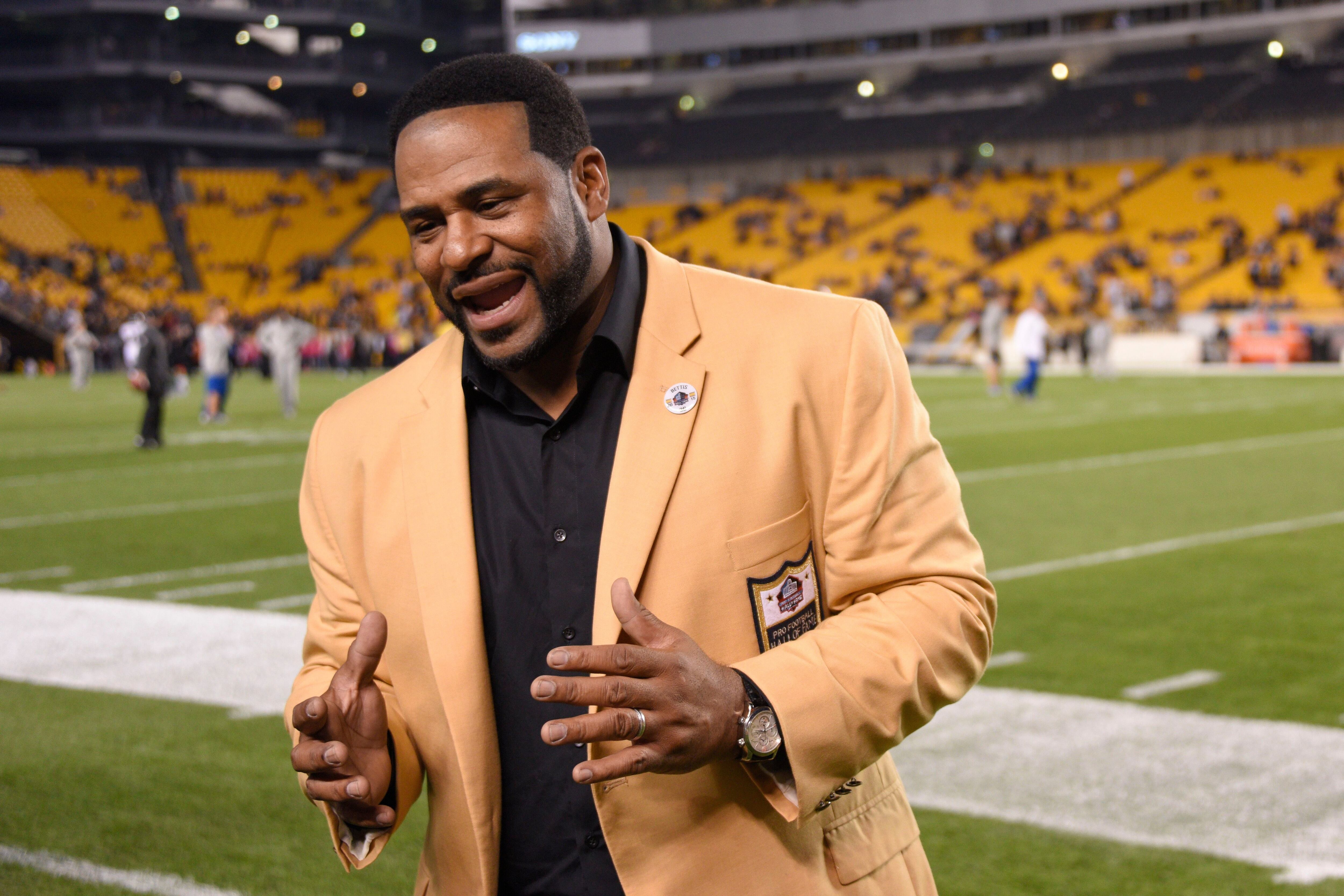
Bettis, known as "The Bus" when he was an unstoppable running back for the Pittsburgh Steelers, voiced support for the NFL player protests but also said he thought the league was "doing the right thing" in a tense situation.
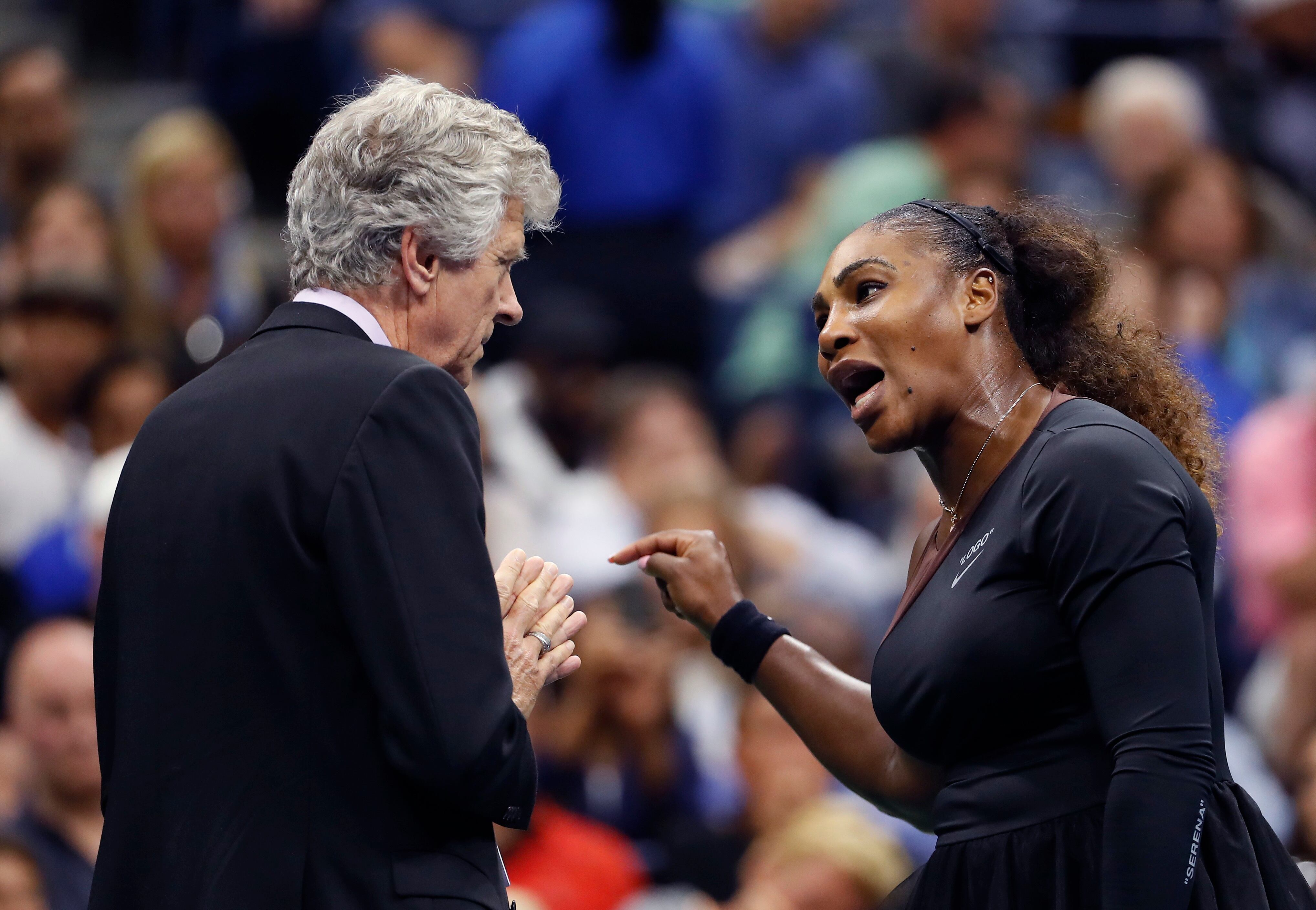
Serena Williams's altercation with a chair umpire during the U.S. Open final was just the latest example of women being treated differently than their male counterparts in the sport. But whether things change by the Australian Open in January, said the Washington Post's Cindy Boren, is hard to say.
These are the headlines you Need 2 Know.
Randal Hill, a former NFL wide receiver, is optimistic even in the face of the protest controversy that has divided America. He told Cheddar Big News that one of the best things about sports leagues is how they can heal national wounds.
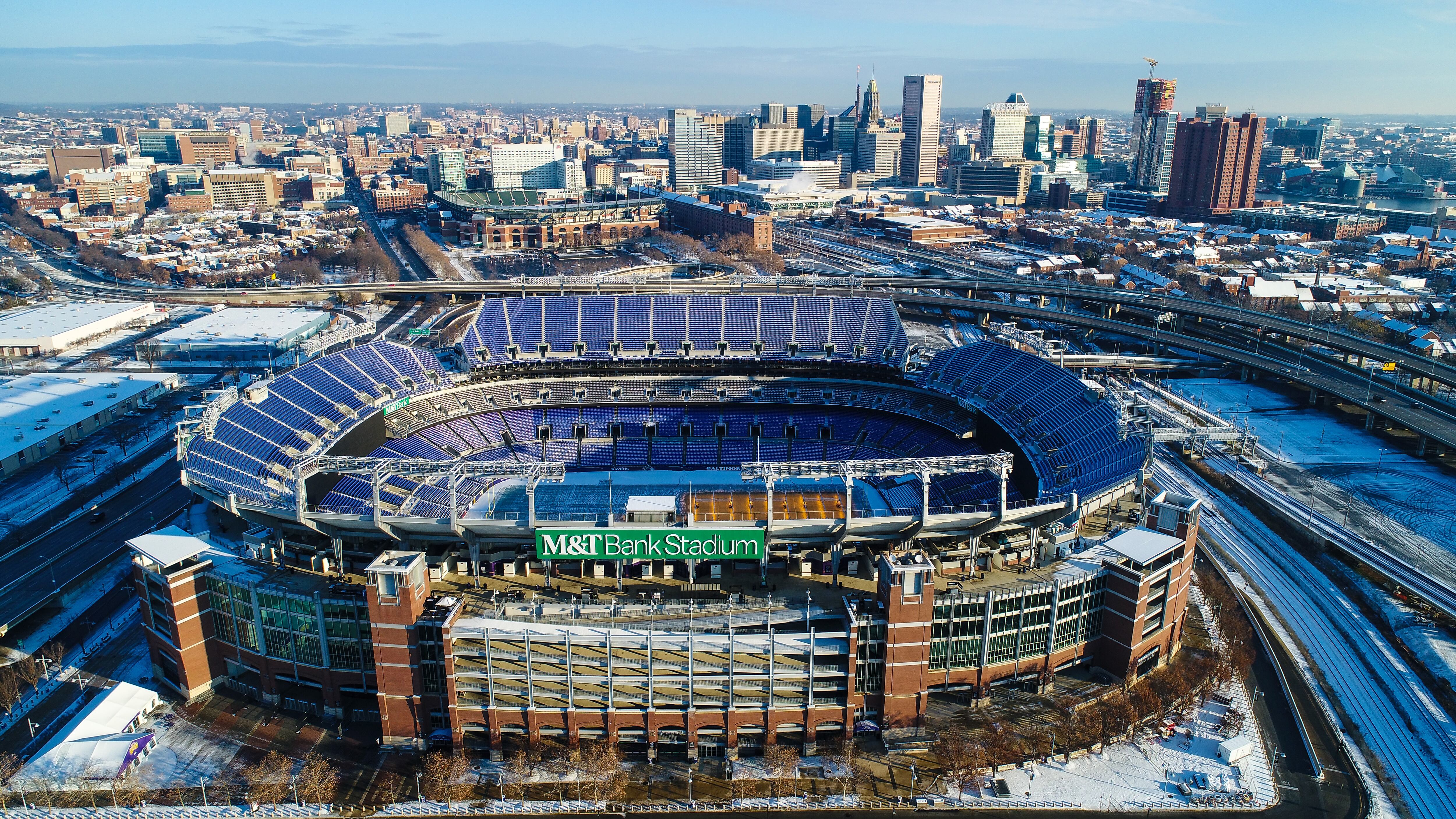
Rich Tamayo, the director of guest experience for the Baltimore Ravens, said that the changes being made for Ravens fans will "change the game in the way our fans experience the stadium." The Ravens start their season against the Buffalo Bills on Sunday.
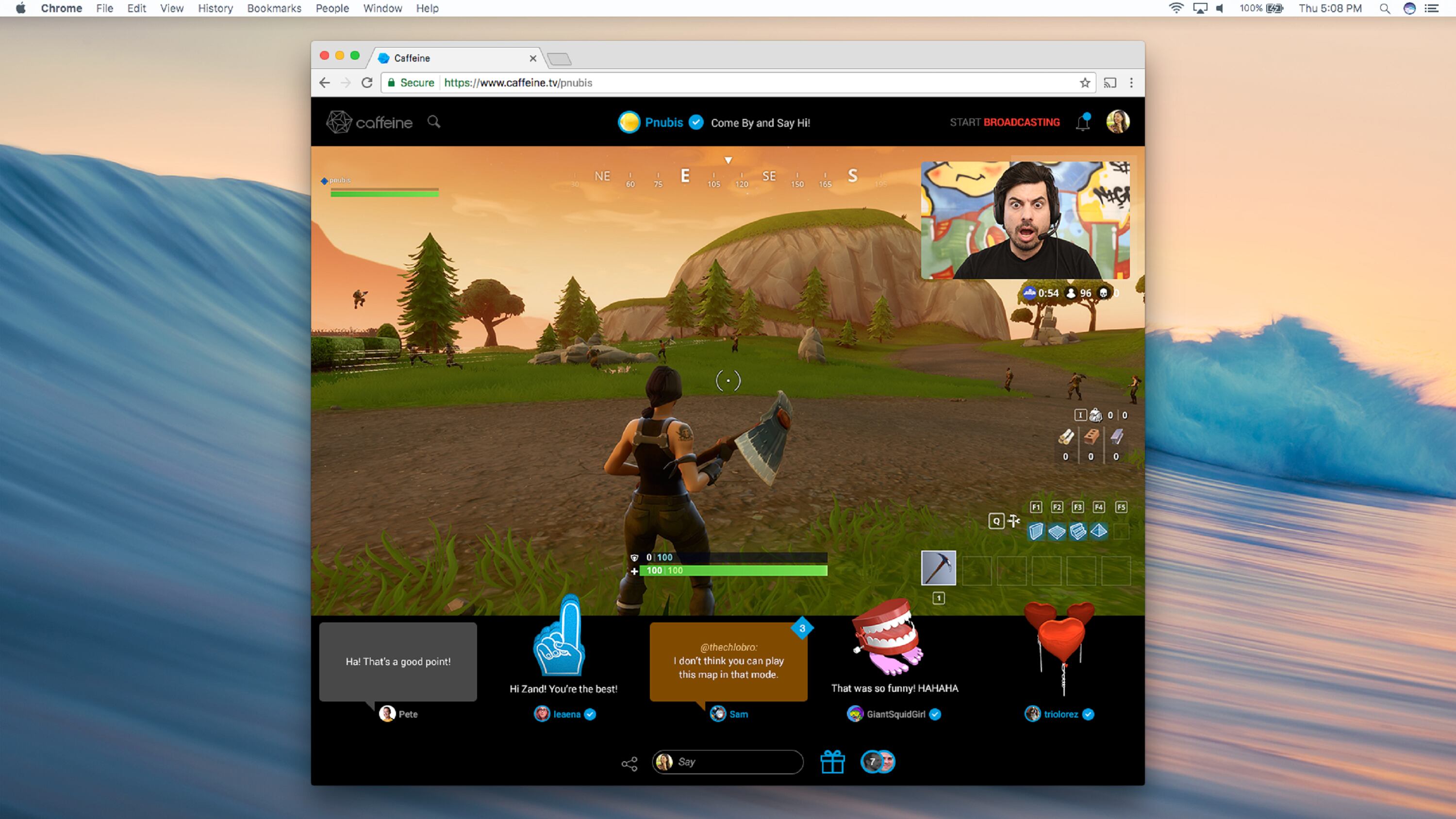
Social live-streaming is today where social media was in the mid-2000s. At least that's what 21st Century Fox is betting. The CEO of Caffeine, which just took a $100 million investment from the media giant, is looking toward the future of the industry.
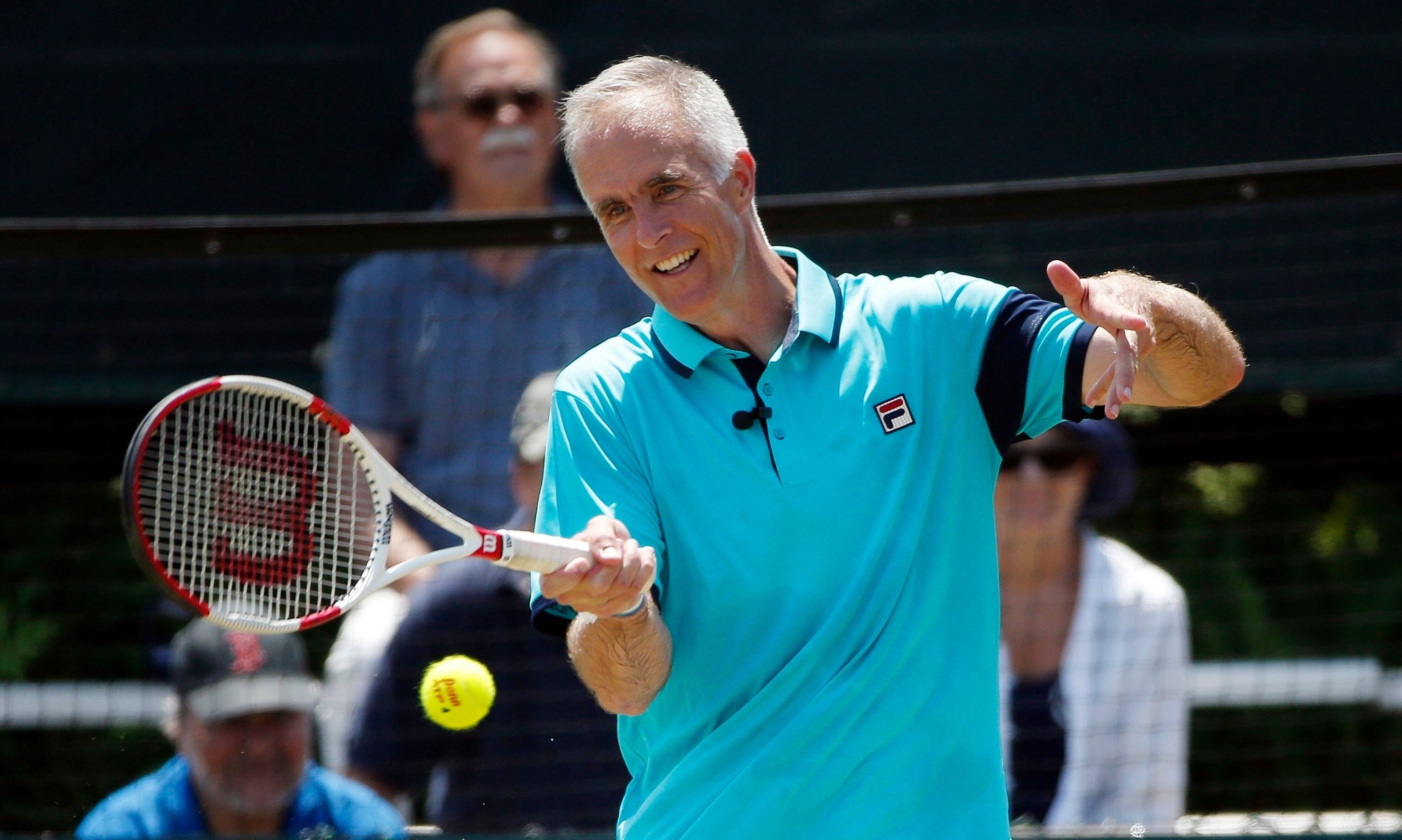
Todd Martin, the CEO of the International Tennis Hall of Fame, said he sees a possibility for an upset in the men's semifinal, but Serena Williams has it all but wrapped up on the women's side.
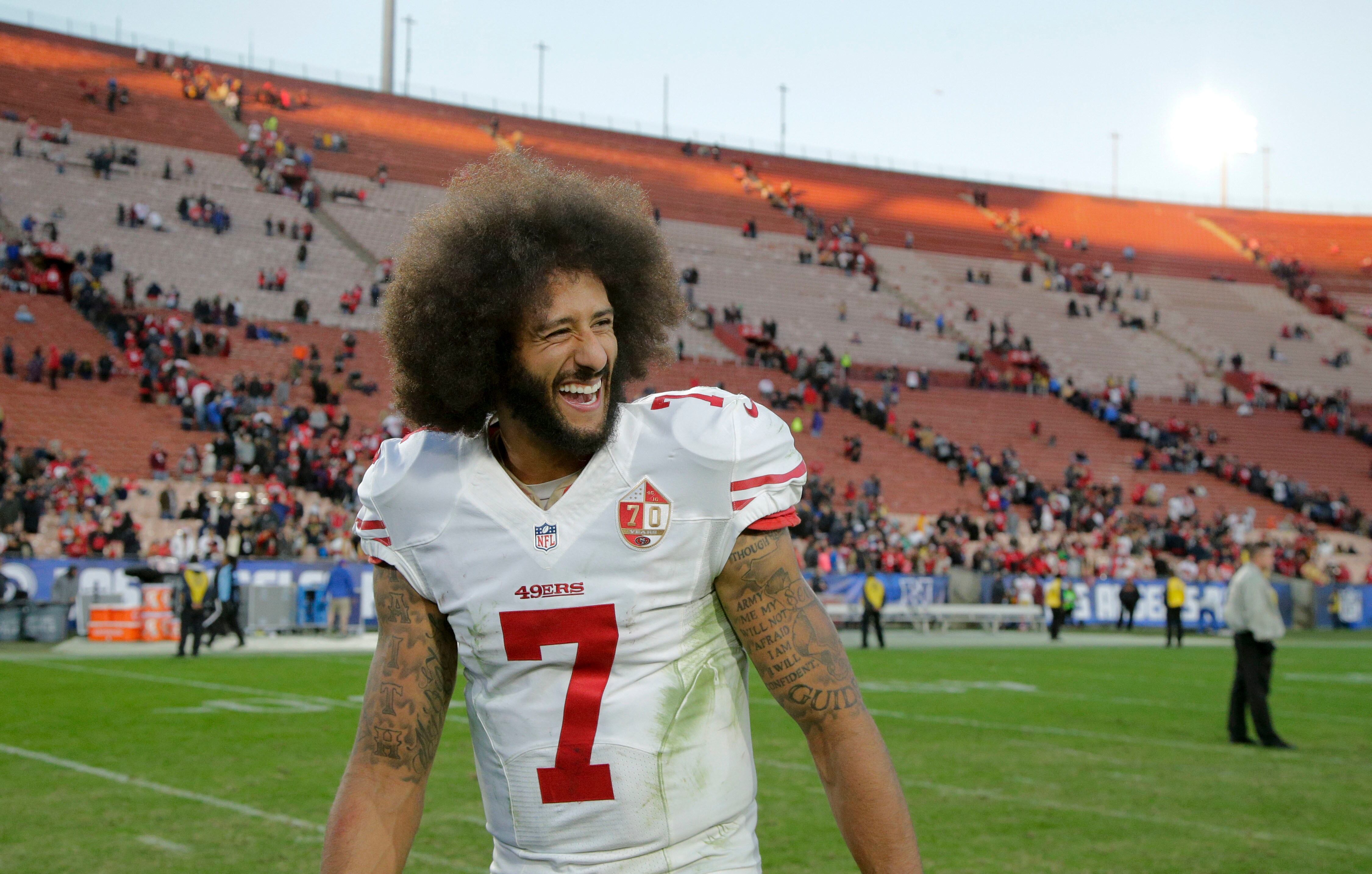
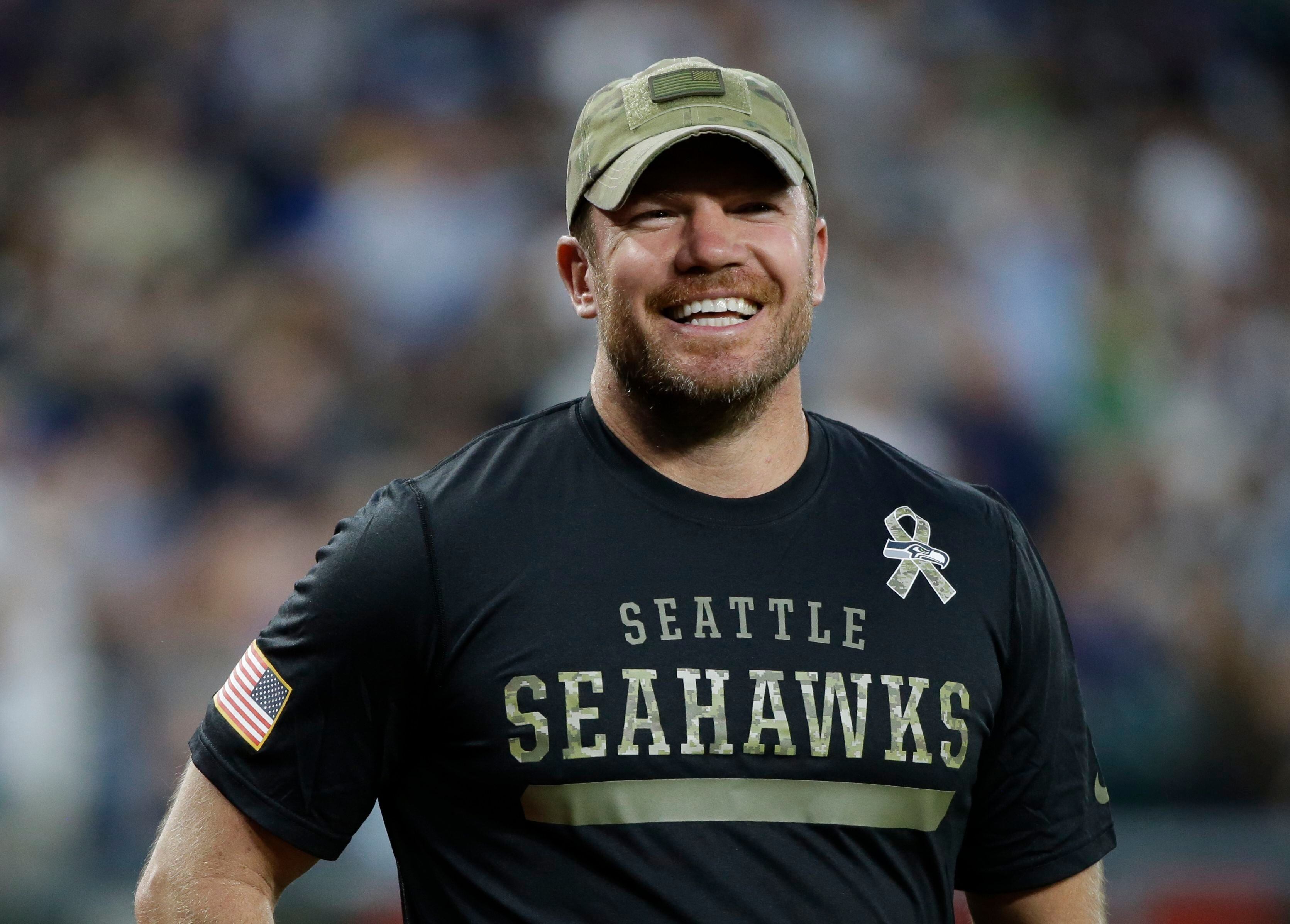
Nate Boyer, a former NFL player and Green Beret, is the man behind Colin Kaepernick's protests in 2016 when he suggested that the quarterback kneel instead of sit during the National Anthem as a sign of a respect. Two years later, Boyer believes people are missing the point of his protest and not listening to both sides of the issue.
Scooby Axson, a writer and producer for Sports Illustrated and an Army veteran, said that Pres. Trump is using Nike's Colin Kaepernick ad to stoke anger in his base.
These are the headlines you Need 2 Know.