The Trump administration announced plans Friday to speed up coronavirus testing, introducing an emergency hotline for companies and private laboratories developing quicker tests and seems on a path to a multi-billion-dollar federal plan with Congress amid reports the president will declare a national emergency later today.
"I hope he does it, it's the right thing to do, it will free up states and local communities to act more aggressively," Rep. Ami Bera (D-Calif. 7th District) told Cheddar on Friday.
The administration is catching up to warnings health officials have been making for weeks about the United States's lack of preparedness for what is now a pandemic. Bera, a physician himself, said the new measures will allow community health centers taking care of Medicaid patients to be reimbursed for telemedicine.
"If you can manage [sick patients] using technology, using telehealth, telemedicine and they can stay at home, that is actually a good thing, that will help slow the spread," he said.
Though telemedicine may help treat patients without potentially infecting those they come in contact with, a lack of test kits will impede physicians’ ability to track patients.
"What I’ve suggested to the administration is, look, if South Korea can do it, pick up the phone, call the Korean company that’s making these tests and see if you can’t just license those tests and get it sent over here if it’s taking so long for us to do it," he said.
While health workers attempt to slow the spread of the virus, politicians are still at work on a bill, which appeared to hit a roadblock today over disagreements about paid sick leave. House Speaker Nancy Pelosi and Treasury Secretary Steven Mnuchin have been negotiating the plan, which House Democrats are expected to vote on today.
"We're told that they're pretty close," Bera said. "Workers, families, those hourly wage folks, they're going to be hurt immediately. This is America, we don't let people fall down like that."
President Biden announced a ban on Russian oil and natural gas imports to the U.S. in response to its invasion of Ukraine, a move he warned could lead to an even greater surge in gas prices. The ban is prompting a conversation about the current oil production levels in the U.S. and whether or not the industry can ramp up production to soften the blow to American families at the gas pump. Clark Williams-Derry, Energy Finance Analyst with the Institute for Energy Economics and Financial Analysis, breaks down the state of the U.S. oil industry and how the ban might impact production levels here at home.
PepsiCo, Coca-Cola, McDonald’s, and Starbucks are the latest American food brands to have halted business operations in Russia after having faced scrutiny and criticism for originally failing to do so amid the country's invasion of Ukraine.
As Russia intensifies its war on Ukraine, President Biden announced a ban on oil imported from the aggressor nation. Critics of Russia have said this would be the best way to force Putin to pull back, but curbs on Russian oil exports are expected to send already skyrocketing oil and gas prices even higher, further impacting consumers, businesses, financial markets, and the global economy. Leslie Beyer, CEO of the Energy Workforce and Technology Council, joined Cheddar News' Closing Bell to discuss. "It's certainly going to increase pricing, but it is the right thing to do," she said. "The industry itself has already pulled out of the significant portion of its operations in Russia."
Sports Betting in the U.S. is booming. According to industry experts, we could see another boom this year as more states move towards statewide legalization of sports wagering. While this comes as huge news for fans, there are some very real concerns as to whether or not sports betting potentially poses a threat to public health. Senior Clinician at the Caron Treatment Centers, Eric Webber, joined Cheddar to discuss more.
The Biden administration has made gender policy a core part of how it governs. The president established the first Gender Policy Council. It's on the same level as the National Security Council, Domestic Policy Council and National Economic Council, putting the interests of women and other underserved groups at the table for the most important policy discussions.
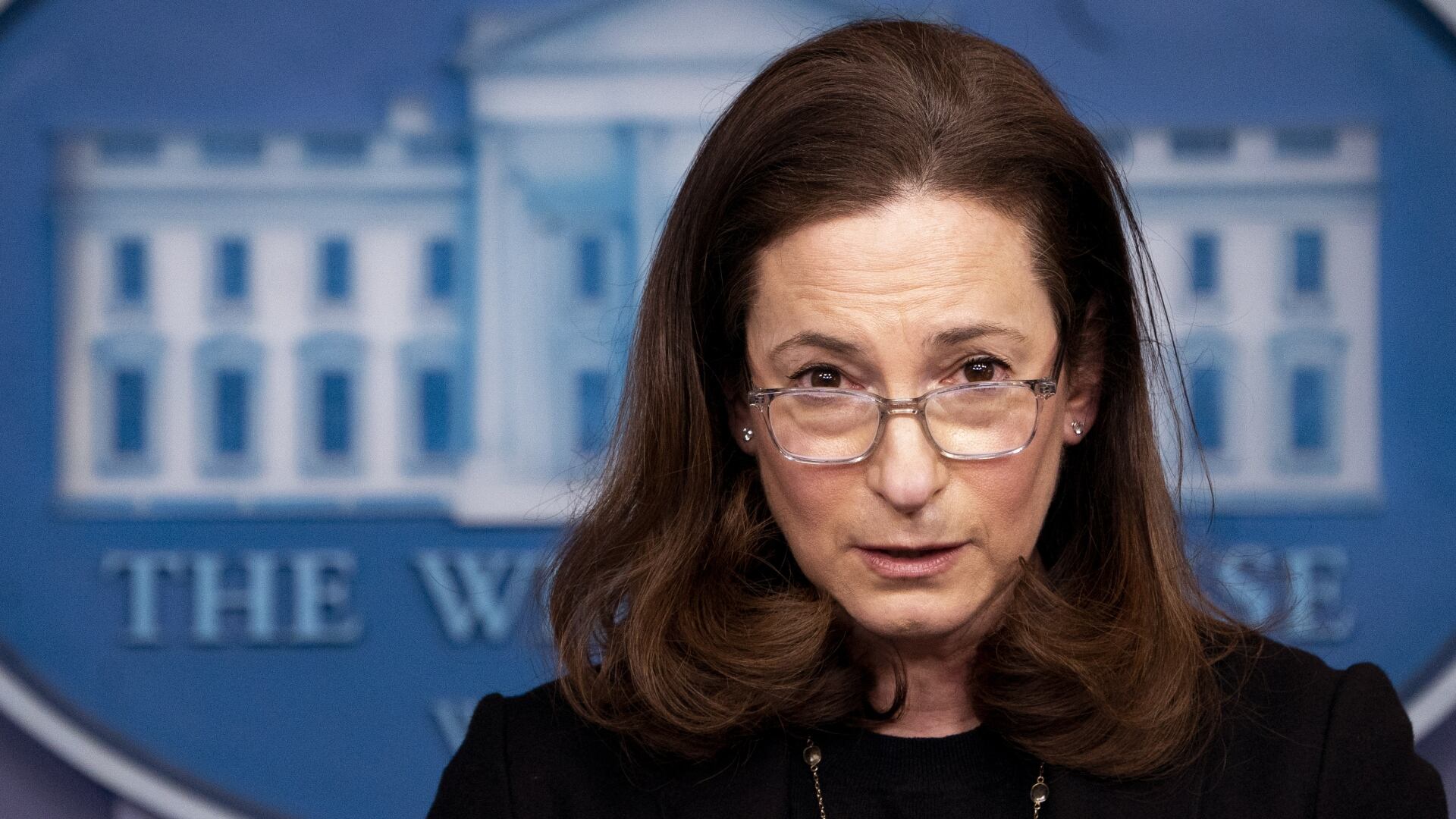
Cheddar News sat down with Jennifer Klein, executive director and co-chair of the White House Gender Policy Council, to discuss the council's work and its significance during Women's History Month.
State Representative Jessica González, Vice Chair of the Texas House LGBTQ Caucus, joins Cheddar News to discuss the latest Texas anti-transgender directive.
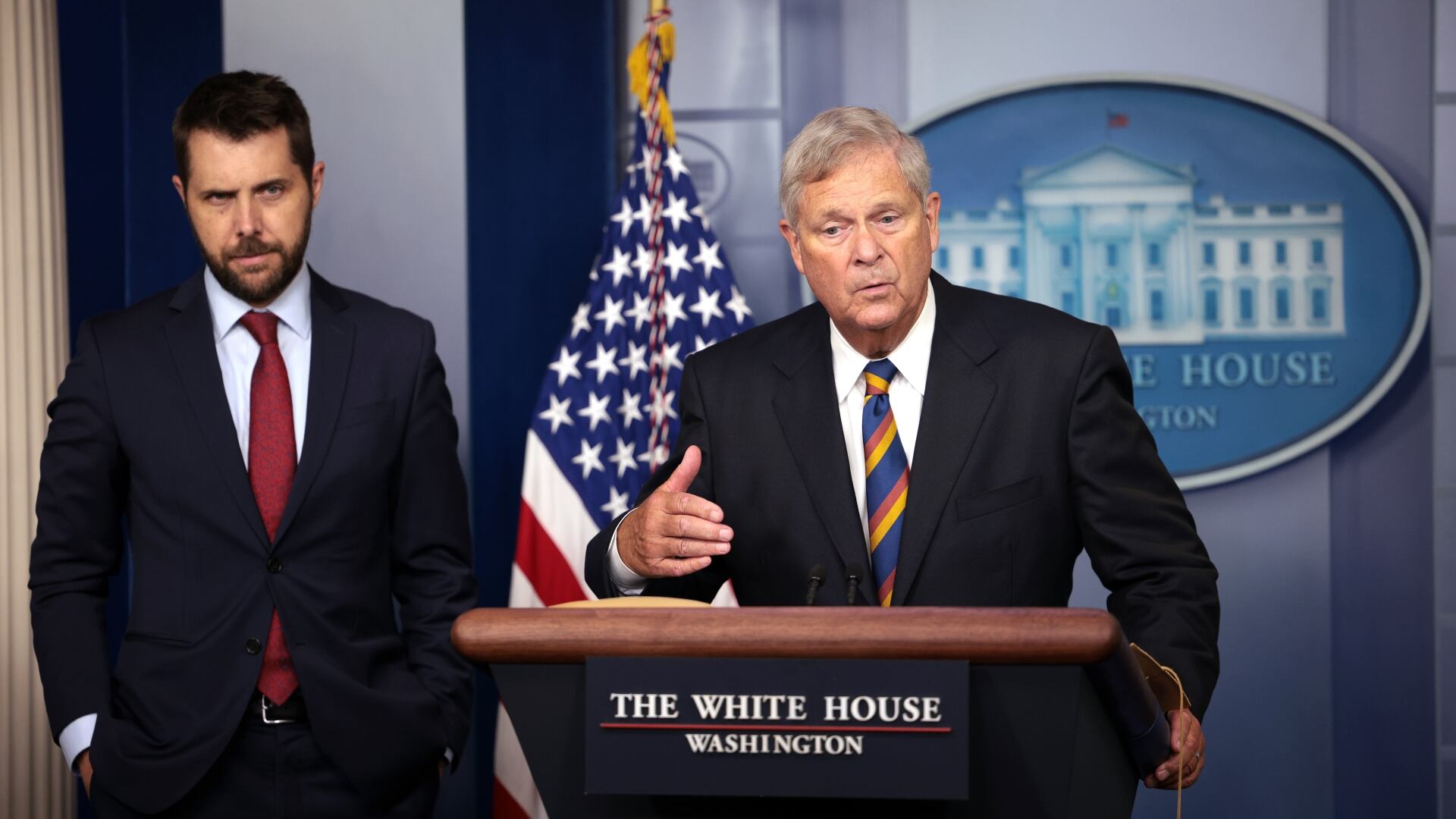
The United States Secretary of Agriculture, Tom Vilsack joins None of the Above to discuss the newly emerging conflict in Europe, what it means for agriculture in the states, dairy and meat consumption, and how the department is planning to promote climate-smart agriculture.
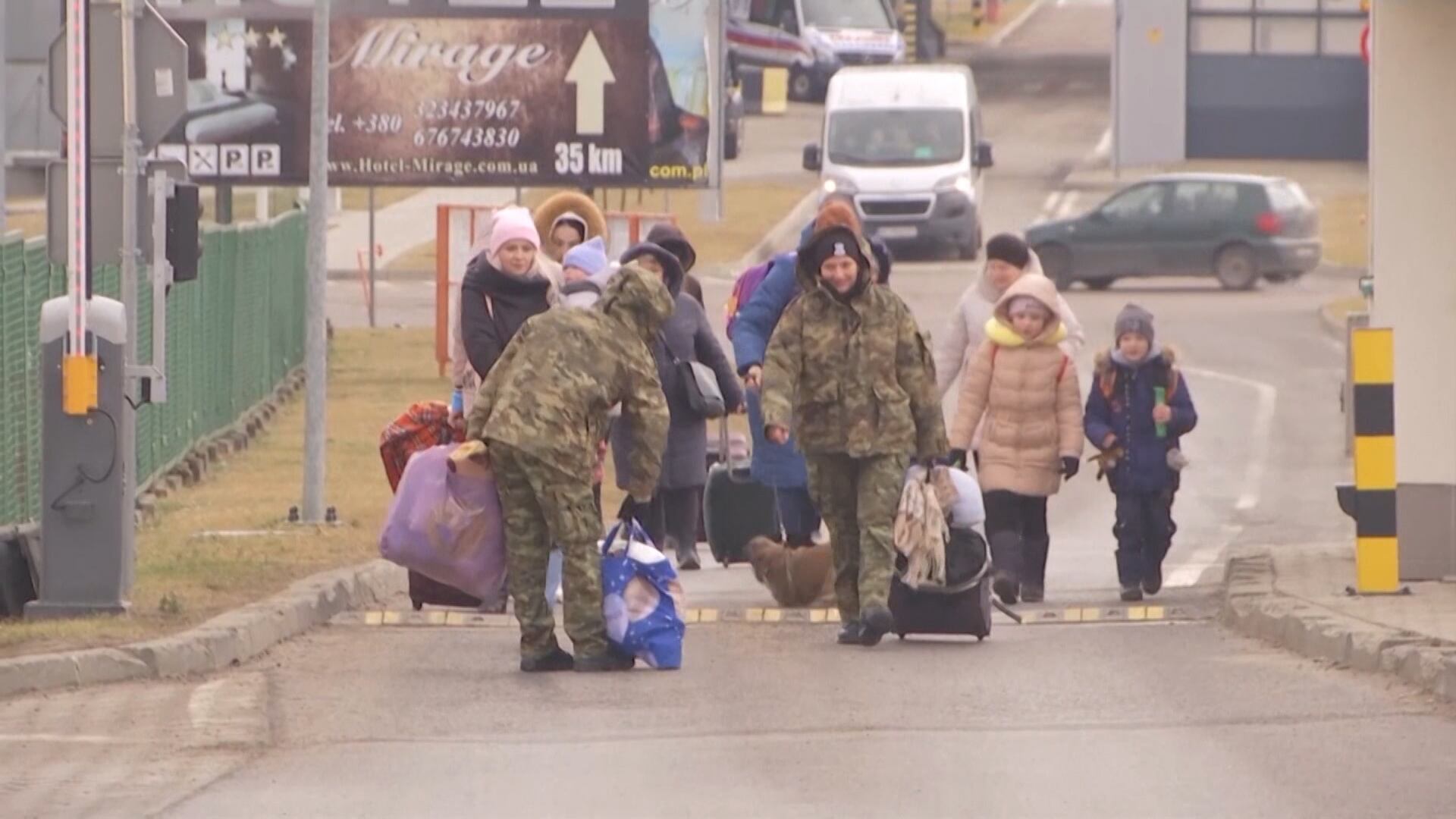
Tens of thousands of people have fled Ukraine in attempts to escape the Russian Invasion. According to the U.N. neighboring countries like Poland, Hungary, and even Romania have seen half a million refugees. While the hospitality is being welcomed by many, it also highlights the mistreatment of migrants and refugees from the Middle East and Africa. Professor of Philosophy and Director of Politics at Northeastern University Serena Parekh, joined Cheddar, to discuss more.
As Russia unleashed war in the country of Ukraine, global leaders have started inflicting punishment on Vladimir Putin's regime via commercial and financial penalties. According to President Joe Biden Putin's aggression is "a flagrant violation of international law and it demands a firm response from the international community".However, the main question is will these sanctions actually work. Partner at Jenner & Block LLP, Rachel Alpert, joined Cheddar to discuss more.