What's the opposite of inflation? Deflation, and that's exactly what happened in December, according to the latest consumer price index (CPI). Prices fell 0.1 percent last month, bringing the year-over-year rate to 6.5 percent, down from a peak of 9.1 percent last June.
Here are the highlights:
Energy contributed the biggest share to the decline, with prices falling 4.5 percent. Under that category, fuel oil saw the biggest drop, falling 16.6 percent.
After energy, automobiles saw the most deflation in December. The price of new vehicles fell 0.1 percent, and the price of used vehicles fell 2.5 percent.
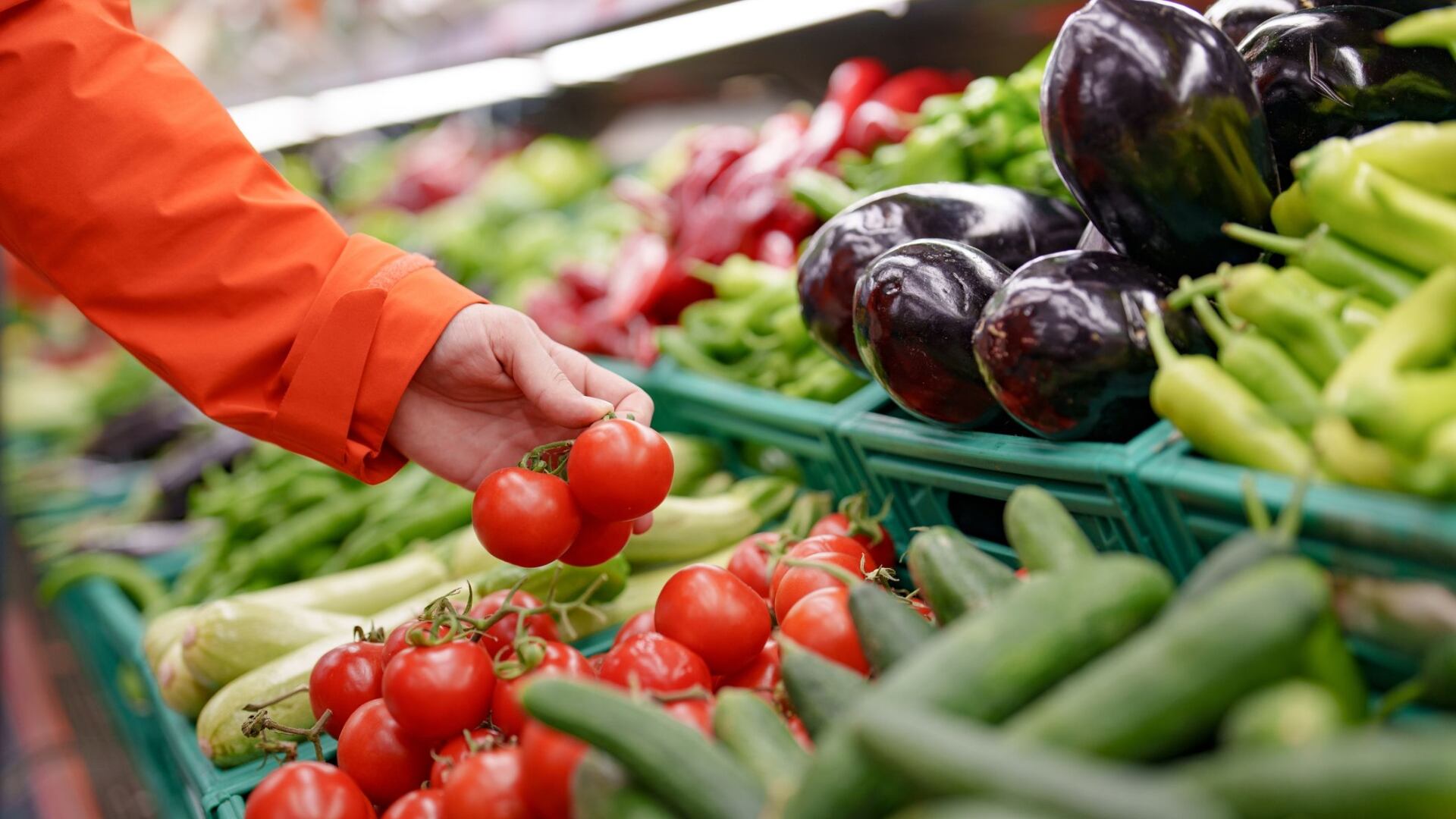
Food prices, meanwhile, ticked up 0.3 percent. That's the smallest increase in the last six months. Shelter costs also jumped a sizable 0.8 percent, up from 0.6 percent in November.
The report comes as a debate rages over whether the U.S. economy can achieve a so-called landing after several large rate hikes from the Federal Reserve. While the central bank has signaled moderation, any shift in the inflation narrative could change its tone.
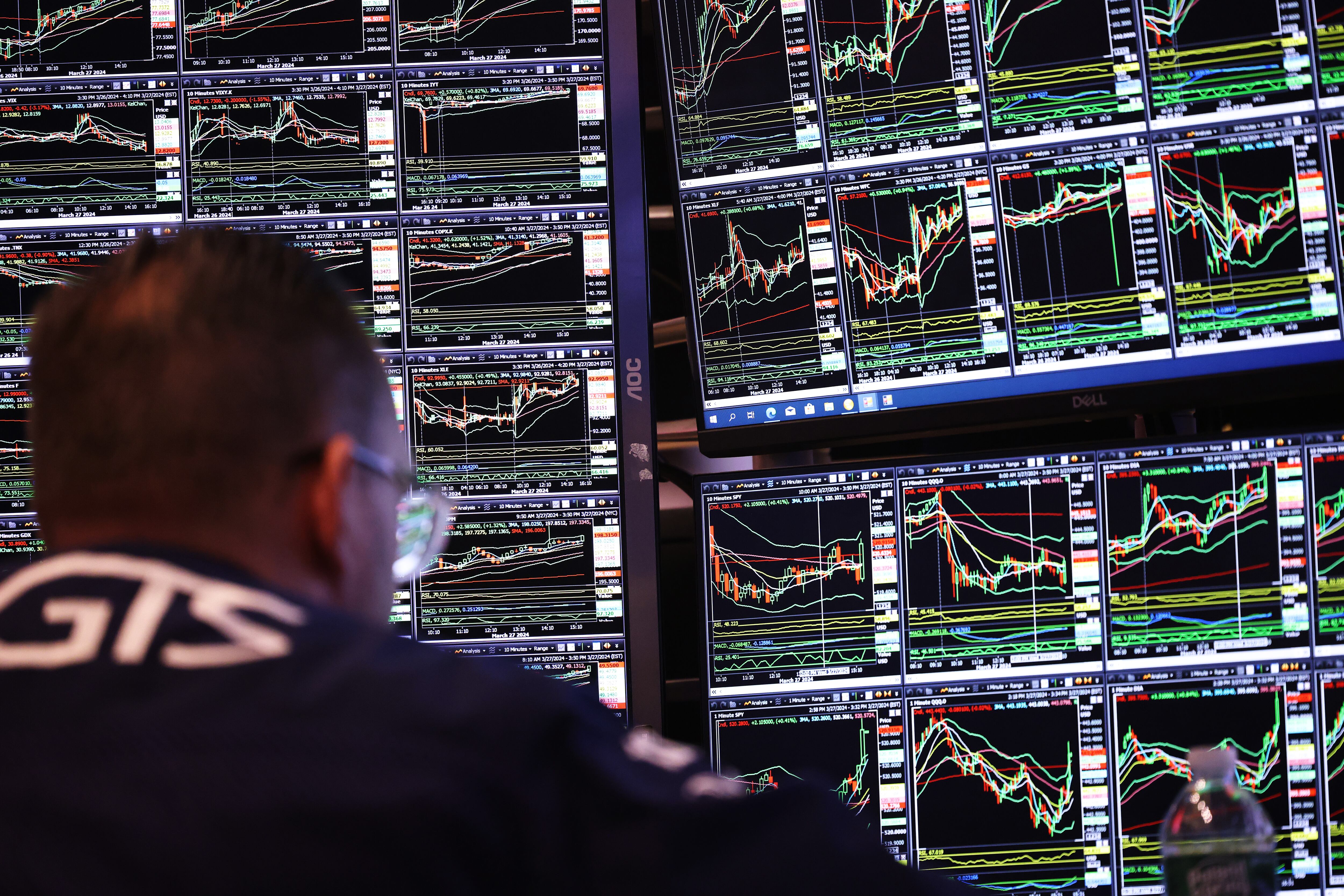
Markets expected and had priced in the CPI drop, however, so it's possible stocks won't move drastically in response to the data. Futures rose slightly after the release.
In April, grocery prices rose by 1.2 percent, reaching pre-pandemic levels of food inflation. Could an e-commerce grocer be the solution? Thrive Market says yes
The Recording Academy CEO, Harvey Mason Jr., sat down with Cheddar to discuss what to expect on Sunday, February 2nd 2025 at the 67th Annual Grammy Awards.
Parsing through the latest news might make it feel impossible to tell how the U.S. economy is doing. This analyst's take? We're in the best case scenario.