What's the opposite of inflation? Deflation, and that's exactly what happened in December, according to the latest consumer price index (CPI). Prices fell 0.1 percent last month, bringing the year-over-year rate to 6.5 percent, down from a peak of 9.1 percent last June.
Here are the highlights:
Energy contributed the biggest share to the decline, with prices falling 4.5 percent. Under that category, fuel oil saw the biggest drop, falling 16.6 percent.
After energy, automobiles saw the most deflation in December. The price of new vehicles fell 0.1 percent, and the price of used vehicles fell 2.5 percent.
Food prices, meanwhile, ticked up 0.3 percent. That's the smallest increase in the last six months. Shelter costs also jumped a sizable 0.8 percent, up from 0.6 percent in November.
The report comes as a debate rages over whether the U.S. economy can achieve a so-called landing after several large rate hikes from the Federal Reserve. While the central bank has signaled moderation, any shift in the inflation narrative could change its tone.
Markets expected and had priced in the CPI drop, however, so it's possible stocks won't move drastically in response to the data. Futures rose slightly after the release.
The housing market shows few signs of busting out of its three-year funk after a disappointing spring season and amid a gloomy outlook for the summer and f
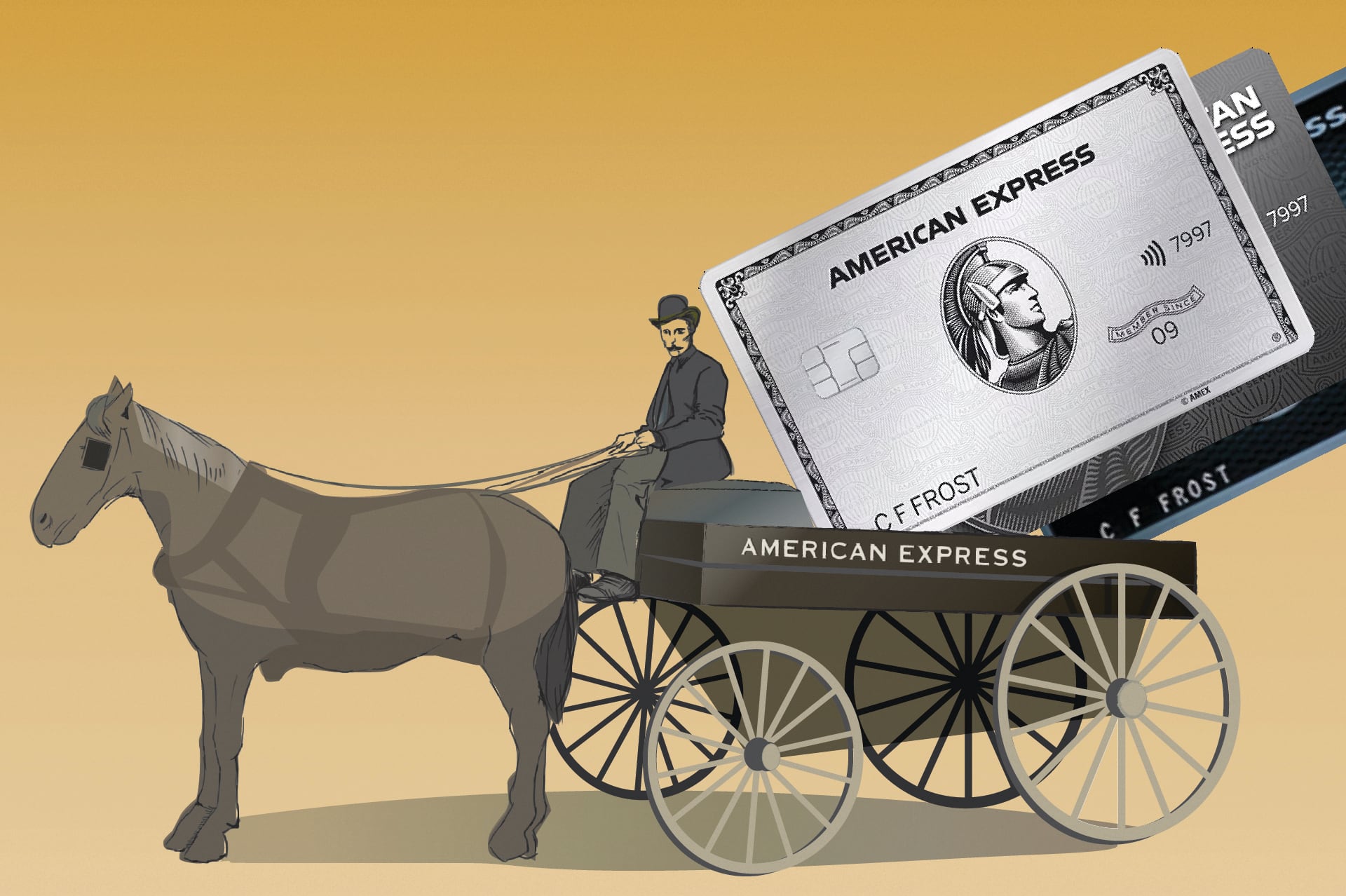
For 30 years Ira Galtman’s job has been to document how American Express went from an express stagecoach company in New York in 1850, to what it is today.
The Good Charcoal Company offers eco-friendly, chemical-free charcoal sourced from Namibian acacia wood, promoting sustainable grilling practices nationwide.
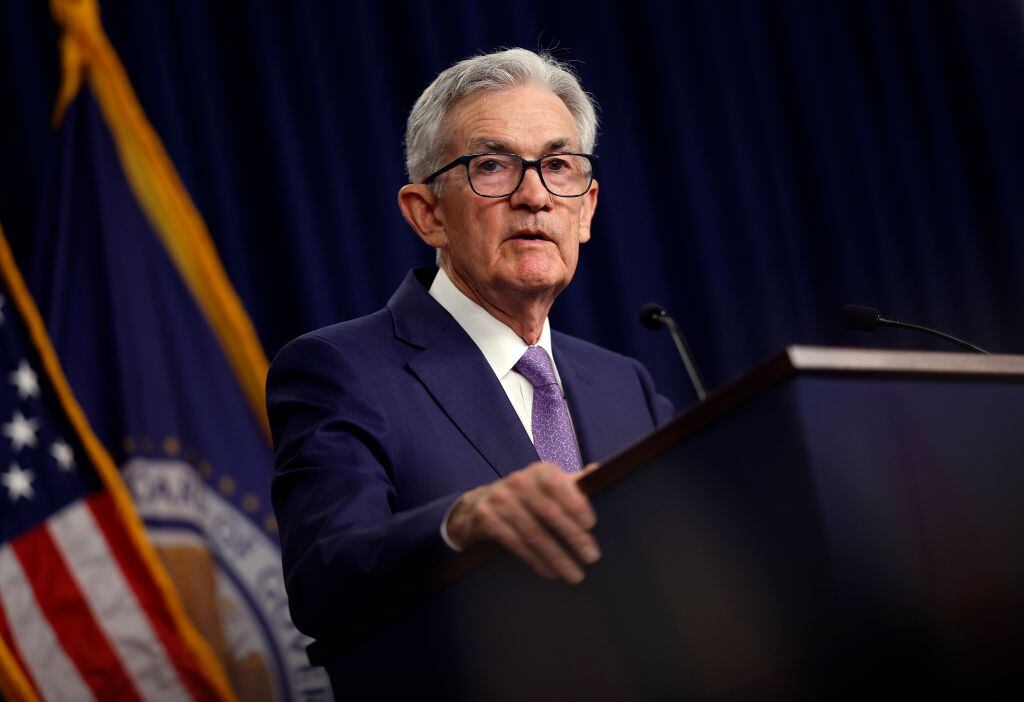
After a few months of positive data, the Fed chair says he’s in no rush to cut rates – and this analyst says inflation could stick around for the near future.