What's the opposite of inflation? Deflation, and that's exactly what happened in December, according to the latest consumer price index (CPI). Prices fell 0.1 percent last month, bringing the year-over-year rate to 6.5 percent, down from a peak of 9.1 percent last June.
Here are the highlights:
Energy contributed the biggest share to the decline, with prices falling 4.5 percent. Under that category, fuel oil saw the biggest drop, falling 16.6 percent.
After energy, automobiles saw the most deflation in December. The price of new vehicles fell 0.1 percent, and the price of used vehicles fell 2.5 percent.
Food prices, meanwhile, ticked up 0.3 percent. That's the smallest increase in the last six months. Shelter costs also jumped a sizable 0.8 percent, up from 0.6 percent in November.
The report comes as a debate rages over whether the U.S. economy can achieve a so-called landing after several large rate hikes from the Federal Reserve. While the central bank has signaled moderation, any shift in the inflation narrative could change its tone.
Markets expected and had priced in the CPI drop, however, so it's possible stocks won't move drastically in response to the data. Futures rose slightly after the release.
Walmart, which became the nation’s largest retailer by making low prices a priority, has found itself in a place it’s rarely been: Warning customers that prices will rise for goods ranging from bananas to car seats.
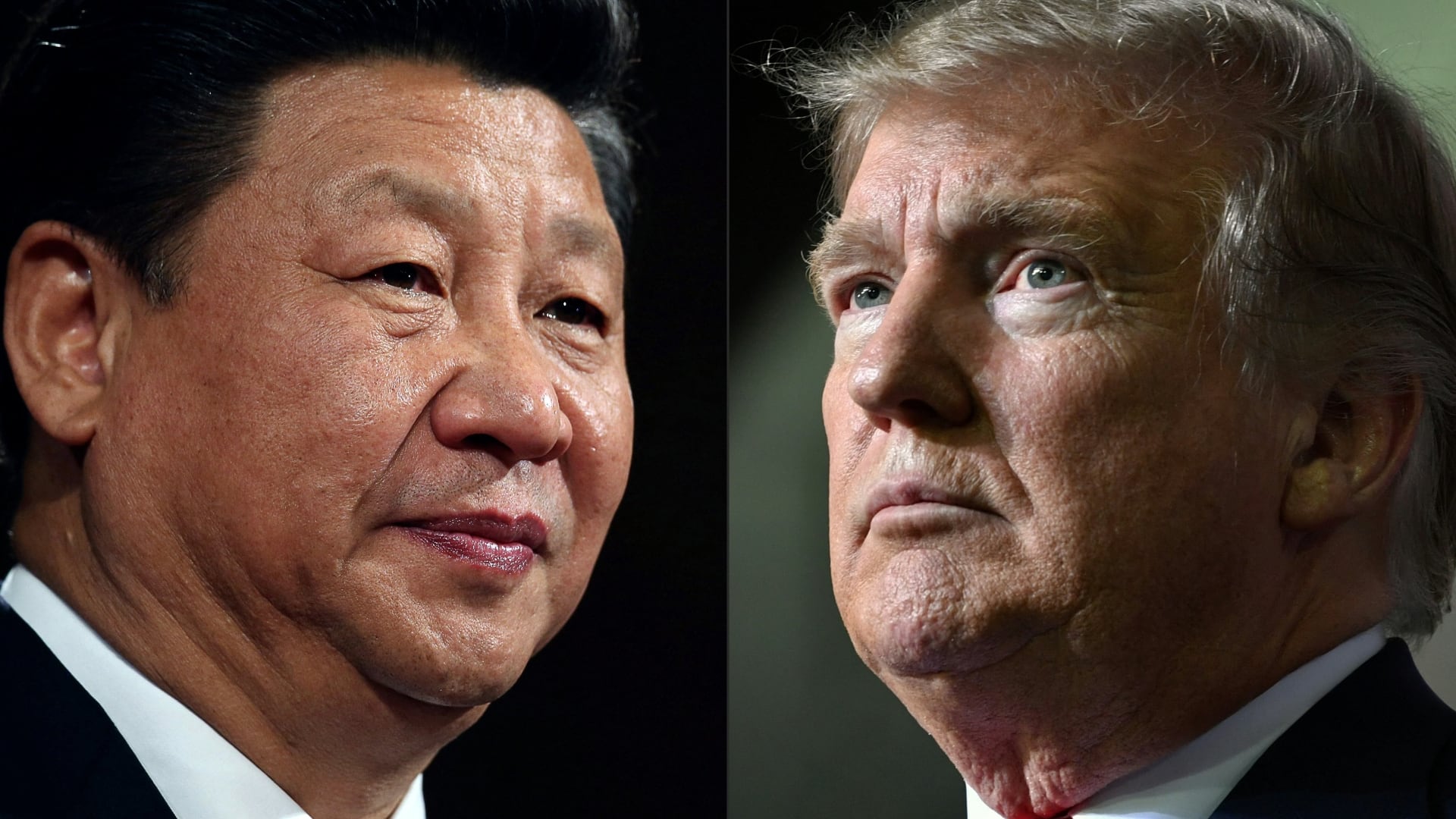
Chris Beauchamp, Chief Market Analyst at IG International, joins J.D. Durkin to give analysis on the recent trade truce between the U.S. and China. Watch!
Shan Aggarwal, VP of Corporate and Business Development at Coinbase, discusses the company's acquisitio of Deribit as it heads into the S&P 500. Watch!
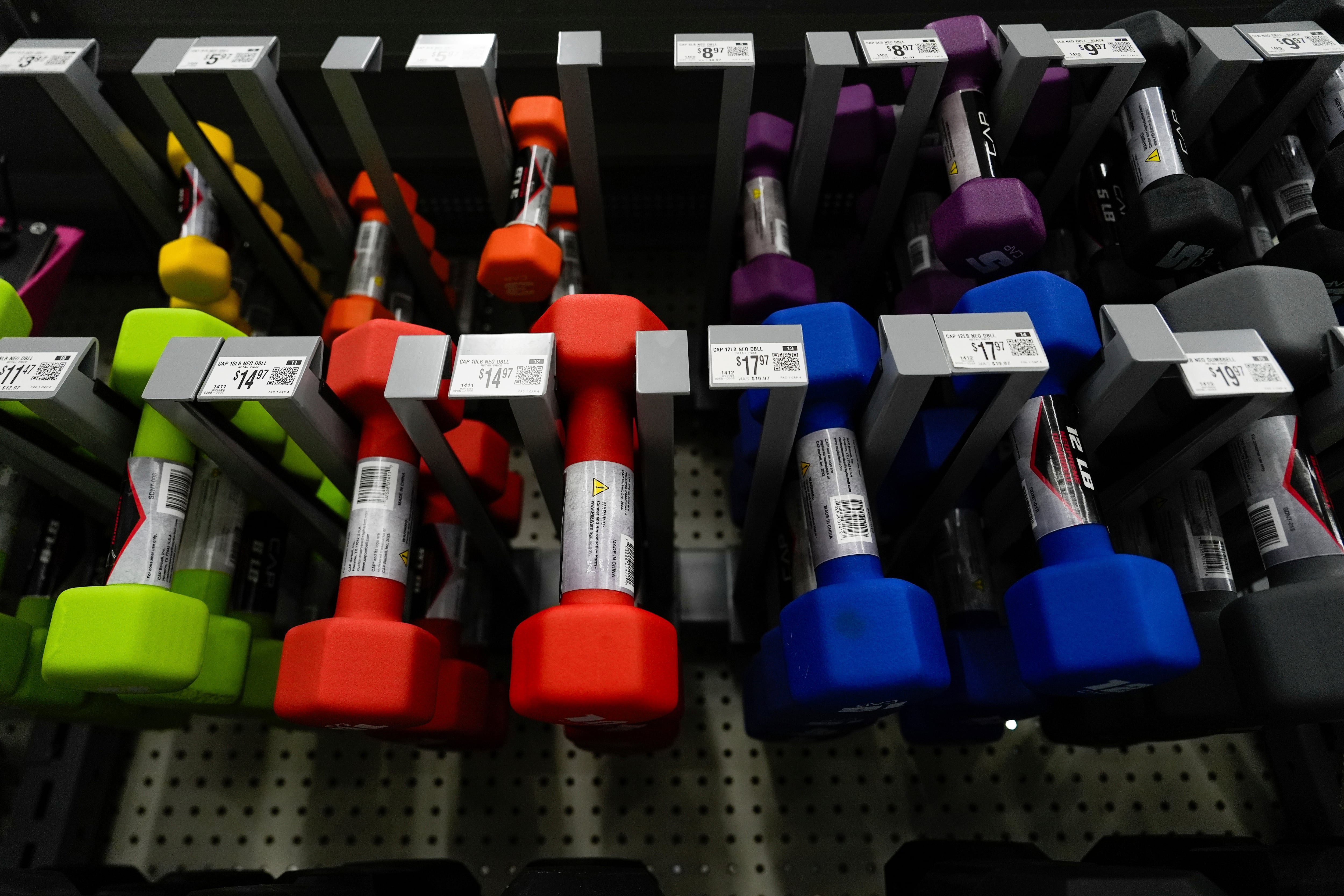
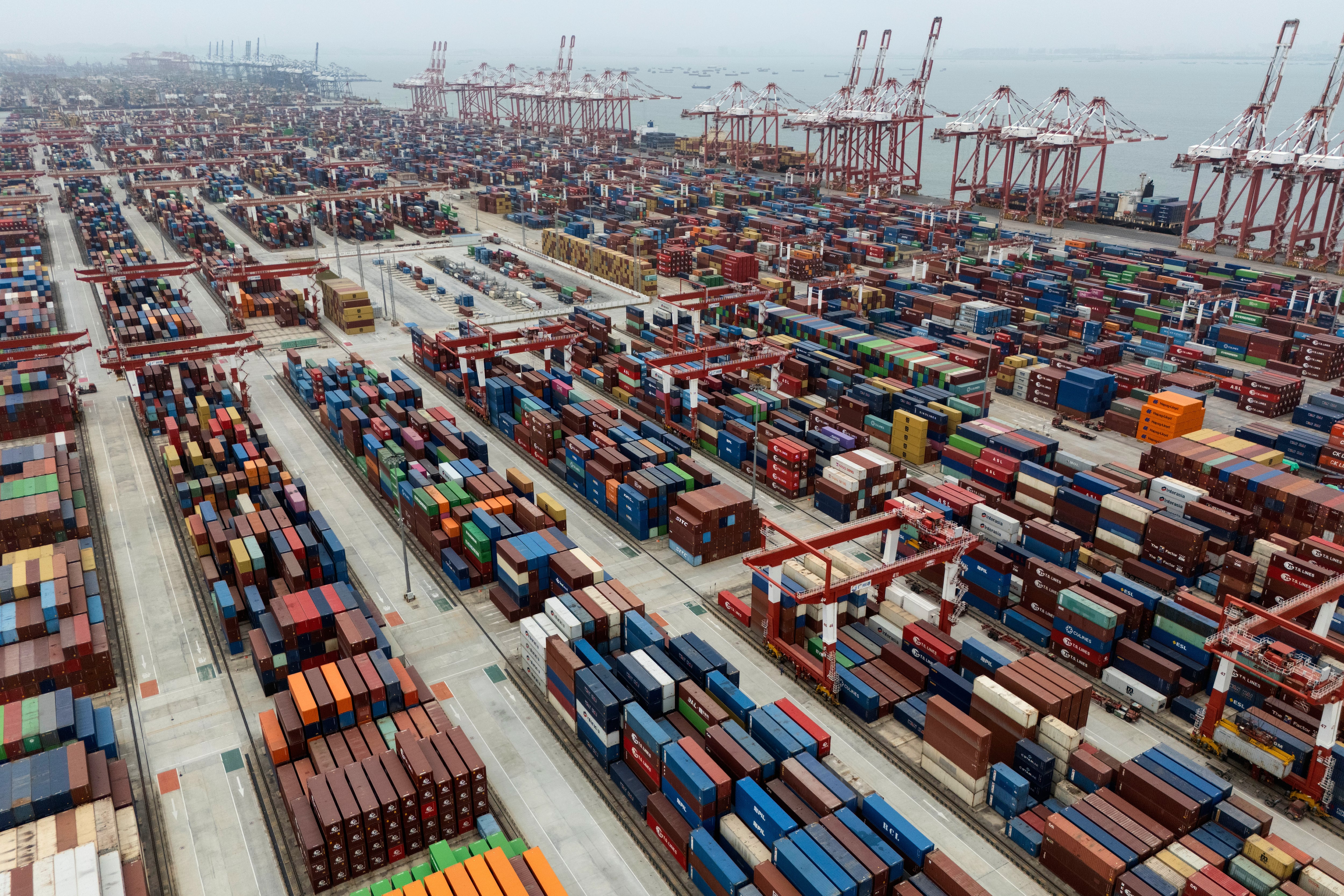
American businesses that rely on Chinese goods are reacting with muted relief after the U.S. and China agreed to pause their exorbitant tariffs on each other’s products for 90 days. Many companies delayed or canceled orders after President Donald Trump last month put a 145% tariff on items made in China. Importers still face relatively high tariffs, however, as well as uncertainty over what will happen in the coming weeks and months. The temporary truce was announced as retailers and their suppliers are looking to finalize their plans and orders for the holiday shopping season. They’re concerned a mad scramble to get goods onto ships will lead to bottlenecks and increased shipping costs.
Shopping expert Trae Bodge discusses how talks between the U.S. and China is good news for now, but uncertainty remains for back-to-school and the holidays.
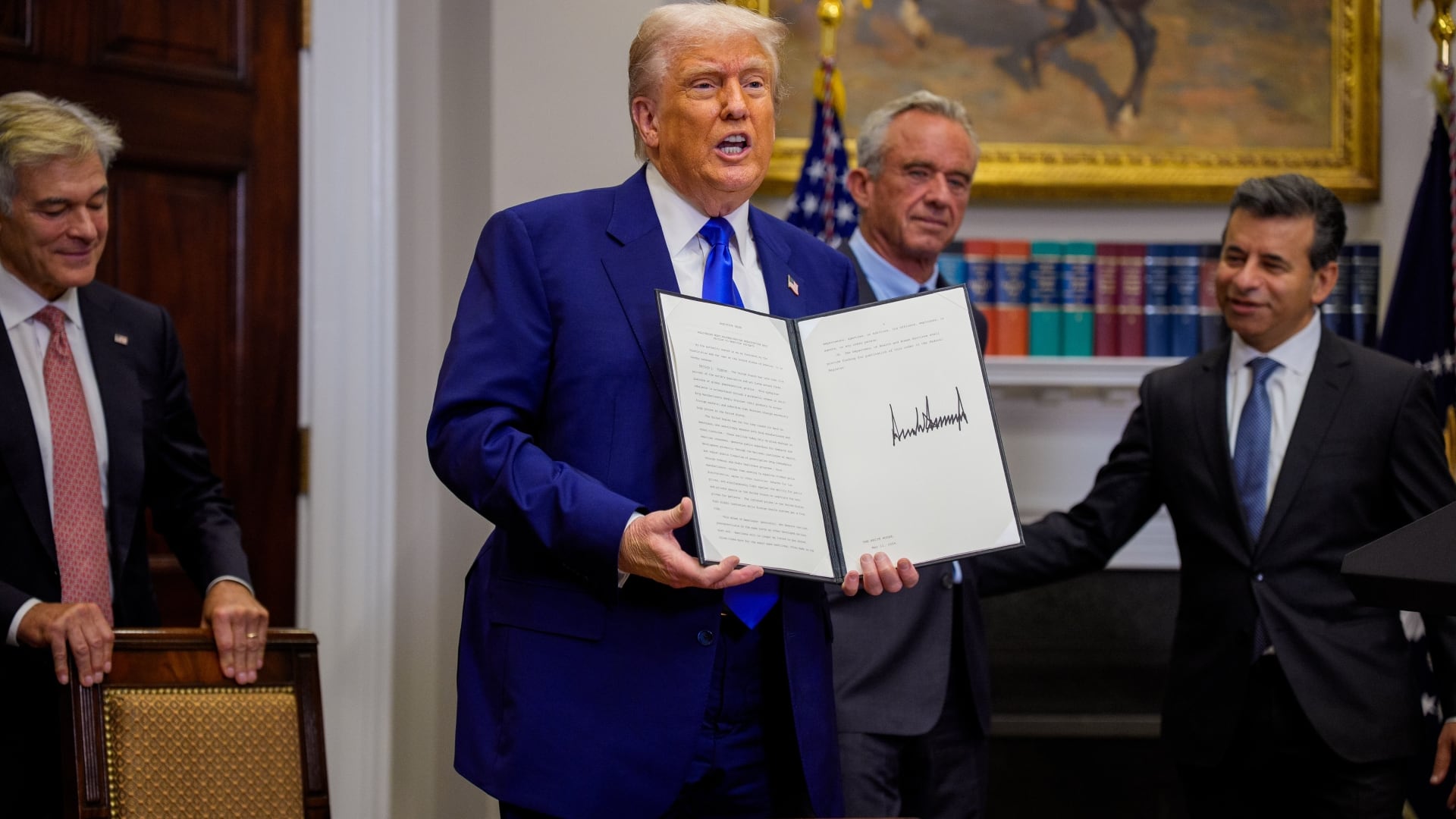
Jake Traylor, White House reporter at Politico, joins Cheddar to discuss how Trump is aiming to lower drug prices and how it differs from Biden's approach.