What's the opposite of inflation? Deflation, and that's exactly what happened in December, according to the latest consumer price index (CPI). Prices fell 0.1 percent last month, bringing the year-over-year rate to 6.5 percent, down from a peak of 9.1 percent last June.
Here are the highlights:
Energy contributed the biggest share to the decline, with prices falling 4.5 percent. Under that category, fuel oil saw the biggest drop, falling 16.6 percent.
After energy, automobiles saw the most deflation in December. The price of new vehicles fell 0.1 percent, and the price of used vehicles fell 2.5 percent.
Food prices, meanwhile, ticked up 0.3 percent. That's the smallest increase in the last six months. Shelter costs also jumped a sizable 0.8 percent, up from 0.6 percent in November.
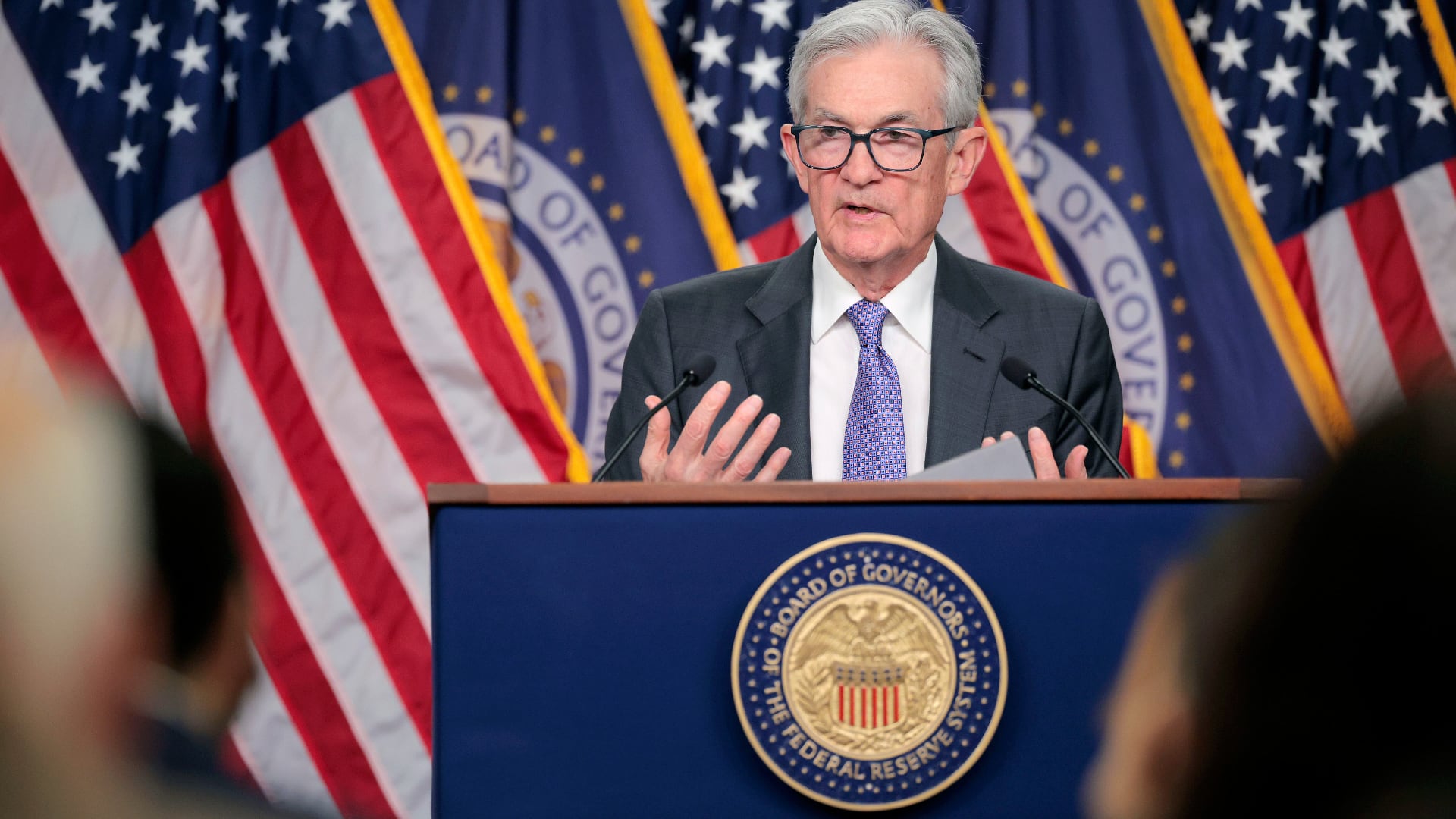
The report comes as a debate rages over whether the U.S. economy can achieve a so-called landing after several large rate hikes from the Federal Reserve. While the central bank has signaled moderation, any shift in the inflation narrative could change its tone.
Markets expected and had priced in the CPI drop, however, so it's possible stocks won't move drastically in response to the data. Futures rose slightly after the release.
AI, BNPL and new digital tools are reshaping holiday shopping. PayPal’s Michelle Gill shares survey insights, tech trends, and tips for smarter spending in 2025
'The Chair Company' blends sharp satire with workplace conspiracy. Lake Bell joins us to talk its corporate themes, quirky characters, and why viewers love it!
It's a tough time for the job market. Amid wider economic uncertainty, some analysts have said that businesses are at a “no-hire, no fire” standstill. At the same time, some sizeable layoffs have continued to pile up — raising worker anxieties across sectors. Some companies have pointed to rising operational costs due to U.S.'s new tariffs, while others have redirected money to artificial intelligence investments. Workers in the public sector have also been hit hard. Federal jobs were cut by the thousands earlier this year. And many workers are now going without pay as the U.S. government shutdown has now dragged on for more than a month.
Nvidia smashes earnings with record-breaking revenue and soaring Blackwell demand as shares slip this morning, Barron’s senior writer Adam Levine unpacks it all
Jeff Wagoner, CEO of Outrigger Hospitality Group, discusses the company’s coral preservation initiatives and sustainable practices at their hotels and resorts.
Dena Jalbert, Head of M&A at Align Advisory, discusses the state of mergers and acquisitions in 2025 and beyond, highlighting key trends and opportunities.
Kim Perell, author and entrepreneur, shares actionable tips and tricks to help current and aspiring entrepreneurs kick off 2026 with confidence and momentum.