What's the opposite of inflation? Deflation, and that's exactly what happened in December, according to the latest consumer price index (CPI). Prices fell 0.1 percent last month, bringing the year-over-year rate to 6.5 percent, down from a peak of 9.1 percent last June.
Here are the highlights:
Energy contributed the biggest share to the decline, with prices falling 4.5 percent. Under that category, fuel oil saw the biggest drop, falling 16.6 percent.
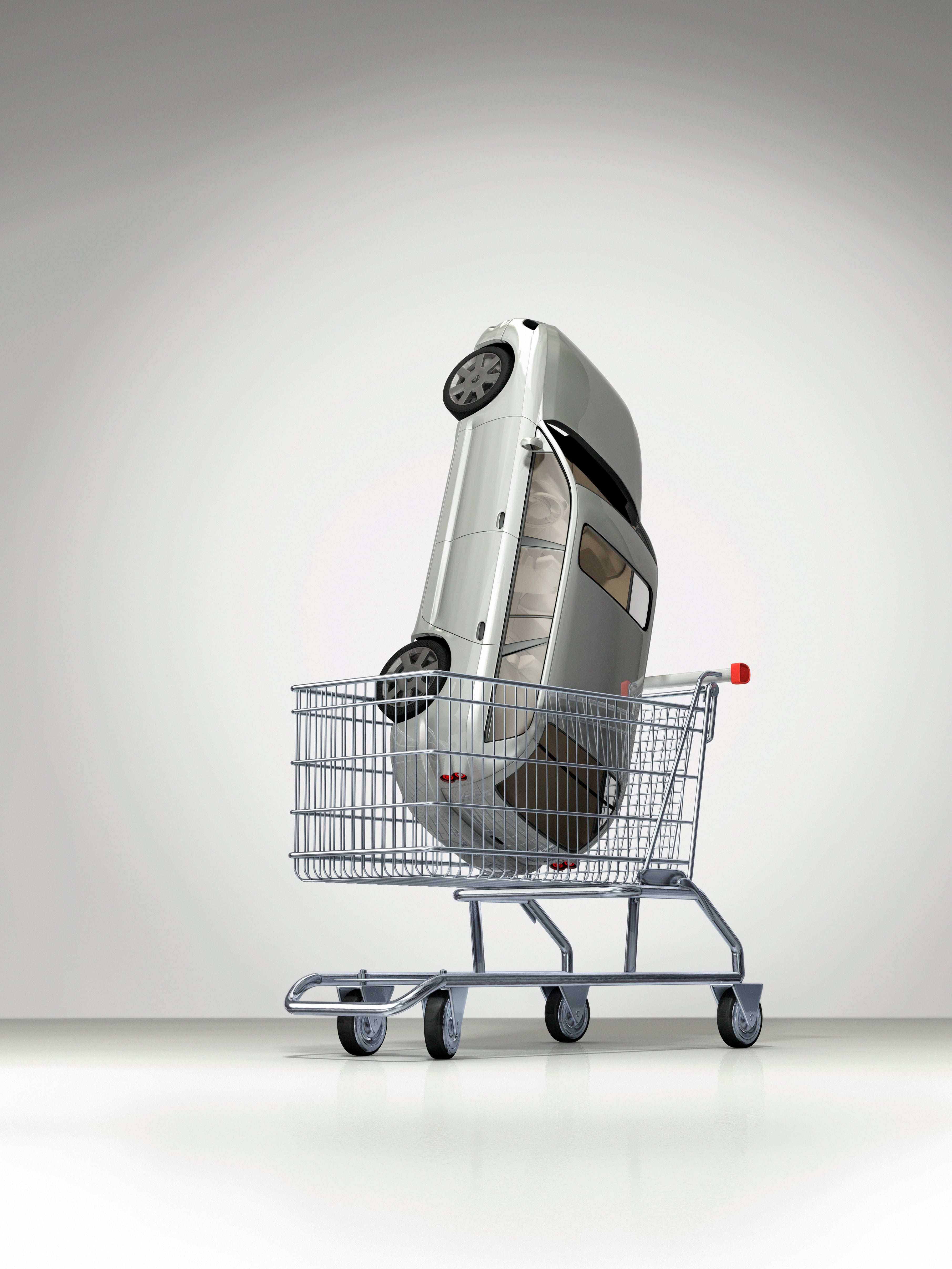
After energy, automobiles saw the most deflation in December. The price of new vehicles fell 0.1 percent, and the price of used vehicles fell 2.5 percent.
Food prices, meanwhile, ticked up 0.3 percent. That's the smallest increase in the last six months. Shelter costs also jumped a sizable 0.8 percent, up from 0.6 percent in November.
The report comes as a debate rages over whether the U.S. economy can achieve a so-called landing after several large rate hikes from the Federal Reserve. While the central bank has signaled moderation, any shift in the inflation narrative could change its tone.
Markets expected and had priced in the CPI drop, however, so it's possible stocks won't move drastically in response to the data. Futures rose slightly after the release.
Jack Ablin, Cresset Capital founding partner and CIO, breaks down the current market, from all eyes on Nvidia’s earnings to what sectors he’s seen deliver excellent returns.
Alberto Perlman, CEO of Zumba, shares what users can find on its new app, the demand for in-person fitness classes, and the secret to remaining a go-to exercise brand for decades.
Jamie Meyers, Senior Securities Analyst from Laffer Tengler Investments, discusses why he believes the rally will widen to small cap stocks and how the latest economic data is impacting his strategy.