What's the opposite of inflation? Deflation, and that's exactly what happened in December, according to the latest consumer price index (CPI). Prices fell 0.1 percent last month, bringing the year-over-year rate to 6.5 percent, down from a peak of 9.1 percent last June.
Here are the highlights:
Energy contributed the biggest share to the decline, with prices falling 4.5 percent. Under that category, fuel oil saw the biggest drop, falling 16.6 percent.
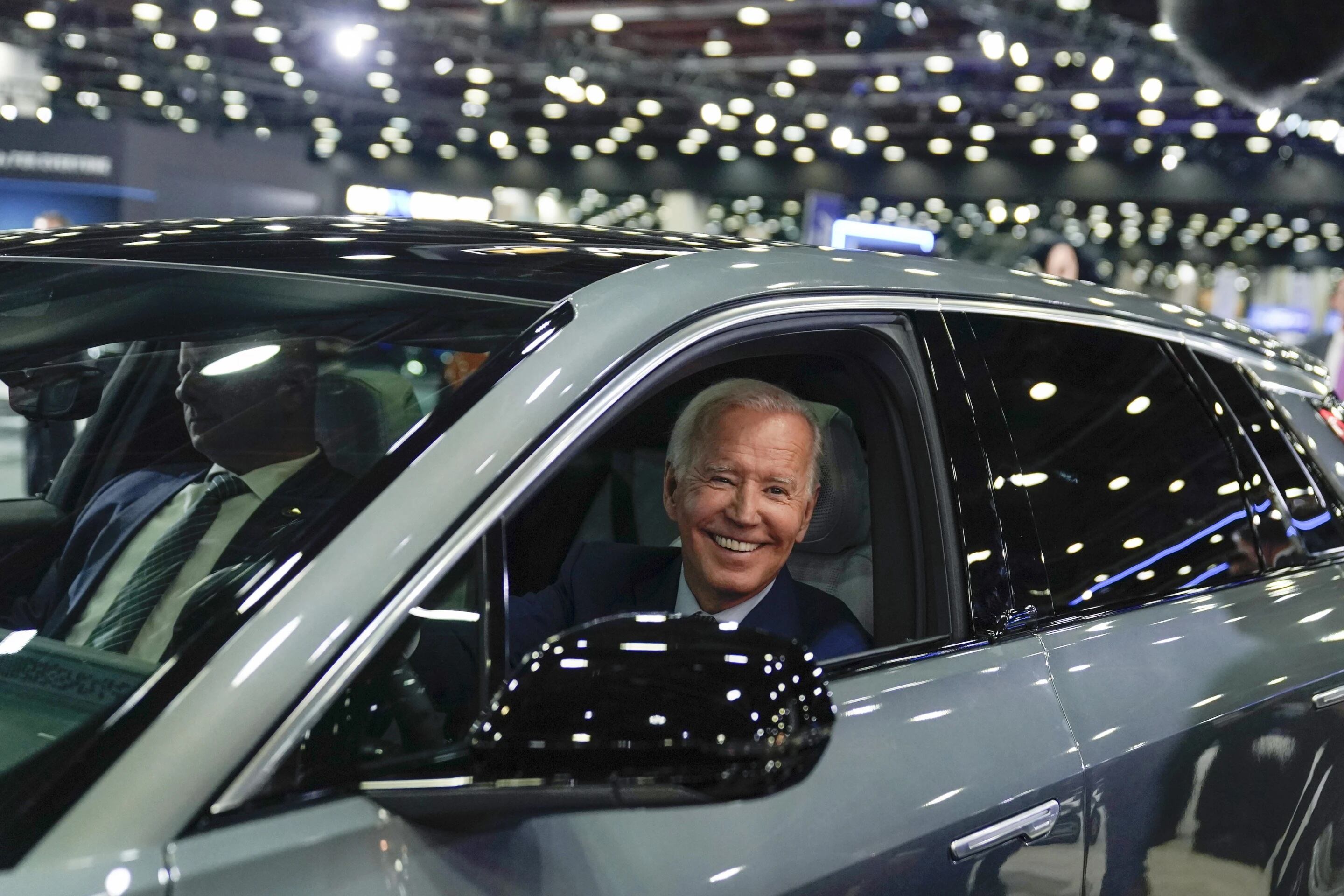
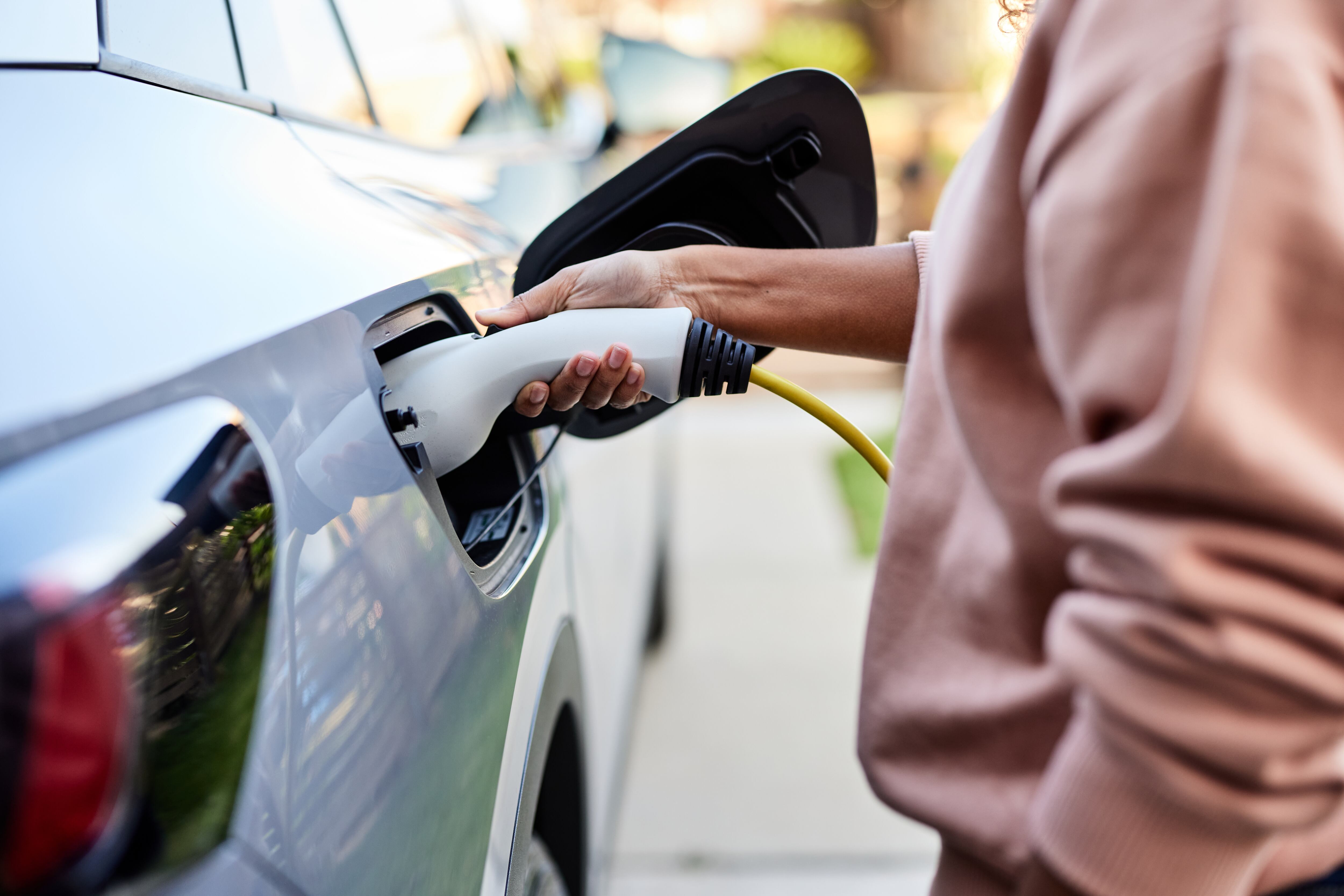
After energy, automobiles saw the most deflation in December. The price of new vehicles fell 0.1 percent, and the price of used vehicles fell 2.5 percent.
Food prices, meanwhile, ticked up 0.3 percent. That's the smallest increase in the last six months. Shelter costs also jumped a sizable 0.8 percent, up from 0.6 percent in November.
The report comes as a debate rages over whether the U.S. economy can achieve a so-called landing after several large rate hikes from the Federal Reserve. While the central bank has signaled moderation, any shift in the inflation narrative could change its tone.
Markets expected and had priced in the CPI drop, however, so it's possible stocks won't move drastically in response to the data. Futures rose slightly after the release.
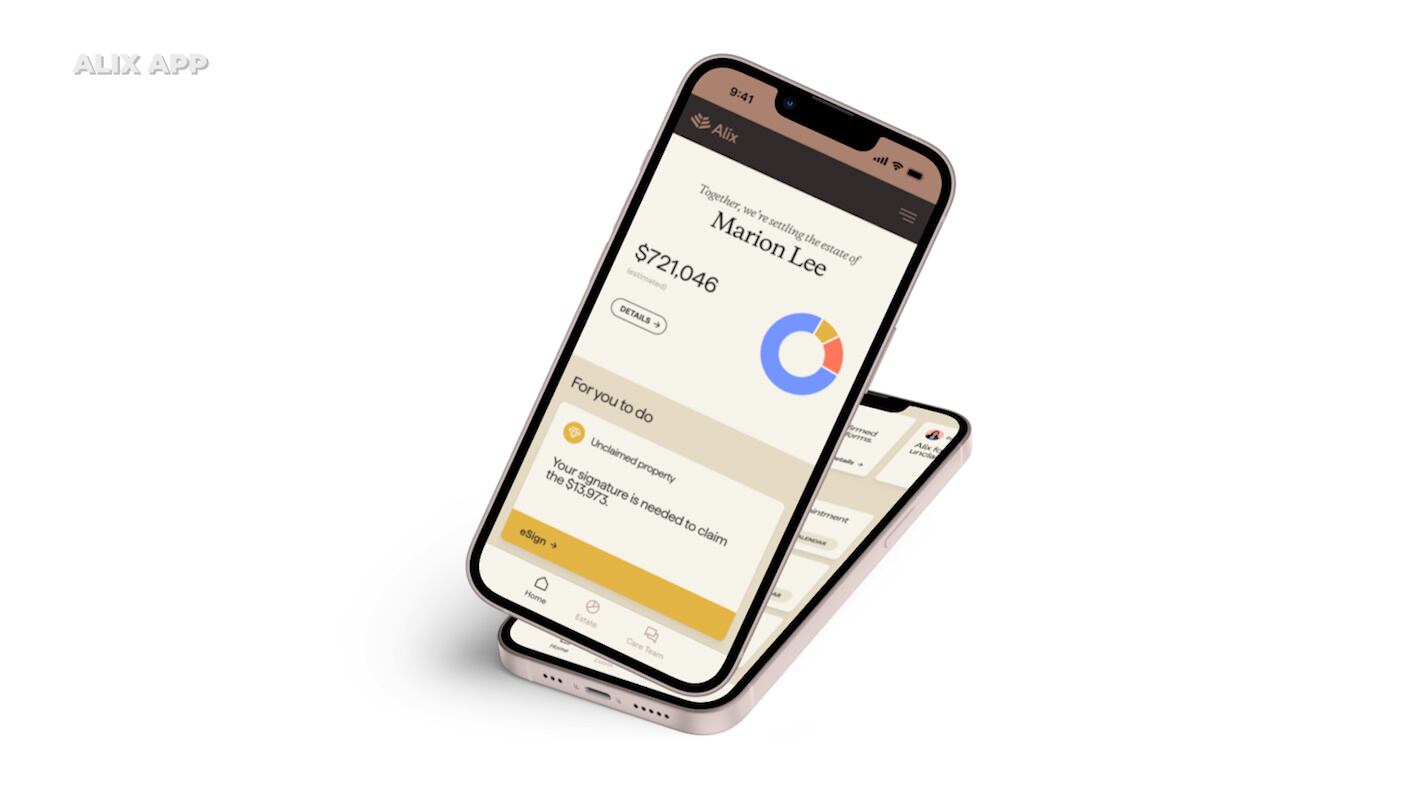
CEO and co-founder of Alix, Alexandra Mysoor, discusses why it’s so important for everyone, regardless of income, to both plan and settle their estates.
After the Fed forecast three cuts to come in 2024, Kevin D. Mahn, President and CIO at Hennion & Walsh Asset Management breaks down why the market looks strong, and he sees some reasons for concern in Reddit’s choice to IPO.
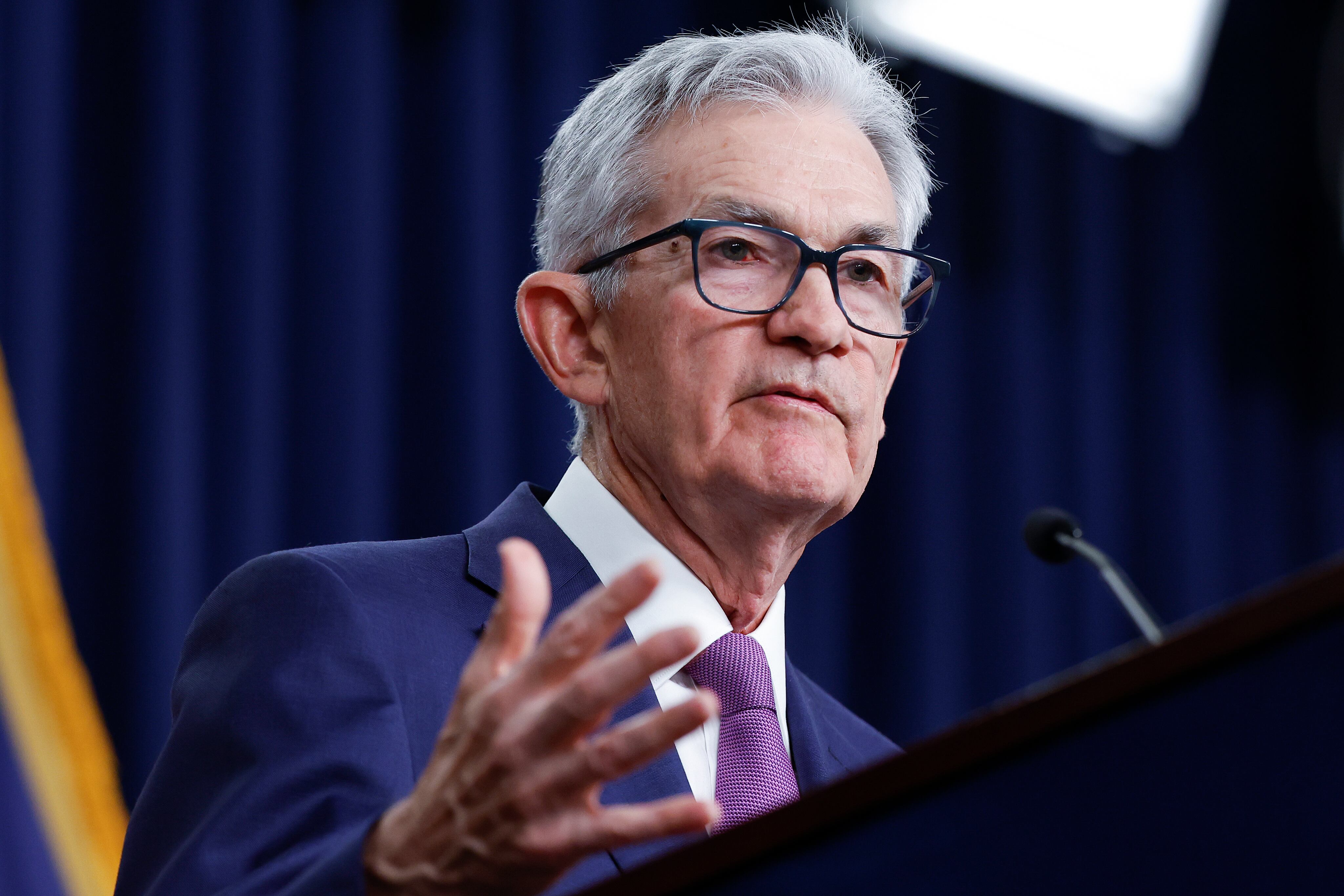
Federal Reserve officials signaled that they still expect to cut their key interest rate three times in 2024 despite signs that inflation was surprisingly high at the start of the year.
Brad Bernstein, managing director at UBS Private Wealth Management breaks down the state of the U.S. economy and what to expect from Fed policy from the rest of the year.