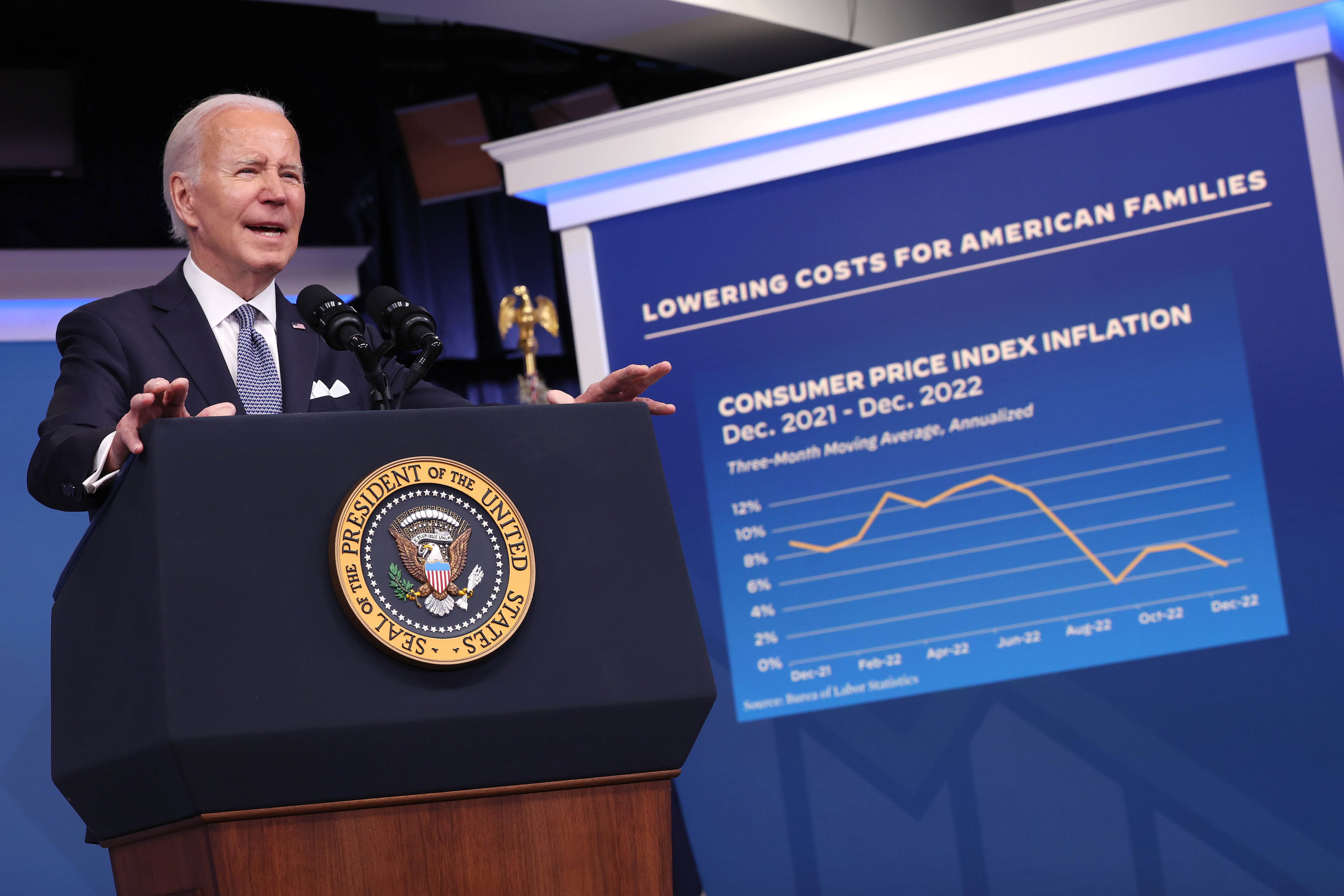
What's the opposite of inflation? Deflation, and that's exactly what happened in December, according to the latest consumer price index (CPI). Prices fell 0.1 percent last month, bringing the year-over-year rate to 6.5 percent, down from a peak of 9.1 percent last June.
Here are the highlights:
Energy contributed the biggest share to the decline, with prices falling 4.5 percent. Under that category, fuel oil saw the biggest drop, falling 16.6 percent.
After energy, automobiles saw the most deflation in December. The price of new vehicles fell 0.1 percent, and the price of used vehicles fell 2.5 percent.
Food prices, meanwhile, ticked up 0.3 percent. That's the smallest increase in the last six months. Shelter costs also jumped a sizable 0.8 percent, up from 0.6 percent in November.
The report comes as a debate rages over whether the U.S. economy can achieve a so-called landing after several large rate hikes from the Federal Reserve. While the central bank has signaled moderation, any shift in the inflation narrative could change its tone.
Markets expected and had priced in the CPI drop, however, so it's possible stocks won't move drastically in response to the data. Futures rose slightly after the release.
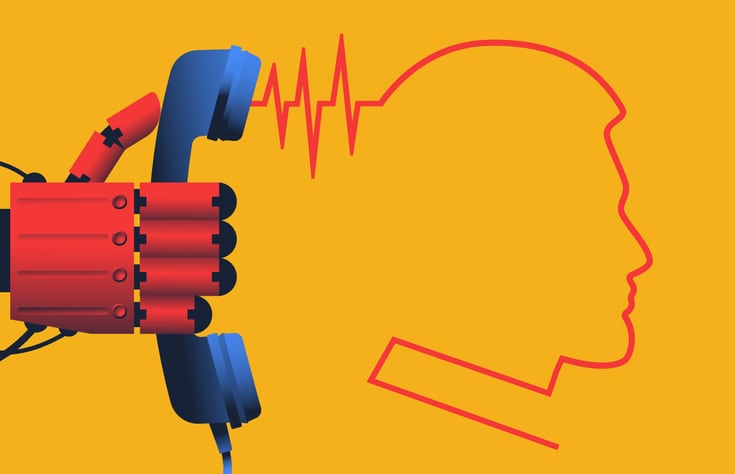
Whether it’s a deepfake video of actor Tom Cruise discovering gum in a lollipop or President Joe Biden discouraging people from voting via telephone, you’ve likely come across a deepfake video, photo or audio recording.
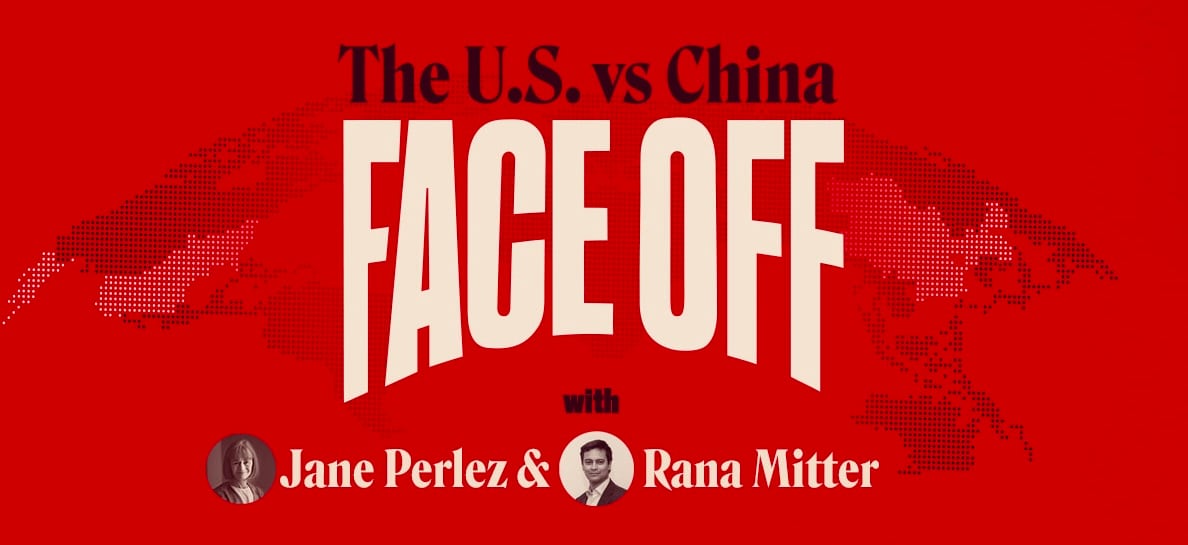
Tensions in the South China Sea, Apple moving to India, and banning TikTok? The podcast ‘Face Off: The U.S. Versus China’ helps explain how we got here.
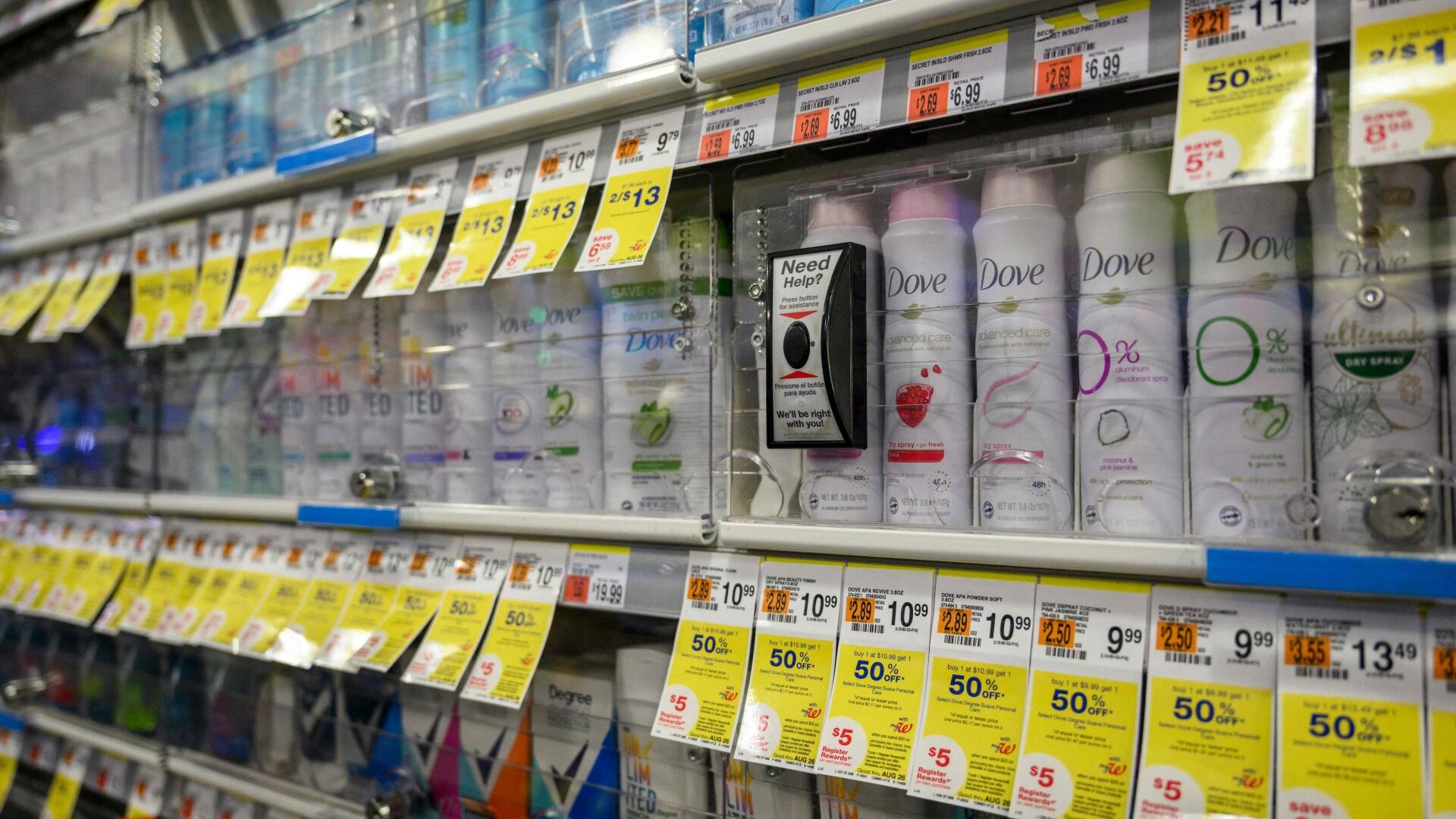
Cust2Mate is a leading innovator in retail technology, aiming to revolutionize the shopping experience. By implementing smart cart technology, the tech company addresses the issue of theft while enhancing the shopper's journey.
The Biden administration has unveiled a plan, Plan B, to address the student loan debt crisis. It offers to cancel up to $20,000 in interest for borrowers enrolled in income-driven repayment plans. This proposal aims to reset balances for those facing growing debt due to unpaid interest, benefiting low—and middle-income borrowers. An estimated 25 million borrowers are eligible for some form of interest forgiveness.
As we head into the second quarter, there’s an argument in favor of buying Boeing stock. Why? As one expert says, ‘there’s nowhere else to get planes.’
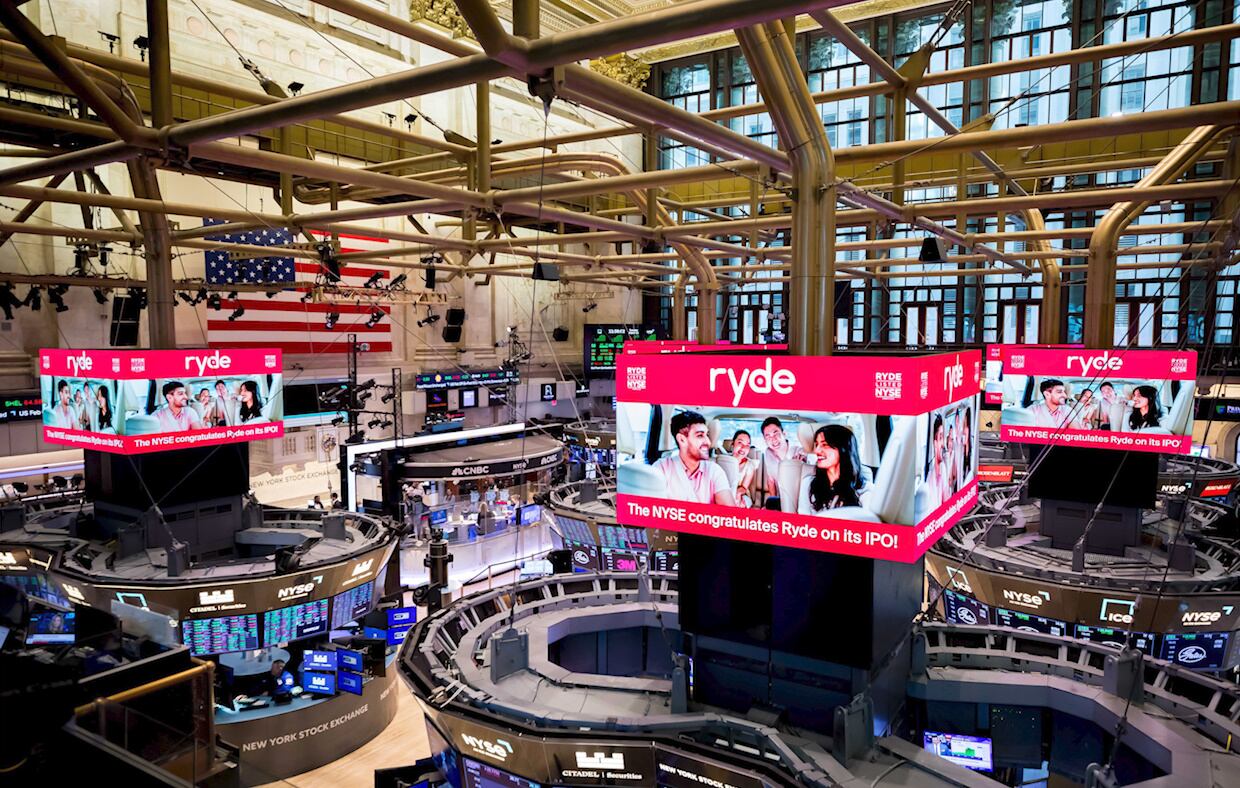
With inflation and prices still on the rise, it might be worth considering a carpool app. One of them, Singapore-based Ryde, just went public in the U.S.