CuriosityStream, a streaming platform for non-fiction content like historical documentaries and science explainers, became the latest tech company this week to go public via an increasingly popular SPAC merger.
The reverse merger with Software Acquisition Group values CuriosityStream, which is a sponsor of Cheddar, at about $330 million. The newly public company will trade on the Nasdaq under the ticker 'CURI.'
The decision to go the SPAC route rather than raising capital via a traditional IPO came down to a question of speed and efficiency, said CuriosityStream CEO Clint Stinchcomb. He told Cheddar on Wednesday that the influx of capital from the reverse merger will act as a "tremendous accelerant" as the company continues to scale its content and programming reach.
"Our vision has always been to take CuriosityStream to hundreds of millions of global subscribers," Stinchcomb said.
CuriosityStream is betting that a focus on high-quality documentary-style content — what the company's founder coined as "factual media" — can help the streamer stand out in the increasingly crowded realm of streaming platforms. Indeed, the bet appears to be working. Stinchcomb said the company added more subscribers in Q1 of 2020 than it did in its first two years of existence, and that its "churn," or attrition rate, was at 2.5 percent and dropping. In other words, the vast majority of subscribers are sticking with the platform. (He did not disclose how many paying subscribers the platform has.)
The bet itself is rather simple: as other, more capitalized, streaming networks spend billions on content, including relatively inexpensive but low-quality reality TV, and others go niche, CuriosityStream believes it can stand out as an option for customers who want to engage with more educational video content that is "programmed to the full category of factual." Whether that means a documentary on Abraham Lincoln or an engineering-focused show about how machines work, Stinchcomb said he believes CuriosityStream can own that "factual" space in the crowded streaming pool.
The "Field of Dreams mentality," as he put it — the idea that if you just build a streaming network without a specific content strategy viewers will still flock to it — is not CuriosityStream's business model.
"Day in, day out, consistent work," he said. "That's what's required today."
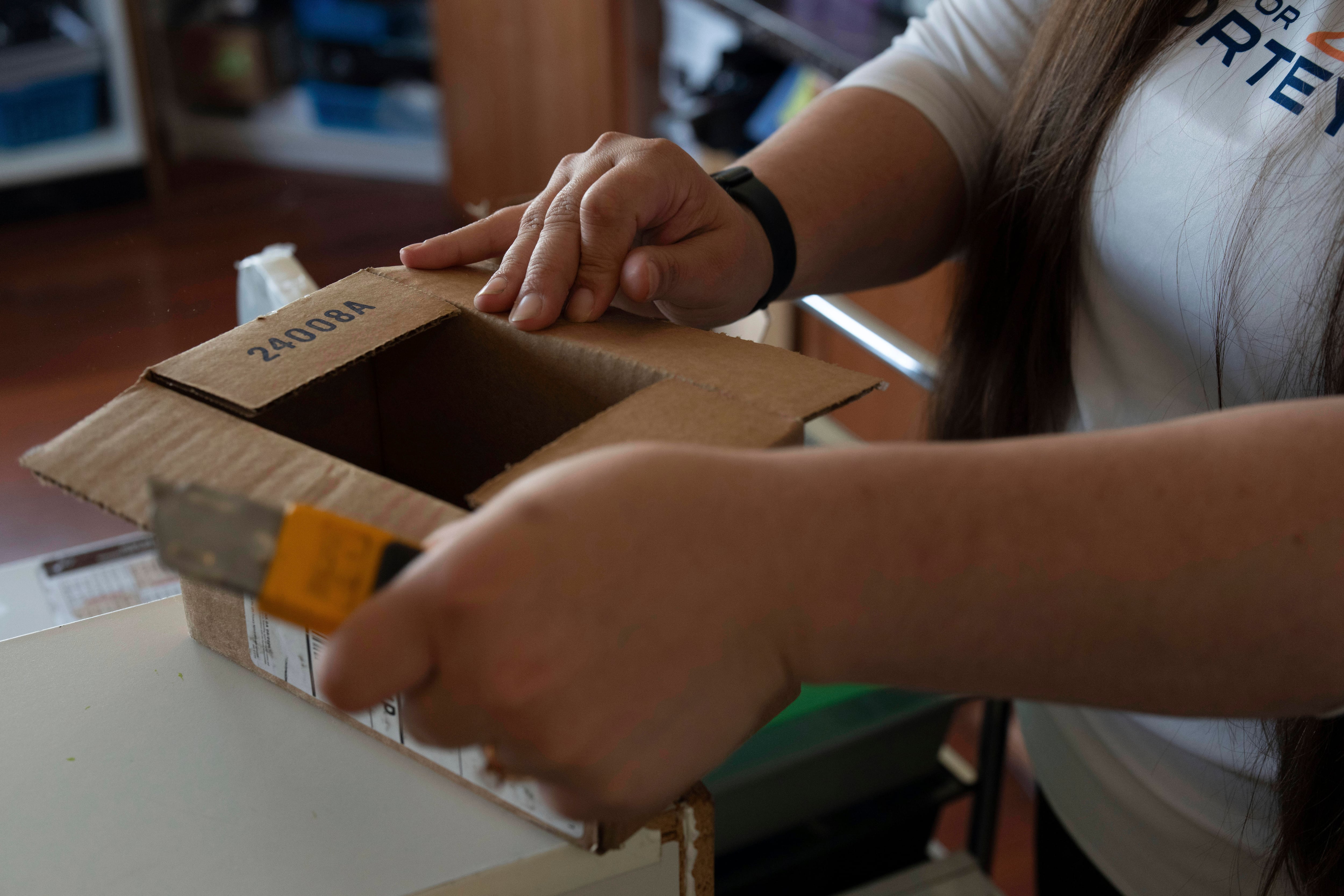
Low-value imports are losing their duty-free status in the U.S. this week as part of President Donald Trump's agenda for making the nation less dependent on foreign goods. A widely used customs exemption for international shipments worth $800 or less is set to end starting on Friday. Trump already ended the “de minimis” rule for inexpensive items sent from China and Hong Kong, but having to pay import taxes on small parcels from everywhere else likely will be a big change for some small businesses and online shoppers. Purchases that previously entered the U.S. without needing to clear customs will be subject to the origin country’s tariff rate, which can range from 10% to 50%.
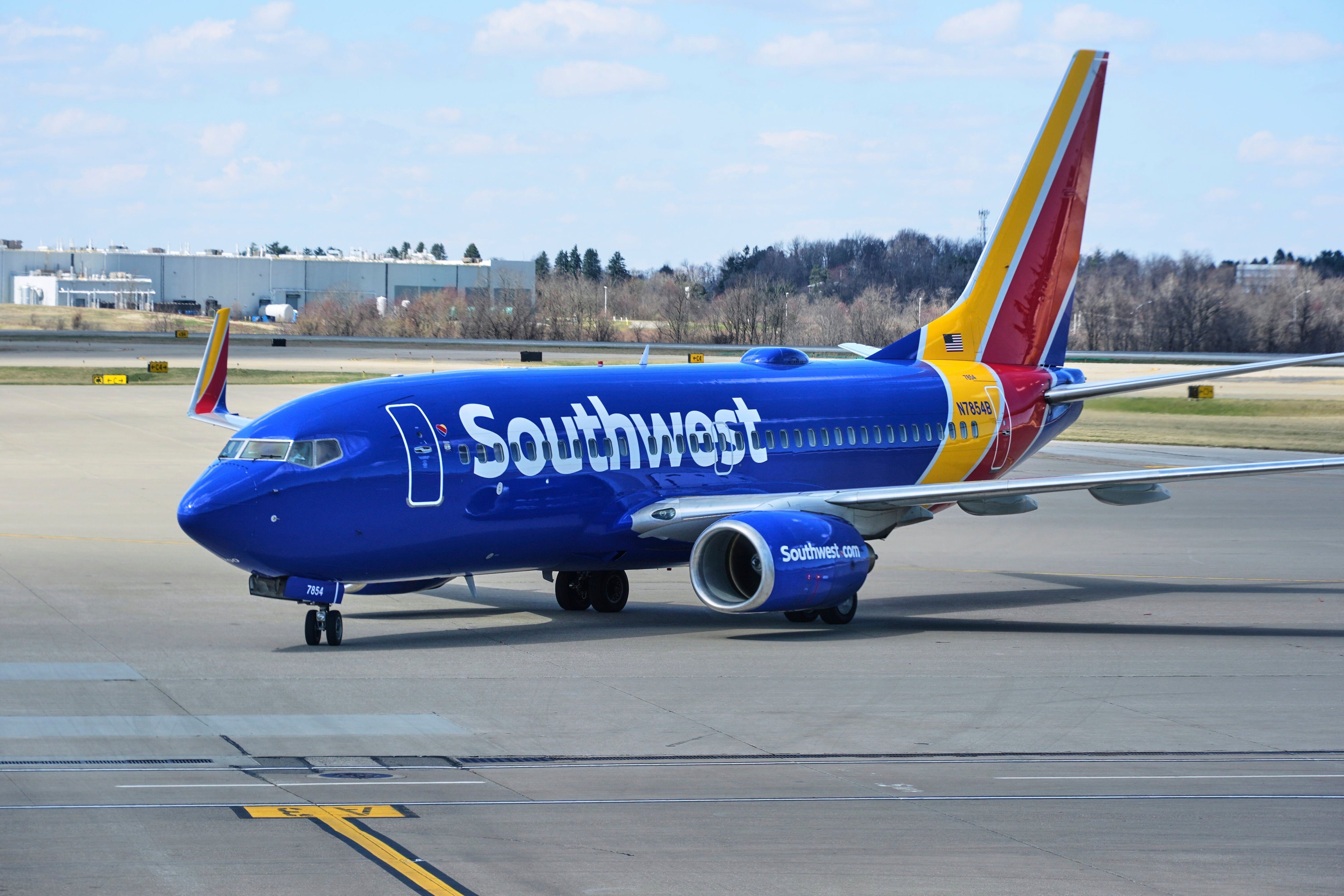
Southwest Airlines will soon require plus-size travelers to pay for an extra seat in advance if they can't fit within the armrests of one seat. This change is part of several updates the airline is making. The new rule starts on Jan. 27, the same day Southwest begins assigning seats. Currently, plus-size passengers can pay for an extra seat in advance and later get a refund, or request a free extra seat at the airport. Under the new policy, refunds are still possible but not guaranteed. Southwest said in a statement it is updating policies to prepare for assigned seating next year.
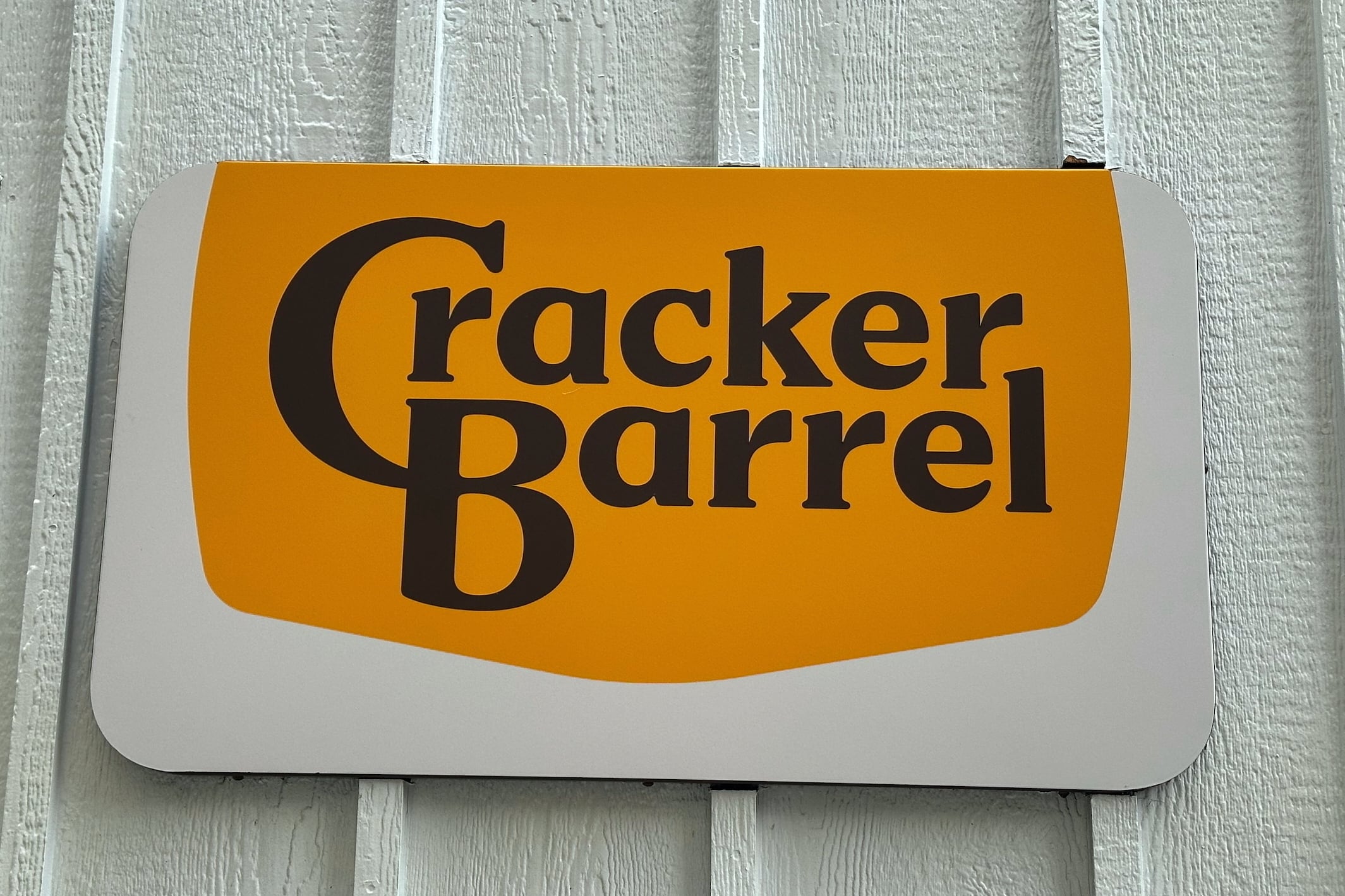
Cracker Barrel is sticking with its new logo. For now. But the chain is also apologizing to fans who were angered when the change was announced last week.
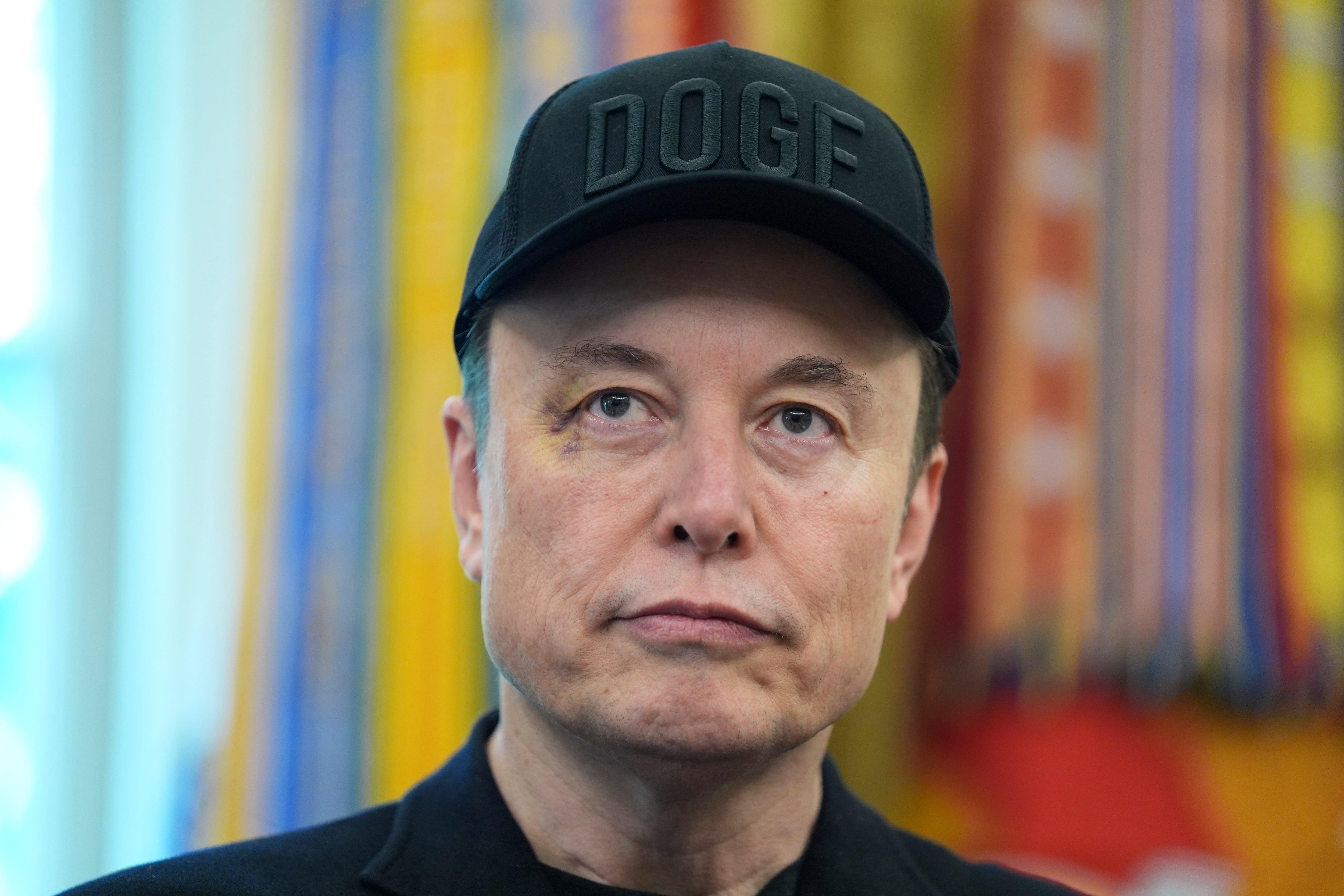
Elon Musk on Monday targeted Apple and OpenAI in an antitrust lawsuit alleging that the iPhone maker and the ChatGPT maker are teaming up to thwart competition in artificial intelligence.
Hear from Gabino & Stephen Roche on Saphyre’s institutional AI platform that centralizes pre‑ and post‑trade data, redefining settlement speed and accuracy.
Elon Musk’s X has reached a tentative settlement with former employees of the company then known as Twitter who’d sued for $500 million in severance pay.