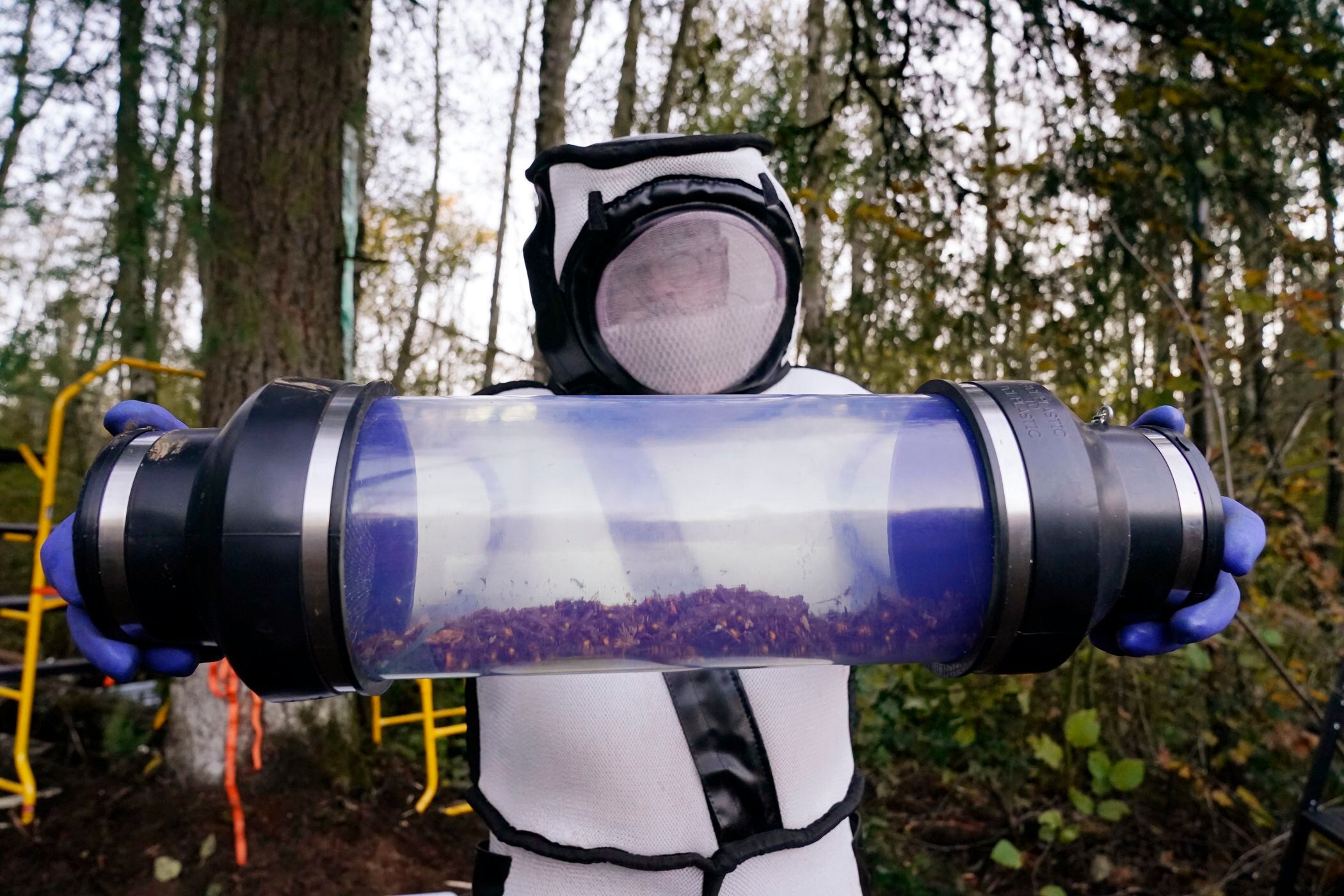
Sven Spichiger, Washington State Department of Agriculture managing entomologist, displays a canister of Asian giant hornets vacuumed from a nest in a tree behind him Saturday, Oct. 24, 2020, in Blaine, Wash. Scientists in Washington state discovered the first nest earlier in the week of so-called murder hornets in the United States and worked to wipe it out Saturday morning to protect native honeybees. Workers with the state Agriculture Department spent weeks searching, trapping and using dental floss to tie tracking devices to Asian giant hornets, which can deliver painful stings to people and spit venom but are the biggest threat to honeybees that farmers depend on to pollinate crops. (AP Photo/Elaine Thompson)
Heavily protected crews in Washington state worked Saturday to destroy the first nest of so-called murder hornets discovered in the United States.
The state Agriculture Department had spent weeks searching, trapping, and using dental floss to tie tracking devices to Asian giant hornets, which can deliver painful stings to people and spit venom but are the biggest threat to honeybees that farmers depend on to pollinate crops.
The nest found in the city of Blaine near the Canadian border is about the size of a basketball and contained an estimated 100 to 200 hornets, according to scientists who announced the find Friday.
Crews wearing thick protective suits vacuumed the invasive insects from the cavity of a tree into large canisters Saturday. The suits prevent the hornets' 6-millimeter-long stingers from hurting workers, who also wore face shields because the trapped hornets can spit a painful venom into their eyes.
The tree will be cut down to extract newborn hornets and learn if any queens have left the hive already, scientists said. Officials suspect more nests may be in the area and will keep searching. A news briefing was planned Monday on the status of the nest.
Despite their nickname and the hype that has stirred fears in an already bleak year, the world’s largest hornets kill at most a few dozen people a year in Asian countries, and experts say it is probably far less. Meanwhile, hornets, wasps, and bees typically found in the United States kill an average of 62 people a year, the Centers for Disease Control and Prevention has said.
The real threat from Asian giant hornets — which are 2 inches (5 centimeters) long — is their devastating attacks on honeybees, which are already under siege from problems like mites, diseases, pesticides, and loss of food.
The invasive insect is normally found in China, Japan, Thailand, South Korea, Vietnam, and other Asian countries. Washington state and the Canadian province of British Columbia are the only places the hornets have been found on the continent.
The nest was found after the state Agriculture Department trapped some hornets this week and used dental floss to attach radio trackers to some of them.
After a nationwide mask mandate for travel was struck down by a federal judge, Dr. Sampson Davis, an ER physician and bestselling author, joined Cheddar News to talk about the ramifications. "We are at a place where we are going to have to wait and see, unfortunately," he said. "The good news is that we're coming off a celebration of spring break, Easter, Passover, and we'll see what happens. But right now I'm not seeing a spike and people come into the hospital are truly sick. However, I'm still seeing people test positive for COVID."
Apple has revealed that the tech giant is working more on going green, reporting the use of more recycled materials than ever before. It's setting sustainability goals, aiming to cut emissions by 75 percent in the next 10 years and eventually ending the use of plastic in packaging.
Will Marshall, CEO, Planet, joins Cheddar Reveals to discuss Planet's influence and innovation from agriculture to sustainability using geospatial insights from their constellation of over 200 satellites.
Thomas Zurbuchen, Associate Administrator, NASA Science, joins Cheddar Reveals to break down the future of space exploration and how NASA is innovating this year and into the next decade.
Catching you up on what you need to know on April 19, 2022, with a federal judge voiding mask mandates on public transportation, updates from the Russia and Ukraine war, Mac Miller’s drug dealer sentenced for involvement in the rapper's death, and more.
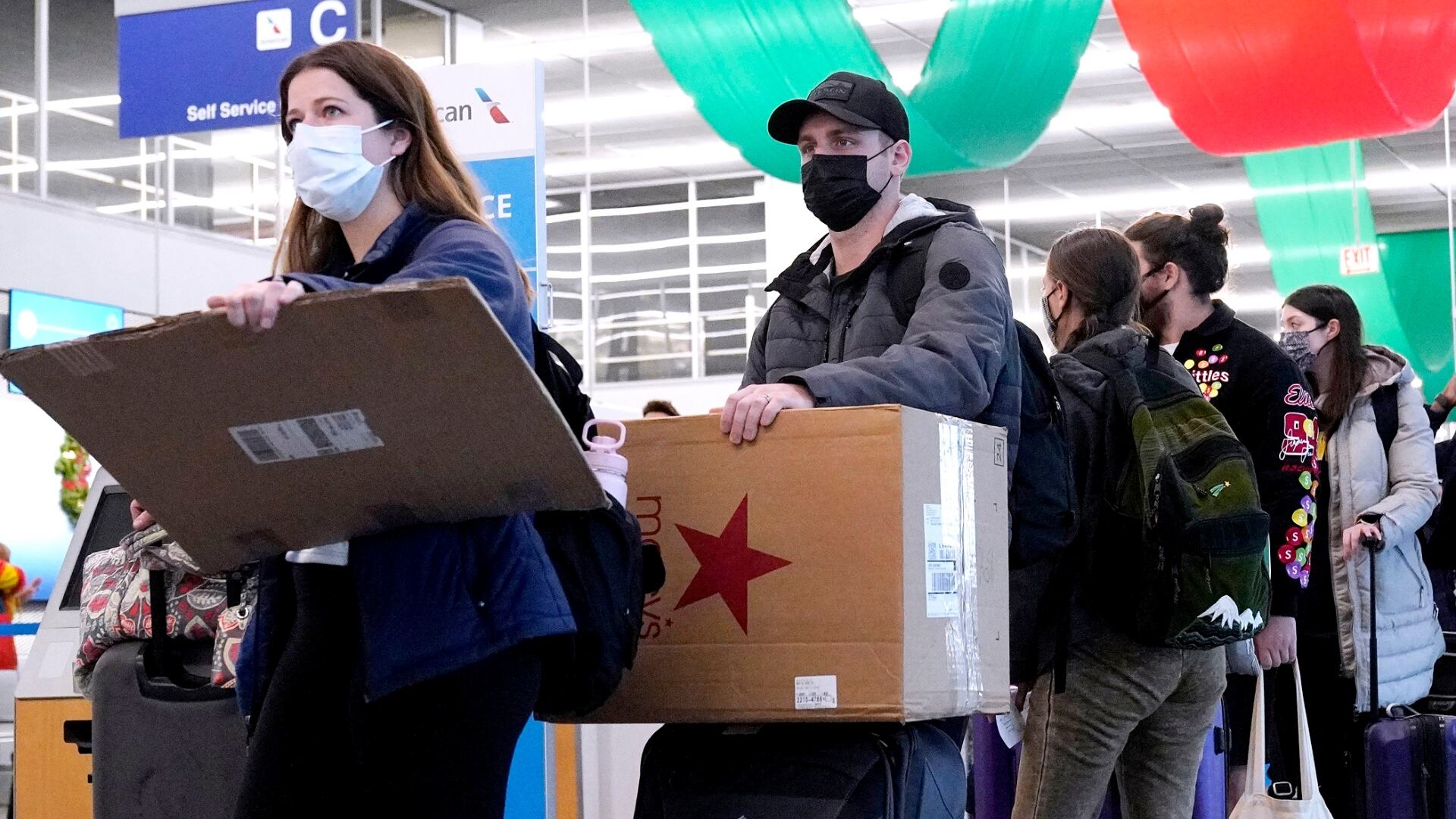
A federal judge’s decision to strike down a national mask mandate was met with cheers on some airplanes but also concern about whether it’s really time to end the order sparked by the COVID-19 pandemic.
A new Axios-Ipsos poll found that just one in ten people would currently characterize the coronavirus as a serious crisis. The vast majority do believe it's a problem, but a manageable one. It's clear that the public is itching to ditch their masks and various other restrictions. Chris Jackson, senior vice president of Ipsos public affairs, joins Cheddar News.
Between Bells executive producer Conor White recaps some of the biggest stories of the week, and teaches Azia Celestino and Hena Doba a thing or two at the same time. It's This Week In Trivia!
The Food and Drug Administration has issued an emergency use authorization for what it says is the first device that can detect COVID-19 in breath samples.
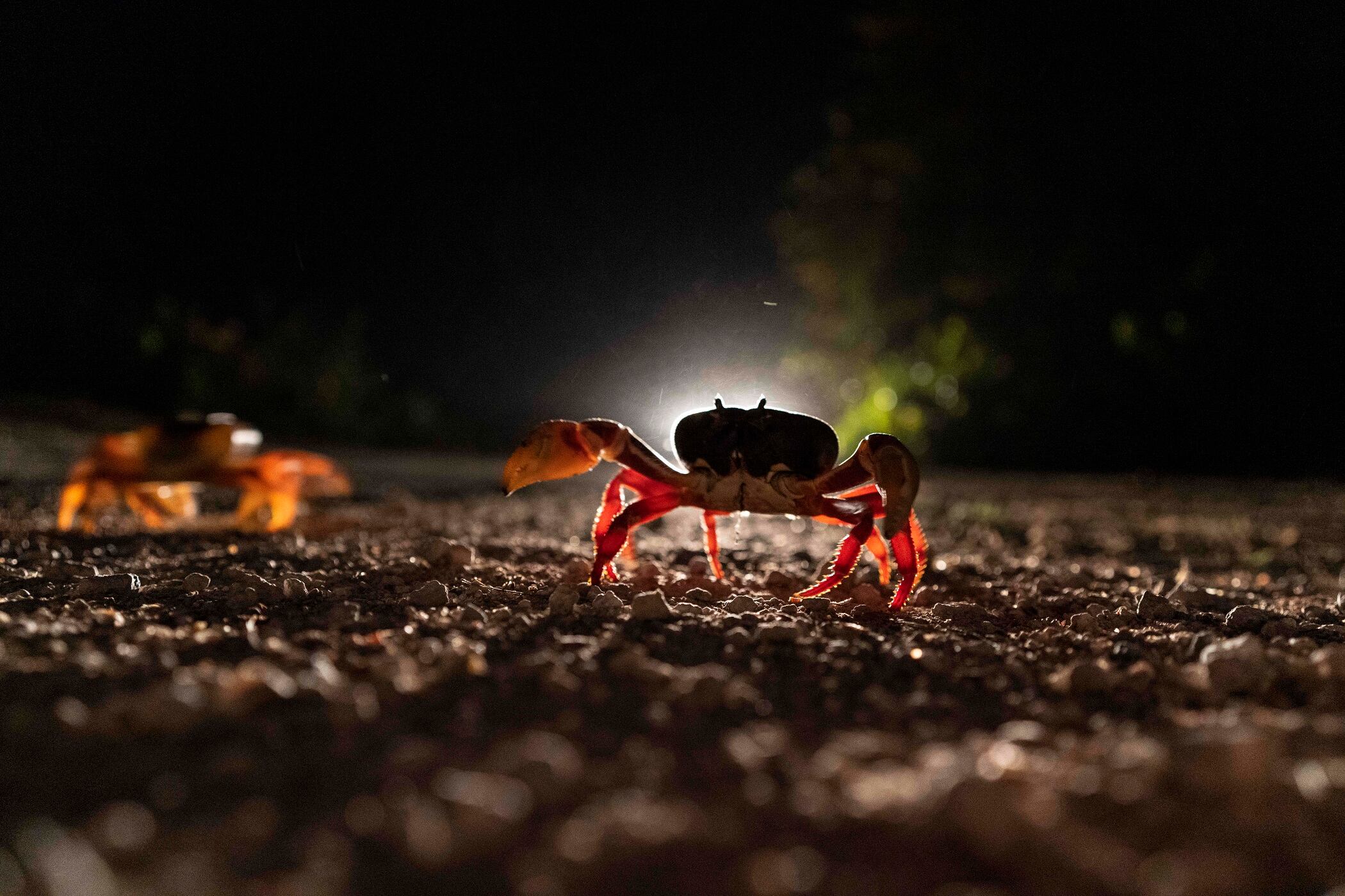
Every year in Cuba, millions of crabs emerge from the forest at the beginning of the spring rains and head for the waters of the Bay of Pigs, crossing streets and highways on a perilous journey to mate and reproduce there.