Gun control won’t help reduce violence, according to CPAC Chairman Matt Schlapp.
“Where we have the highest rates of gun control we also have the highest rates of crime,” said Schlapp, who also chairs the American Conservative Union, one of the largest and oldest conservative lobbying groups in the country.
“If we’re going to jump to gun control as a solution to this problem of violence, we’re being deceitful to people,” he adds. “It’s really not going to solve the problem.”
His statements, though, do contrast with other research. The Giffords Law Center to Prevent Gun Violence, for example, found that states with stricter gun laws, such as California, Connecticut, and New York, generally have lower rates of gun-related deaths.
The most recent mass shooting in Parkland, Fla., hung over this year’s CPAC conference, which kicked off in Maryland on Wednesday.
The attack has ignited a national movement -- helmed by the teenage survivors -- pushing for reform.
Perhaps their efforts were responsible for a concession from Schlapp.
“I would also admit that we’re at a time where I think we ought to do a lot more listening and learning and hearing people out,” adds Schlapp.
Former President Donald Trump repeatedly declined in an interview aired Sunday to answer questions about whether he watched the Capitol riot unfold on television, saying he would “tell people later at an appropriate time.”
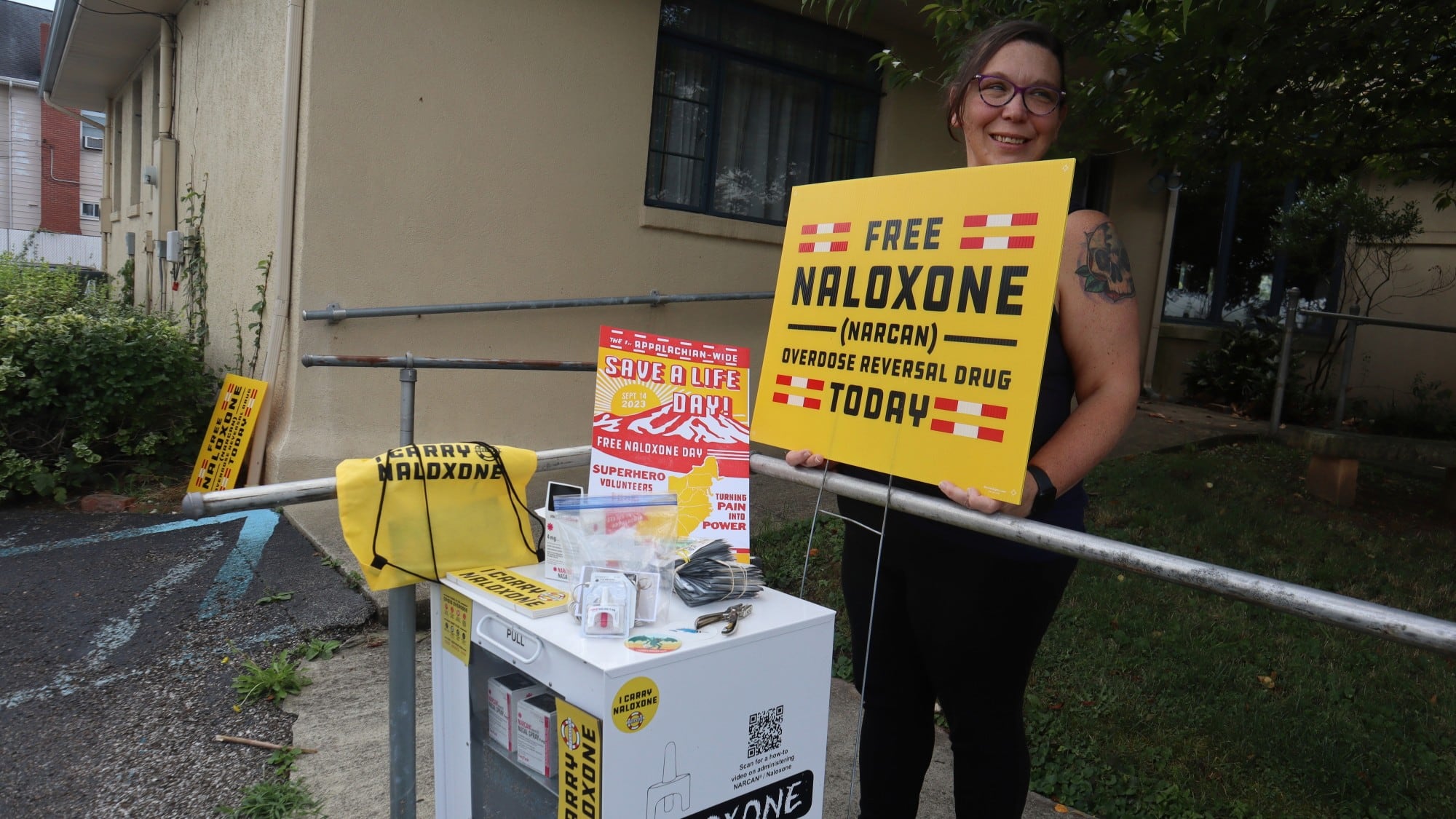
An effort to destigmatize the use of overdose reversal drugs that started as a pilot in two West Virginia counties has expanded to all thirteen states in Appalachia this year.
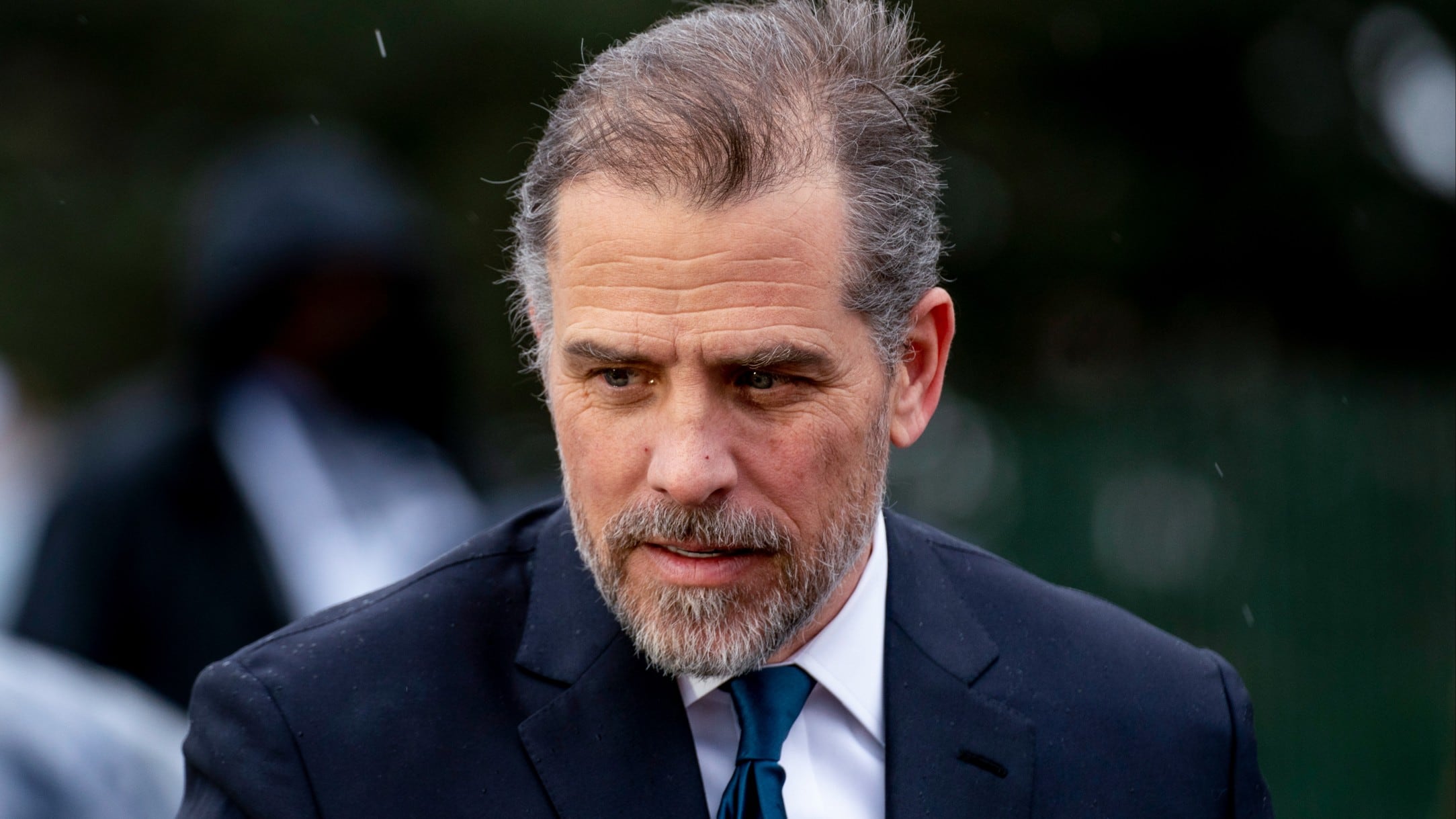
Hunter Biden was indicted Thursday on federal firearms charges, the latest and weightiest step yet in a long-running investigation into the president’s son.
States and Native American tribes will have greater authority to block energy projects such as natural gas pipelines that could pollute rivers and streams under a final rule issued Thursday by the Biden administration.