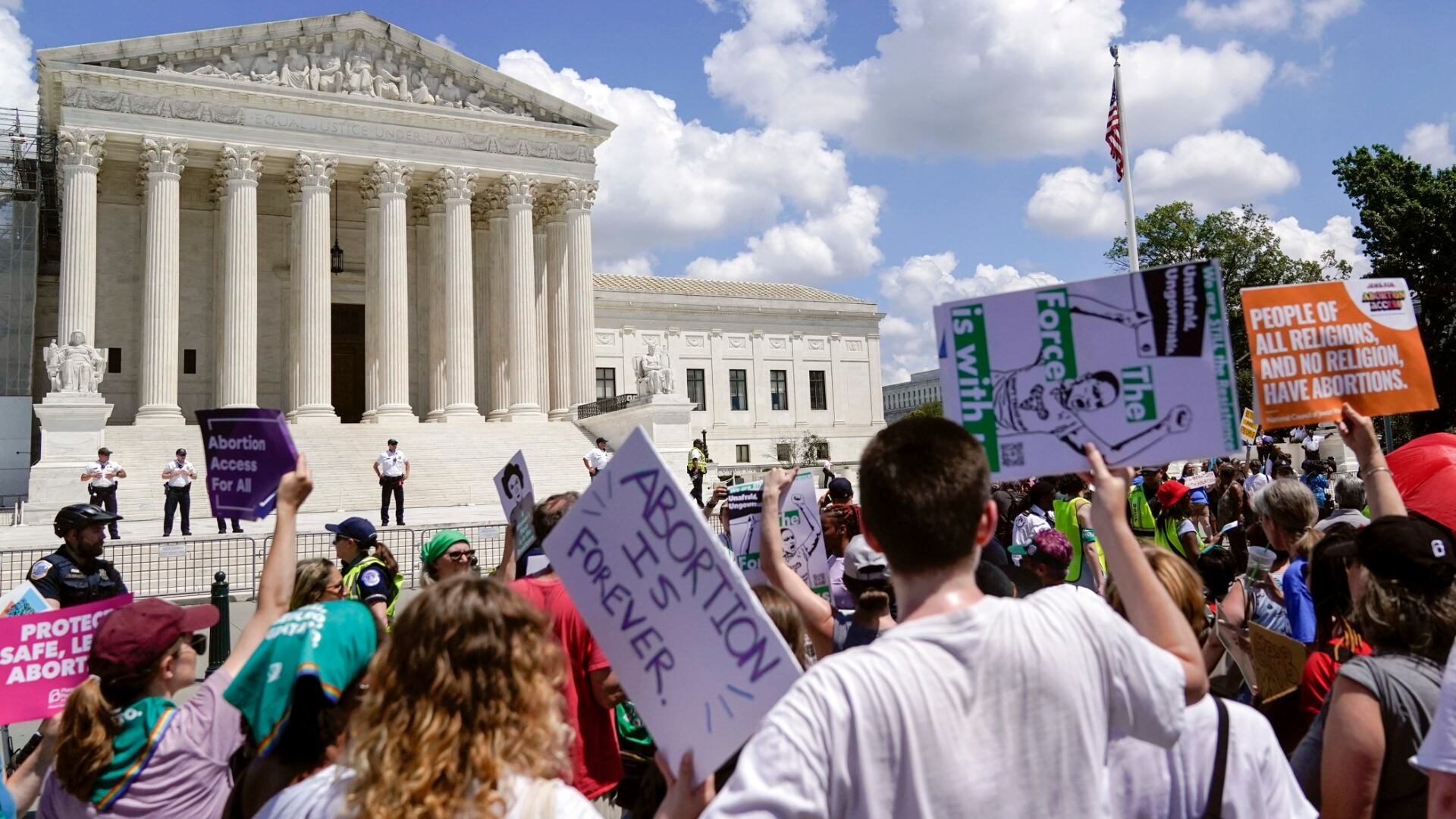
Gun control won’t help reduce violence, according to CPAC Chairman Matt Schlapp.
“Where we have the highest rates of gun control we also have the highest rates of crime,” said Schlapp, who also chairs the American Conservative Union, one of the largest and oldest conservative lobbying groups in the country.
“If we’re going to jump to gun control as a solution to this problem of violence, we’re being deceitful to people,” he adds. “It’s really not going to solve the problem.”
His statements, though, do contrast with other research. The Giffords Law Center to Prevent Gun Violence, for example, found that states with stricter gun laws, such as California, Connecticut, and New York, generally have lower rates of gun-related deaths.
The most recent mass shooting in Parkland, Fla., hung over this year’s CPAC conference, which kicked off in Maryland on Wednesday.
The attack has ignited a national movement -- helmed by the teenage survivors -- pushing for reform.
Perhaps their efforts were responsible for a concession from Schlapp.
“I would also admit that we’re at a time where I think we ought to do a lot more listening and learning and hearing people out,” adds Schlapp.
No fingerprints or DNA turned up on the baggie of cocaine found in a lobby at the White House last week despite a sophisticated FBI crime lab analysis, and surveillance footage of the area didn’t identify a suspect, according to a summary of the Secret Service investigation obtained by The Associated Press. There are no leads on who brought the drugs into the building.
Kamala Harris, who made history as the first woman or person of color to serve as vice president, has made history again by matching the record for most tiebreaking votes in the Senate.
Republicans on the House Judiciary Committee accused the agency of targeting conservatives, suppressing evidence that Covid-19 came from a lab leak and abusing its surveillance powers.
The Biden administration calls it a “student loan safety net.” Opponents call it a backdoor attempt to make college free. And it could be the next battleground in the legal fight over student loan relief.
Nearly 30,000 people in Mississippi were dropped from the state's Medicaid program after an eligibility review that the government ended during the pandemic.
Members of a deeply conservative Amish community in Minnesota don't need to install septic systems to dispose of their “gray water,” the state Court of Appeals ruled Monday in a long-running religious freedom case that went all the way up to the U.S. Supreme Court.