Gun control won’t help reduce violence, according to CPAC Chairman Matt Schlapp.
“Where we have the highest rates of gun control we also have the highest rates of crime,” said Schlapp, who also chairs the American Conservative Union, one of the largest and oldest conservative lobbying groups in the country.
“If we’re going to jump to gun control as a solution to this problem of violence, we’re being deceitful to people,” he adds. “It’s really not going to solve the problem.”
His statements, though, do contrast with other research. The Giffords Law Center to Prevent Gun Violence, for example, found that states with stricter gun laws, such as California, Connecticut, and New York, generally have lower rates of gun-related deaths.
The most recent mass shooting in Parkland, Fla., hung over this year’s CPAC conference, which kicked off in Maryland on Wednesday.
The attack has ignited a national movement -- helmed by the teenage survivors -- pushing for reform.
Perhaps their efforts were responsible for a concession from Schlapp.
“I would also admit that we’re at a time where I think we ought to do a lot more listening and learning and hearing people out,” adds Schlapp.
The lawyer for former NYPD commissioner Bernard Kerik turned over thousands of pages and documents to a special counsel as part of an investigation into Kerik's alleged involvement to overturn the results of the 2020 election.
Israel’s parliament on Monday approved the first major law in Prime Minister Benjamin Netanyahu’s contentious plan to overhaul the country’s justice system, triggering a new burst of mass protests and drawing accusations that he was pushing the country toward authoritarian rule.
North Korea fired two short-range ballistic missiles into its eastern sea, South Korea’s military said Tuesday, adding to a recent streak in weapons testing that is apparently in protest of the U.S. sending major naval assets to South Korea in a show of force.
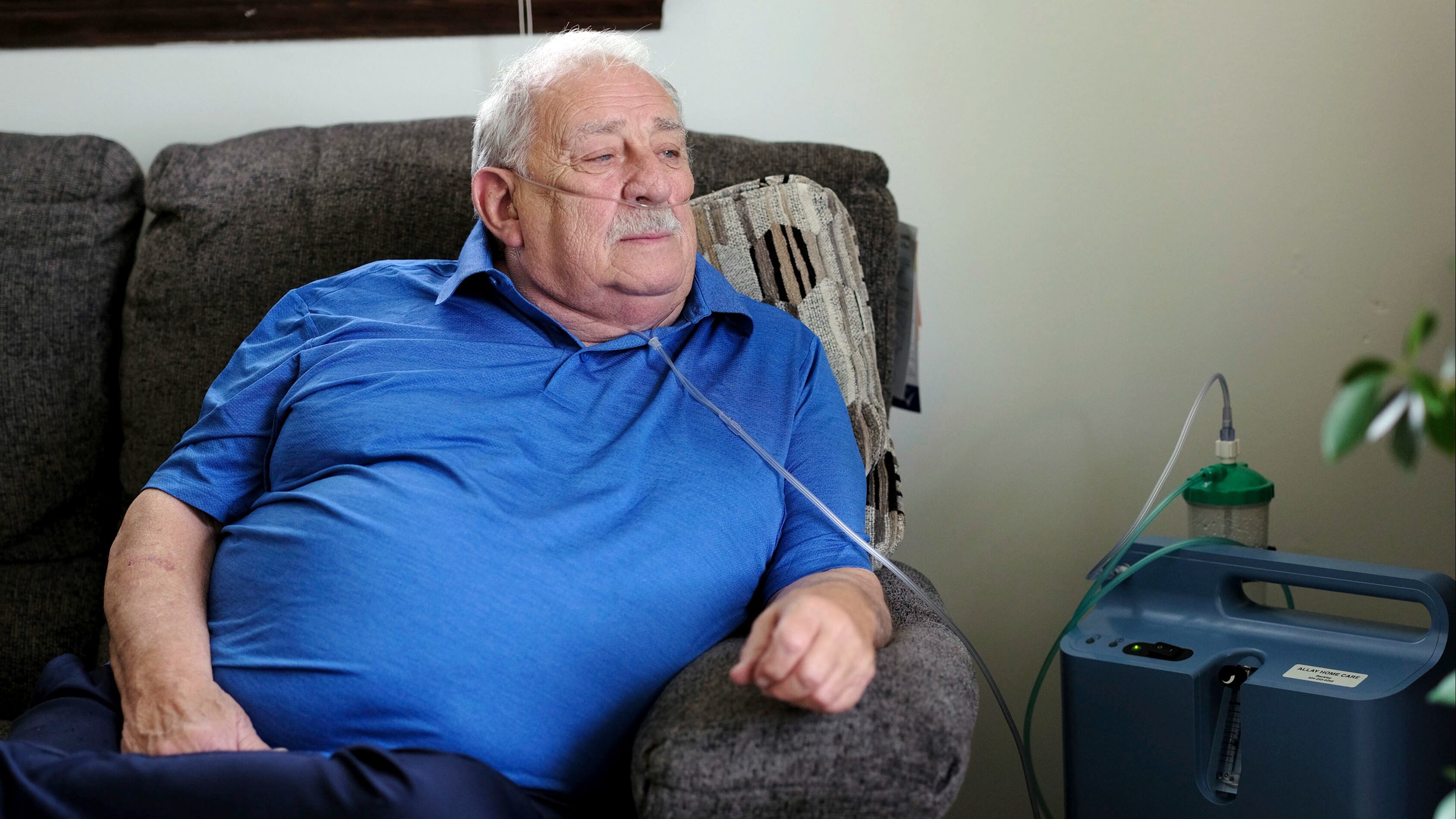
Now the federal Mine Safety and Health Administration has proposed a rule that would cut the current limit for silica exposure by half — a major victory for safety advocates. But there is skepticism and concern about the government following through after years of broken promises and delays.
A state trooper's account of officers denying migrants water in 100-degree Fahrenheit (37.7 Celsius) temperatures and razor wire leaving asylum-seekers bloodied has prompted renewed criticism.