Confidence in the scientific community declined among U.S. adults in 2022, a major survey shows, driven by a partisan divide in views of both science and medicine that emerged during the COVID-19 pandemic.
Overall, 39% of U.S. adults said they had “a great deal of confidence” in the scientific community, down from 48% in 2018 and 2021. That's according to the General Social Survey, a long-running poll conducted by NORC at the University of Chicago that has monitored Americans’ opinions on key topics since 1972.
An additional 48% of adults in the latest survey reported “only some” confidence, while 13% reported “hardly any,” according to an analysis of the survey by The Associated Press-NORC Center for Public Affairs Research.
The survey showed low confidence levels among Republicans as partisan gaps that emerged during the pandemic era have stuck around, said Jennifer Benz, the center's deputy director.
“It doesn’t look all that dramatic when you just look at the trends for the overall public,” Benz said. “But when you dig into that by people’s political affiliations, there’s a really stark downturn and polarization.”
Between surveys in 2018 and 2021, as the pandemic took hold, the major parties’ trust levels headed in opposite directions. Democrats reported a growing level of confidence in science in 2021 — perhaps as a “rallying effect” around things like COVID-19 vaccines and prevention measures, Benz said. At the same time, Republicans saw their confidence start to plummet.
In the 2022 survey, Democrats’ confidence fell back to around pre-pandemic levels, with 53% reporting a great deal of confidence compared with 55% in 2018. But Republicans’ confidence continued its downward trend, dropping to 22% from 45% in 2018. Confidence in medicine has also grown more polarized since 2018. That year, Democrats and Republicans were about equally likely to say they had high confidence. By 2022, though, Republicans’ confidence had fallen to 26%, while Democrats’ has remained about the same as it was before the pandemic, at 42%.
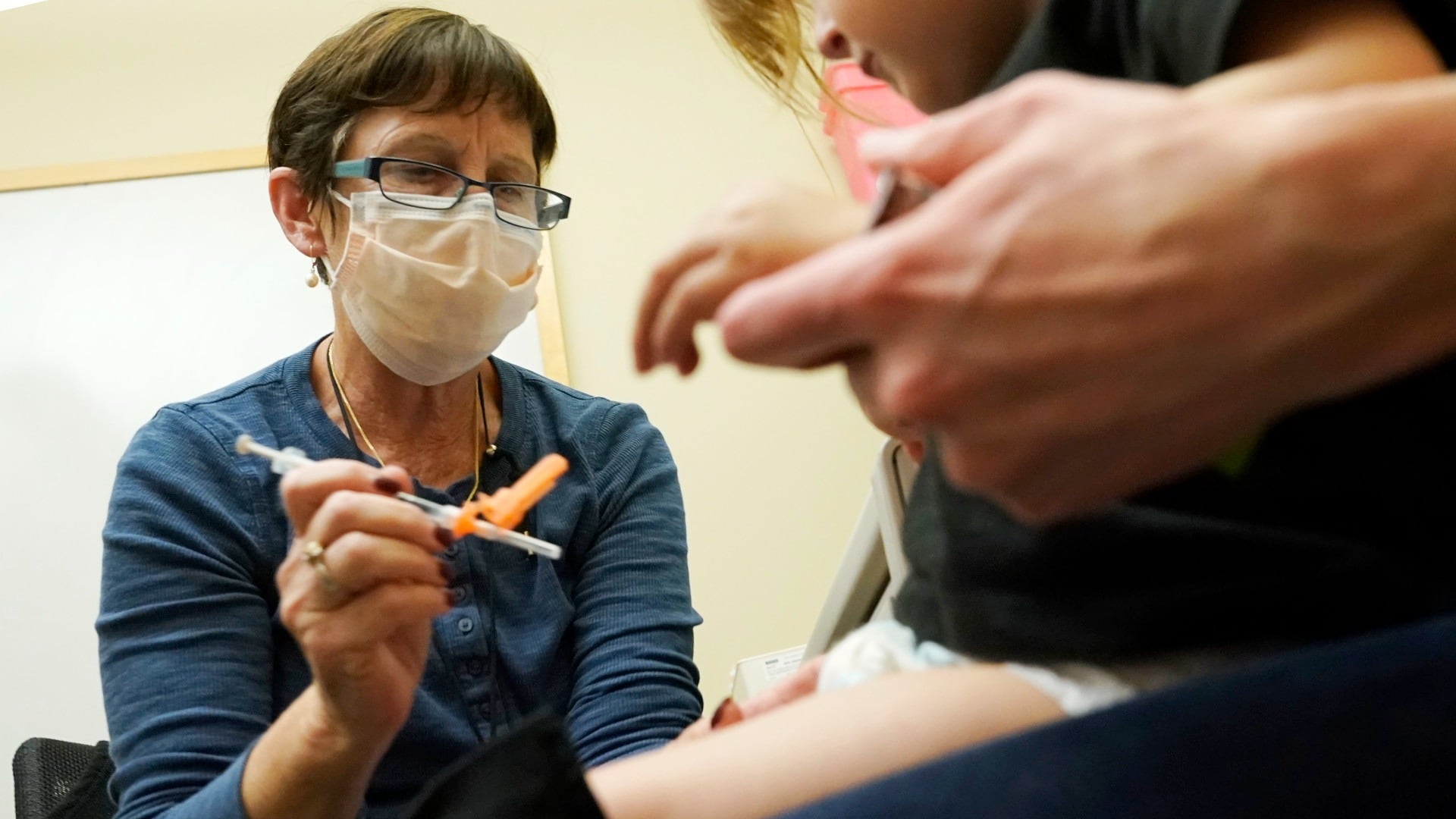
Overall, 34% of Americans reported a great deal of confidence in medicine in 2022, compared with 39% before the pandemic.
Generally, scientists have had a high level of trust compared to other groups in the U.S., said John Besley, who studies public opinion about science at Michigan State University. And even with the latest declines, confidence in science is still higher than many other institutions, he pointed out.
But the split between political parties is a cause for concern, experts said.
“You can definitely see the impact here of people taking cues from their political leaders,” Benz said.
For Sudip Parikh, CEO of the American Association for the Advancement of Science, the drops were “disappointing but not surprising.” He sees them as part of an “overall pulling apart of our communities” and a loss of trust in many institutions.
The latest survey found that distrust has grown for some other groups, too. According to the 2022 survey, confidence in the Supreme Court has plunged to its lowest level in at least 50 years. Americans also reported lower levels of trust in education, the press, major companies and organized religion.
Besley said that scientists should communicate about their motives to help show that they are trustworthy: “Not only do we have some expertise, but that also we’re using that expertise to try to make the world better,” he said.
Parikh thought the stakes are high for rebuilding trust in science — and doing so across political lines.
“Science must be bipartisan,” he said. “The causes of Alzheimer’s are the same whether you’re a Republican or a Democrat. The fusion that goes on in the sun is the same whether you live in Topeka or you live in San Francisco.”
The General Social Survey has been conducted since 1972 by NORC at the University of Chicago. Sample sizes for each year’s survey vary from about 1,500 to about 4,000 adults, with margins of error falling between plus or minus 2 percentage points and plus or minus 3.1 percentage points. The most recent survey was conducted May 5, 2022, through Dec. 20, 2022, and includes interviews with 3,544 American adults. Results for the full sample have a margin of error of plus or minus 3 percentage points.