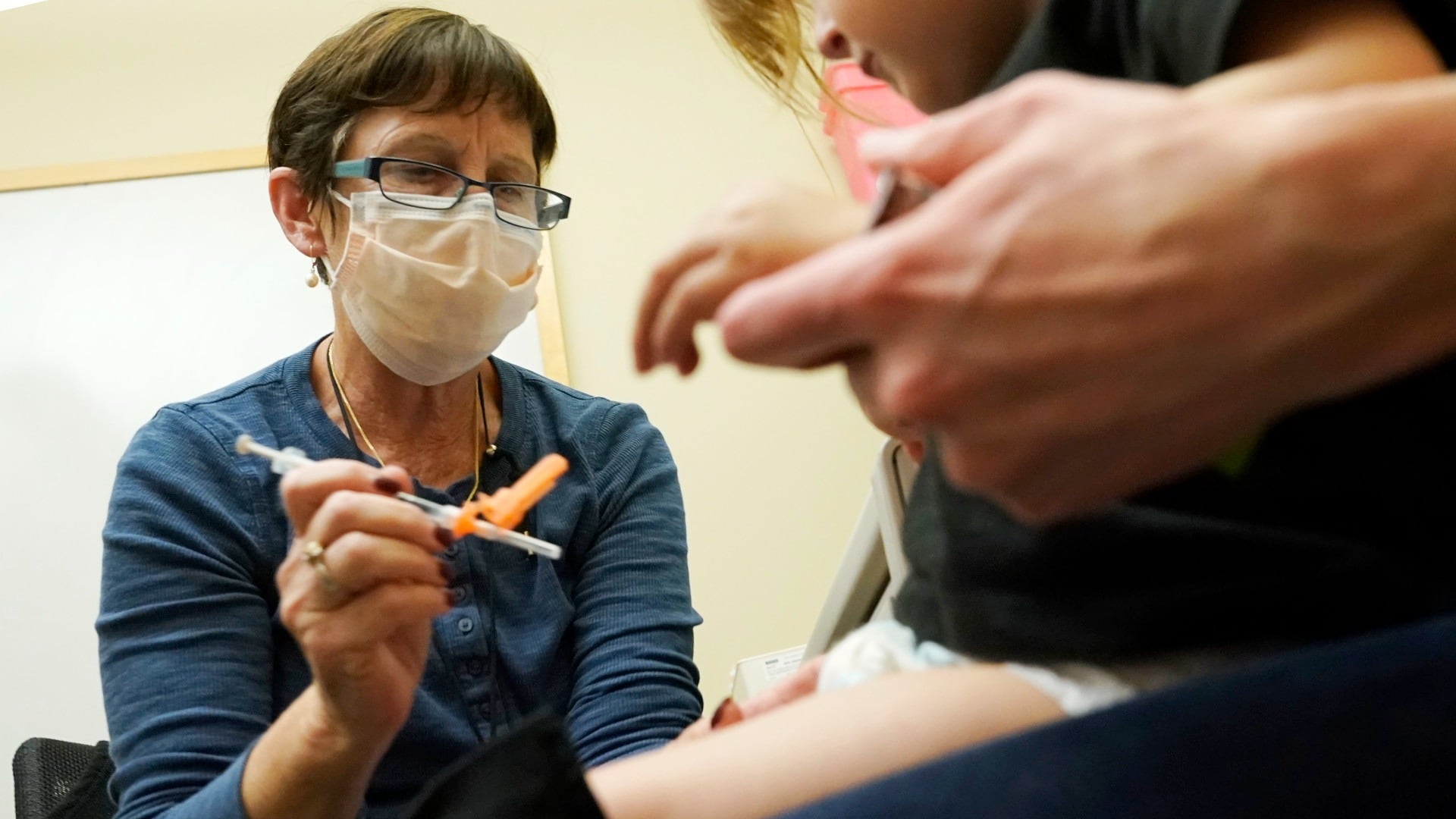
Deborah Sampson, left, a nurse at a University of Washington Medical Center clinic in Seattle, gives a Pfizer COVID-19 vaccine shot to a 20-month-old child, June 21, 2022, in Seattle. The U.S. on Thursday, Dec. 8, 2022 open doses of the updated COVID-19 vaccines for most children younger than age 5. The Food and Drug Administration's decision aims to better protect the littlest kids from severe COVID-19 at a time when children’s hospitals already are packed with tots suffering a variety of other respiratory illnesses, too. (AP Photo/Ted S. Warren, file)
Confidence in the scientific community declined among U.S. adults in 2022, a major survey shows, driven by a partisan divide in views of both science and medicine that emerged during the COVID-19 pandemic.
Overall, 39% of U.S. adults said they had “a great deal of confidence” in the scientific community, down from 48% in 2018 and 2021. That's according to the General Social Survey, a long-running poll conducted by NORC at the University of Chicago that has monitored Americans’ opinions on key topics since 1972.
An additional 48% of adults in the latest survey reported “only some” confidence, while 13% reported “hardly any,” according to an analysis of the survey by The Associated Press-NORC Center for Public Affairs Research.
“It doesn’t look all that dramatic when you just look at the trends for the overall public,” Benz said. “But when you dig into that by people’s political affiliations, there’s a really stark downturn and polarization.”
Between surveys in 2018 and 2021, as the pandemic took hold, the major parties’ trust levels headed in opposite directions. Democrats reported a growing level of confidence in science in 2021 — perhaps as a “rallying effect” around things like COVID-19 vaccines and prevention measures, Benz said. At the same time, Republicans saw their confidence start to plummet.
In the 2022 survey, Democrats’ confidence fell back to around pre-pandemic levels, with 53% reporting a great deal of confidence compared with 55% in 2018. But Republicans’ confidence continued its downward trend, dropping to 22% from 45% in 2018. Confidence in medicine has also grown more polarized since 2018. That year, Democrats and Republicans were about equally likely to say they had high confidence. By 2022, though, Republicans’ confidence had fallen to 26%, while Democrats’ has remained about the same as it was before the pandemic, at 42%.
Overall, 34% of Americans reported a great deal of confidence in medicine in 2022, compared with 39% before the pandemic.
Generally, scientists have had a high level of trust compared to other groups in the U.S., said John Besley, who studies public opinion about science at Michigan State University. And even with the latest declines, confidence in science is still higher than many other institutions, he pointed out.
But the split between political parties is a cause for concern, experts said.
“You can definitely see the impact here of people taking cues from their political leaders,” Benz said.
For Sudip Parikh, CEO of the American Association for the Advancement of Science, the drops were “disappointing but not surprising.” He sees them as part of an “overall pulling apart of our communities” and a loss of trust in many institutions.
The latest survey found that distrust has grown for some other groups, too. According to the 2022 survey, confidence in the Supreme Court has plunged to its lowest level in at least 50 years. Americans also reported lower levels of trust in education, the press, major companies and organized religion.
Besley said that scientists should communicate about their motives to help show that they are trustworthy: “Not only do we have some expertise, but that also we’re using that expertise to try to make the world better,” he said.
Parikh thought the stakes are high for rebuilding trust in science — and doing so across political lines.
“Science must be bipartisan,” he said. “The causes of Alzheimer’s are the same whether you’re a Republican or a Democrat. The fusion that goes on in the sun is the same whether you live in Topeka or you live in San Francisco.”
The General Social Survey has been conducted since 1972 by NORC at the University of Chicago. Sample sizes for each year’s survey vary from about 1,500 to about 4,000 adults, with margins of error falling between plus or minus 2 percentage points and plus or minus 3.1 percentage points. The most recent survey was conducted May 5, 2022, through Dec. 20, 2022, and includes interviews with 3,544 American adults. Results for the full sample have a margin of error of plus or minus 3 percentage points.
On this episode of Cheddar Innovates: Founder of Unlimited Tomorrow breaks down how he is creating completely 3D printed prosthetics to make them more affordable, customizable, and accessible; Chief Technology Officer of Zebra Technologies explains what the future of collaboration between robots and humans may look like; A look at Curiosity Stream's 'Mystery of the Roman Skulls.'
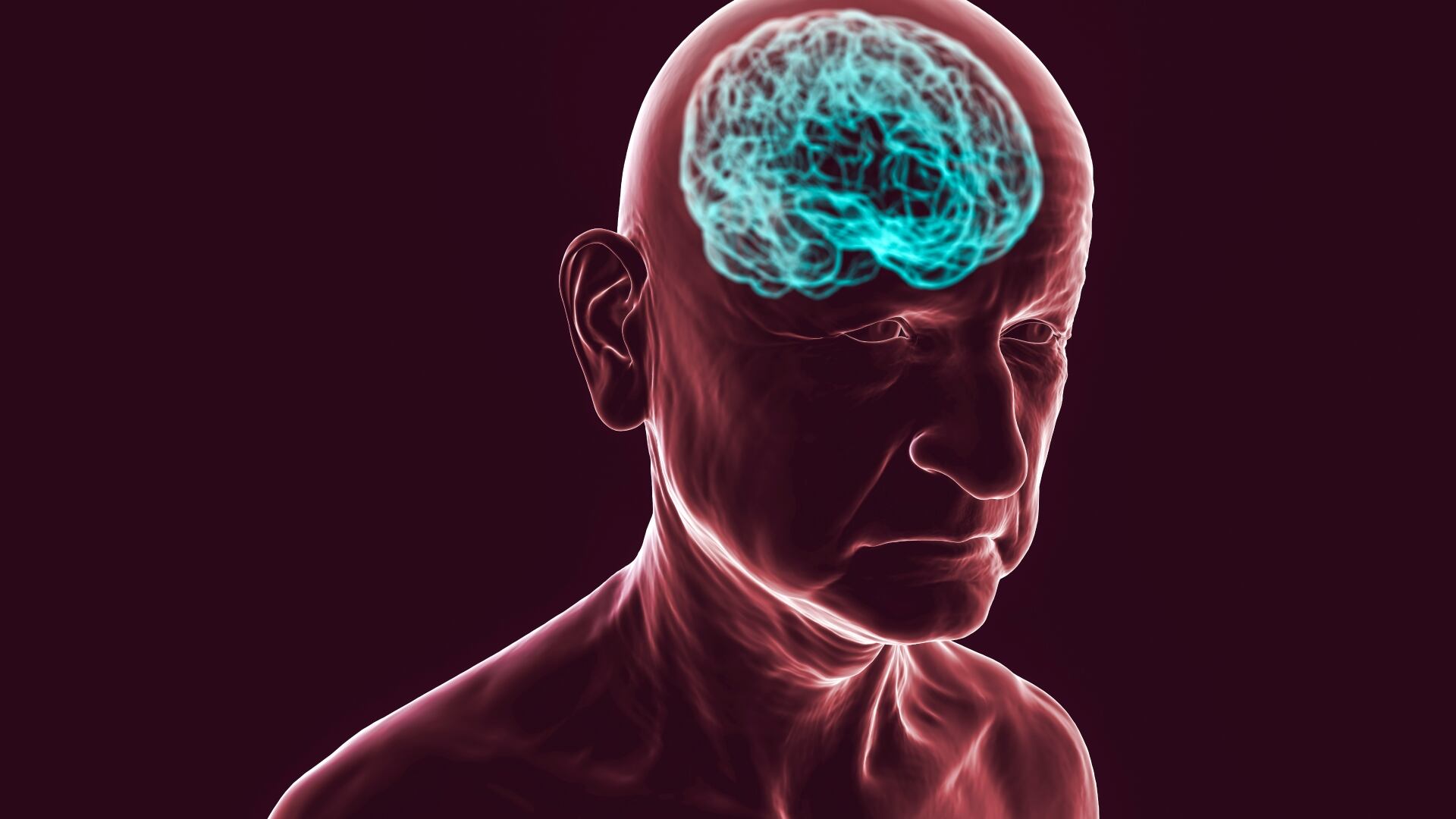
Each year about 5,000 people are diagnosed with ALS. This is such an important conversation. A disease that can weaken a patient's muscles and impact physical function. However, one research company says that could all change soon. Coya Therapeutics has developed a way to isolate a patient problematic T-cells in order to help ultimately slow the decline of not just ALS, but potentially Alzheimer's and other neurodegenerative diseases as well. Founder and Chief Executive Officer at Coya Therapeutics, Dr. Howard Berman, joined Cheddar to discuss more.
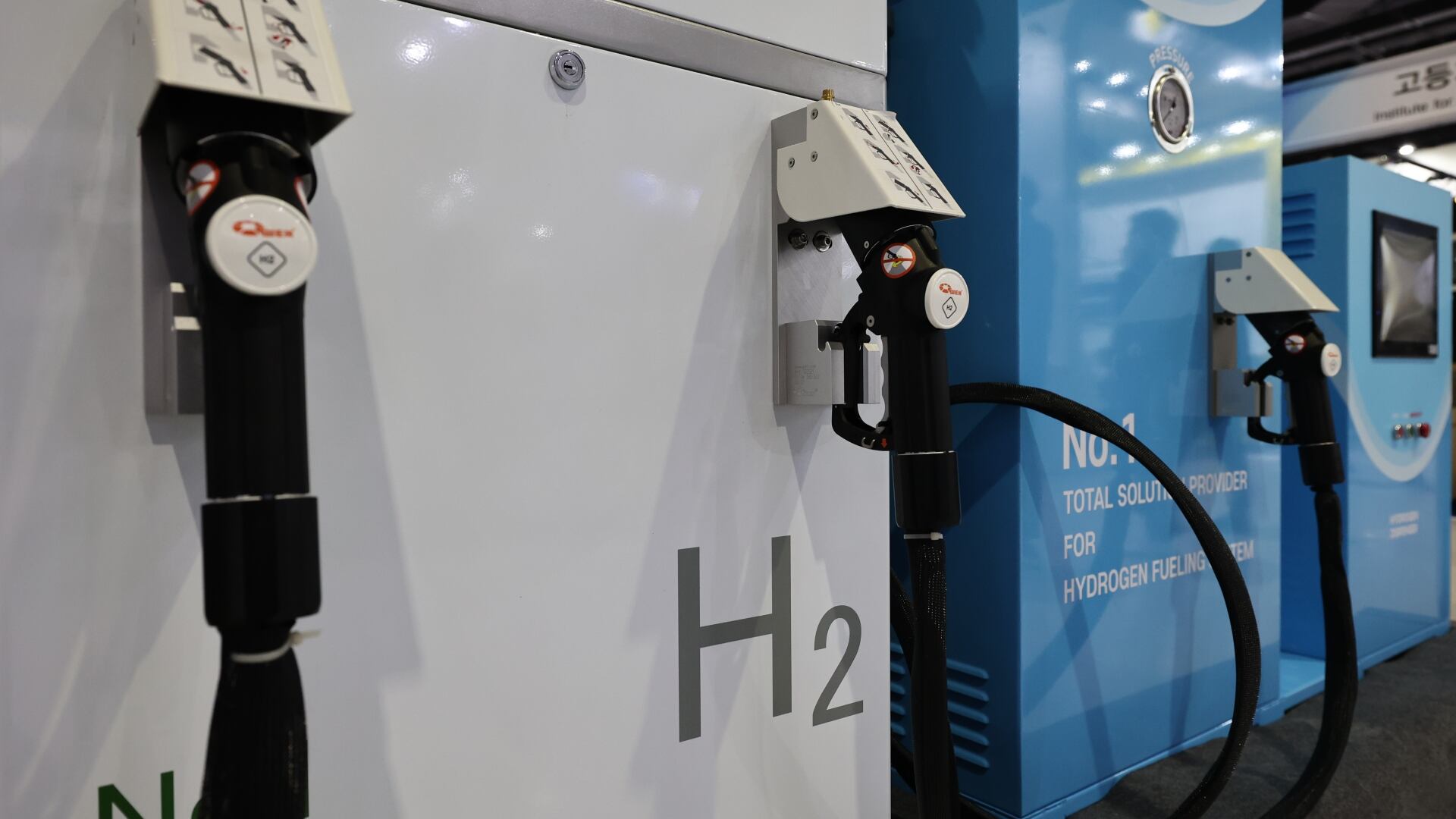
In the fight against climate change, much of the conversation revolves around reducing greenhouse gases like carbon dioxide or methane - and attempting to raise oxygen levels. But there's another gas - hydrogen - that could play a big role in the fight for the climate. Marco Alvera, CEO of Italian energy infrastructure company Snam and author of the book, 'The Hydrogen Revolution,' joined Cheddar Climate to explain the role hydrogen plays in helping achieve a net-zero future.
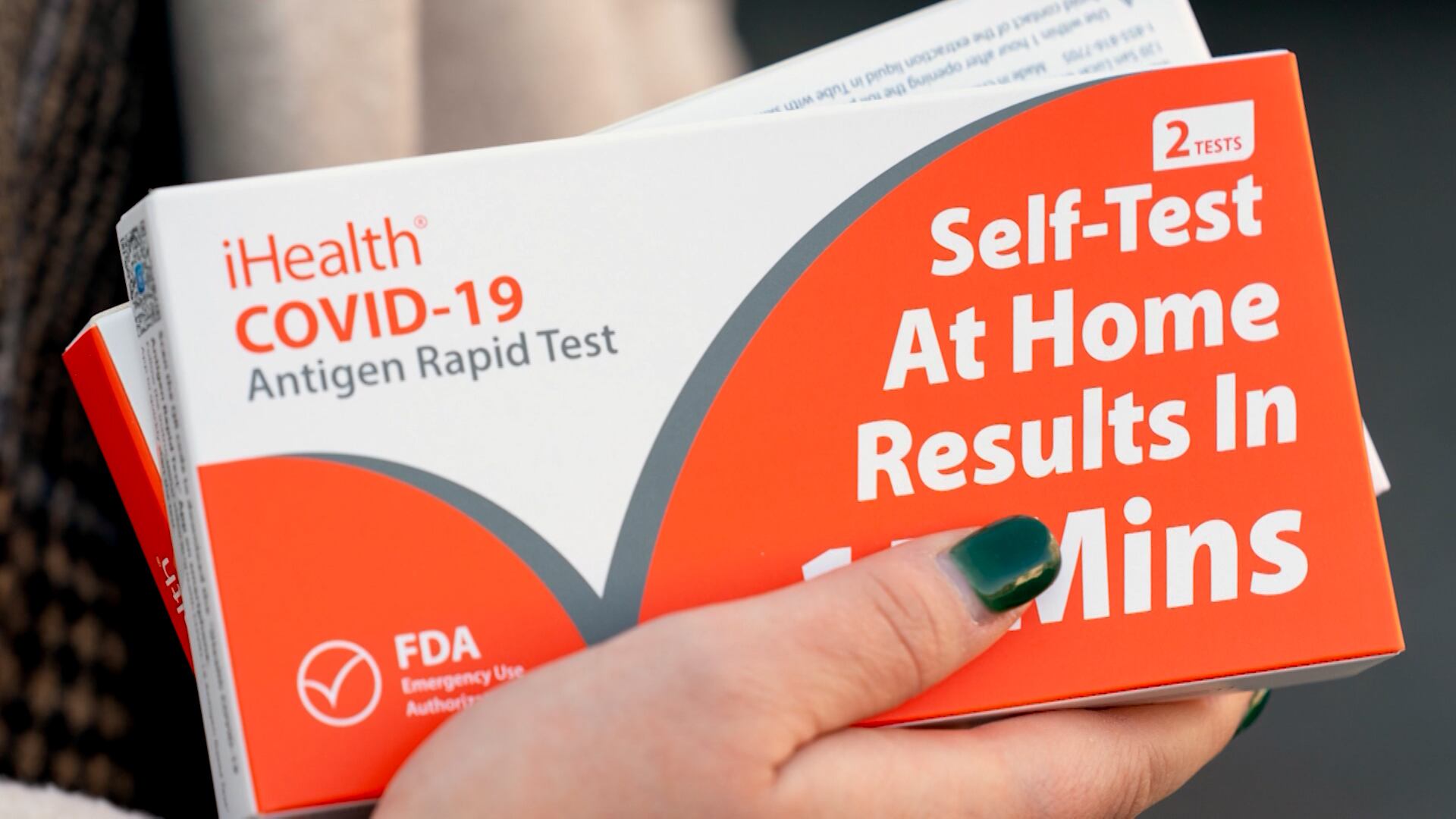
Americans looking to purchase at-home COVID-19 tests will now have to shell out a bit more money after an agreement expired between the White House and companies to sell the tests at cost. The price of Abbot's BinaxNow test kit from October to December was $14 apiece; on Tuesday, Walmart's website listed the test for $19.88, and Kroger listed the tests for $23.99. Carbon Health Regional Clinical Director Dr. Bayo Curry-Winchell joined Cheddar News' Closing Bell to discuss the impact higher prices will have as the nation experiences another surge in cases.
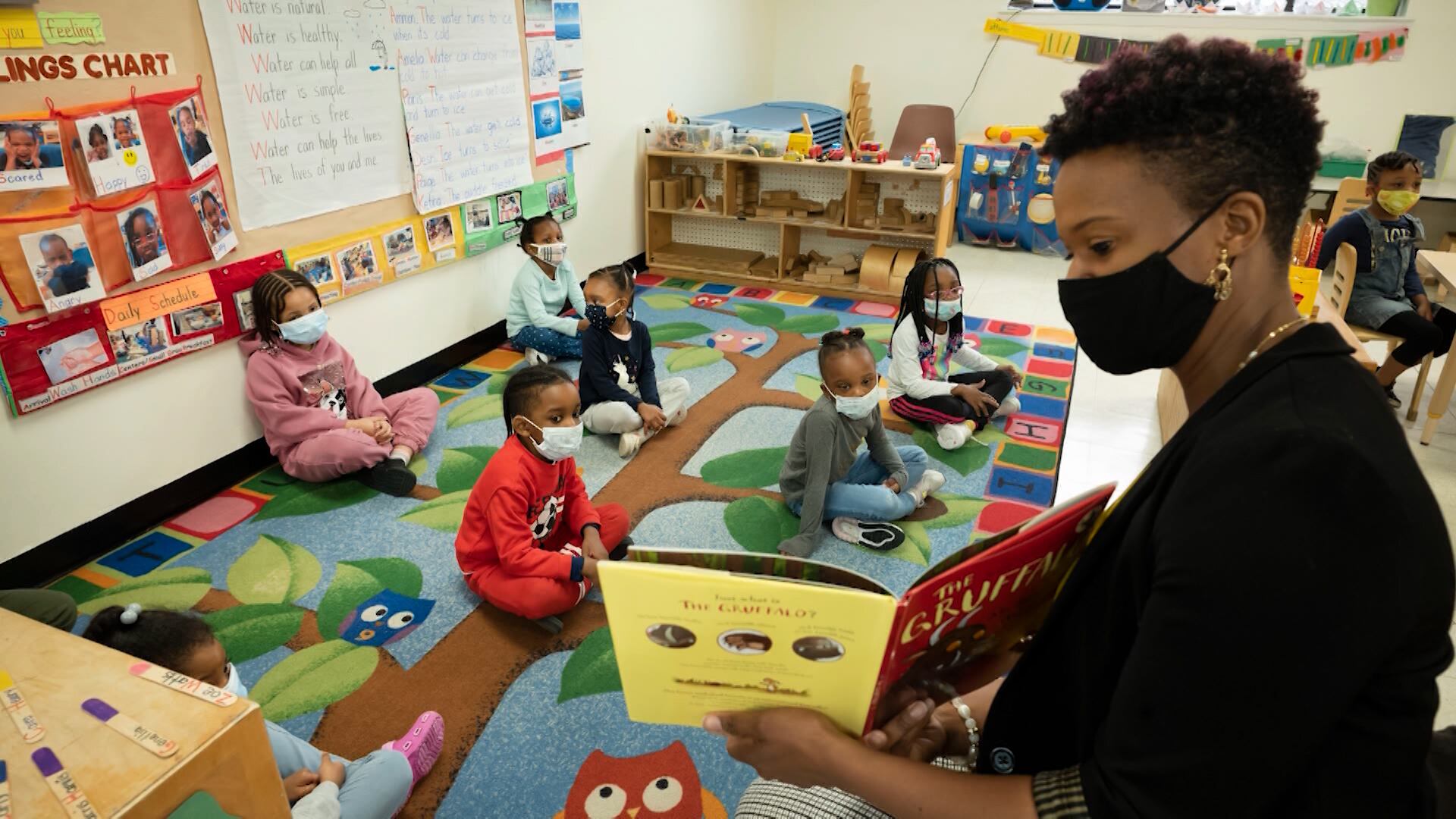
As millions of kids go back to school, districts across the country are determined to keep class in person, despite a surge in COVID cases. In New York City, Mayor Eric Adams has vowed to keep the nation's largest school system open amid Omicron, citing the disastrous effect of remote learning on students. Oswald Feliz, NYC council member who sits on the health and education committee, joined Cheddar to discuss the city's plan to combat the recent surge and keep kids in school.
Schools across the country are determined to keep class in session, despite the rapidly-spreading Omicron variant. While many parents prefer in-person learning, they also worry whether the current public health guidelines will be enough to protect their kids. Erin Richards, national education reporter for USA Today, joined Cheddar to discuss how are schools are preparing for the surge to avoid another round of remote learning.
With the annual CES convention underway amid COVID, HP unveiled rolled out a number of new products virtually this year, including new gaming PCs and 4K display monitors. But as industries look toward a greener future, HP is working with the climate crisis in mind. James McCall, chief sustainability officer at HP, joined Cheddar's Kristen Scholer to discuss the company's climate goals, which includes reducing its carbon footprint to net-zero by 2040. He admitted that reaching the ambitious goal will be difficult because much of the company's emissions totals come from third parties. "A large part of our footprint is outside of HP's direct control. A lot of it comes either from our incoming supply chain, the materials, our manufacturing process, or about 30 to 40 percent of it comes from our consumer-use base," McCall told Cheddar.
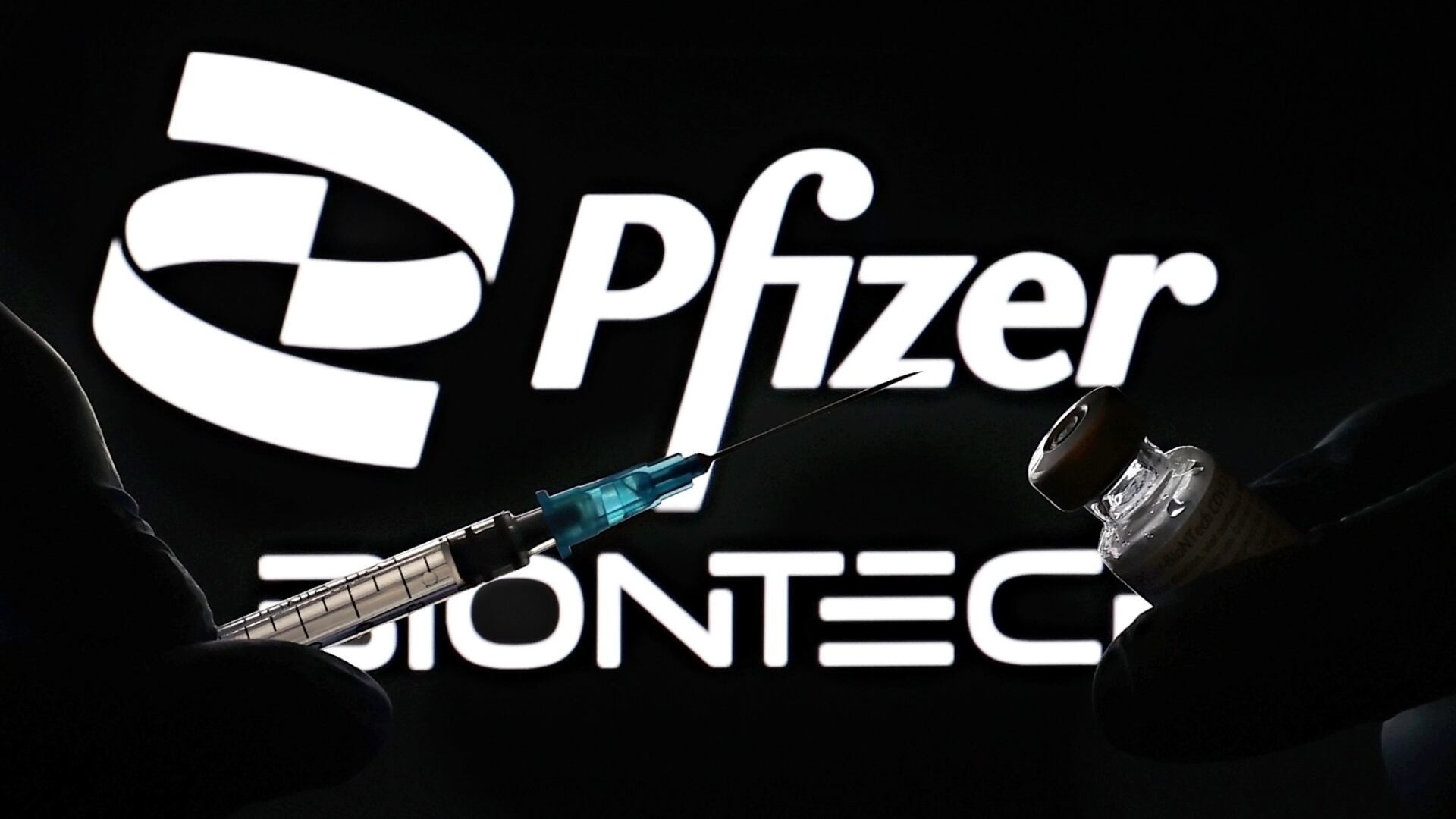
Pfizer and BioNTech are working to develop an mRNA-based shingles vaccine following the success of the COVID-19 shot. This latest collaboration will mark the third time the pharmaceutical companies have worked together on a vaccine.
The potential collapse of the Thwaites glacier in Antarctica has been deemed a potential "doomsday event" — researchers and scientists say its melting and collapse could raise global sea levels by at least two feet, enough to destroy coastal communities around the world. One team of scientists is traveling to the Thwaites glacier to drill below in order to gauge current ocean temperatures and attempt to model possible outcomes. David Holland, professor at NYU and Principal Investigator for the International Thwaites Glacier Collaboration, joins Cheddar Climate to discuss the glacier's potential collapse, his team's research plan, and more.
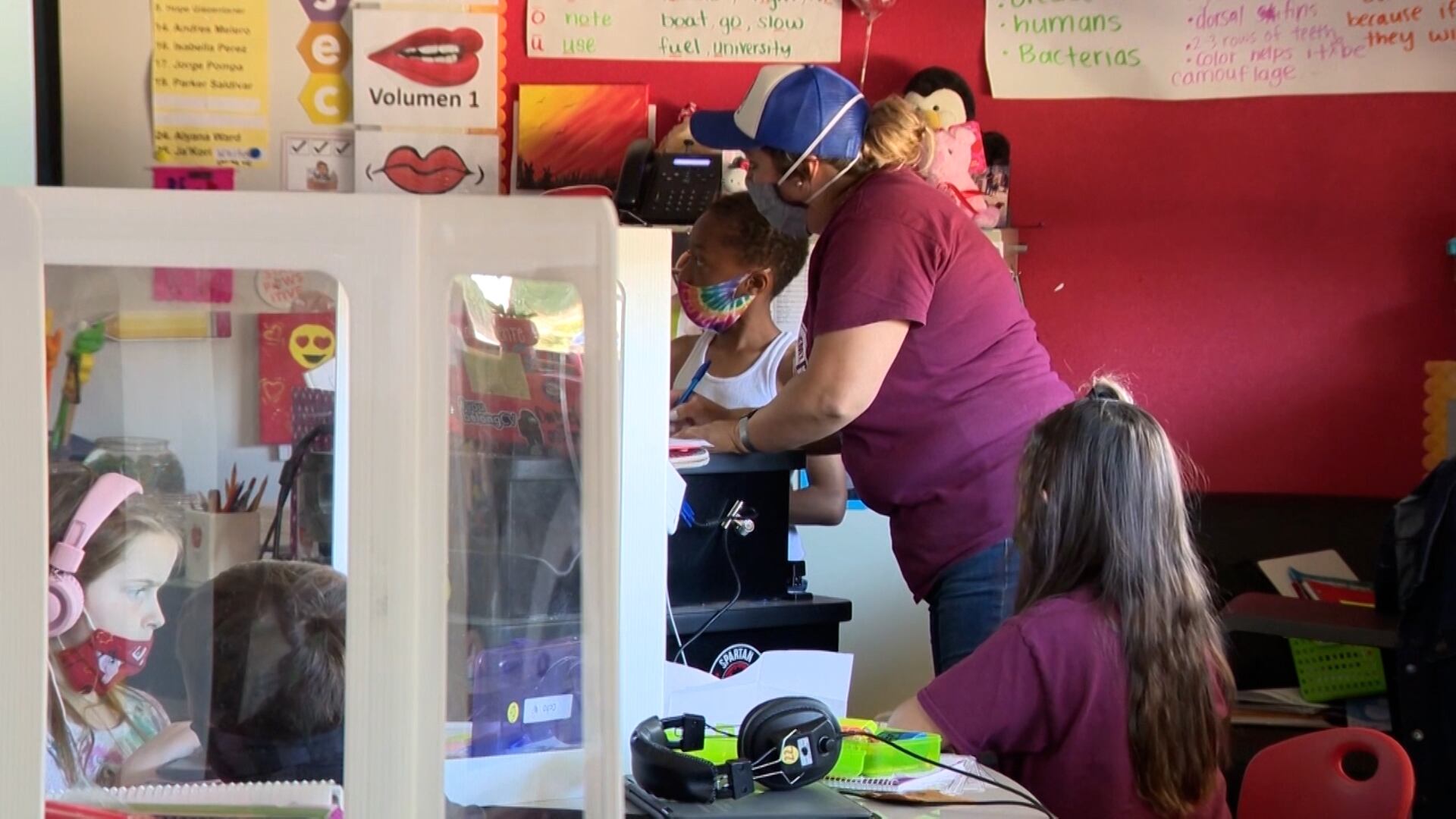
As winter break wraps up and COVID-19 cases hit record levels, the majority of school districts are returning to in-person classes. While some public schools in large cities have shifted to remote learning for the beginning of the year, the schools that are reopening campuses are determined to avoid the academic, social, and logistical challenges that come with a virtual classroom. Cheddar News is joined by Keith Powers, NYC Council Member, to discuss.