Confidence in the scientific community declined among U.S. adults in 2022, a major survey shows, driven by a partisan divide in views of both science and medicine that emerged during the COVID-19 pandemic.

Overall, 39% of U.S. adults said they had “a great deal of confidence” in the scientific community, down from 48% in 2018 and 2021. That's according to the General Social Survey, a long-running poll conducted by NORC at the University of Chicago that has monitored Americans’ opinions on key topics since 1972.

An additional 48% of adults in the latest survey reported “only some” confidence, while 13% reported “hardly any,” according to an analysis of the survey by The Associated Press-NORC Center for Public Affairs Research.

The survey showed low confidence levels among Republicans as partisan gaps that emerged during the pandemic era have stuck around, said Jennifer Benz, the center's deputy director.

“It doesn’t look all that dramatic when you just look at the trends for the overall public,” Benz said. “But when you dig into that by people’s political affiliations, there’s a really stark downturn and polarization.”

Between surveys in 2018 and 2021, as the pandemic took hold, the major parties’ trust levels headed in opposite directions. Democrats reported a growing level of confidence in science in 2021 — perhaps as a “rallying effect” around things like COVID-19 vaccines and prevention measures, Benz said. At the same time, Republicans saw their confidence start to plummet.

In the 2022 survey, Democrats’ confidence fell back to around pre-pandemic levels, with 53% reporting a great deal of confidence compared with 55% in 2018. But Republicans’ confidence continued its downward trend, dropping to 22% from 45% in 2018. Confidence in medicine has also grown more polarized since 2018. That year, Democrats and Republicans were about equally likely to say they had high confidence. By 2022, though, Republicans’ confidence had fallen to 26%, while Democrats’ has remained about the same as it was before the pandemic, at 42%.

Overall, 34% of Americans reported a great deal of confidence in medicine in 2022, compared with 39% before the pandemic.

Generally, scientists have had a high level of trust compared to other groups in the U.S., said John Besley, who studies public opinion about science at Michigan State University. And even with the latest declines, confidence in science is still higher than many other institutions, he pointed out.

But the split between political parties is a cause for concern, experts said.

“You can definitely see the impact here of people taking cues from their political leaders,” Benz said.

For Sudip Parikh, CEO of the American Association for the Advancement of Science, the drops were “disappointing but not surprising.” He sees them as part of an “overall pulling apart of our communities” and a loss of trust in many institutions.

The latest survey found that distrust has grown for some other groups, too. According to the 2022 survey, confidence in the Supreme Court has plunged to its lowest level in at least 50 years. Americans also reported lower levels of trust in education, the press, major companies and organized religion.

Besley said that scientists should communicate about their motives to help show that they are trustworthy: “Not only do we have some expertise, but that also we’re using that expertise to try to make the world better,” he said.

Parikh thought the stakes are high for rebuilding trust in science — and doing so across political lines.

“Science must be bipartisan,” he said. “The causes of Alzheimer’s are the same whether you’re a Republican or a Democrat. The fusion that goes on in the sun is the same whether you live in Topeka or you live in San Francisco.”

The General Social Survey has been conducted since 1972 by NORC at the University of Chicago. Sample sizes for each year’s survey vary from about 1,500 to about 4,000 adults, with margins of error falling between plus or minus 2 percentage points and plus or minus 3.1 percentage points. The most recent survey was conducted May 5, 2022, through Dec. 20, 2022, and includes interviews with 3,544 American adults. Results for the full sample have a margin of error of plus or minus 3 percentage points.
Share:
More In Science
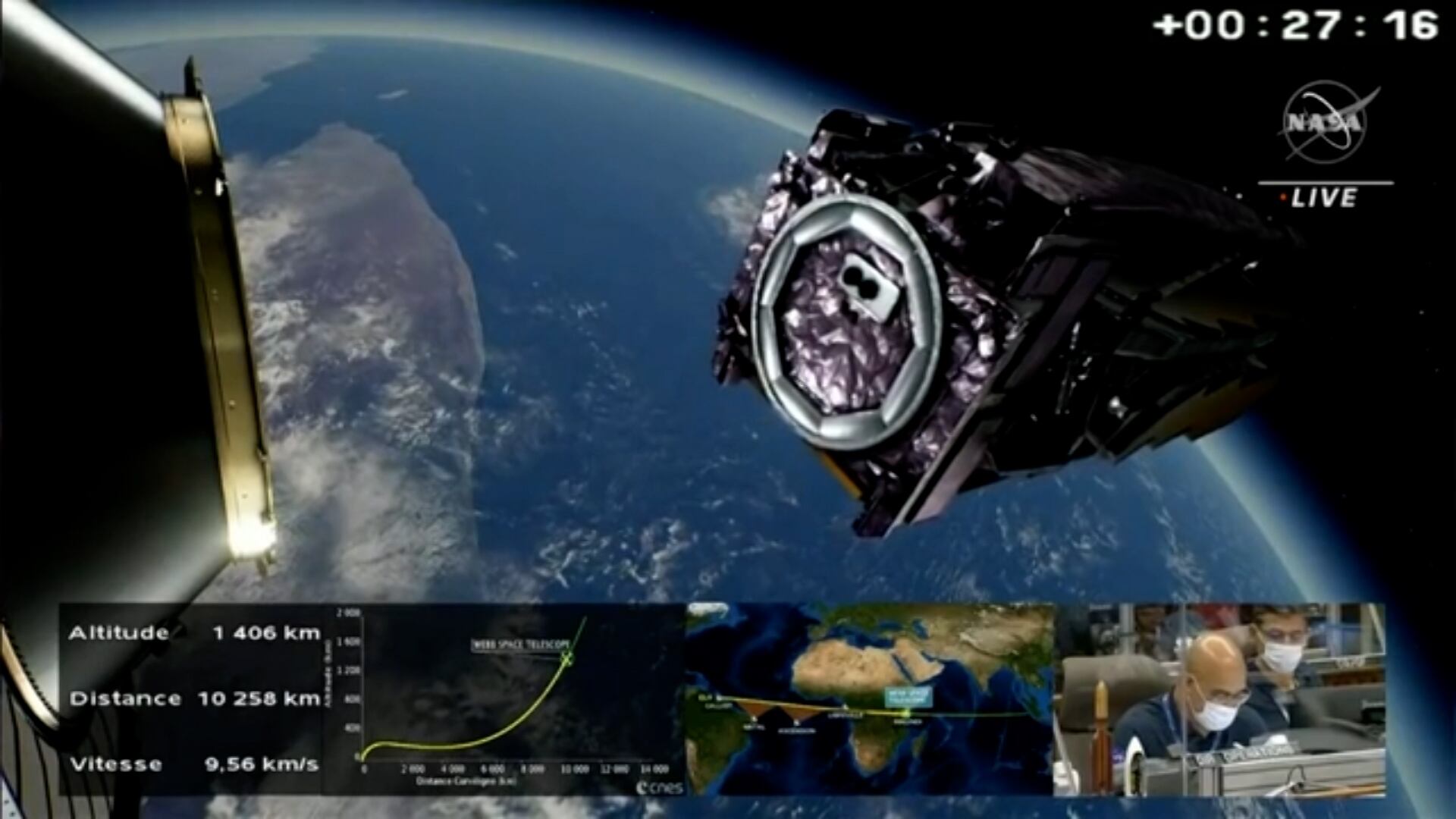
The Space Race In 2022
2021 was an exciting year for space innovations, but 2022 could hold even more in store. Cheddar took a deep dive into the space mission on tap for the year ahead.
U.S. Purchases 600K Doses of New Antibody Treatment Amid Omicron Surge
The United States purchased over 600,000 doses of a monoclonal antibody treatment from Glaxosmithkline and Vir Biotechnology, bringing the total worldwide doses purchased to 1.7 million. This comes as the country attempts to ramp up treatment options as cases of the omicron variant continue to surge. Dr. Asha Shah, Director of Infectious Diseases at Stamford Health joined Cheddar's Opening Bell to discuss.
2021: A Rebound of the Economy and Greenhouse Gas Emissions
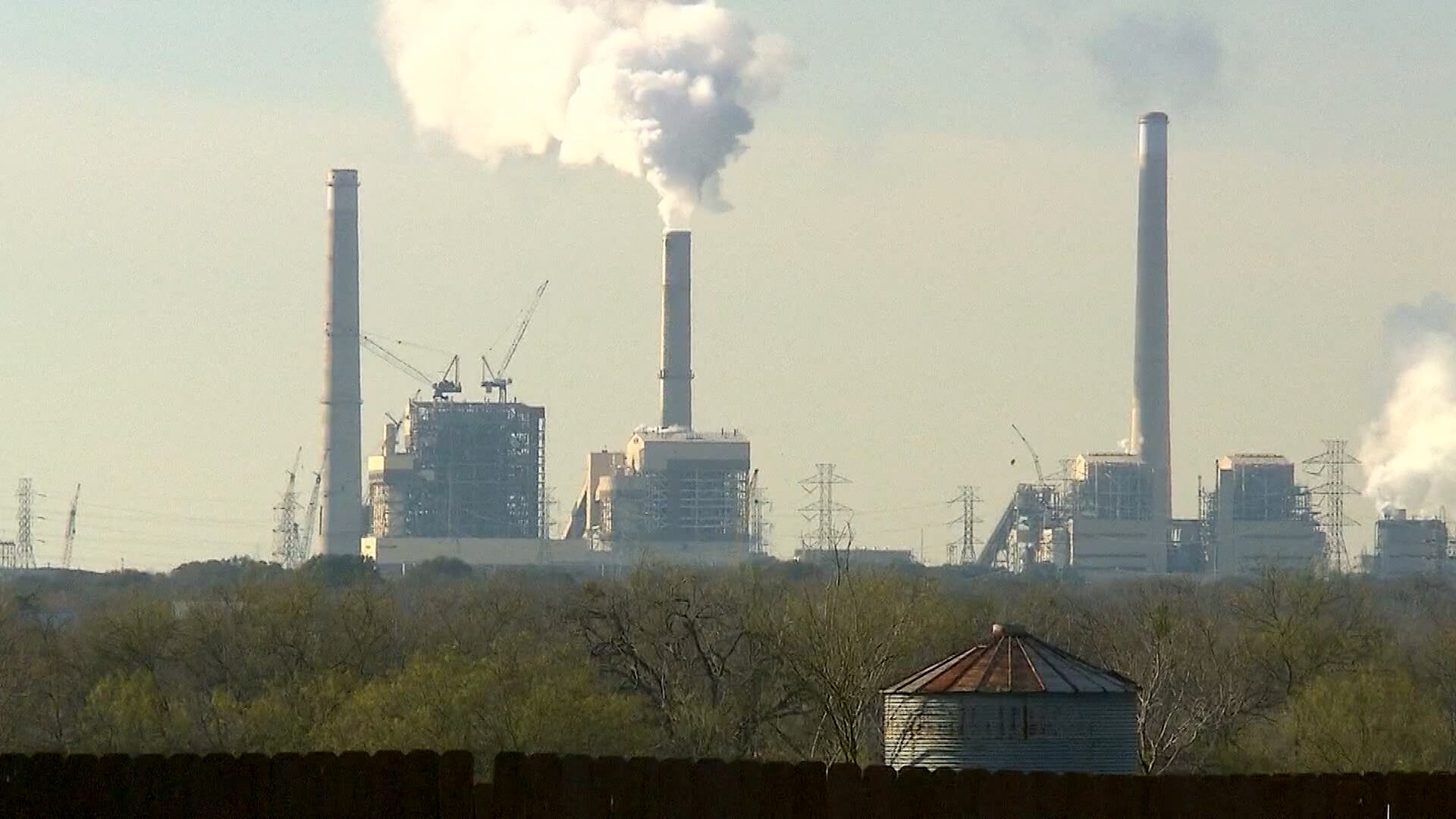
As the pandemic slammed the brakes on the nation's economy in 2020, America's greenhouse gas emissions reached their lowest levels in at least three decades. However, as the world, and the economy re-opened, 2021 told a much different story as emissions surged. Biden's flagship 'Build Back Better' act involves billions in spending on electric cars and renewables, in an effort to cut U.S. emissions, experts are still skeptical that the nation will meet the current 2030 target. Andrew Dessler, professor of atmospheric sciences at Texas A&M University, joins Cheddar News.
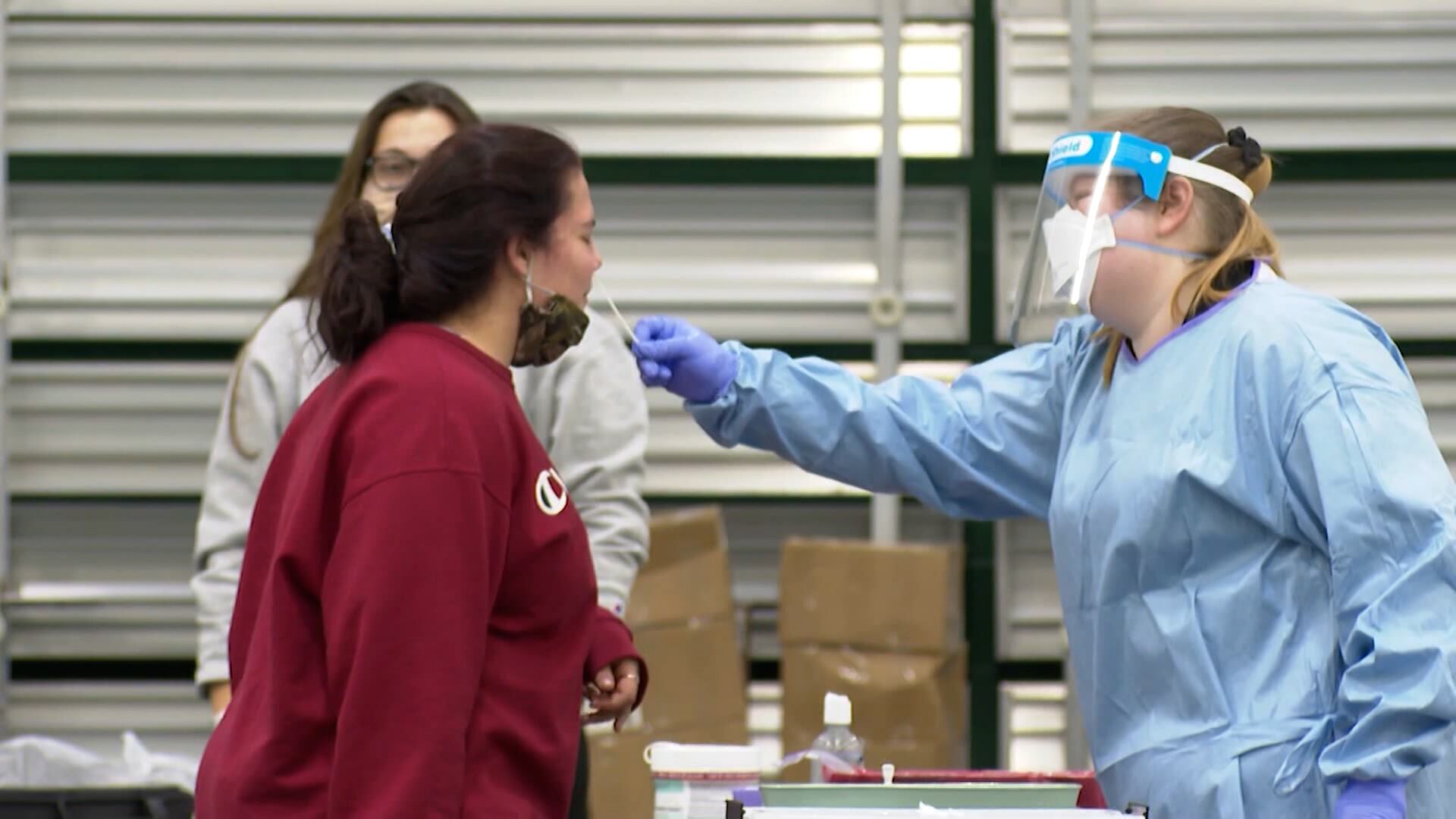
Experts Debate Throat vs. Nasal Swabs for Omicron Testing
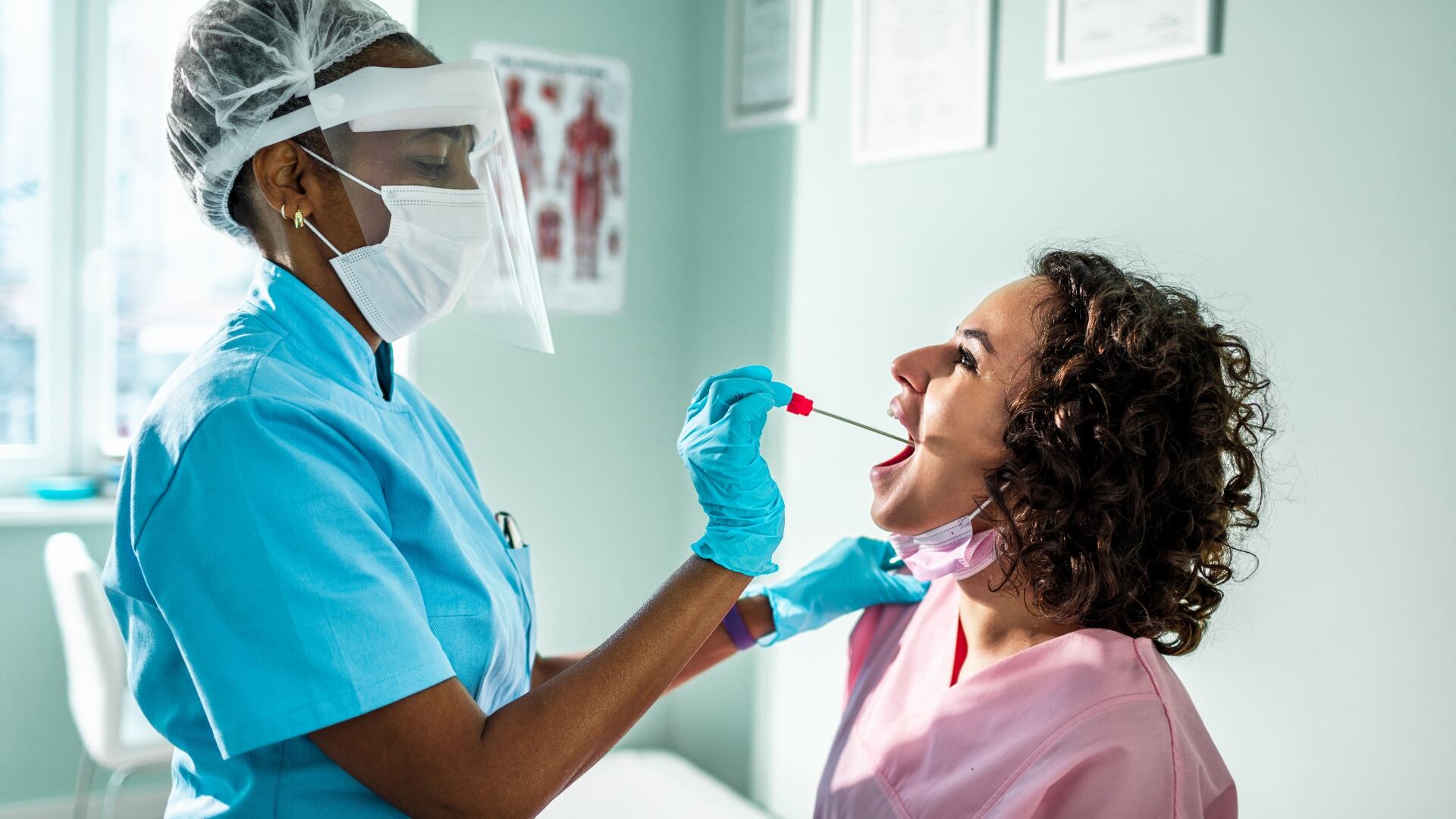
Amid the omicron surge, a new debate has emerged about whether or not throat swabs are more effective than nasal swabs for COVID testing. Dr. William Schaffner, MD, professor of infectious diseases, Vanderbilt Medical Center, sat down with Cheddar's News Wrap to weigh in on the dispute. "Should there be a change? You've got to do the studies, show that in the field [a throat swab] works as well or better than the nasal specimen," he said. "Let's not do it off our hips, as we say."
State of Emergency Declared in Virginia, as Multiple States Face Extreme Winter Weather
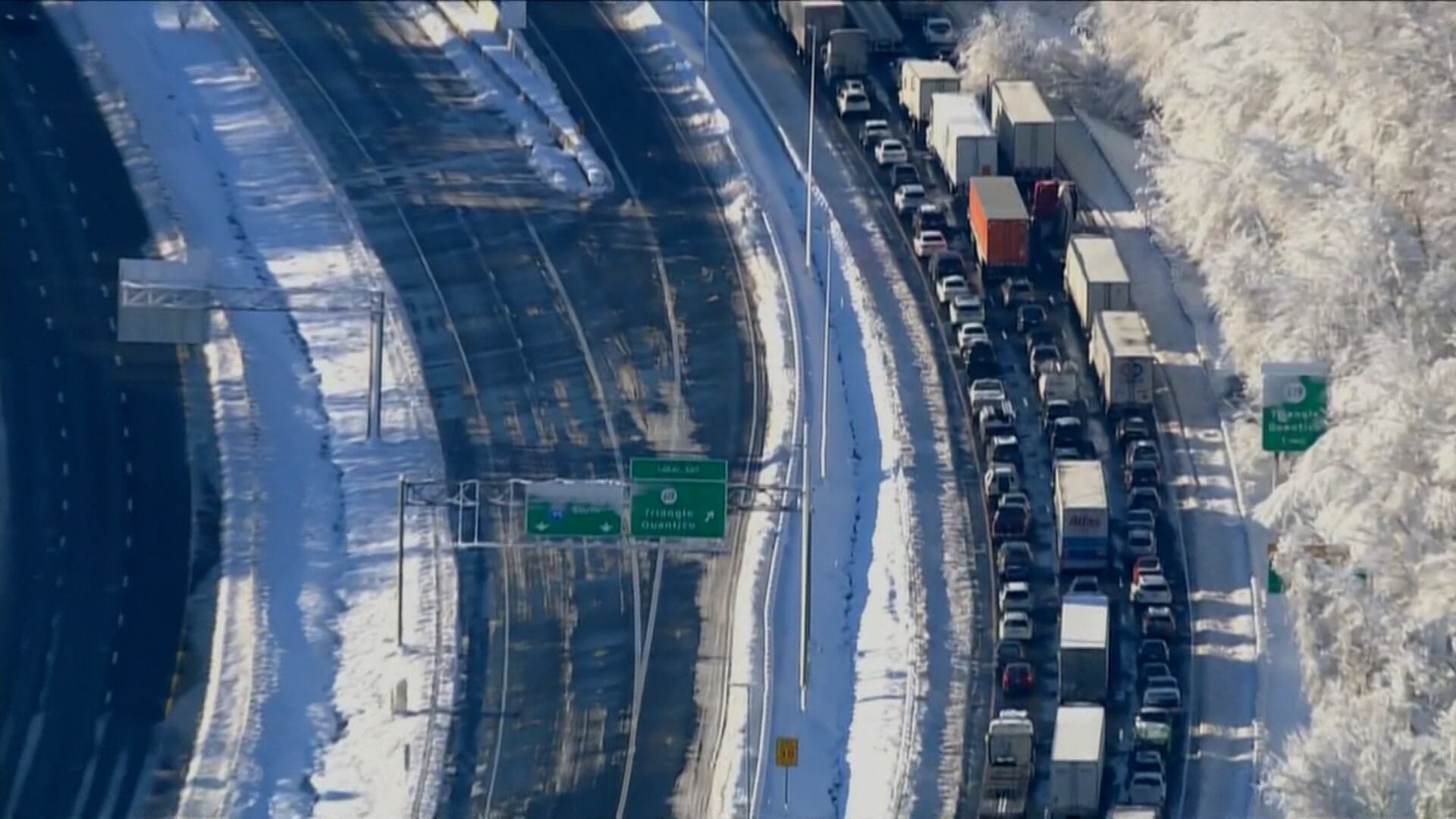
Virginia Governor Ralph Northam is declaring a state of emergency after Monday's winter storm left hundreds of drivers stranded on the interstate for more than 24 hours. The snow also knocked out power for many residents, with more than 100,000 outages remaining days later. Michael Wehner, a climate scientist at Lawrence Berkeley national laboratory, discusses recent weather disasters.
Walmart and Kroger Raise At-Home Covid Test Prices
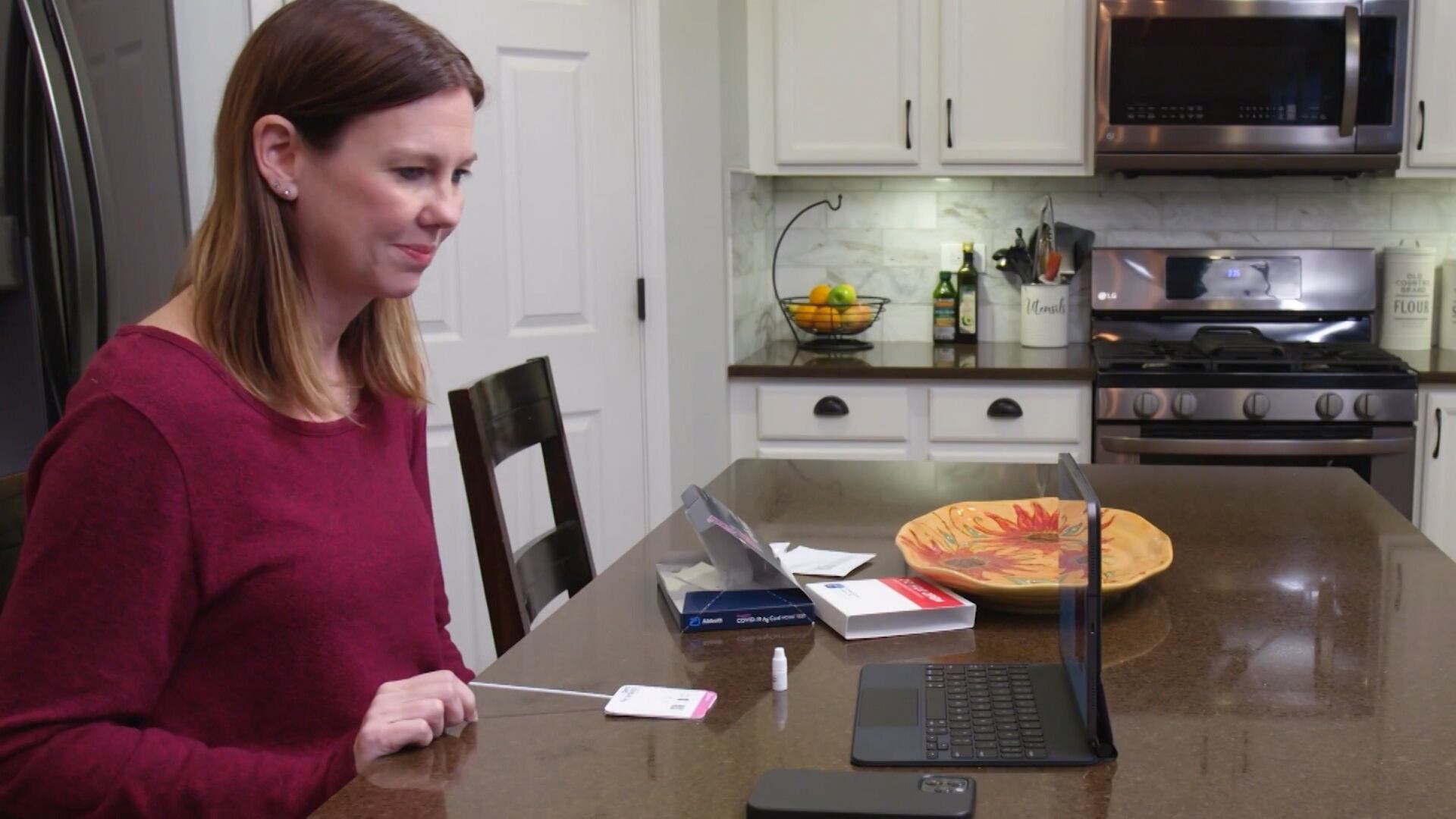
As the need for COVID-19 testing increases, so does the price of the tests themselves. An agreement with The White House and several major companies to sell the tests at a lower cost has now expired, sending prices up as retailers struggle to keep kits on shelves. Dr. Thomas McGinn, executive VP of physician enterprise at Common Spirit Health, joins Cheddar News to discuss.
Emission Surge Puts U.S. Further Off Track from Climate Targets
A new report shows 2021 saw a surge in U.S. greenhouse gas emissions, indicating that the country remains far off track from meeting President Biden's climate change targets. Biden previously pledged to cut the nation's emissions in half by 2030, and now experts warn that immediate action must be taken in order to get the nation back on track. Zeke Hausfather, director of climate and energy at The Breakthrough Institute on U.S. Emissions and Global Temperatures, joins Cheddar News to discuss.
Toyota's Chief Scientist on Importance of Diversifying EV Fleets, Including Hybrid Models
Electric vehicles are quickly becoming an accessible way for consumers to slash emissions as legacy automakers begin to electrify their fleets and world leaders including President Joe Biden push for broad EV adoption. But consumers have concerns about EV range, the availability of charging stations, and more. What if it were both helpful to consumers — and feasible from a climate change standpoint — to keep hybrid models that run on gas on the market? Gill Pratt, CEO of the Toyota Research Institute & Toyota Motor Corporation's Chief Scientist joins Cheddar Climate to discuss his team's research about 'carbon return on investment,' how Toyota is electrifying its fleet, and more.
Major Cold Snap Settles Across Much of the U.S.
It's a painfully cold week across a large portion of the U.S. with more than 185 million Americans experiencing below-freezing temperatures on Monday and 10 million of them dealing with dangerous sub-zero temps.
Load More