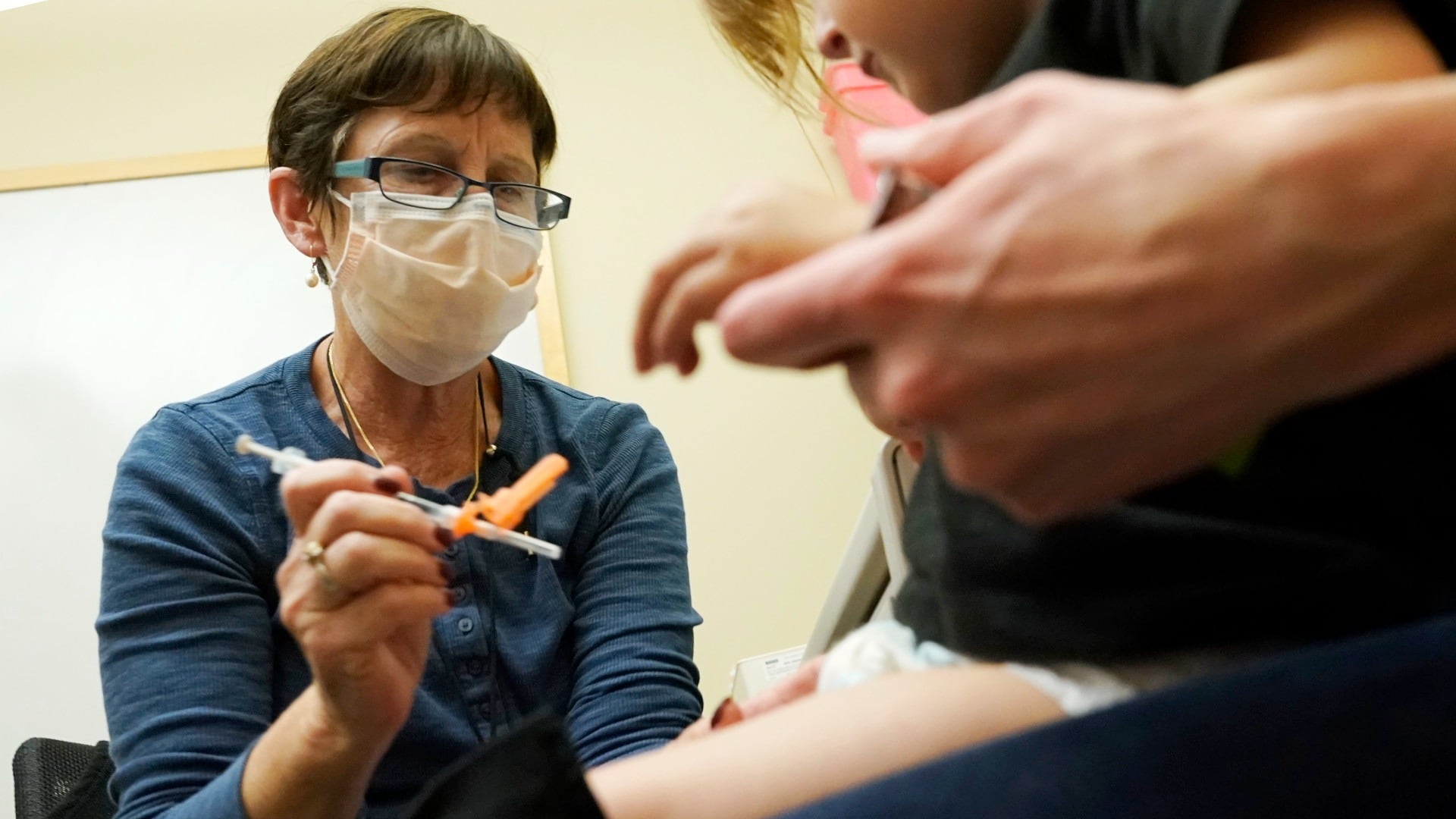
Deborah Sampson, left, a nurse at a University of Washington Medical Center clinic in Seattle, gives a Pfizer COVID-19 vaccine shot to a 20-month-old child, June 21, 2022, in Seattle. The U.S. on Thursday, Dec. 8, 2022 open doses of the updated COVID-19 vaccines for most children younger than age 5. The Food and Drug Administration's decision aims to better protect the littlest kids from severe COVID-19 at a time when children’s hospitals already are packed with tots suffering a variety of other respiratory illnesses, too. (AP Photo/Ted S. Warren, file)
Confidence in the scientific community declined among U.S. adults in 2022, a major survey shows, driven by a partisan divide in views of both science and medicine that emerged during the COVID-19 pandemic.
Overall, 39% of U.S. adults said they had “a great deal of confidence” in the scientific community, down from 48% in 2018 and 2021. That's according to the General Social Survey, a long-running poll conducted by NORC at the University of Chicago that has monitored Americans’ opinions on key topics since 1972.
An additional 48% of adults in the latest survey reported “only some” confidence, while 13% reported “hardly any,” according to an analysis of the survey by The Associated Press-NORC Center for Public Affairs Research.
“It doesn’t look all that dramatic when you just look at the trends for the overall public,” Benz said. “But when you dig into that by people’s political affiliations, there’s a really stark downturn and polarization.”
Between surveys in 2018 and 2021, as the pandemic took hold, the major parties’ trust levels headed in opposite directions. Democrats reported a growing level of confidence in science in 2021 — perhaps as a “rallying effect” around things like COVID-19 vaccines and prevention measures, Benz said. At the same time, Republicans saw their confidence start to plummet.
In the 2022 survey, Democrats’ confidence fell back to around pre-pandemic levels, with 53% reporting a great deal of confidence compared with 55% in 2018. But Republicans’ confidence continued its downward trend, dropping to 22% from 45% in 2018. Confidence in medicine has also grown more polarized since 2018. That year, Democrats and Republicans were about equally likely to say they had high confidence. By 2022, though, Republicans’ confidence had fallen to 26%, while Democrats’ has remained about the same as it was before the pandemic, at 42%.
Overall, 34% of Americans reported a great deal of confidence in medicine in 2022, compared with 39% before the pandemic.
Generally, scientists have had a high level of trust compared to other groups in the U.S., said John Besley, who studies public opinion about science at Michigan State University. And even with the latest declines, confidence in science is still higher than many other institutions, he pointed out.
But the split between political parties is a cause for concern, experts said.
“You can definitely see the impact here of people taking cues from their political leaders,” Benz said.
For Sudip Parikh, CEO of the American Association for the Advancement of Science, the drops were “disappointing but not surprising.” He sees them as part of an “overall pulling apart of our communities” and a loss of trust in many institutions.
The latest survey found that distrust has grown for some other groups, too. According to the 2022 survey, confidence in the Supreme Court has plunged to its lowest level in at least 50 years. Americans also reported lower levels of trust in education, the press, major companies and organized religion.
Besley said that scientists should communicate about their motives to help show that they are trustworthy: “Not only do we have some expertise, but that also we’re using that expertise to try to make the world better,” he said.
Parikh thought the stakes are high for rebuilding trust in science — and doing so across political lines.
“Science must be bipartisan,” he said. “The causes of Alzheimer’s are the same whether you’re a Republican or a Democrat. The fusion that goes on in the sun is the same whether you live in Topeka or you live in San Francisco.”
The General Social Survey has been conducted since 1972 by NORC at the University of Chicago. Sample sizes for each year’s survey vary from about 1,500 to about 4,000 adults, with margins of error falling between plus or minus 2 percentage points and plus or minus 3.1 percentage points. The most recent survey was conducted May 5, 2022, through Dec. 20, 2022, and includes interviews with 3,544 American adults. Results for the full sample have a margin of error of plus or minus 3 percentage points.
After months of investigation, board members from U.S. big oil companies were slated to appear before a House oversight committee this week to discuss their respective roles in pushing for climate initiatives internally. However, all four board members from Exxon, Shell, Chevron, and BP said they couldn't attend due to scheduling conflicts. Climate experts are testifying in their place about how effective big oil's climate promises have been so far. Meanwhile, President Joe Biden's lead science adviser Eric Lander has resigned after an investigation found he violated workplace policy. What will this mean for Biden's climate agenda? Amy Harder, executive editor of Cipher, a publication by Breakthrough Energy, joins Cheddar Climate to discuss.
Although this week's weather is predicted to be less severe than the 2021 storm, Texans are preparing for the worst - stocking up on supplies and emptying shelves in grocery stores, once again. Some Texans still have not recovered from last year's tragedy, and are heading into the next few weeks with anxiety for what's to come. Leslie Beyer, CEO of the Houston-based energy workforce & technology council, joins Cheddar News to discuss if the Texas grid will fail again.
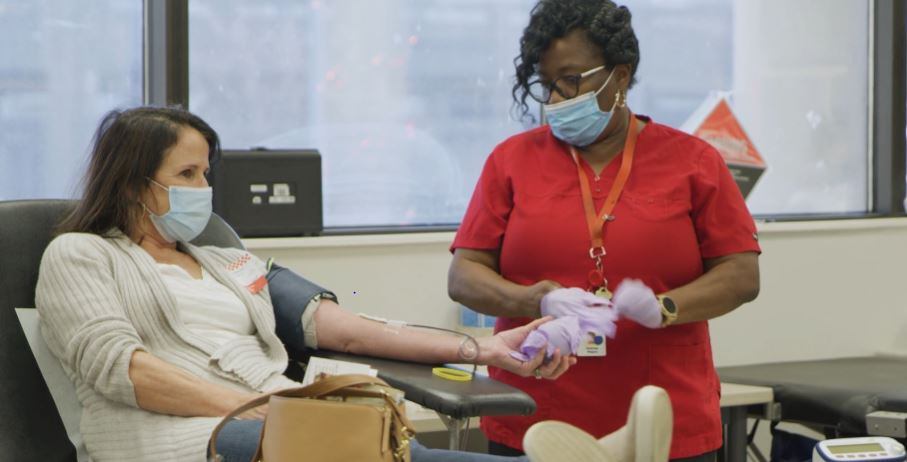
The American Red Cross has declared its first-ever "national blood crisis" in the United States. Since COVID hit the U.S. in March 2020, blood donations have declined by 10 percent. American Red Cross Medical Director, Dr. Baia Lasky joined Cheddar News to discuss the country facing the worst blood shortage in over a decade. Dr. Lasky noted that as much as 40 percent of Americans are eligible to donate blood but only about 4 percent do so. "This is going to be ongoing," she said. "This is not an acute shortage. We really do need the commitment of people to come out and donate and donate again." Appointments to donate can be made by using the Red Cross Donor App, at RedCrossBlood.org, or calling 1-800-RED CROSS (1-800-733-2767).
Eight months after the National Football League announced $1 million in research into cannabinoids, the NFL-NFLPA Joint Pain Management Committee has awarded the funding to two teams of medical researchers at the University of California San Diego and the University of Regina. The NFL says the studies will investigate the effects of cannabinoids on pain management and neuroprotection from concussion in elite football players, respectively. Cheddar correspondent Chloe Ailello spoke with Jeff Miller, the executive vice president of communications, public affairs, and policy for the NFL, about the studies, as well as the recent lawsuit filed against the NFL by former Miami Dolphins head coach Brian Flores. "Maybe we can learn things from other alternative pain approaches that are going to benefit our player population and then sports medicine as a whole," Miller said.
On this episode of Cheddar Innovates: CEO of HereAfter AI discusses how artificial intelligence can be used to preserve family history and stories, and allow you to 'talk' to loved ones that have passed; Creator of the board game 'Travel Explore Discover' explains how she came up with the idea for this informative and educational board game, and how she's using the proceeds to give back to her community; Cheddar gets a look at Curiosity Stream's 'The Humboldt Current.'
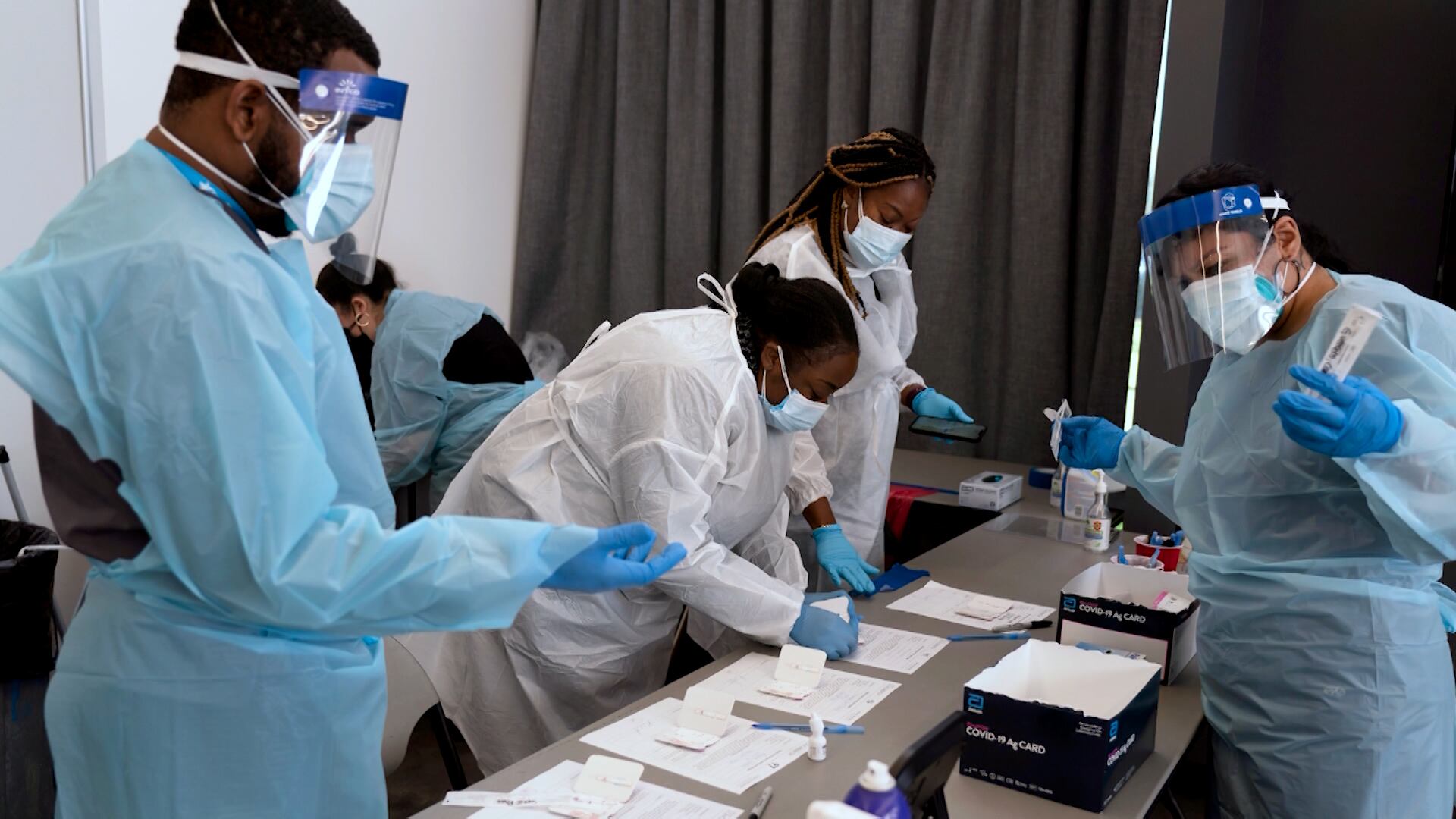
Immunologist Dr. Purvi Parikh of the Allergy & Asthma Network joined Cheddar News to break down long Covid, in which Covid symptoms remain up to two years after infection; a phenomenon that has so far mystified health experts.
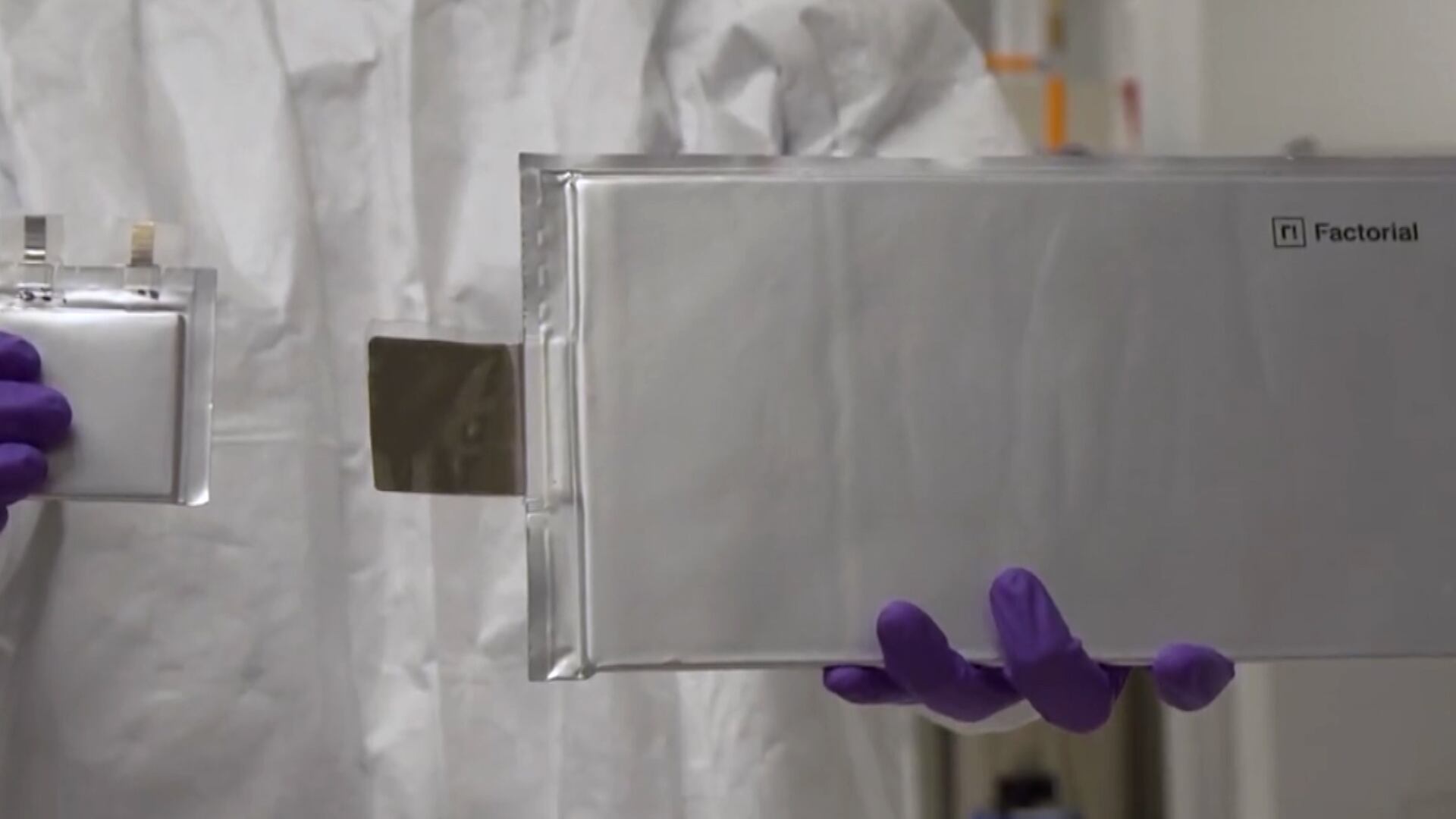
Solid-state battery maker Factorial Energy recently raised $200 million in a Series D round led by Mercedes-Benz and Stellantis. Factorial says the funding will be used to accelerate commercial production and deployment of its solid-state battery technology, which the company says is safer, and offers up to 50% more driving range than current lithium-ion technology. Factorial also has joint development agreements (announced in late 2021) with Mercedes-Benz, Stellantis, and Hyundai, three of the top 10 global automotive manufacturers, to commercialize its batteries. Factorial CEO Siyu Huang joined Cheddar News' Closing Bell to discuss.
David Malott, founder and chief architect at AI PlanetWorks joins Cheddar News to discuss the release of its augmented reality NFTs for the metaverse called 'TERA.'
A 2021 report from UK Research and Innovation found that the shipping industry makes up at least 2.5 percent of the world's total CO2 emissions. It's a problem that energy solutions company, Leclanché, is trying to solve. Founded in 1909, the company has been developing and producing batteries for more than 100 years. Today, Leclanché's lithium-ion battery is used to electrify not just ships, but also railroad locomotives, trucks, and specialty vehicles. Cheddar News spoke with Pierre Blanc, chief technology and industrial officer of Leclanché, to discuss.