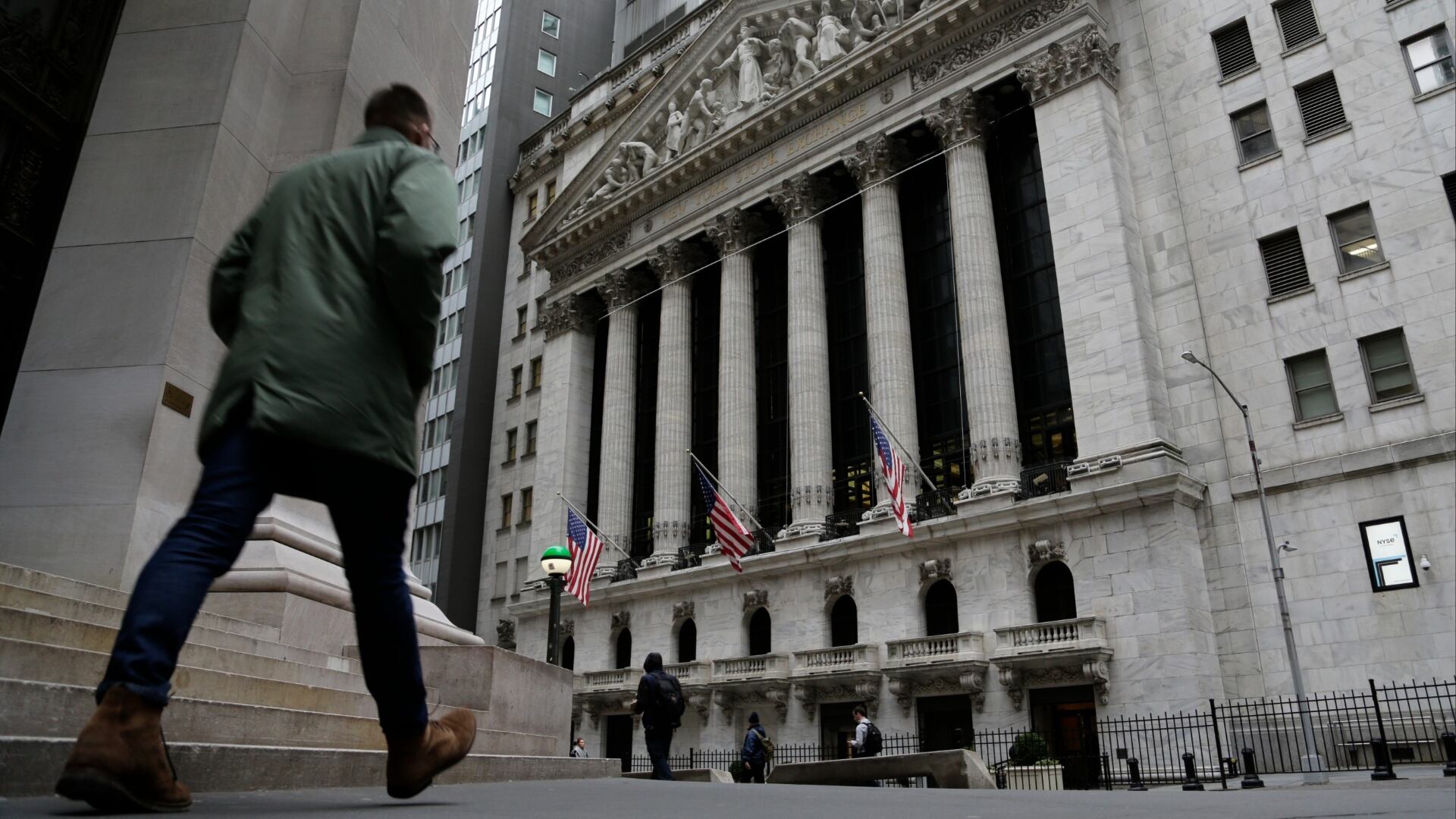
*By Madison Alworth* Coca-Cola announced Friday it will buy the UK coffee chain Costa for a piping $5.1 billion. The deal is Coke's largest acquisition to date. According to Wall Street Journal reporter Jennifer Maloney, this was a diversification move, and Coke CEO James Quincey's way to make good on his word. "He wanted to provide beverages to people at any time of day and any occasion," Maloney said Friday in an interview with Cheddar. The deal marks Coke's first foray into the hot beverage industry. The timing couldn't be better. With the [soda market] (https://www.businessinsider.com/pepsi-ceo-inda-nooyi-predicted-soda-declines-2018-8) continuing to fall, Coca-Cola is looking to add more options to its portfolio. This move is also just the latest in a bubbling trend of soda brands trying to please calorie-conscious consumers. A little over a week ago, [Pepsi](https://cheddar.com/videos/pepsi-adds-sodastream-to-healthy-drinks-lineup) announced its purchase of seltzer machine maker SodaStream. Costa has a large footprint abroad with 3,800 cafes in the U.K. and a growing presence in China. That country has been a target of the coffee industry as consumption of the caffeinated beverage continues to soar. Although Chinese consumers traditionally prefer tea, Chinese millennials are adopting java in droves. According to the International Coffee Organization and the U.S. Department of Agriculture, over the past four years coffee imports to China have grown by 16 percent a year compared to 2 percent in the U.S. According to Maloney, China is Costa's biggest market outside of the UK. Costa has approximately 450 locations in the country and Coke's CEO is focused on that as a new market. "He sees China as a great opportunity to expand retail locations," Maloney said. For full interview [click here](https://cheddar.com/videos/coca-cola-cozies-up-to-costa).