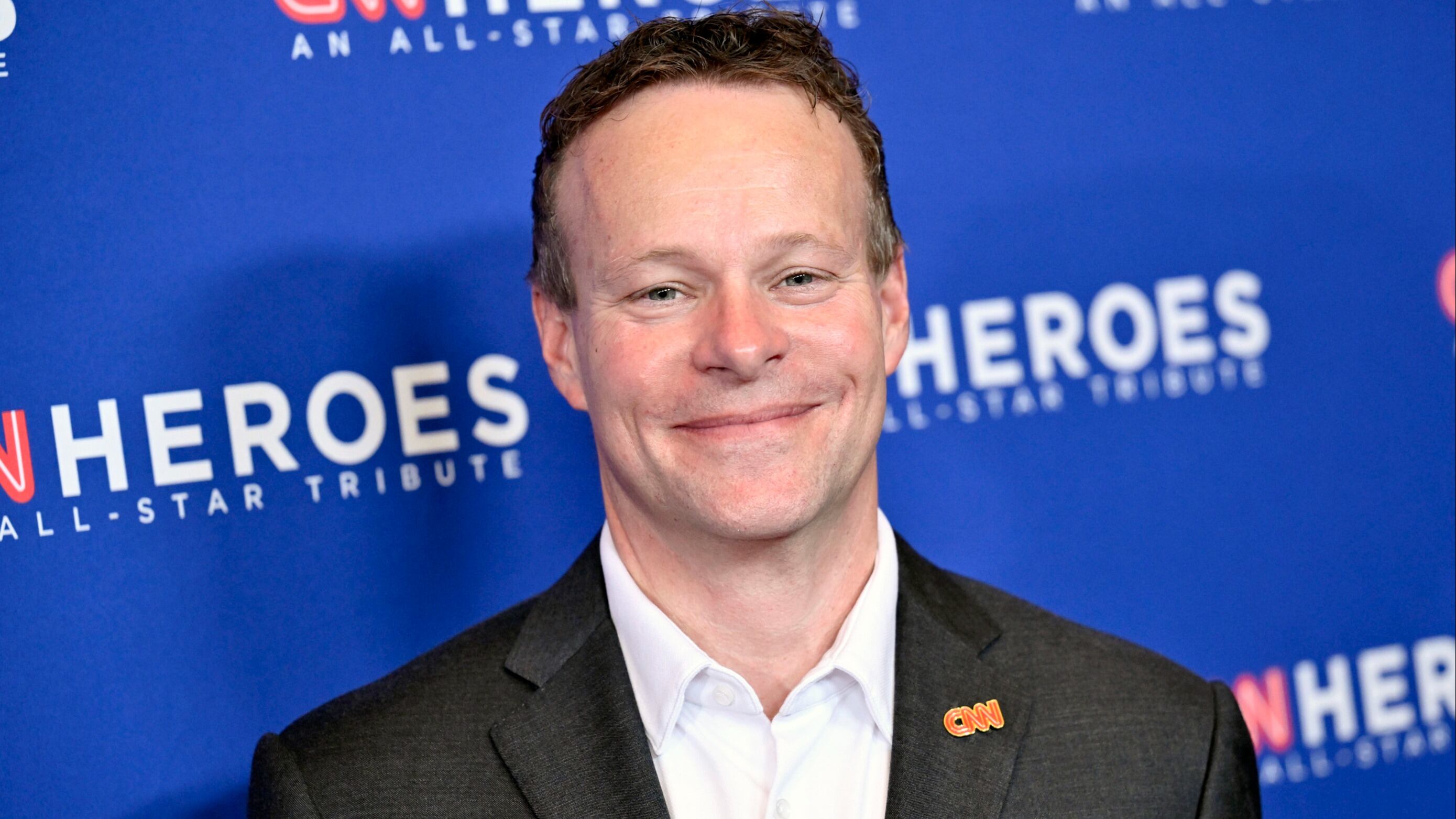
David Zaslav, the CEO of CNN parent company Warner Bros. Discovery, announced the leadership change on CNN’s morning editorial call on Wednesday.
Zaslav appointed a four-person leadership team to lead the network in the interim.
Licht replaced Jeff Zucker as CNN’s chief executive last year, with a mandate to make the network move the network more toward the political center. But a town hall meeting with Donald Trump received wide criticism, and a revamp of the network's morning show imploded with the firing of Don Lemon.
A lengthy profile of Licht in Atlantic magazine that came out on Friday proved embarrassing and likely sealed his fate. Only two days ago, Licht promised on the same morning editorial call to fight to regain the trust of CNN employees.
But internally, Licht couldn't gain the support of many at the network who felt loyal to Zucker, who was forced out following the revelation of an improper relationship with a work colleague.
CNN's May ratings were dismal, with prime-time viewership less than half of rival of MSNBC, with Fox News Channel still leading among the cable networks.
Zaslav appointed four current CNN executives — Amy Entelis, Virginia Moseley, Eric Sherling and David Leavy — to run the network while a search for a replacement is conducted.
“We are in good hands, allowing us to take the time we need to run a thoughtful and thorough search for a new leader,” Zaslav said in a memo to CNN staff.
Walmart, which became the nation’s largest retailer by making low prices a priority, has found itself in a place it’s rarely been: Warning customers that prices will rise for goods ranging from bananas to car seats.
Chris Beauchamp, Chief Market Analyst at IG International, joins J.D. Durkin to give analysis on the recent trade truce between the U.S. and China. Watch!
Shan Aggarwal, VP of Corporate and Business Development at Coinbase, discusses the company's acquisitio of Deribit as it heads into the S&P 500. Watch!
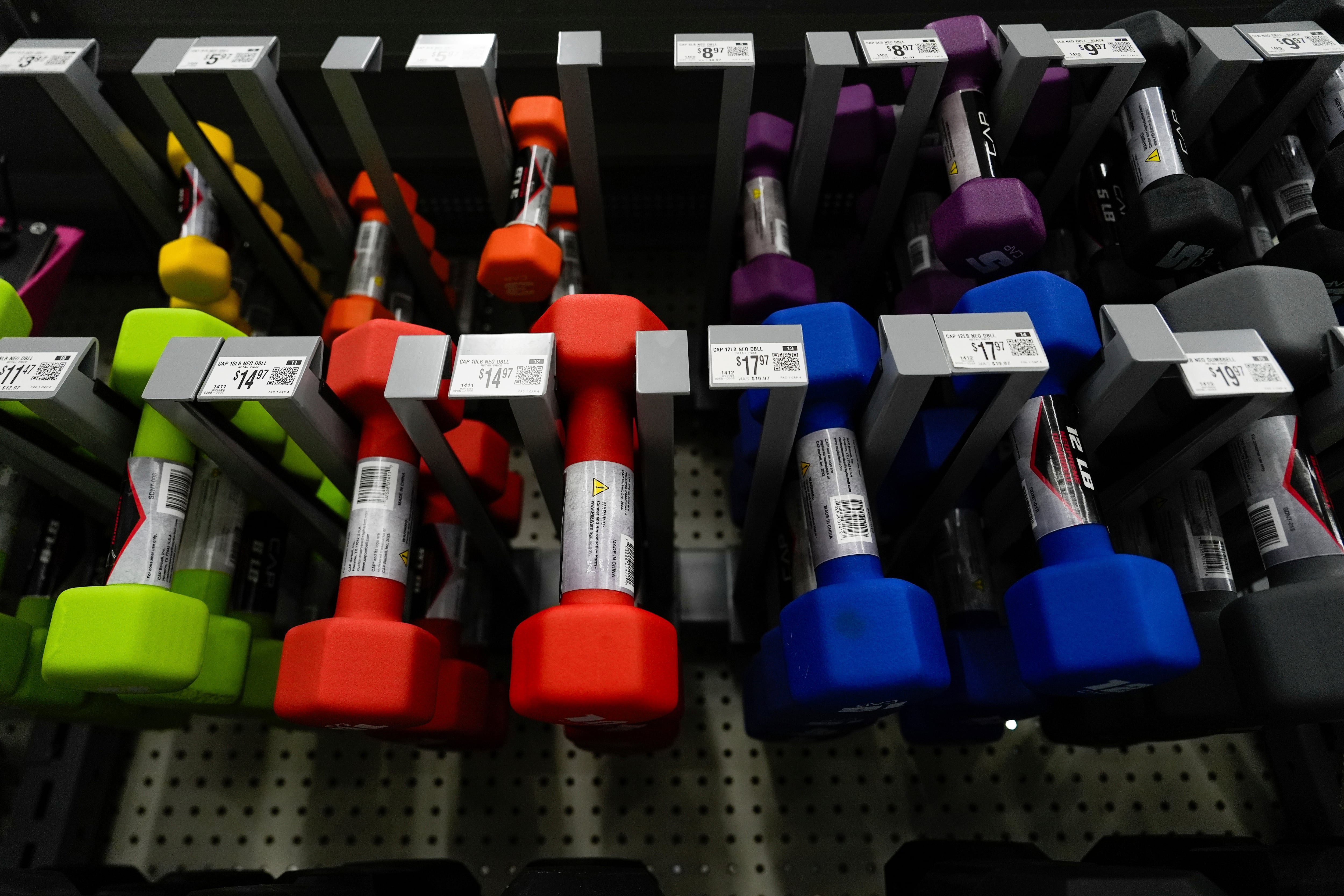
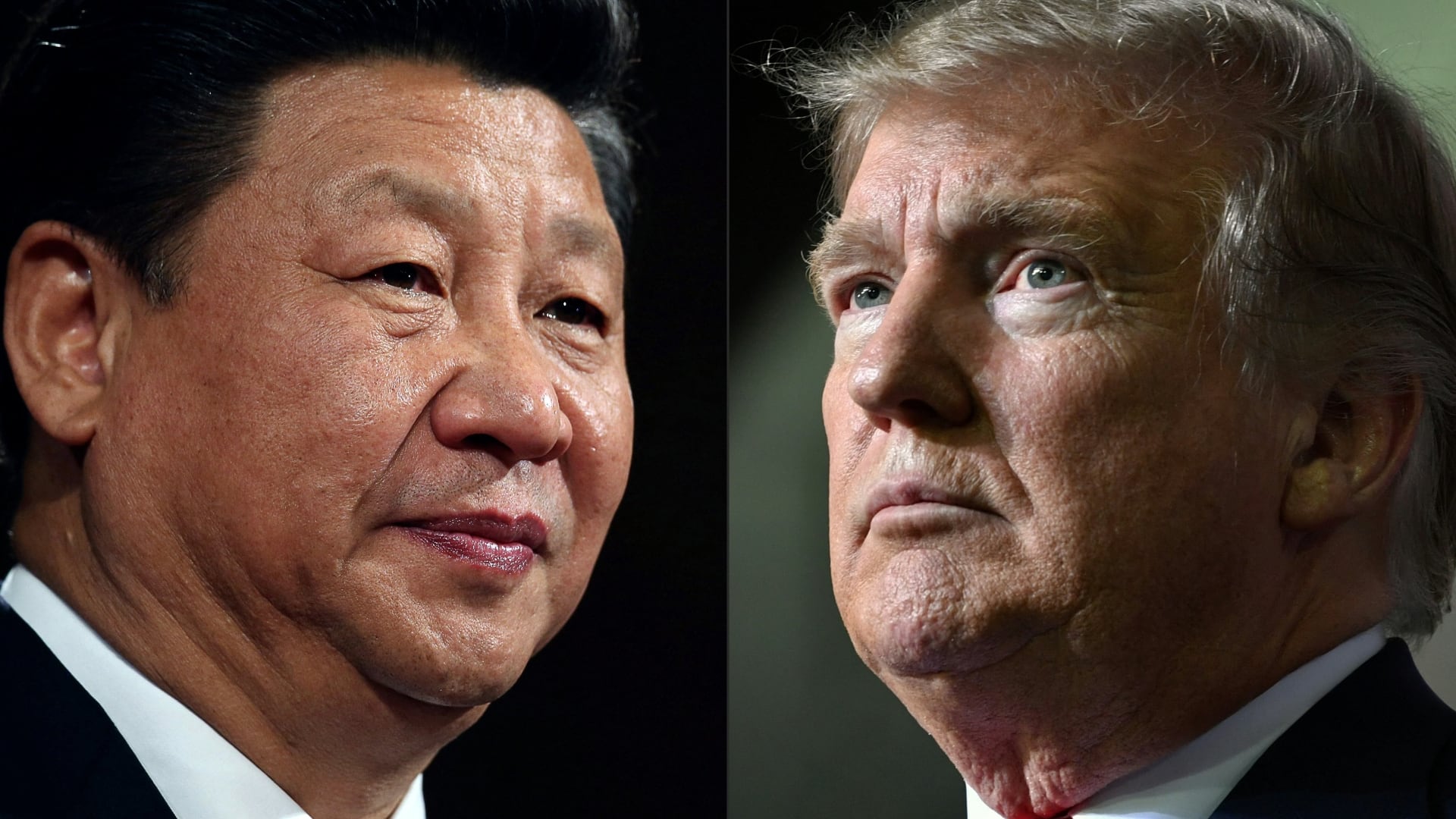
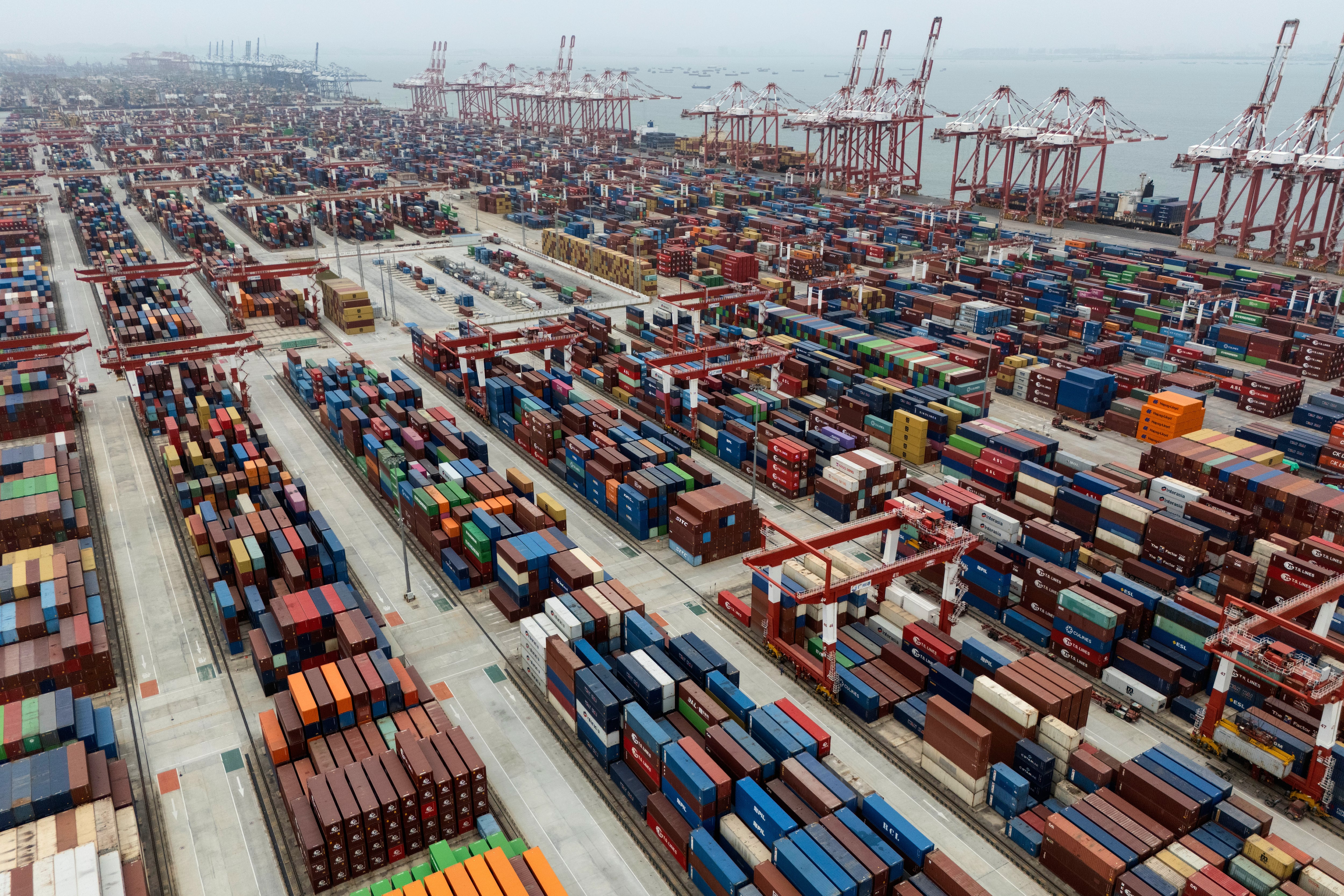
American businesses that rely on Chinese goods are reacting with muted relief after the U.S. and China agreed to pause their exorbitant tariffs on each other’s products for 90 days. Many companies delayed or canceled orders after President Donald Trump last month put a 145% tariff on items made in China. Importers still face relatively high tariffs, however, as well as uncertainty over what will happen in the coming weeks and months. The temporary truce was announced as retailers and their suppliers are looking to finalize their plans and orders for the holiday shopping season. They’re concerned a mad scramble to get goods onto ships will lead to bottlenecks and increased shipping costs.
Shopping expert Trae Bodge discusses how talks between the U.S. and China is good news for now, but uncertainty remains for back-to-school and the holidays.
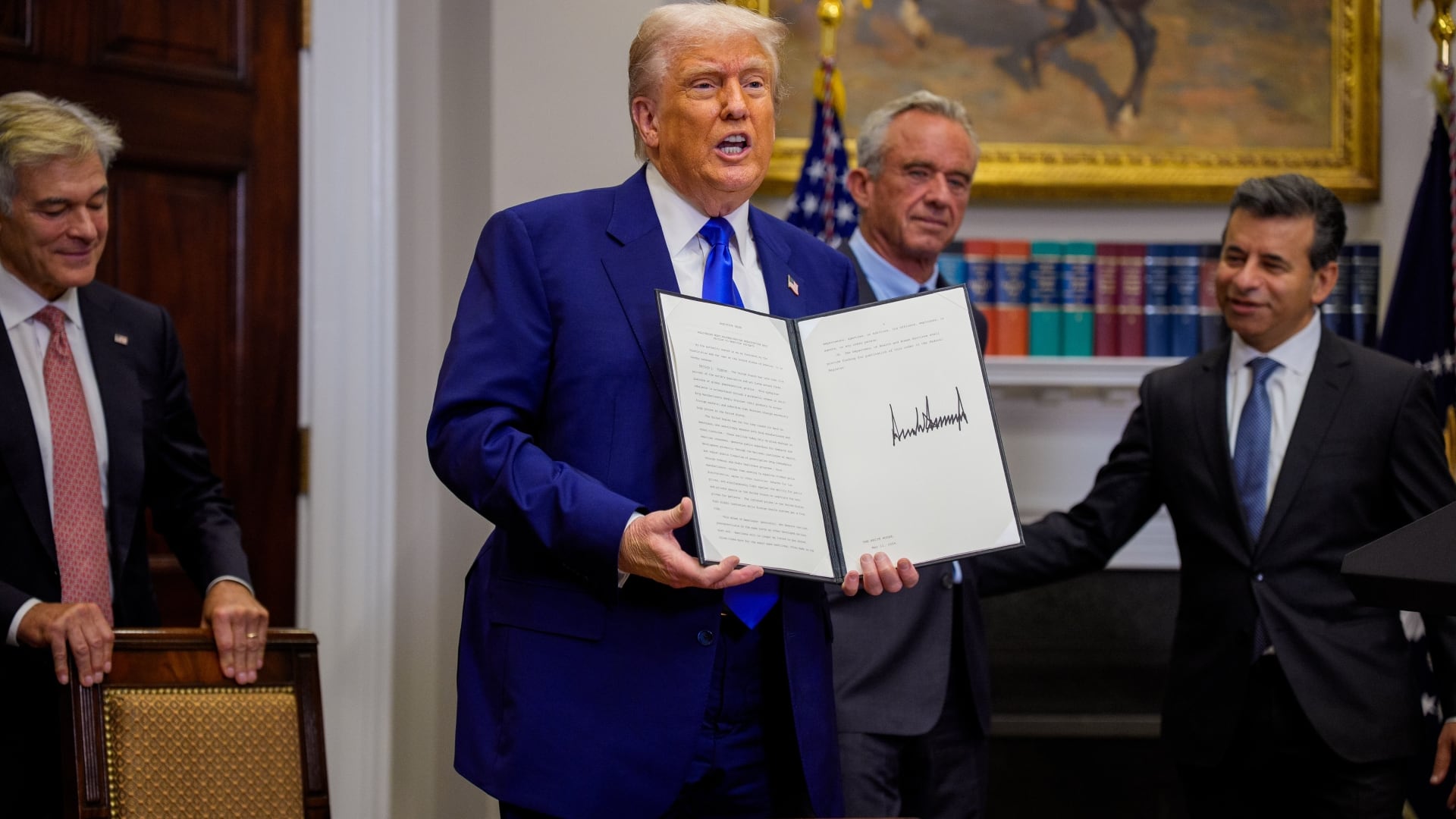
Jake Traylor, White House reporter at Politico, joins Cheddar to discuss how Trump is aiming to lower drug prices and how it differs from Biden's approach.