Bob Henson, weather and climate blogger at Weather Underground, discuss the arctic blast of cold air the United States has seen over the last couple of weeks and the "bomb" cyclone that meteorologists are calling winter storm Grayson.
Henson tells us what a "bomb" cyclone is, noting that "Grayson" is actually a "double bomb" because of the intensity and speed at which the pressure dropped.
We also talk the differences between climate and weather, referencing President Trump's tweet that insinuates that cold weather might be a reason to dismiss climate change is real.
Henson also compares winter storm Grayson to 1993's "Storm of the Century," breaking down the differences and similarities between the two.
New research shows that exposure to polyfluoroalkyl substances (PFAS), also known as "forever chemicals" can hamper growth and development in children by "altering hormonal and metabolic pathways."
The Centers for Disease Control and Prevention (CDC) on Monday warned that a deadly fungus called Candida auris (C. auris) is spreading at an "alarming rate" in the U.S. healthcare facilities.
Karuna Therapeutics' top-experimental schizophrenia drug significantly reduced symptoms in a late-stage trial but there were concerns that it could cause hypertension in patients.
One of television's most successful writers made a big donation to the Cedars Sinai Medical Center in Los Angeles to help underserved community members gain the skills to become health care professionals.
The UN Intergovernmental Panel on Climate Change (IPCC) has released a new report providing multiple options for how the world can survive and adapt to climate change.
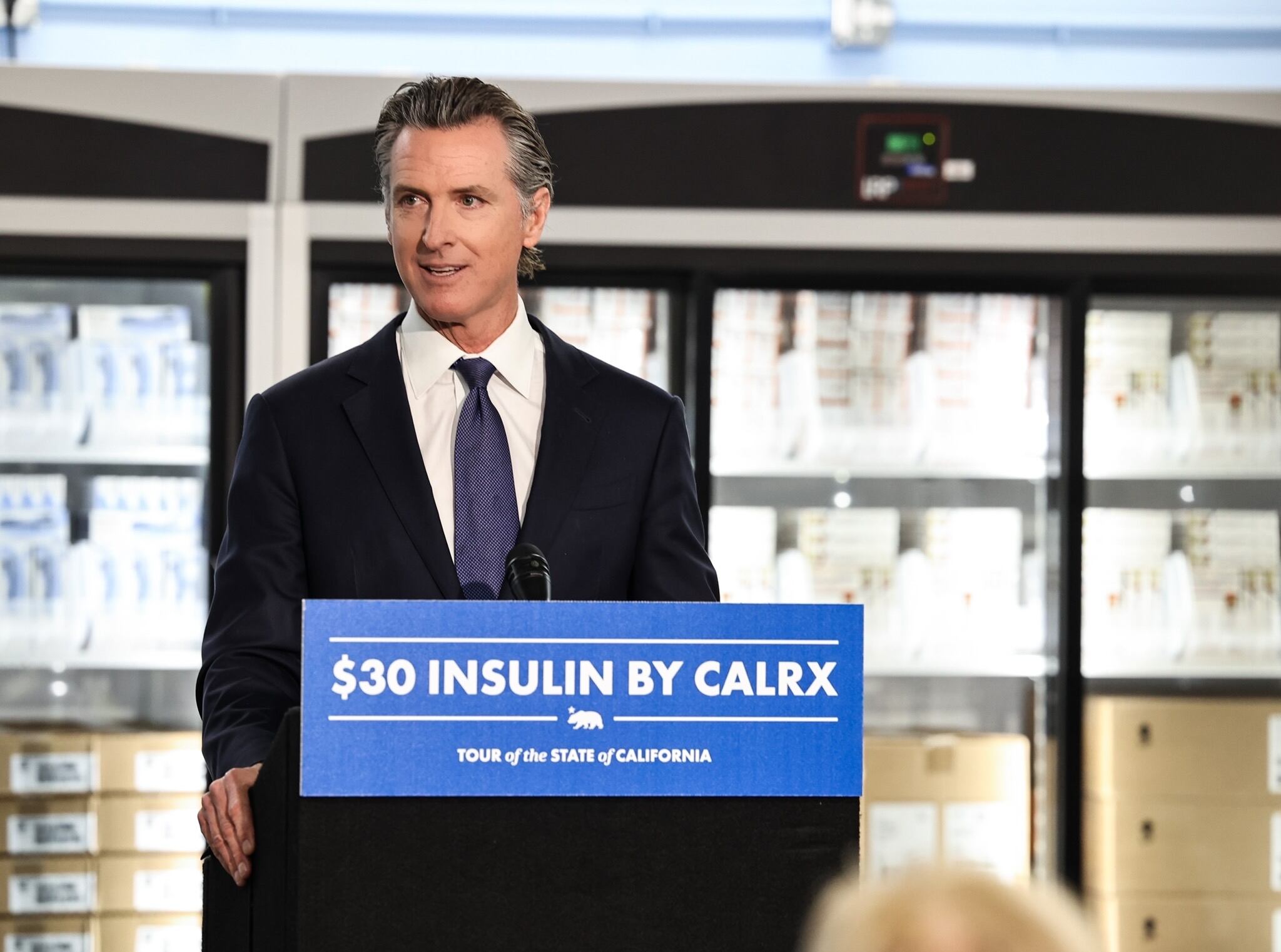
California Gov. Gavin Newsom over the weekend announced that the state has secured a contract with CIVCA to make $30 insulin available to all who need it. He also announced that the state will start manufacturing Naloxone, an emergency medication used to rapidly reverse the effects of an opioid overdose.
The global bottled water industry is booming, and it's coming at a steep environmental cost, according to the United Nations University Institute for Water, Environment and Health.