Bob Henson, weather and climate blogger at Weather Underground, discuss the arctic blast of cold air the United States has seen over the last couple of weeks and the "bomb" cyclone that meteorologists are calling winter storm Grayson.
Henson tells us what a "bomb" cyclone is, noting that "Grayson" is actually a "double bomb" because of the intensity and speed at which the pressure dropped.
We also talk the differences between climate and weather, referencing President Trump's tweet that insinuates that cold weather might be a reason to dismiss climate change is real.
Henson also compares winter storm Grayson to 1993's "Storm of the Century," breaking down the differences and similarities between the two.
The World Health Organization's cancer agency has deemed the sweetener aspartame — found in diet soda and countless other foods — as a “possible” cause of cancer, while a separate expert group looking at the same evidence said it still considers the sugar substitute safe in limited quantities.
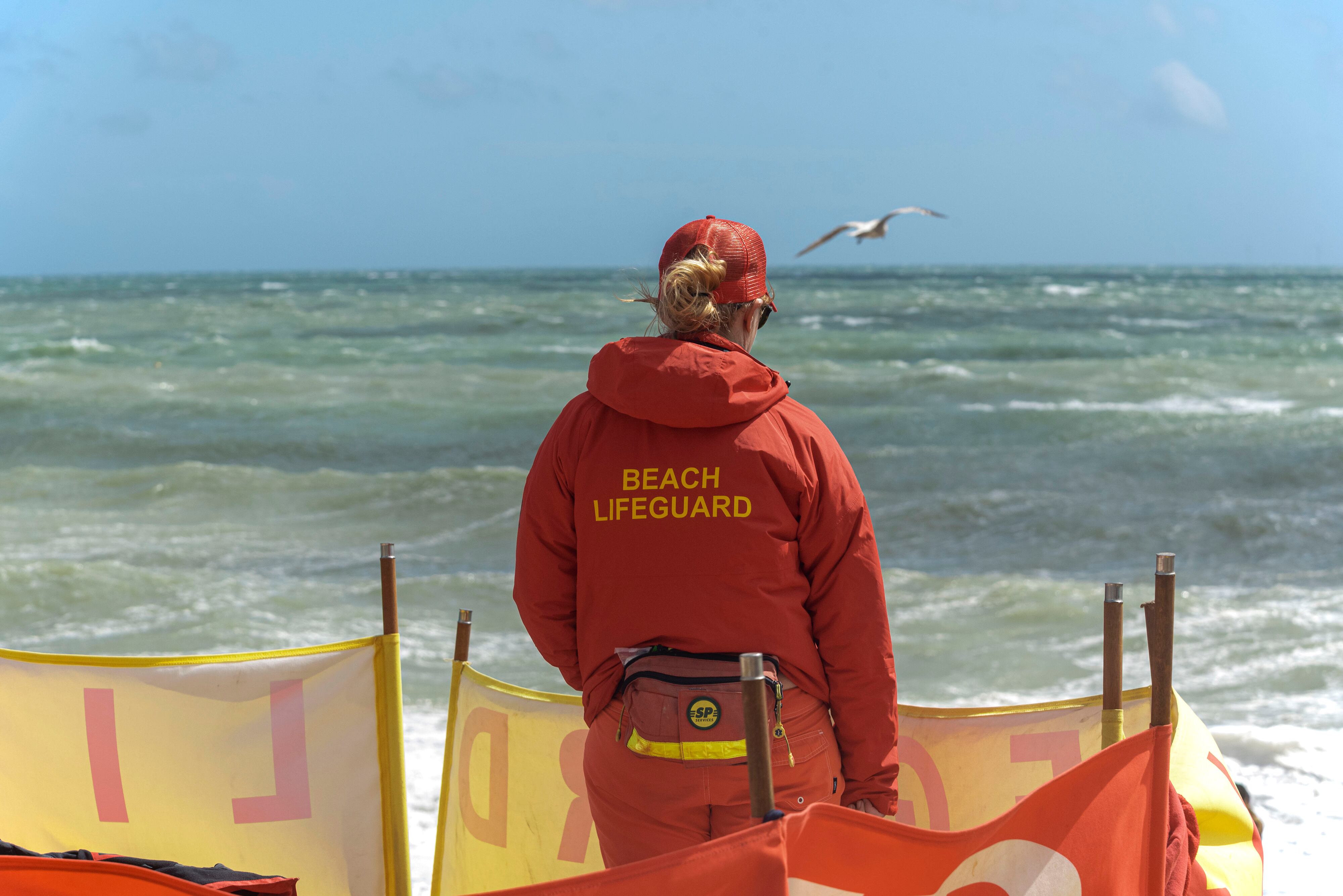
More than a third of Americans were under extreme heat advisories, watches and warnings Thursday as a blistering heat wave that's been baking the nation spread further into California, forcing residents to seek out air conditioning or find other ways to stay cool in triple-digit temperatures.
Tourists in central Athens huddled under mist machines, and zoo animals in Madrid were fed fruit popsicles and chunks of frozen food, as southern Europeans braced for a heat wave Thursday, with a warning of severe conditions coming from the European Union’s space agency.
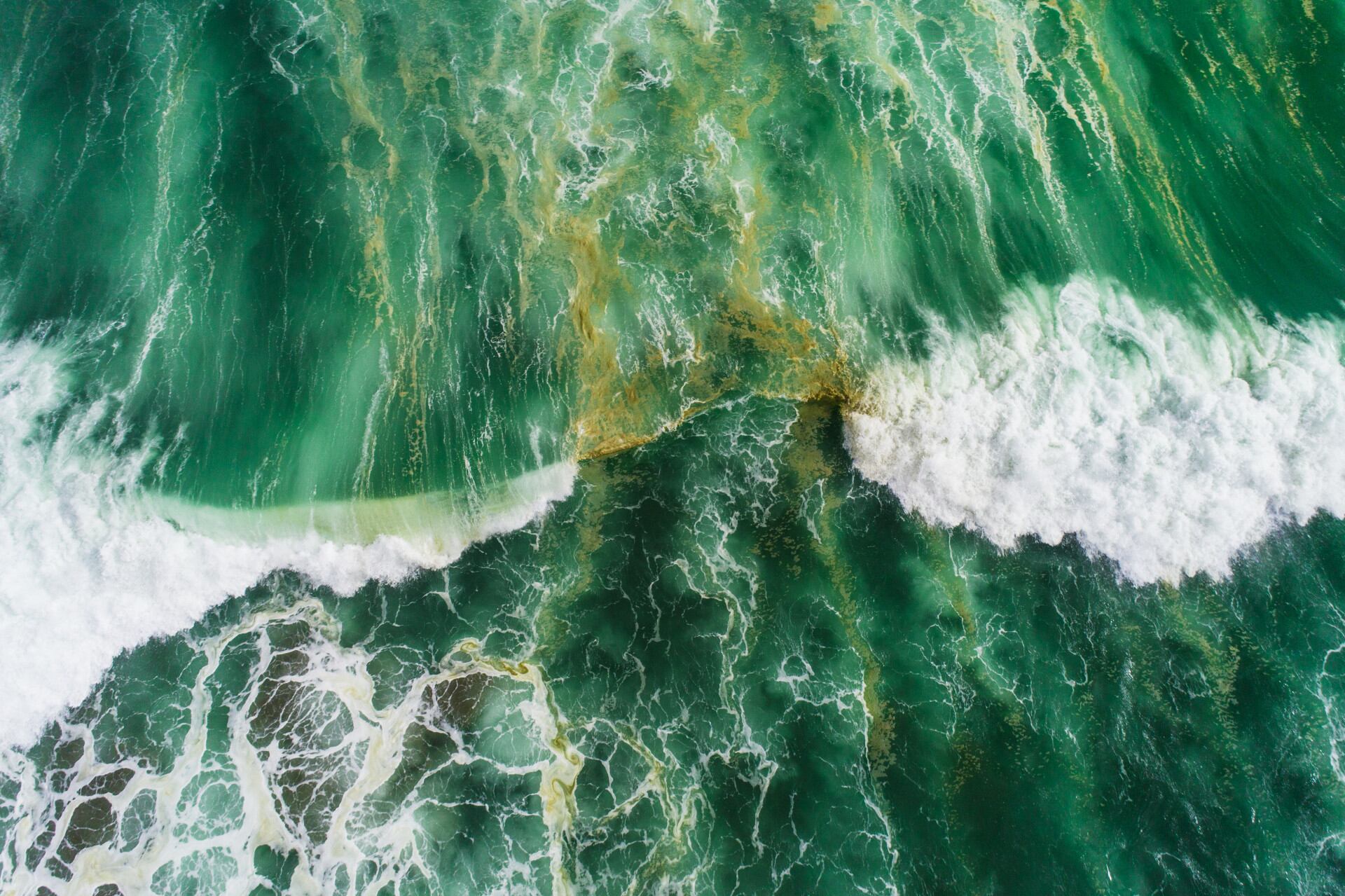
A new study published in Nature has found that more than 56 percent of the world's oceans have changed color in the past 20 years, and climate change is to blame.
Recently discovered teeth of a two-million-year-old human relative in Africa could give researchers new insight into genetics.
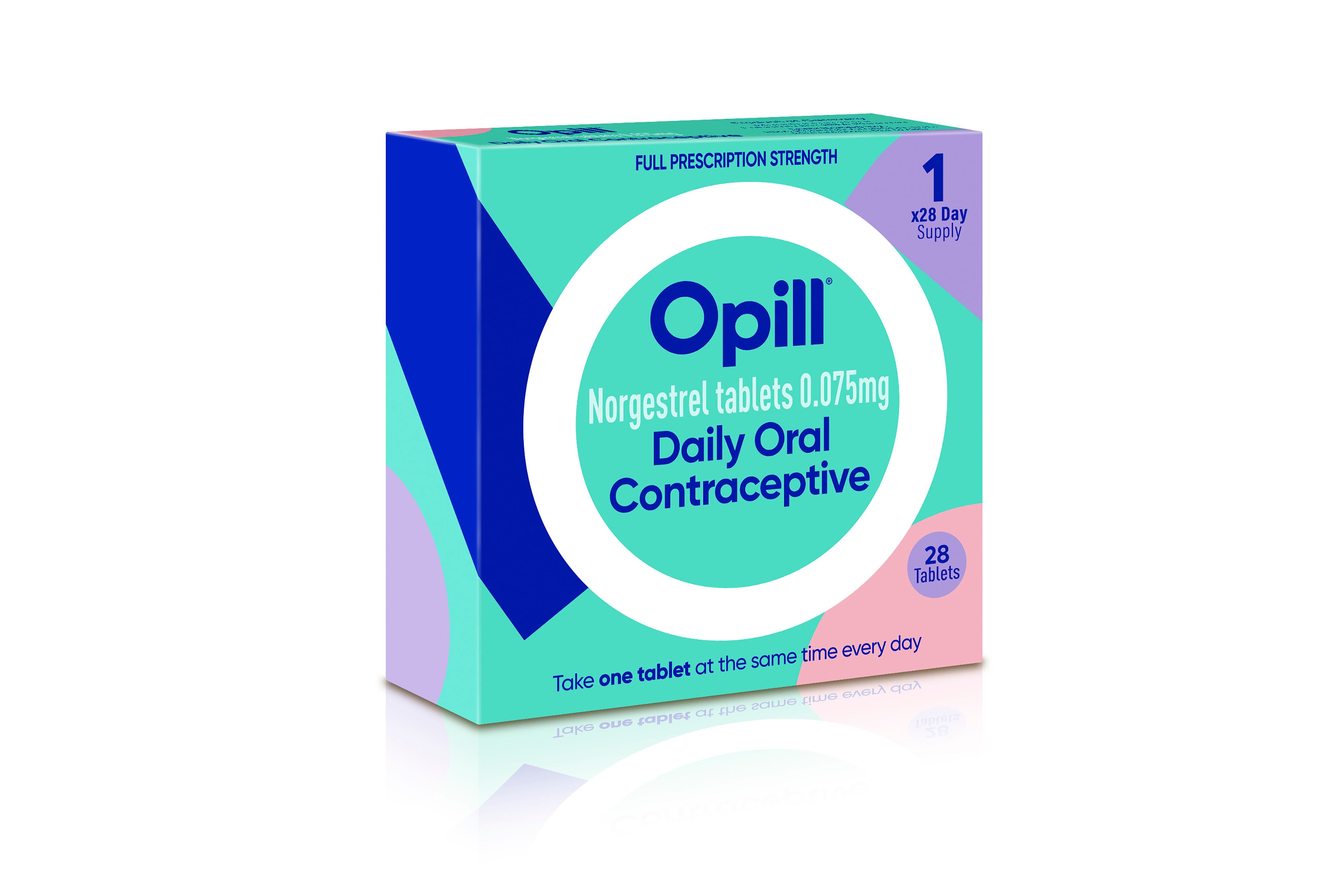
U.S. officials have approved the first over-the-counter birth control pill, which will let American women and girls buy contraceptive medication from the same aisle as aspirin and eyedrops.
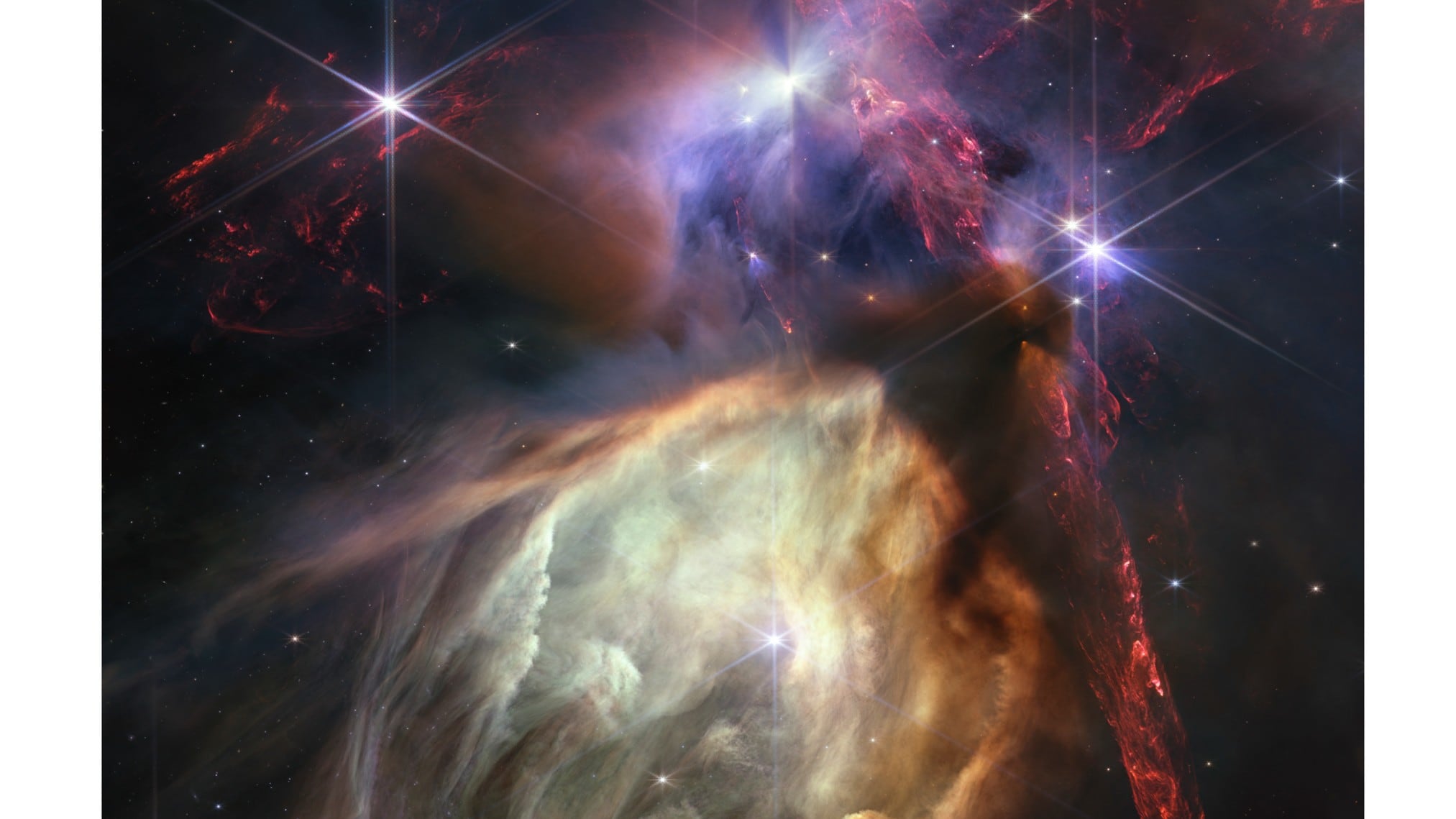
The Webb Space Telescope is marking one year of cosmic photographs with one of its best yet: the dramatic close-up of dozens of stars at the moment of birth.