China's top wearable firm made its NYSE debut Thursday, closing up over 2% despite the Dow's 1,000 point drop. Tim Stenovec spoke with David Cui, CFO of Huami, to discuss the company's decision to go public.
Huami is a biometric and activity data-driven company with a focus in smart wearable technology. The company shipped 11.6 million units of smart wearable devices in the first nine months of 2017, more than any other company in the world, according to Frost & Sullivan. Cui explained how the company plans to gain a bigger marketshare of the global market.
Huami has been the sole partner of Xiaomi, a mobile internet company and global consumer electronics brand. Xiaomi is now one of the largest unicorn companies in the world and is expected to go public in 2018. Cui described the special partnership and how Huami will continue to capitalize on the rapidly growing smart wearable market in China.
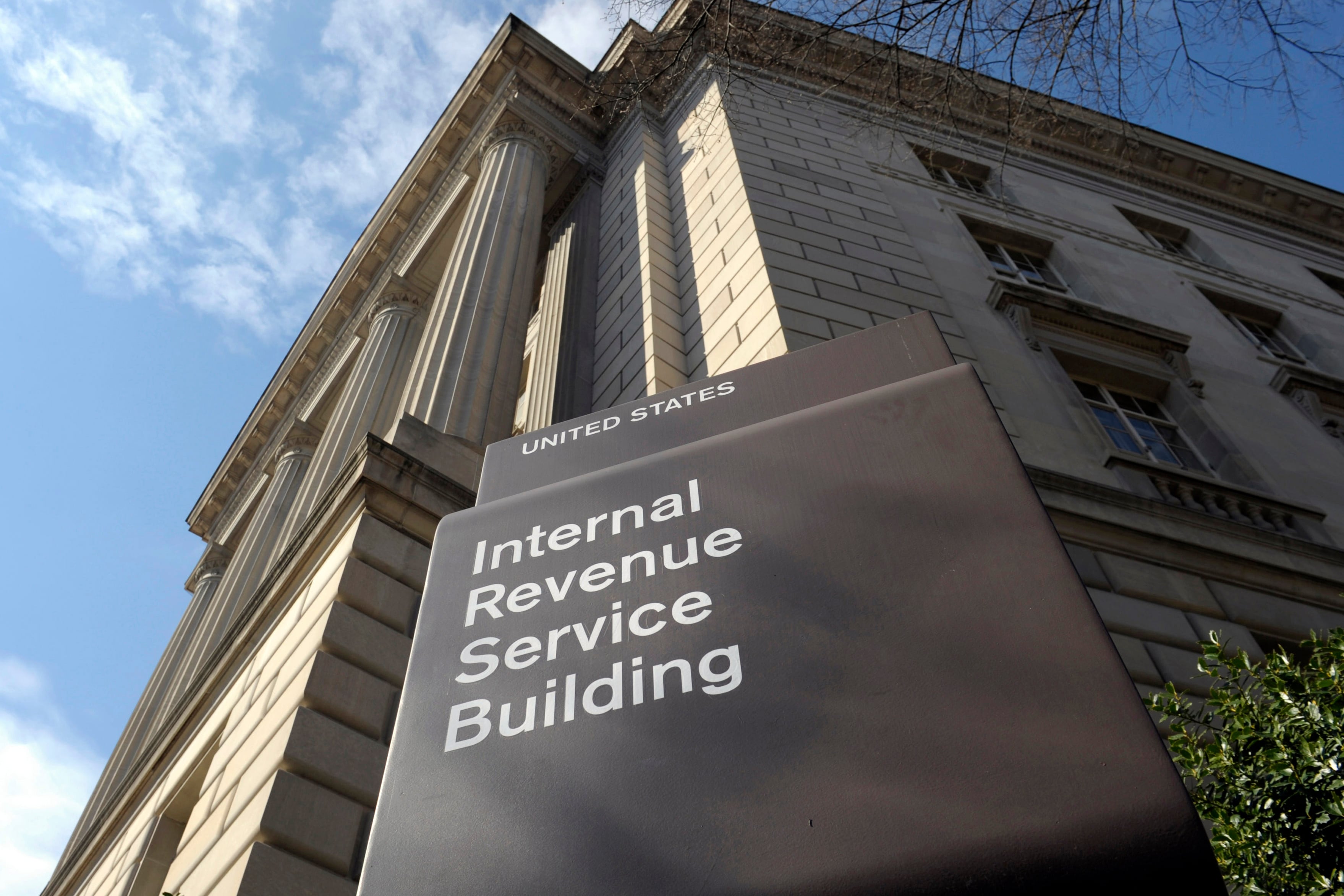
An independent watchdog within the IRS reports that while taxpayer services have vastly improved, the agency is still too slow to resolve identity theft cases. And National Taxpayer Advocate Erin Collins says those delays are “unconscionable.” Erin M. Collins said in the report released Wednesday that overall the 2024 filing season went smoothly, though IRS delays in resolving identity theft victim assistance cases are worsening. It took nearly 19 months to resolve self-reported identity theft cases as of January, and Wednesday's report states that now it takes 22 months to resolve these cases.
Amazon.com Inc. surpassed $2 trillion in market value for the first time in afternoon trading on Wednesday. The push higher for Amazon’s stock market valuation comes a little more than a week after Nvidia hit $3 trillion and briefly became the most valuable company on Wall Street. Nvidia’s chips are used to power many AI application and its valuation has soared as a result. Amazon has also been making big investments in AI as global interest has grown in the technology. Most of the company’s focus has been on business-focused products.
Climate change doesn’t just mean more extreme weather – it also leads to billions of dollars in lost productivity, tourism, and stresses infrastructure.
It’s an annual tradition: the Fed’s banking ‘stress test.’ A year after the regional banking crisis, there are good reasons to make sure they’re prepped.