China's Once-Booming Tech Sector Hits Some Obstacles
*By Bridgette Webb*
As the U.S. tech sector regained some of its footing Tuesday, last week's tech sell-off continues to undermine some of China's tech bellwethers Tencent and Alibaba.
Sara Hsu, economist and associate professor at SUNY New Paltz, said that unlike Facebook and Twitter, hamstrung by slower-than-expected user growth, Chinese tech stocks have more serious investment hurdles ahead.
"There are concerns of a trade war, that it could possibly dampen investment from the United States," Hsu said in an interview Tuesday with Cheddar. "Particularly for Tencent and Alibaba which have a lot of interest in the United States, in terms of trade and investment."
The trade spat between Washington and Beijing has not only quelled investors’ appetites, it has also discouraged Chinese tech giants from expanding internationally.
Alibaba's Founder, Jack Ma, had pledged to create 1 million jobs in the U.S. and increase the amount of goods that ship from America to China.
Hsu said that China's tech stocks are also faced with tightening liquidity and currency depreciation.
"There are depreciation pressures on the Chinese currency which is going to affect the earnings report for companies that are listed on the New York Stock Exchange," she said.
The Chinese [Renminbi](https://www.ft.com/content/047ca2d6-8ee2-11e8-b639-7680cedcc421) has slipped in the past two months and hit its lowest level in more than a year, despite measures by central bankers in Beijing to support China’s currency.
For more on this story, [click here](https://cheddar.com/videos/u-s-tech-selloff-wave-hits-chinas-shores).
Retailers face tariffs and cost challenges this holiday season. Wells Fargo's Lauren Murphy shares insights on pricing, promotions, and shopping trends.
Dateability, founded by sisters Jacqueline and Alexa Child, is the only dating app for disabled and chronically ill communities, fostering love without limits.
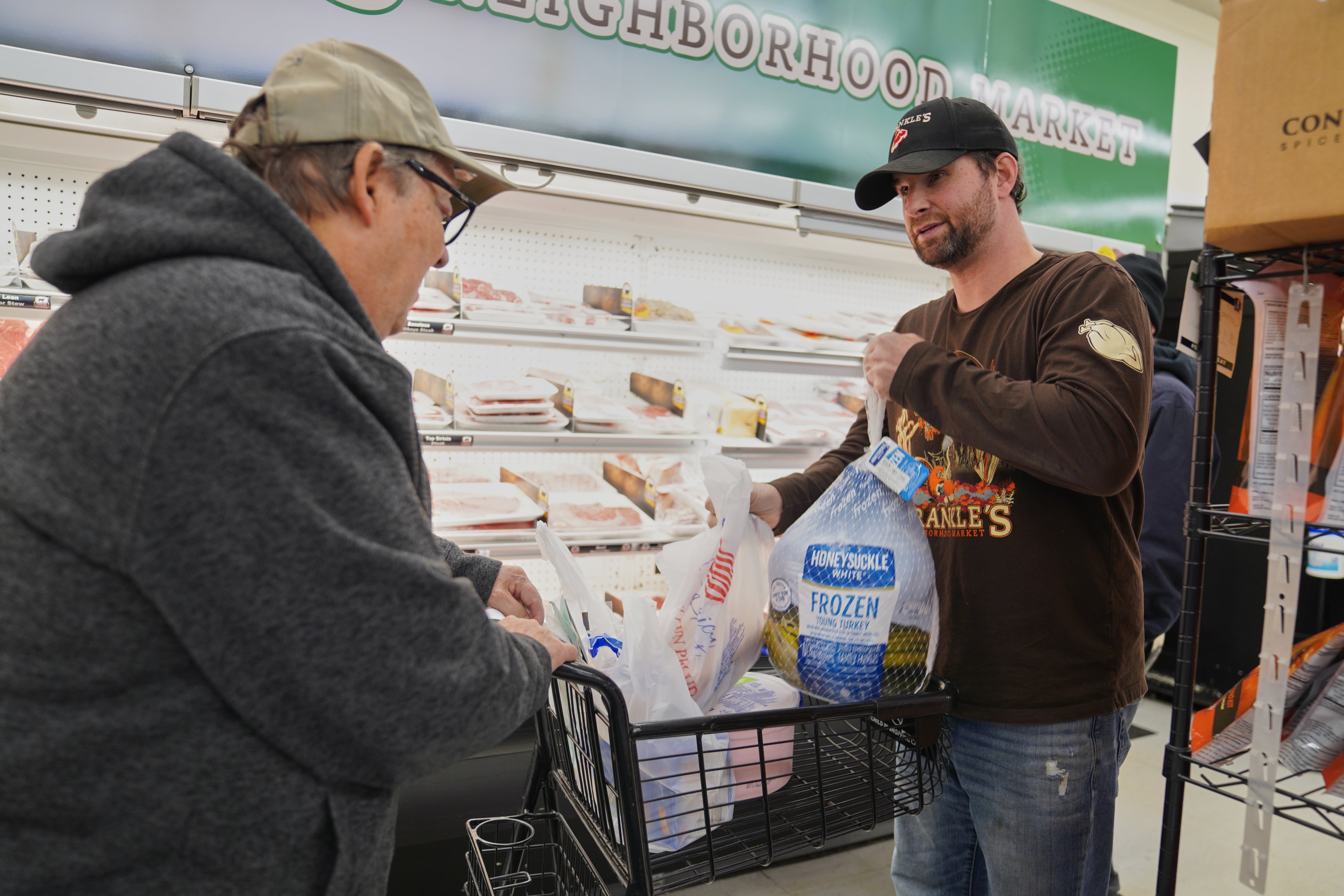
Some small grocery stores and neighborhood convenience stores are eager for the U.S. government shutdown to end and for their customers to start receiving federal food aid again. Late last month, the Trump administration froze funding for the SNAP benefits that about 42 million Americans use to buy groceries. The U.S. Department of Agriculture says about 74% of the assistance was spent last year at superstores like Walmart and supermarkets like Kroger. Around 14% went to smaller stores that are more accessible to SNAP beneficiaries. A former director of the United Nations World Food Program says SNAP is not only a social safety net for families but a local economic engine that supports neighborhood businesses.
Andy Baehr, Head of Product at CoinDesk Indices, breaks down crypto’s Black Friday crash, Bitcoin dipping under $100K, and what’s driving the market rout.
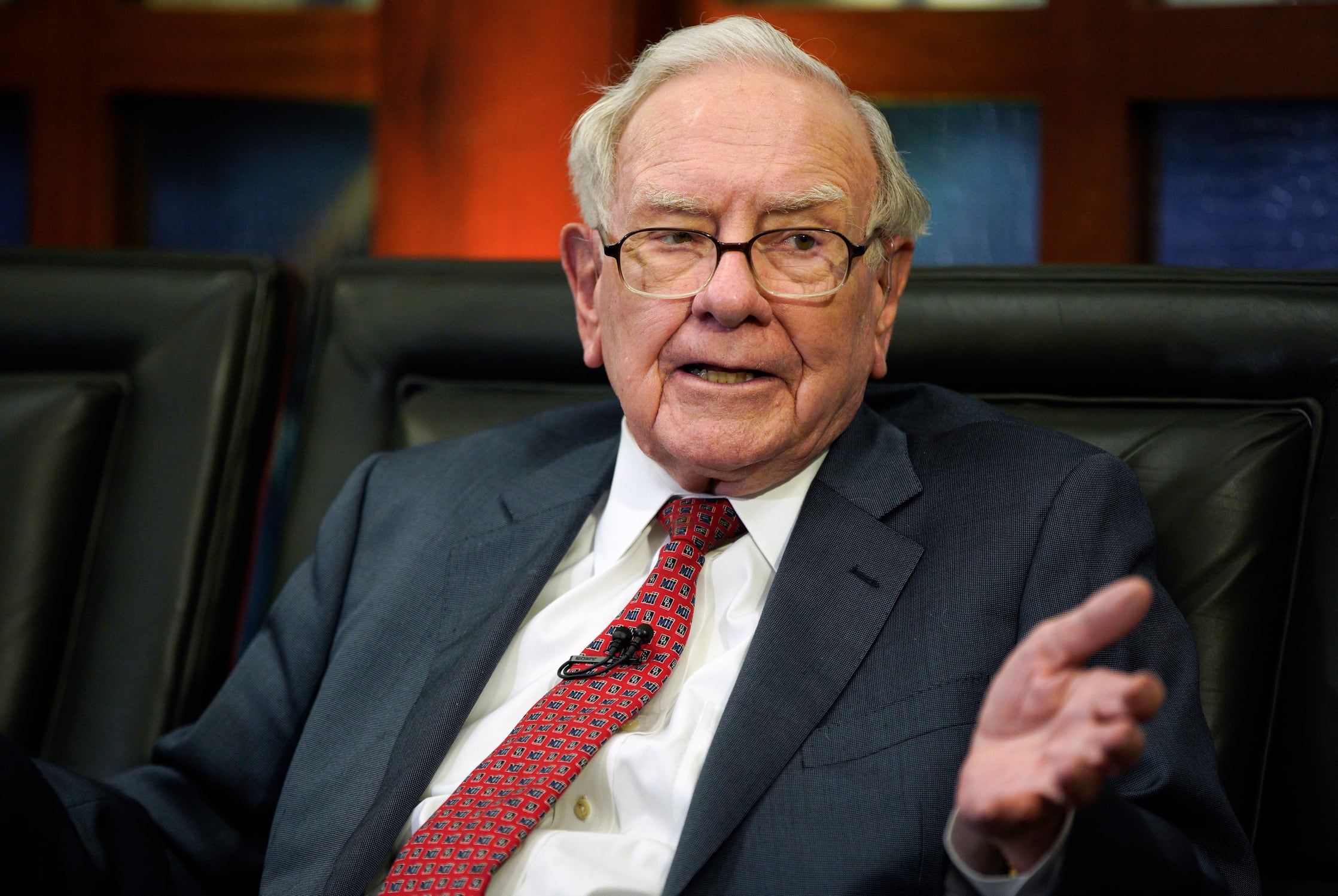
Billionaire Warren Buffett warned shareholders Monday that many companies will fare better than his Berkshire Hathaway in the decades ahead as Father Time catches up
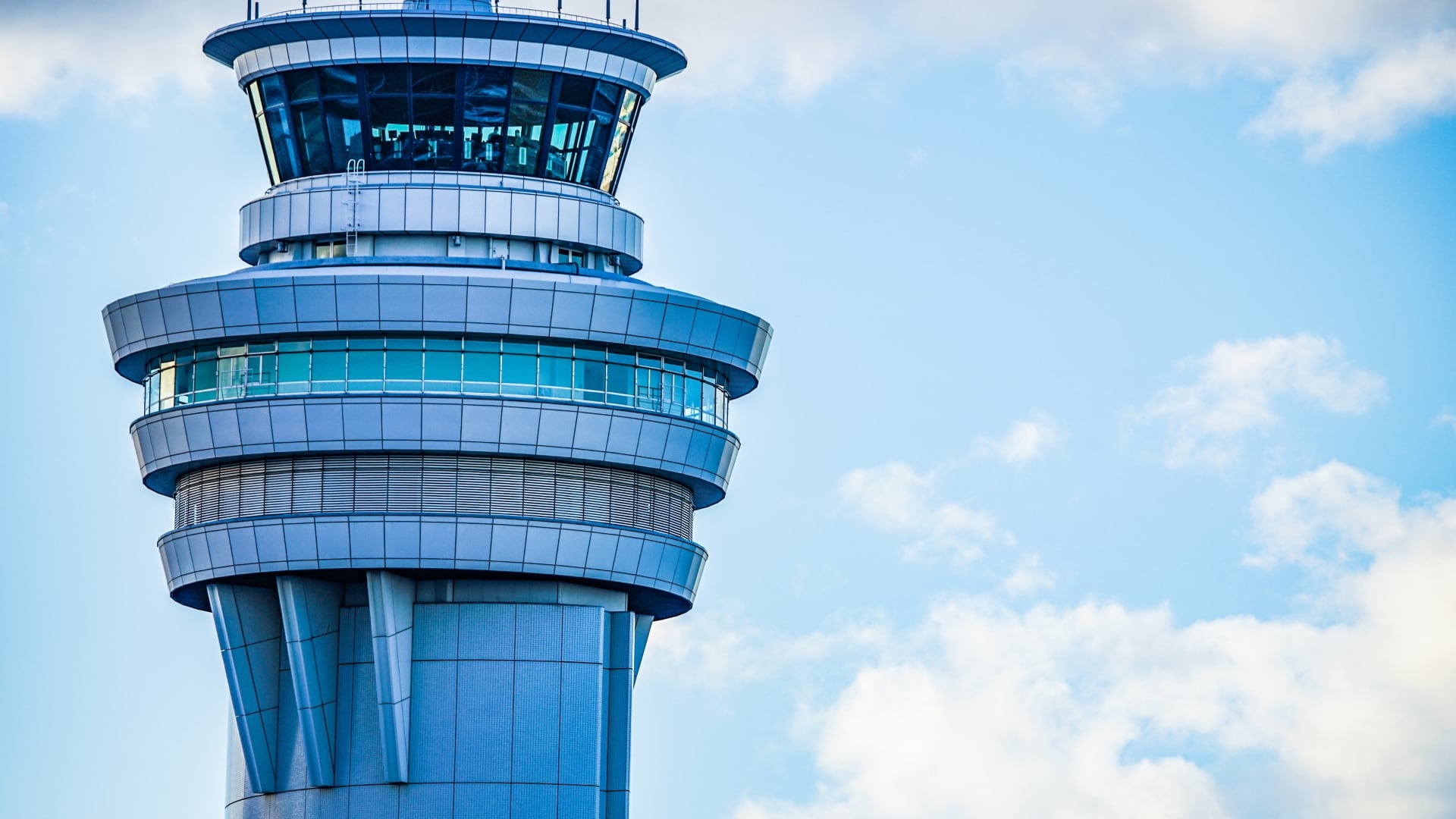
Chris Marquette of POLITICO breaks down how the FAA is cutting flights and facing a critical shortage of air‑traffic controllers amid the government shutdown.