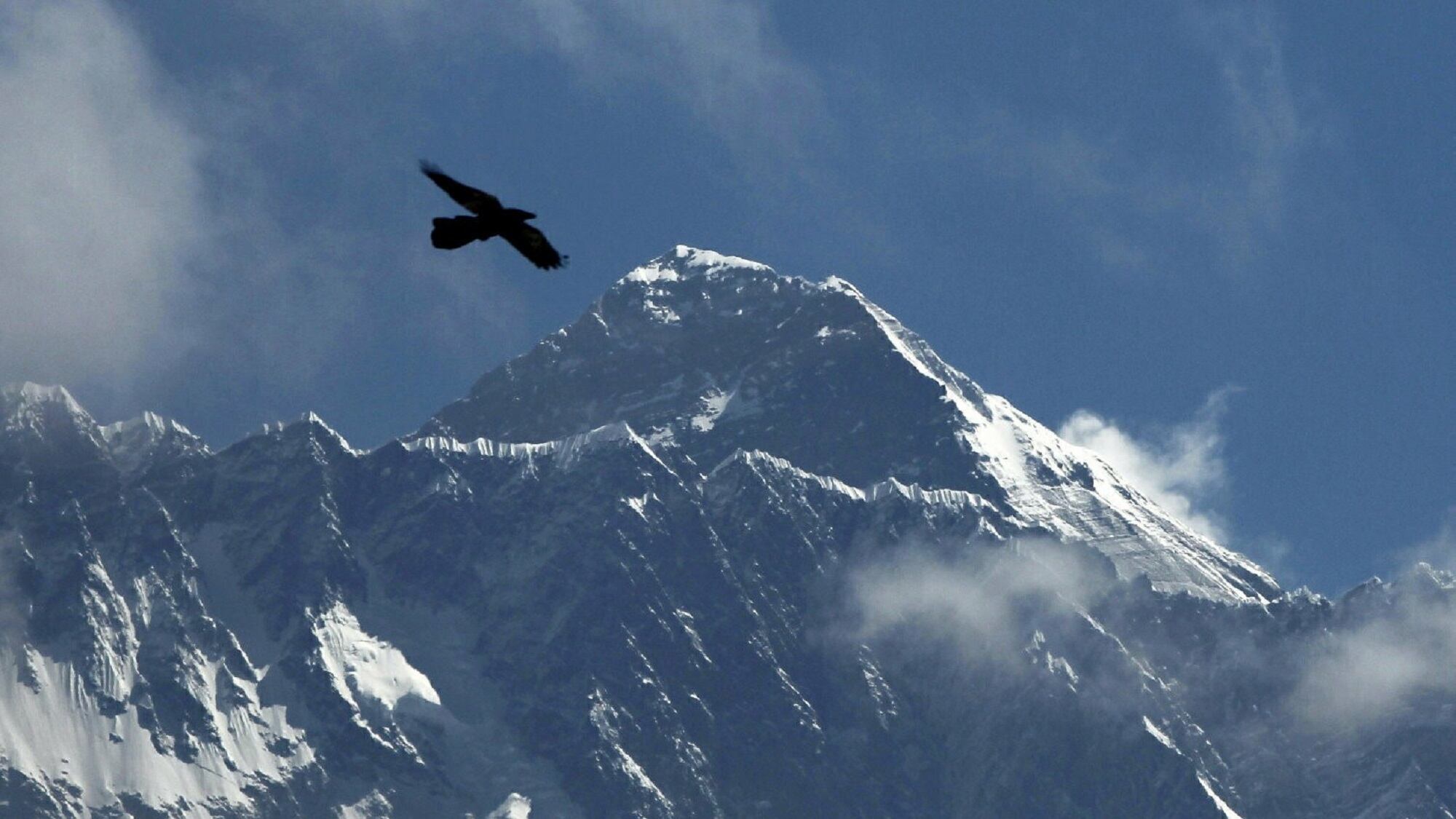
In this May 27, 2019, file photo, a bird flies with Mount Everest seen in the background from Namche Bajar, Solukhumbu district, Nepal. (AP Photo/Niranjan Shrestha, File)
By Binaj Gurubacharya
China and Nepal jointly announced a new official height for Mount Everest on Tuesday, ending a discrepancy between the two nations.
The new height of the world's highest peak is 8,848.86 meters (29,031.7 feet), which is slightly more than Nepal’s previous measurement and about four meters (13 feet) higher than China’s.
Chinese Foreign Minister Wang Yi and his Nepalese counterpart, Pradeep Gyawali, simultaneously pressed buttons during a virtual conference and the new height flashed on the screen.
The height of Everest, which is on the border between China and Nepal, was agreed on after surveyors from Nepal scaled the peak in 2019 and a Chinese team did the same in 2020.
There had been debate over the actual height of the peak and concern that it might have shrunk after a major earthquake in 2015. The quake killed 9,000 people, damaged about 1 million structures in Nepal and triggered an avalanche on Everest that killed 19 people at the base camp.
There was no doubt that Everest would remain the highest peak because the second highest, Mount K2, is only 8,611 meters (28,244 feet) tall.
Everest's height was first determined by a British team around 1856 as 8,842 meters (29,002) feet.
But the most accepted height has been 8,848 meters (29,028 feet), which was determined by the Survey of India in 1954.
In 1999, a National Geographic Society team using GPS technology came up with a height of 8,850 (29,035 feet). A Chinese team in 2005 said it was 8,844.43 meters (29,009 feet) because it did not include the snow cap.
A Nepal government team of climbers and surveyors scaled Everest in May 2019 and installed GPS and satellite equipment to measure the peak and snow depth on the summit.
Chinese President Xi Jinping visited Nepal later that year and the leaders of the two countries decided that they should agree on a height.
A survey team from China then conducted measurements in the spring of 2020 while all other expeditions were canceled due to the coronavirus pandemic.
Nepal's climbing community welcomed the end of confusion over the mountain's height.
“This is a milestone in mountaineering history which will finally end the debate over the height and now the world will have one number,” said Santa Bir Lama, president of the Nepal Mountaineering Association.
China's official Xinhua New Agency quoted Xi as saying the two sides are committed to jointly protecting the environment around Everest and cooperating in scientific research.
For China, the announcement appeared to be as much about politics as geography. China has drawn Nepal ever closer into its orbit with investments in its economy and the building of highways, dams, airports and other infrastructure in the impoverished nation.
That appears to serve China’s interests in reducing the influence of rival India, with which it shares a disputed border, and Nepal’s role as a destination for refugee Tibetans.
The Xinhua report said nothing about the technical aspects but heavily emphasized the joint announcement’s geopolitical weight.
China and Nepal will establish an “even closer community of a shared future to enrich the countries and their peoples,” Xinhua quoted Xi as saying.
A new study shows that Americans feel record levels of stress amid inflation and global uncertainty about the war in Ukraine. Cheddar News speaks with Lynn Bufka of the American Psychological Association about how to best put your worries aside.
Colgate-Palmolive is shedding light on the little-known fact that oral health is integral to overall health. The consumer products company will commit $100 million over five years to transform the way the world thinks about and addresses oral health. Maria Ryan, Chief Clinical Officer at Colgate-Palmolive, discusses why oral health is so vital to our physical and mental well-being.
Scientists say they have found the sunken wreck of polar explorer Ernest Shackleton’s ship Endurance, more than a century after it was lost to the Antarctic ice.
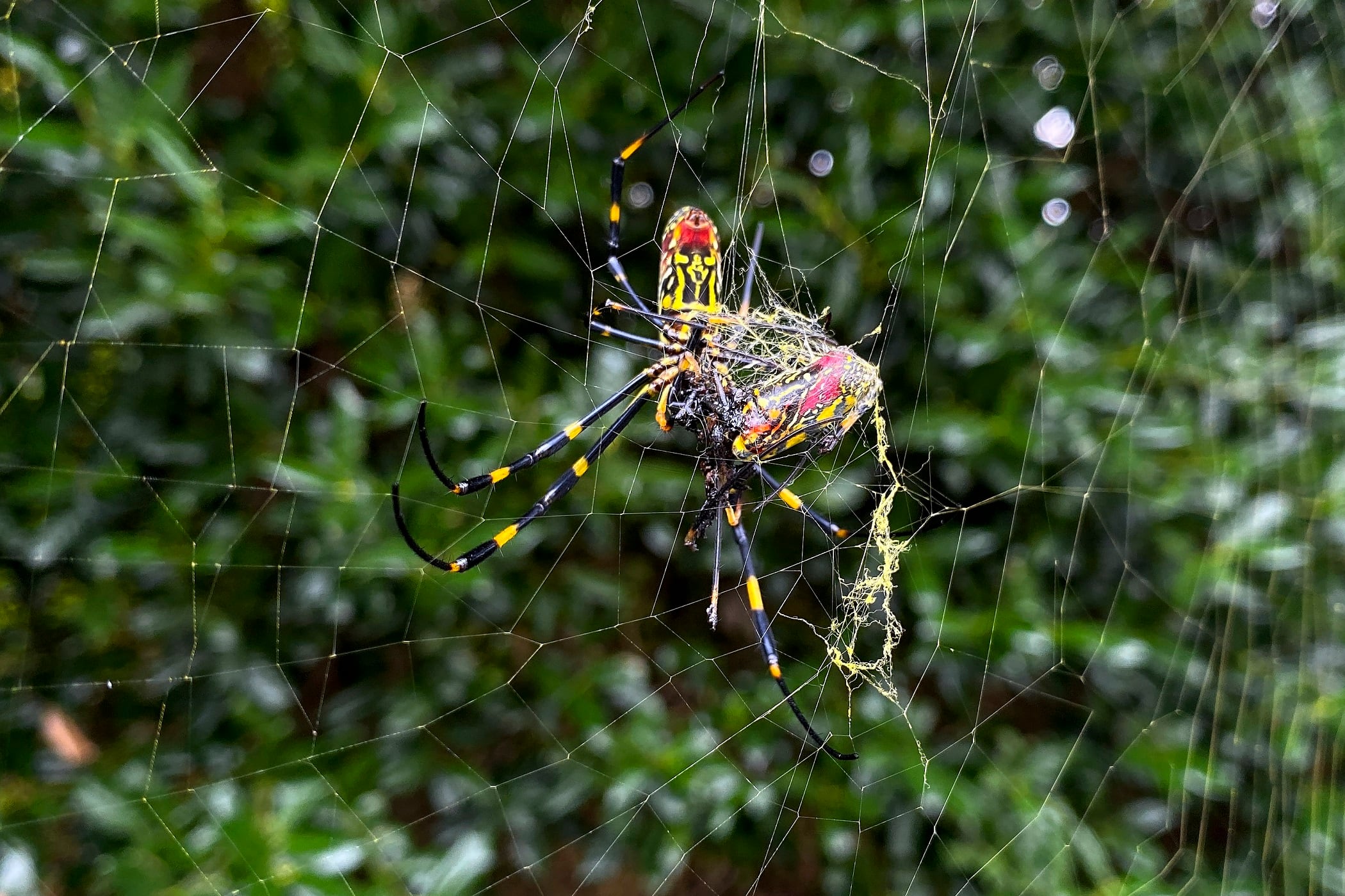
Researchers say a large spider native to East Asia that proliferated in Georgia last year could spread to much of the East Coast. The Joro spider’s golden web took over yards all over north Georgia in 2021, unnerving some residents.
News of Russian forces taking control of a Ukrainian after artillery bombardment of a nuclear power plant raised concerns this week. Nuclear policy expert and Quincy Institute Distinguished Fellow Joe Cirincione joined Cheddar News to discuss the implications for a potential disaster. “I’m with the director general of the IAEA, the International Atomic Energy Agency. He says that he is extremely concerned, and that this Russian attack is a severe risk and that Russia clearly violated the fundamental principle of preserving the integrity of nuclear power plants," Cirincione said.
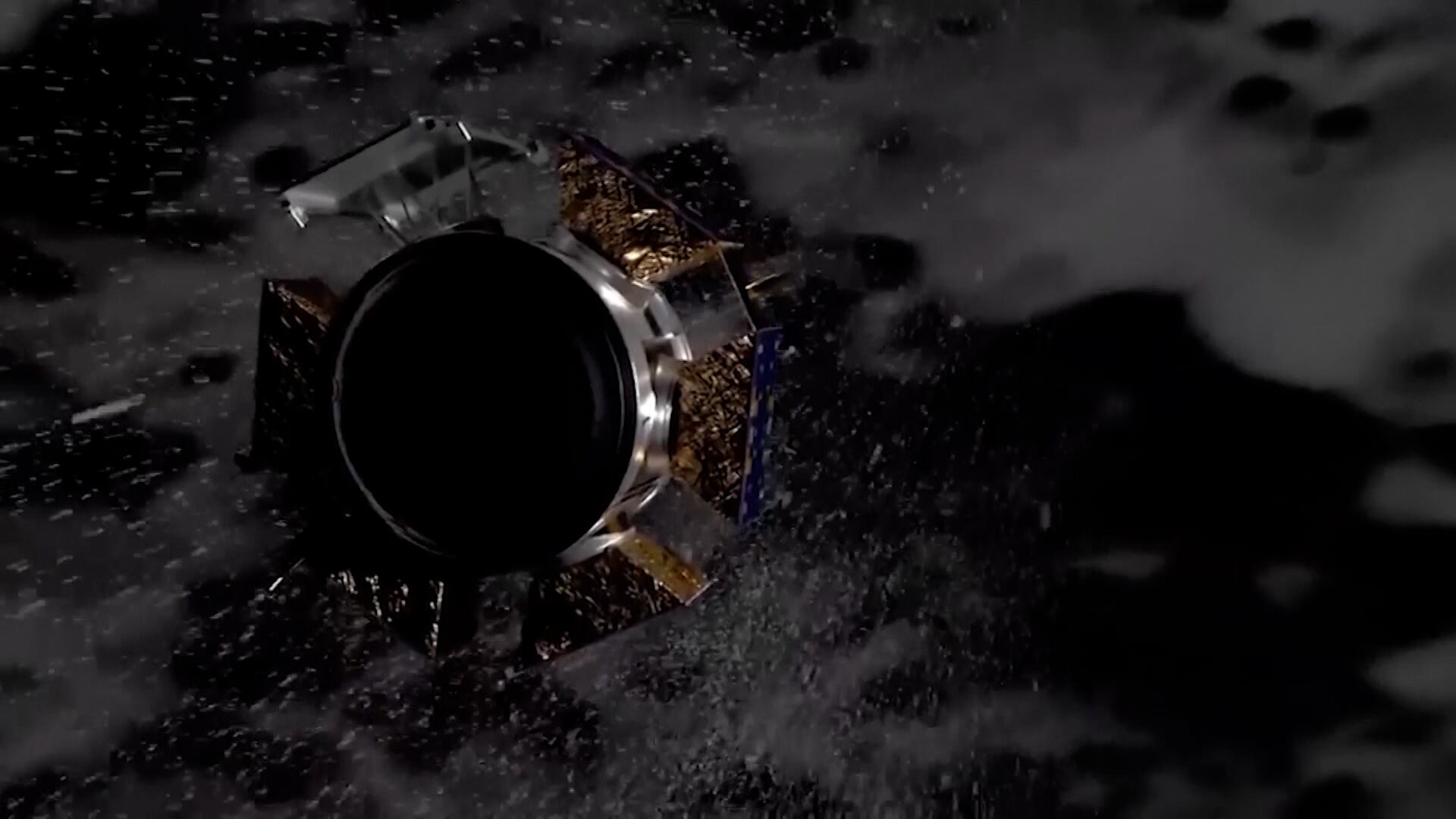
Adam Battle, research assistant at University of Arizona's Lunar and Planetary Laboratory, joins Cheddar News to discuss space junk heading to the moon and if more should be done to prevent space junk in the future.
UN and Ukrainian officials say no radiation was released from a Russian attack at Europe’s biggest nuclear power plant in Ukraine and firefighters have extinguished a blaze at the facility..
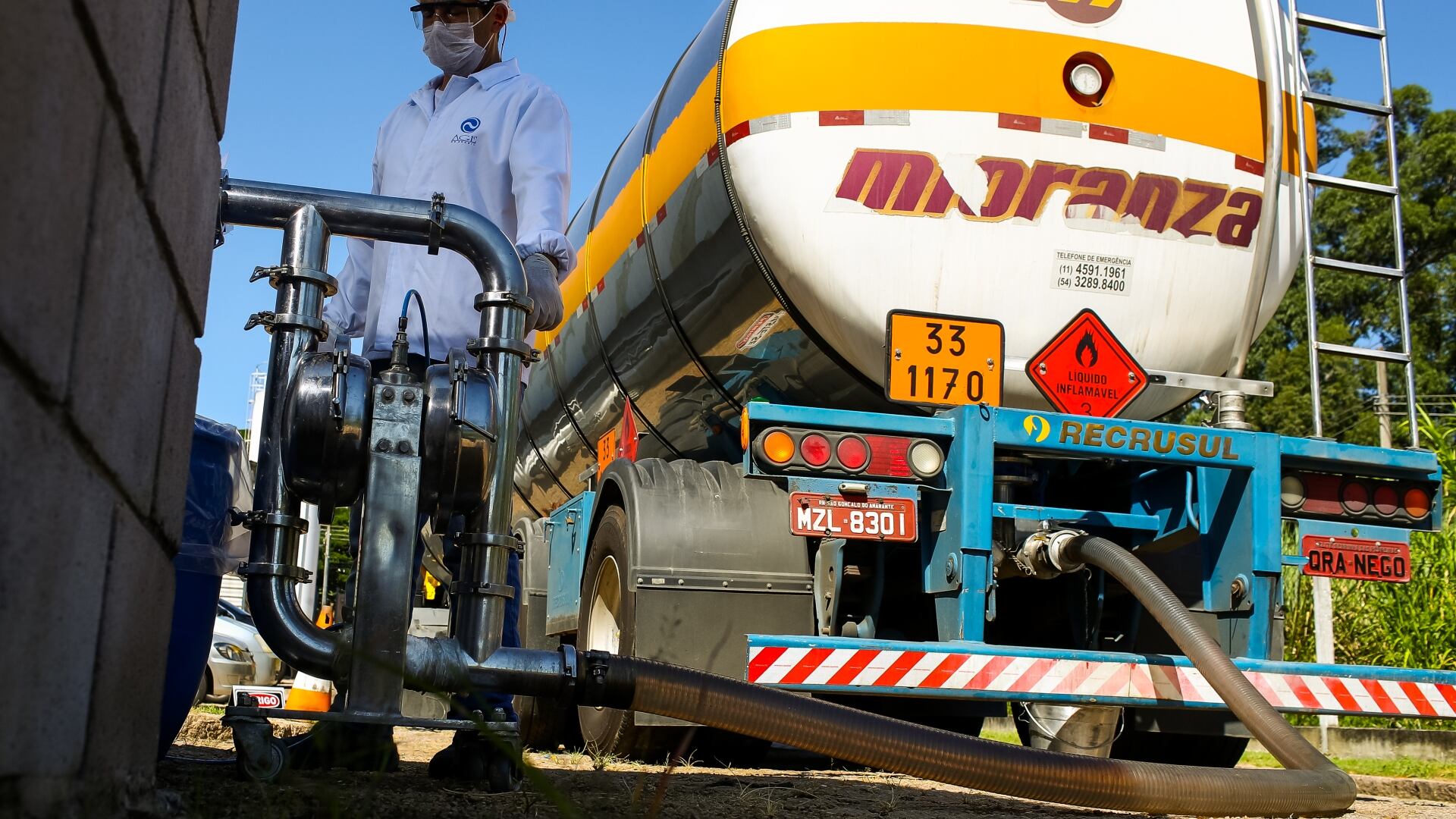
Under the U.S. Renewable Fuel Standard (RFS), corn-based ethanol has been mixed into gasoline sold at pumps in the U.S. since 2005, when a policy was enacted aimed at reducing emissions. Corn-based ethanol had been thought to be a relatively greener energy source compared to other biofuels, but now, a new study published in the Proceedings of the National Academy of Sciences reports it may be actually worse for the climate than straight gasoline. Tyler Lark, an assistant scientist at the University of Wisconsin-Madison's Center for Sustainability, joined Cheddar News' Closing Bell and discussed the pushback against the study. "Essentially when you need to produce more corn to meet the demand for use as ethanol as fuel, farmers respond and they switch more crops like soybeans and wheat into corn," Lark said. "They also bring more land into production, so things that used to be pasture grassland, and both those activities are associated with increased greenhouse gas emissions."
Caroline Hickman, lecturer at University of Bath and psychosocial researcher on climate change, joins Cheddar News to discuss climate change's impact on mental health.