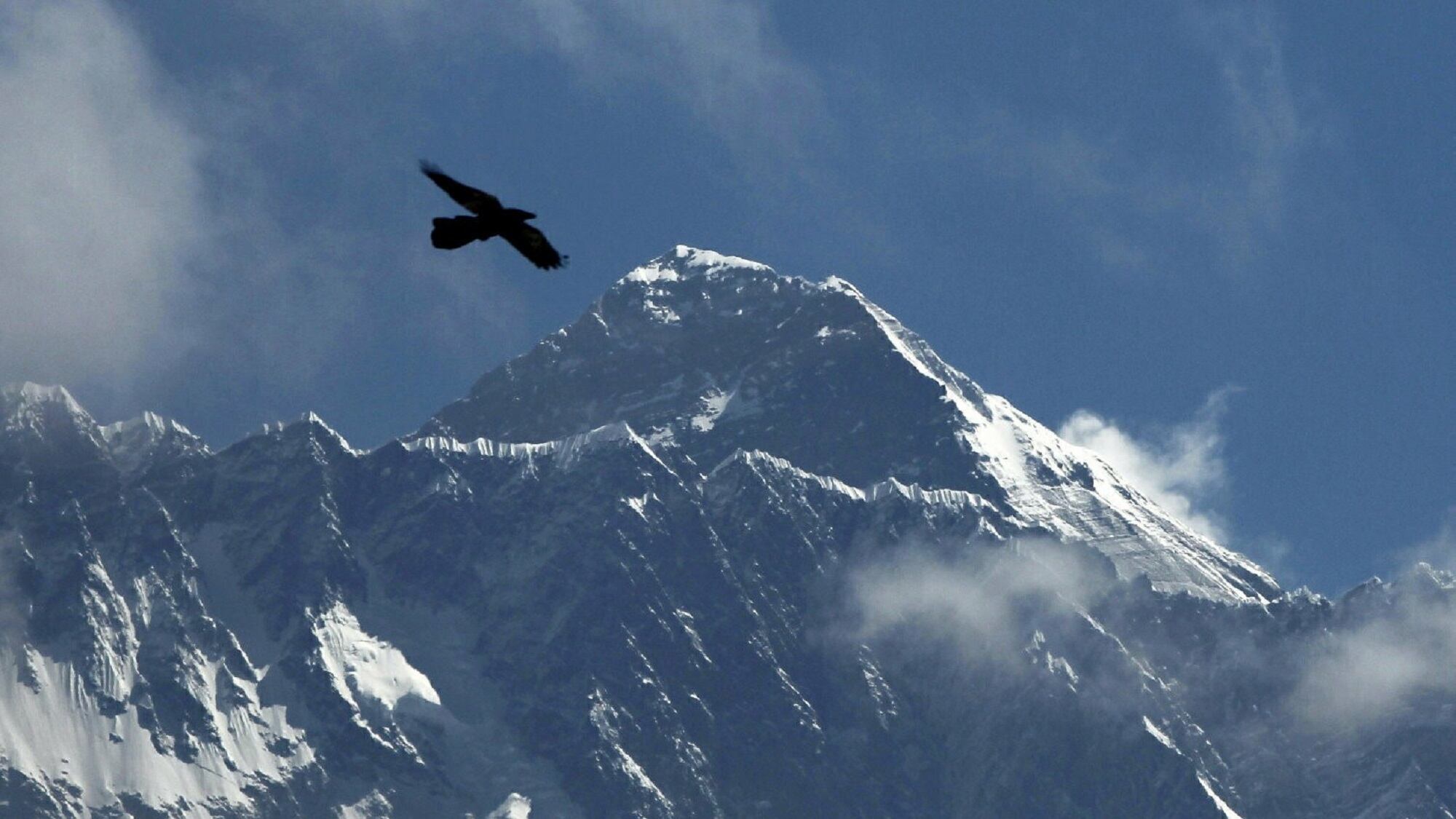
In this May 27, 2019, file photo, a bird flies with Mount Everest seen in the background from Namche Bajar, Solukhumbu district, Nepal. (AP Photo/Niranjan Shrestha, File)
By Binaj Gurubacharya
China and Nepal jointly announced a new official height for Mount Everest on Tuesday, ending a discrepancy between the two nations.
The new height of the world's highest peak is 8,848.86 meters (29,031.7 feet), which is slightly more than Nepal’s previous measurement and about four meters (13 feet) higher than China’s.
Chinese Foreign Minister Wang Yi and his Nepalese counterpart, Pradeep Gyawali, simultaneously pressed buttons during a virtual conference and the new height flashed on the screen.
The height of Everest, which is on the border between China and Nepal, was agreed on after surveyors from Nepal scaled the peak in 2019 and a Chinese team did the same in 2020.
There had been debate over the actual height of the peak and concern that it might have shrunk after a major earthquake in 2015. The quake killed 9,000 people, damaged about 1 million structures in Nepal and triggered an avalanche on Everest that killed 19 people at the base camp.
There was no doubt that Everest would remain the highest peak because the second highest, Mount K2, is only 8,611 meters (28,244 feet) tall.
Everest's height was first determined by a British team around 1856 as 8,842 meters (29,002) feet.
But the most accepted height has been 8,848 meters (29,028 feet), which was determined by the Survey of India in 1954.
In 1999, a National Geographic Society team using GPS technology came up with a height of 8,850 (29,035 feet). A Chinese team in 2005 said it was 8,844.43 meters (29,009 feet) because it did not include the snow cap.
A Nepal government team of climbers and surveyors scaled Everest in May 2019 and installed GPS and satellite equipment to measure the peak and snow depth on the summit.
Chinese President Xi Jinping visited Nepal later that year and the leaders of the two countries decided that they should agree on a height.
A survey team from China then conducted measurements in the spring of 2020 while all other expeditions were canceled due to the coronavirus pandemic.
Nepal's climbing community welcomed the end of confusion over the mountain's height.
“This is a milestone in mountaineering history which will finally end the debate over the height and now the world will have one number,” said Santa Bir Lama, president of the Nepal Mountaineering Association.
China's official Xinhua New Agency quoted Xi as saying the two sides are committed to jointly protecting the environment around Everest and cooperating in scientific research.
For China, the announcement appeared to be as much about politics as geography. China has drawn Nepal ever closer into its orbit with investments in its economy and the building of highways, dams, airports and other infrastructure in the impoverished nation.
That appears to serve China’s interests in reducing the influence of rival India, with which it shares a disputed border, and Nepal’s role as a destination for refugee Tibetans.
The Xinhua report said nothing about the technical aspects but heavily emphasized the joint announcement’s geopolitical weight.
China and Nepal will establish an “even closer community of a shared future to enrich the countries and their peoples,” Xinhua quoted Xi as saying.
Carlo and Baker cover the latest data showing the Omicron wave has likely started, Pfizer's Covid pill, Jan. 6 and a box office rescue attempt courtesy of Spider-Man.
Upward Farms is an indoor vertical farming company on a mission to heal our broken food system and reconnect consumers with organic locally-grown food. The Brooklyn-based company uses its controlled environment farms to grow organic leafy greens, which are sold at whole foods markets in New York City. Upward Farms co-founder and CEO Jason Green joined Cheddar Climate to discuss.
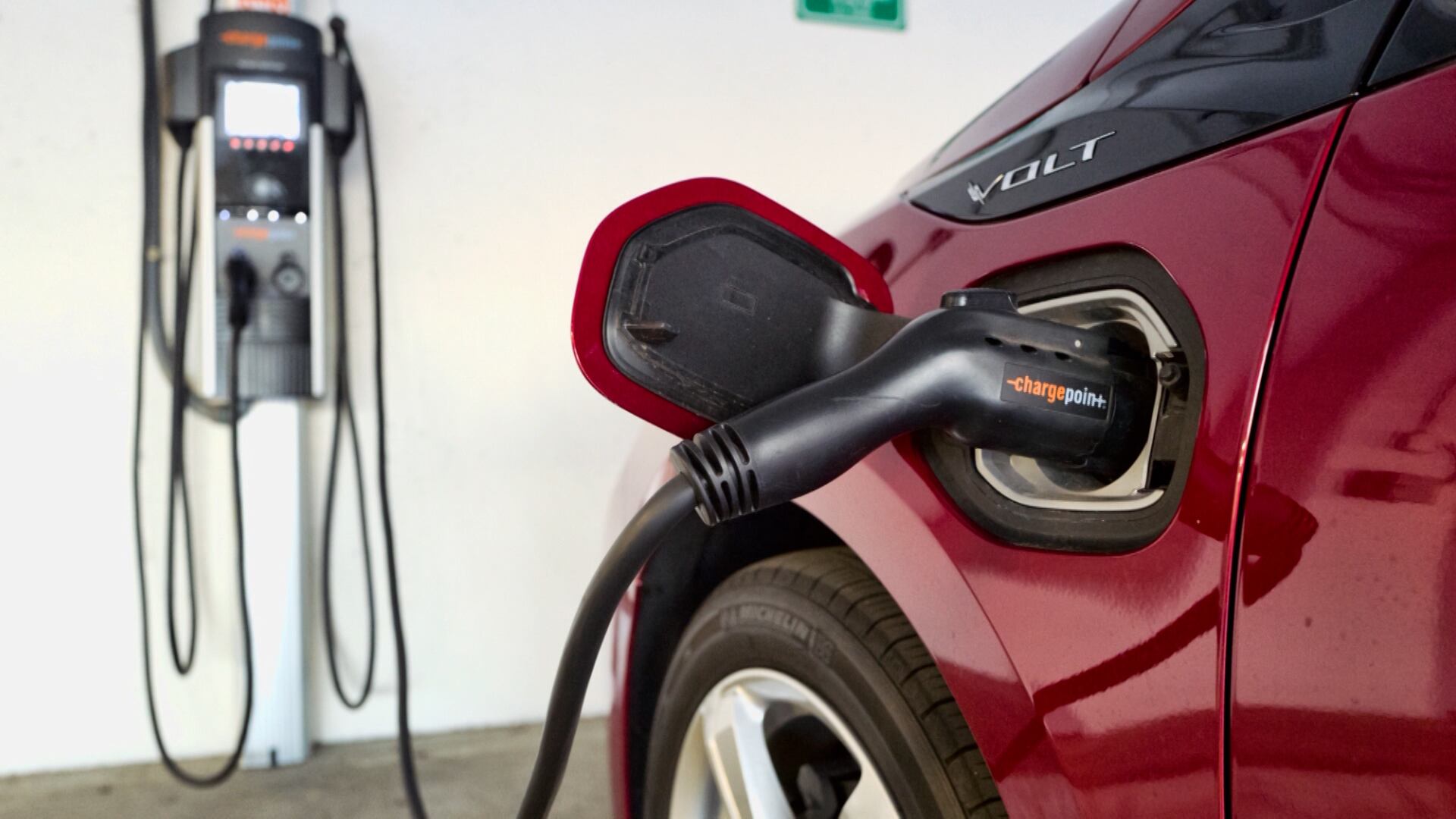
One of the biggest hurdles when it comes to widespread electric vehicle adoption is consumer hesitation about their ability to keep their EV charged if they take a longer trip outside of their locality. Now, electric companies nationwide are teaming up as part of a coalition to build out a network of EV charging stations spanning major U.S. travel corridors. Kellen Schefter, director of electric transportation at the Edison Electric Institute, joins Cheddar Climate to discuss the coalition's plans, how drivers can compare fueling up with gas to recharging an EV on a long trip, how the charging network will be funded, and more.
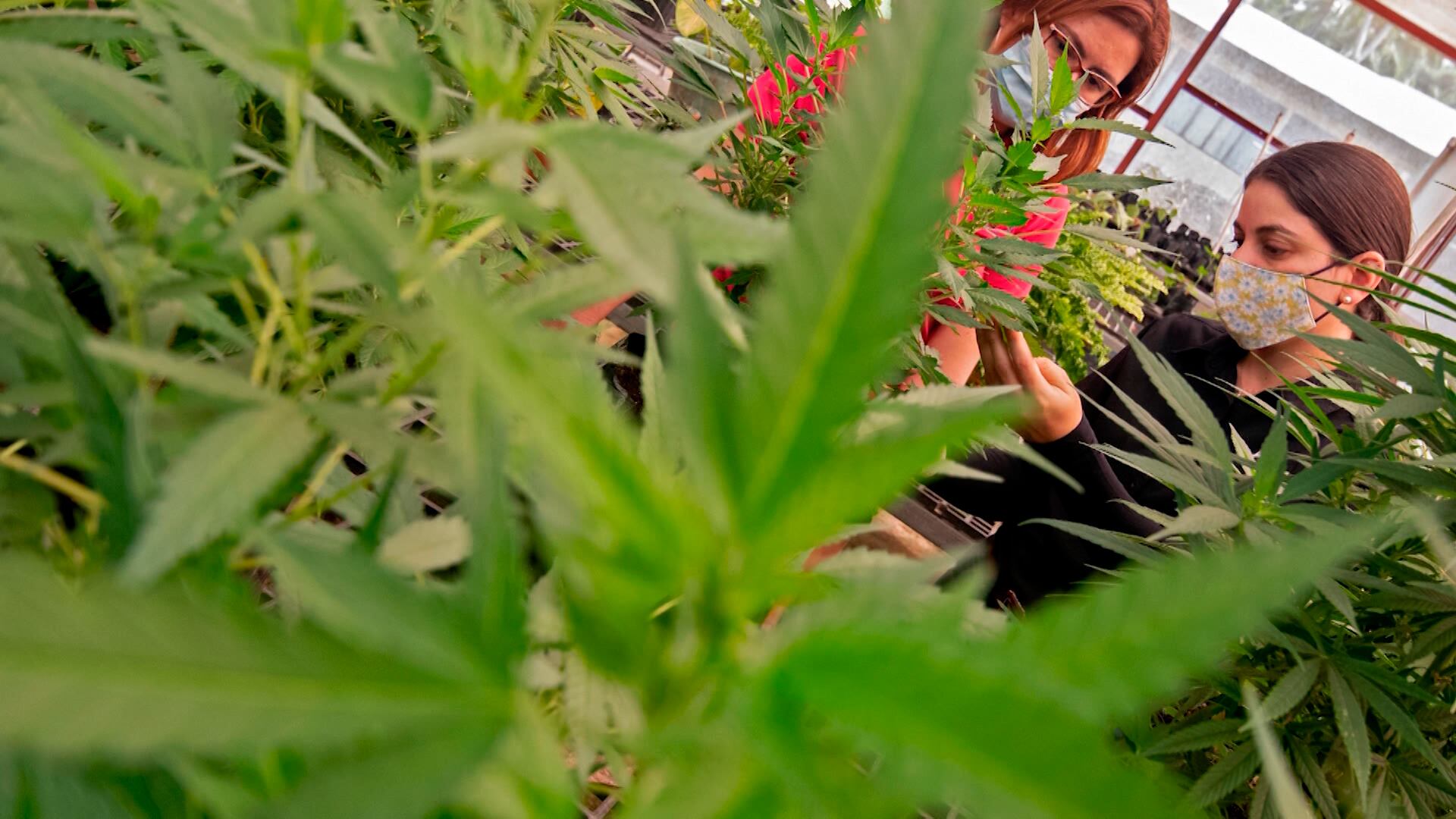
As more states begin to legalize recreational marijuana, there's a growing interest in legalizing cannabis cultivation. As the rise in cannabis farms expands across the U.S., more research is being done to examine its impact on the planet. Michael Katz, executive director at Mendocino Cannabis Alliance, joins Cheddar News to talk about the carbon footprint of cannabis farms.
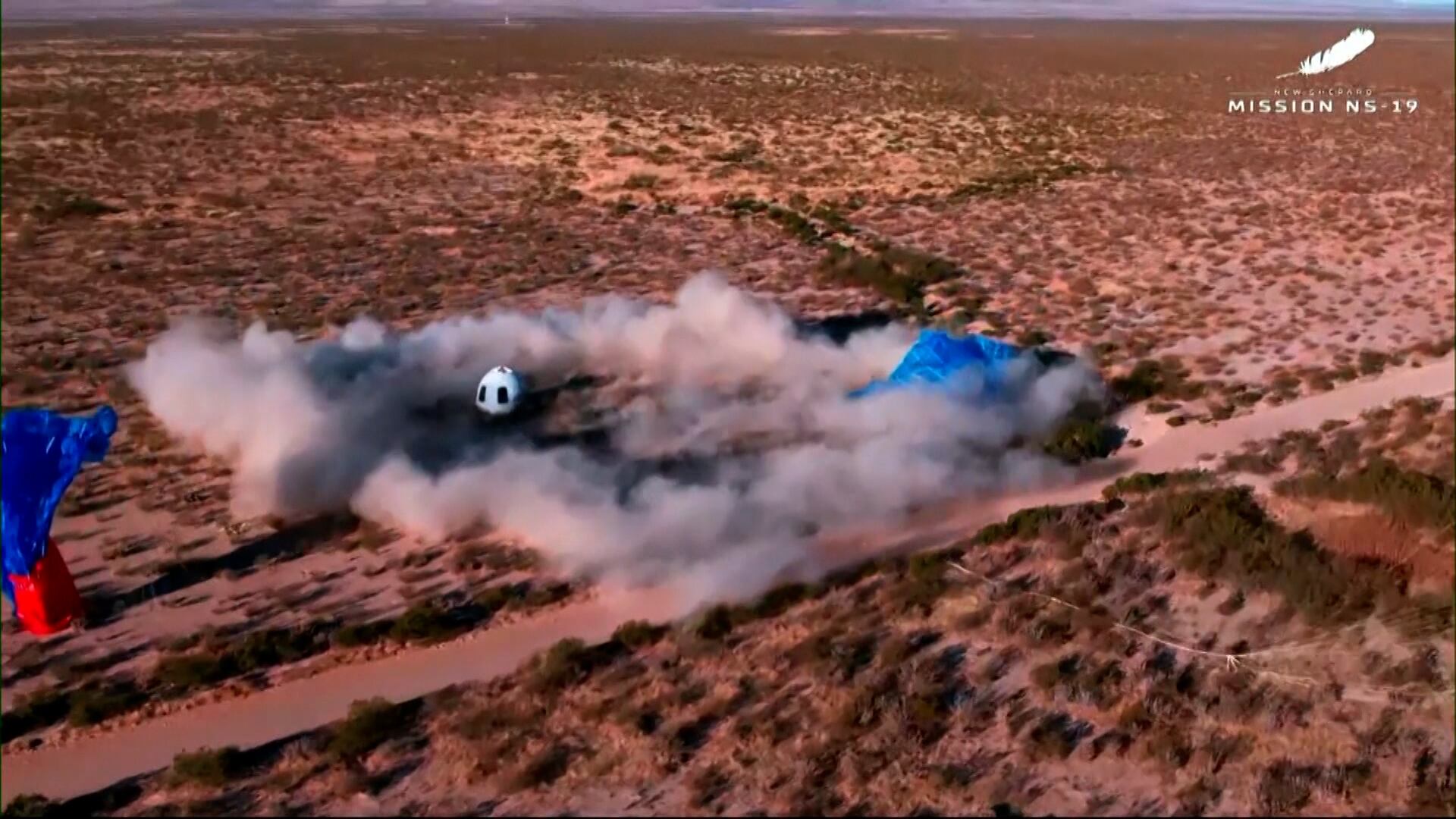
Blue Origin launched its third manned mission over the weekend with 'Good Morning America' host Michael Strahan and Laura Shepard Churchley, daughter of astronaut Alan Shepard on board, alongside several Blue Origin investors.
This comes after the spaceflight firm launched two successful missions to the edge of space earlier this year. How will these missions set up Blue Origin for success as it competes with SpaceX and other companies for space tourism domination and more? Joey Roulette, space reporter at The New York Times, joins Cheddar News' Closing Bell to discuss.
Mina Makar, senior vice president of respiratory and immunology, Astrazeneca, joined Cheddar to discuss the FDA's decision to give emergency use authorization to the pharma giant's COVID-19 antibody treatment called Evusheld for immunocompromised patients For about 2 percent of the U.S. Makar noted that the injection is supposed to provide antibody protection for those who can't generate their own adequate immune response via the vaccines for a minimum of six months, though long-term trials are underway.
The pandemic has forced corporate America to reshape itself to adapt, including onboarding doctors as chief medical officers to help maintain the health and safety of staff. Dr. Geeta Nayyar, chief medical officer at Salesforce, joined Cheddar to break down her role and how it has become relevant and necessary in the evolving workplace. "Every business today is now in the business of healthcare," she said. "It is a priority to empower employees to then serve your customers."
Jonathan Adler, Law Professor at Case Western Reserve University, joined Wake Up With Cheddar to discuss Tuesday's ruling and provide legal context to recent battles over vaccine mandates.
Carlo and Baker wrap up the week talking about the Biden economic boom that no one seems to notice, a verdict in the Jussie Smollett case, the first Starbucks union in America and the pleasures of the "dude nod."