By Barbara Ortutay
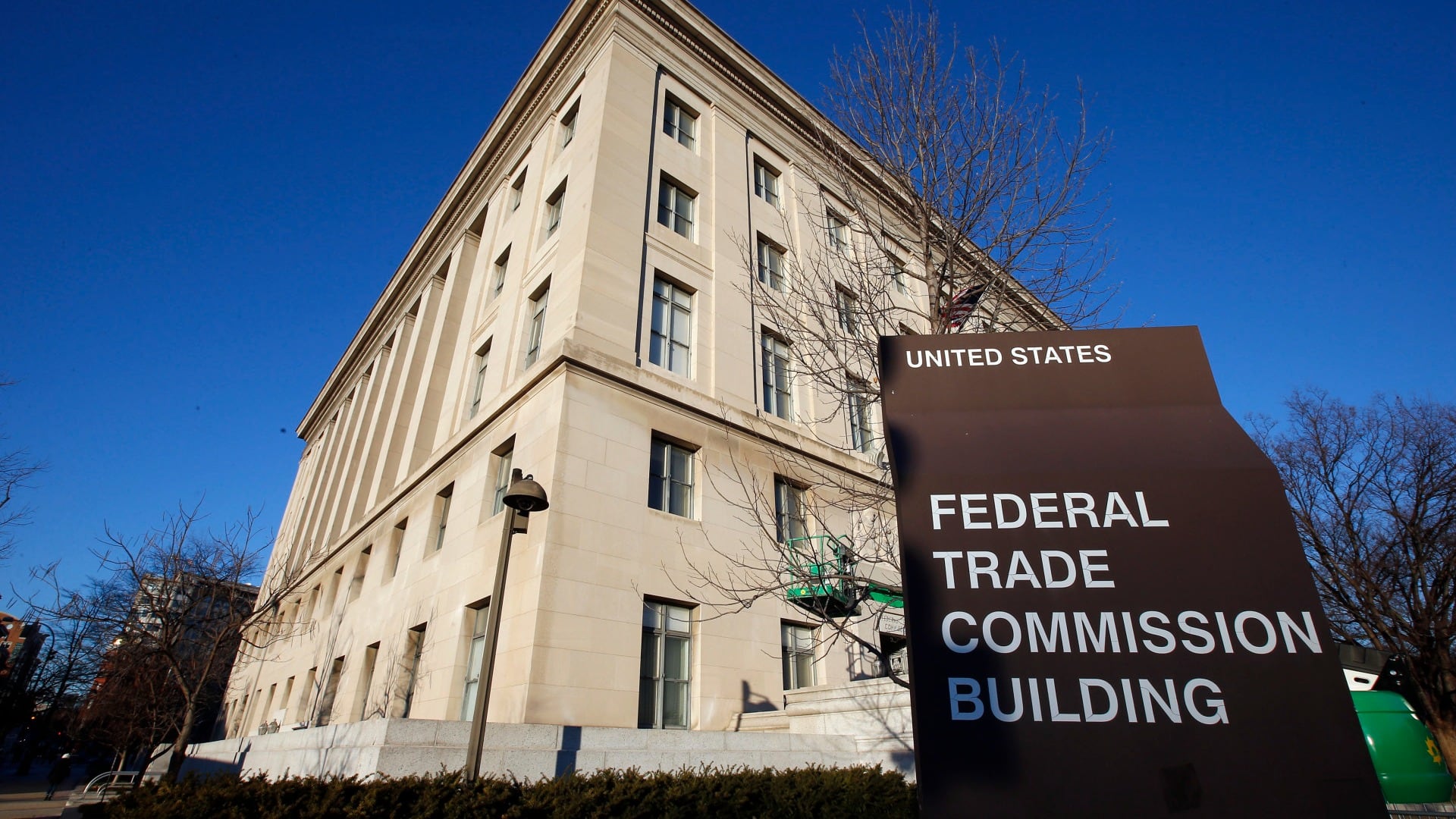
Children’s advocacy groups including Fairplay and Common Sense Media are asking the Federal Trade Commission to investigate Google, saying the tech giant serves personalized ads to kids on YouTube despite federal law prohibiting the practice.
The letter follows a report from The New York Times last week that found that ads on YouTube may have led to the online tracking of children. The federal Children’s Online Privacy Protection Act, or COPPA, requires kid-oriented websites to get parents’ consent before collecting personal information of children under 13.
In response to the Times report, Google said last week that it did not run personalized ads on children’s videos and that its ad practices fully complied with COPPA. When ads appear on children’s videos, the company told the Times, they are based on webpage content, not targeted to user profiles.
But Wednesday's letter to the FTC — also signed by the nonprofit Center for Digital Democracy — says Fairplay, as well as independent ad buyers, conducted follow-up research suggesting that the ads are, in fact, personalized. They did this by running test ad campaigns on YouTube, selecting series of users of attributes and affinities for ad targeting and instructed Google to only run the ads on “made for kids” channels.
In theory, the groups say, these test campaigns should have resulted in zero placements, because under Google and YouTube’s policy, no personalized ads are supposed to run on “made for kids” videos. But Fairplay says its targeted $10 ad campaign resulted in over 1,400 impressions on “made for kids” channels and the ad buyers reported similar results.
Google said the report's conclusions “point to a fundamental misunderstanding of how advertising works on made for kids content.”
“We do not allow ads personalization on made for kids content and we do not allow advertisers to target children with ads across any of our products,” the company said in a statement. “We also do not offer advertisers the option to directly target made for kids content as a whole. Given the allegations, we wish the author of the report had contacted us first.”
Its parent company, Alphabet, agreed in 2019 to pay $170 million to settle allegations that YouTube collected personal data on children without their parents’ consent.
In response, the company agreed to work with video creators to label material aimed at kids and said it will limit data collection when users view such videos, regardless of their age.
“If Google’s representations to its advertisers are accurate, it is violating COPPA,” said Josh Golin, executive director of Fairplay, in a statement. “The FTC must launch an immediate and comprehensive investigation and use its subpoena authority to better understand Google’s black box child-directed ad targeting."