This 2020 electron microscope image provided by the National Institute of Allergy and Infectious Diseases - Rocky Mountain Laboratories shows SARS-CoV-2 virus particles which cause COVID-19, isolated from a patient in the U.S., emerging from the surface of cells cultured in a lab. According to a study released in The Lancet Global Health on Wednesday, Oct. 27, 2021, Fluvoxamine, a cheap antidepressant, reduced the need for hospitalization among high-risk adults with COVID-19. (NIAID-RML via AP)
By Carla K. Johnson
A cheap antidepressant reduced the need for hospitalization among high-risk adults with COVID-19 in a study hunting for existing drugs that could be repurposed to treat coronavirus.
Researchers tested the pill used for depression and obsessive-compulsive disorder because it was known to reduce inflammation and looked promising in smaller studies.
They've shared the results with the U.S. National Institutes of Health, which publishes treatment guidelines, and they hope for a World Health Organization recommendation.
“If WHO recommends this, you will see it widely taken up,” said study co-author Dr. Edward Mills of McMaster University in Hamilton, Ontario, adding that many poor nations have the drug readily available. “We hope it will lead to a lot of lives saved.”
The pill, called fluvoxamine, would cost $4 for a course of COVID-19 treatment. By comparison, antibody IV treatments cost about $2,000 and Merck's experimental antiviral pill for COVID-19 is about $700 per course. Some experts predict various treatments eventually will be used in combination to fight the coronavirus.
Researchers tested the antidepressant in nearly 1,500 Brazilians recently infected with coronavirus who were at risk of severe illness because of other health problems, such as diabetes. About half took the antidepressant at home for 10 days, the rest got dummy pills. They were tracked for four weeks to see who landed in the hospital or spent extended time in an emergency room when hospitals were full.
In the group that took the drug, 11% needed hospitalization or an extended ER stay, compared to 16% of those on dummy pills.
The results, published Wednesday in the journal Lancet Global Health, were so strong that independent experts monitoring the study recommended stopping it early because the results were clear.
Questions remain about the best dosing, whether lower risk patients might also benefit and whether the pill should be combined with other treatments.
The larger project looked at eight existing drugs to see if they could work against the pandemic virus. The project is still testing a hepatitis drug, but all the others — including metformin, hydroxychloroquine and ivermectin — haven't panned out.
The cheap generic and Merck's COVID-19 pill work in different ways and “may be complementary,” said Dr. Paul Sax of Brigham and Women’s Hospital and Harvard Medical School, who was not involved in the study. Earlier this month, Merck asked regulators in the U.S. and Europe to authorize its antiviral pill.
___
The Associated Press Health and Science Department receives support from the Howard Hughes Medical Institute’s Department of Science Education. The AP is solely responsible for all content.
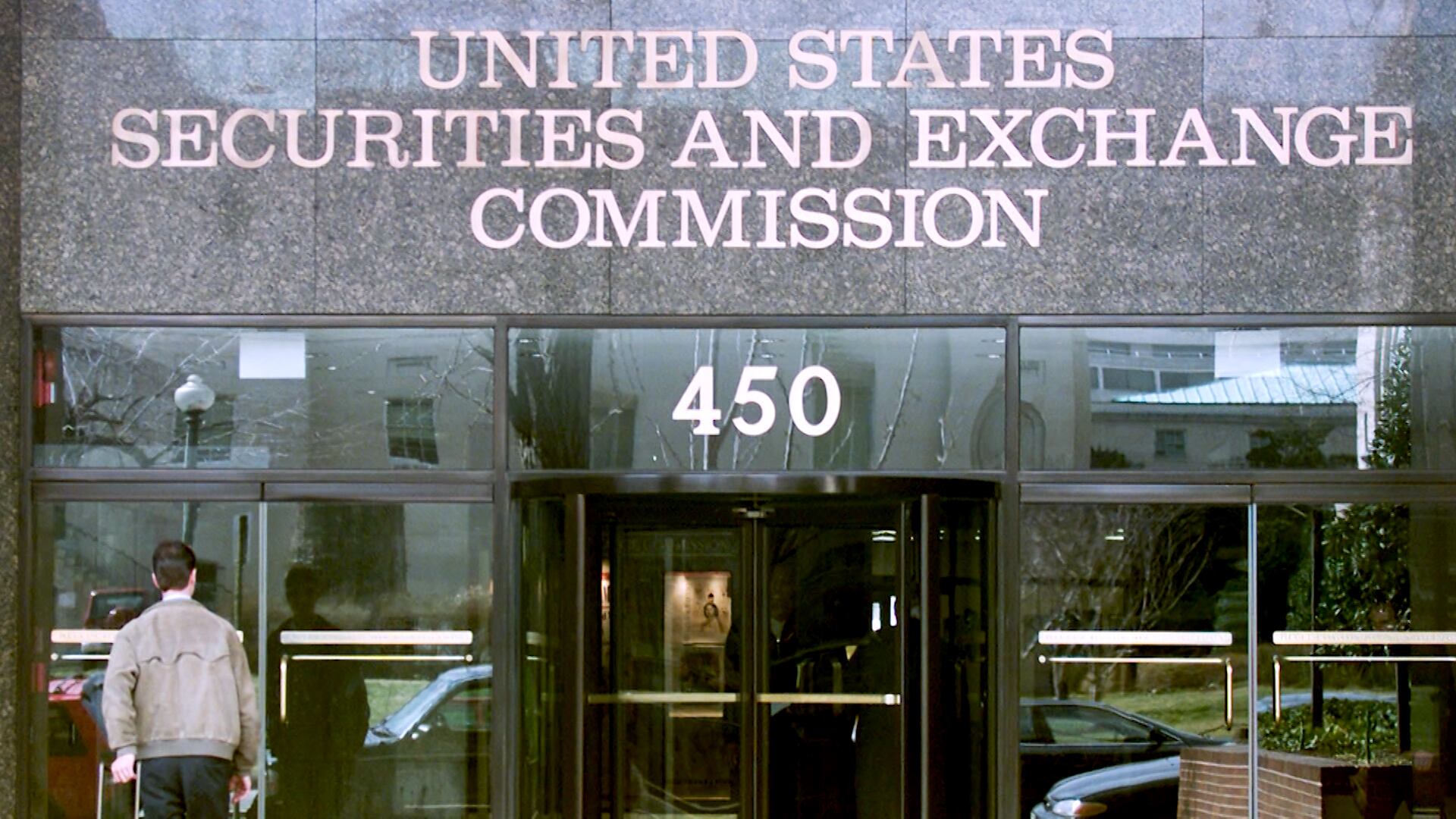
The U.S. Securities and Exchange Commission Monday laid out a proposal that would require businesses to disclose the emissions they produce. Kathleen Rogers, CEO & President at EARTHDAY.ORG, joined Cheddar News to break down the implications of this historic step.
Deepwell Digital Therapeutics is a game development company looking to transform the way we look at video games — this time to improve health outcomes. Its goal is to create software to aid those who deal with conditions such as depression and ADHD. Company co-founder and co-CEO Ryan Douglas and co-founder Kate Edwards joined Cheddar News to talk about the technology is being used to help patients. "From a research perspective, the game industry itself has been well aware for many, many years of the kind of inherent, kind of anecdotal therapeutic value of playing games," said Edwards.
Catching you up on what you Need to Know on Mar 21, 2022, with updates on the Russian invasion in Ukraine, a Boeing 737-800 plane carrying 132 people crashed in China, Canadian Pacific rail workers on strike, another possible COVID surge, and the SEC's new climate rules for businesses.
The Bill Gates-founded Breakthrough Energy company invested $80 million in Verdox Inc. to facilitate efficient, lower-cost technolog to remove carbon from the air and emission sources. CEO of Verdox, Brian Baynes, joined Cheddar News to discuss the investment, how the company's tech works, and where he sees it going. "We anticipate that with technologies like ours, we potentially can get to the scale of about a million tons per year within 5-10 years," he said. "And then ultimately we need to be doing this at the scales of billions of tons per year and ultimately about 10 billion tons per year in the year 2050."
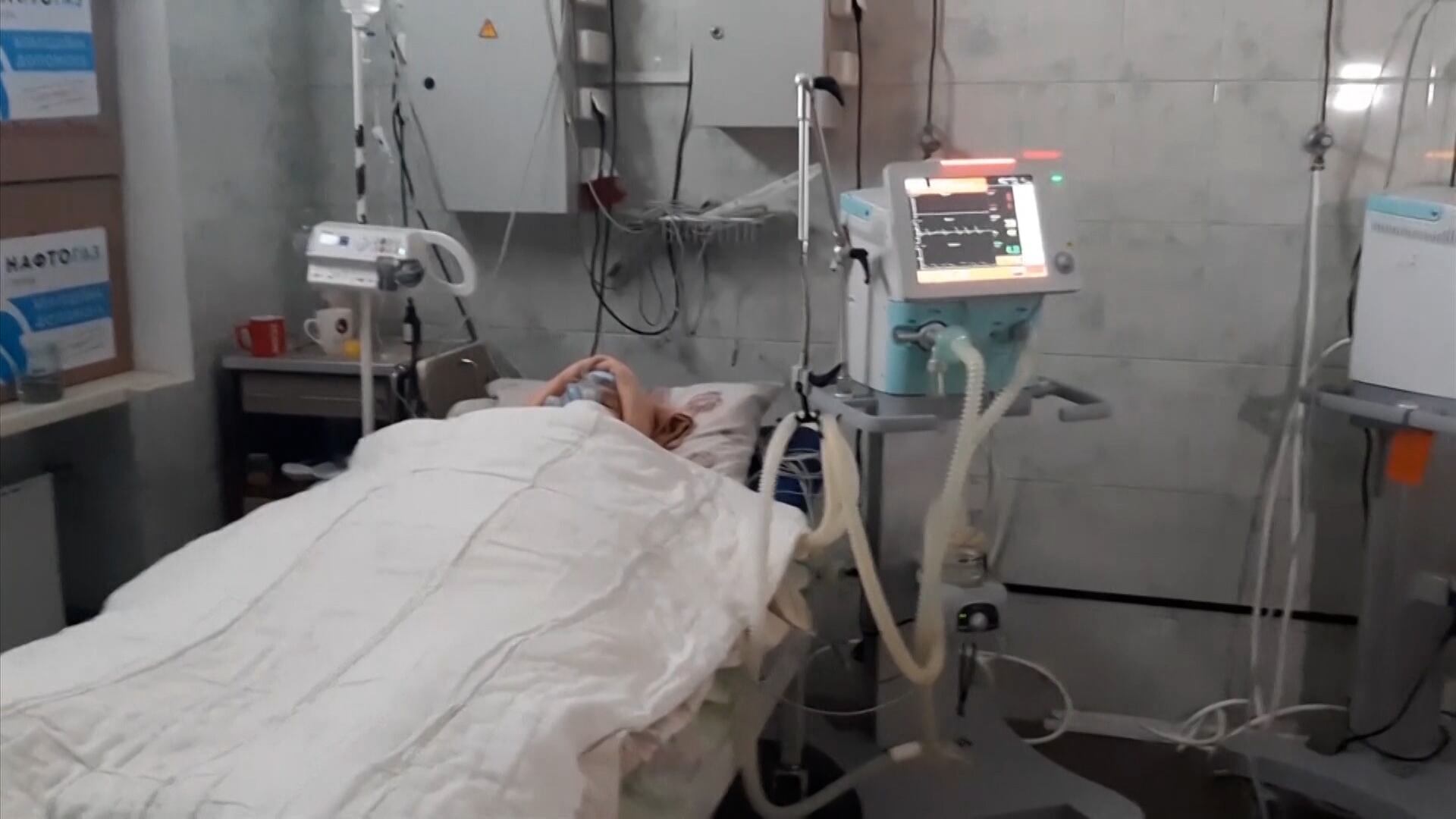
As the Russia's invasion of Ukraine continues, medical experts are worried conditions in active warzones will exacerbate the current pandemic — or even give rise to other contagions. Dr. Daniel Fagbuyi, a war veteran and former Obama administration biodefense appointee, joined Cheddar News to discuss the ongoing danger of COVID-19 on top of the war, as well as the potential for new variants to emerge. "I mean just large volumes of people definitely is a breeding ground. That's the worst case," he said. "Two things don't mix: war-conflict and a virus, a potential pandemic virus."
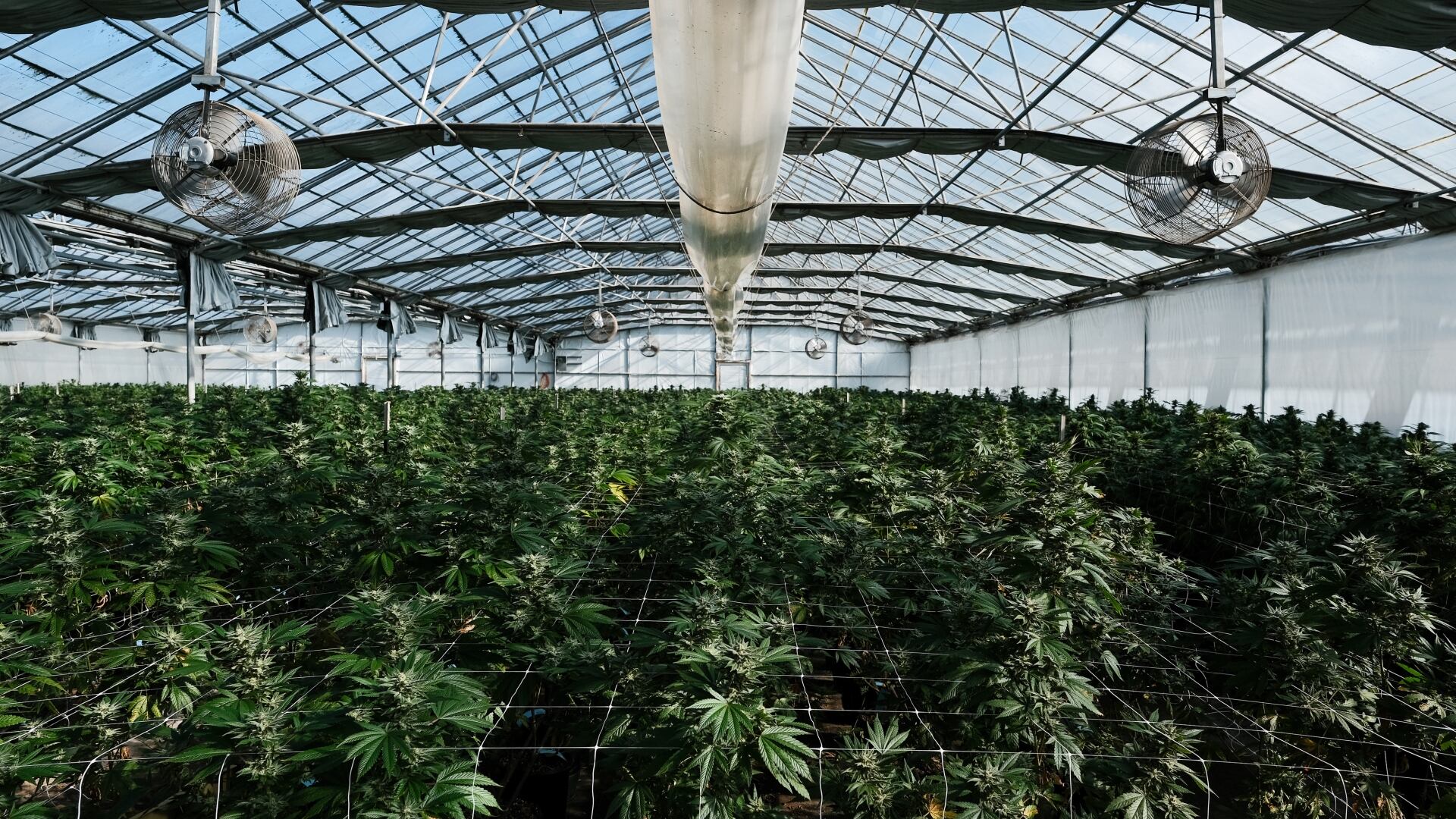
Medical cannabis company Akanda went public this week in what was the first traditional IPO of the month. Shares jumped about 163% in the stock's first day of trading. The London-based company says it hopes to supply medical cannabis products to wholesalers in international markets. Tej Virk, CEO of Akanda, joins Cheddar News' Closing Bell to discuss.