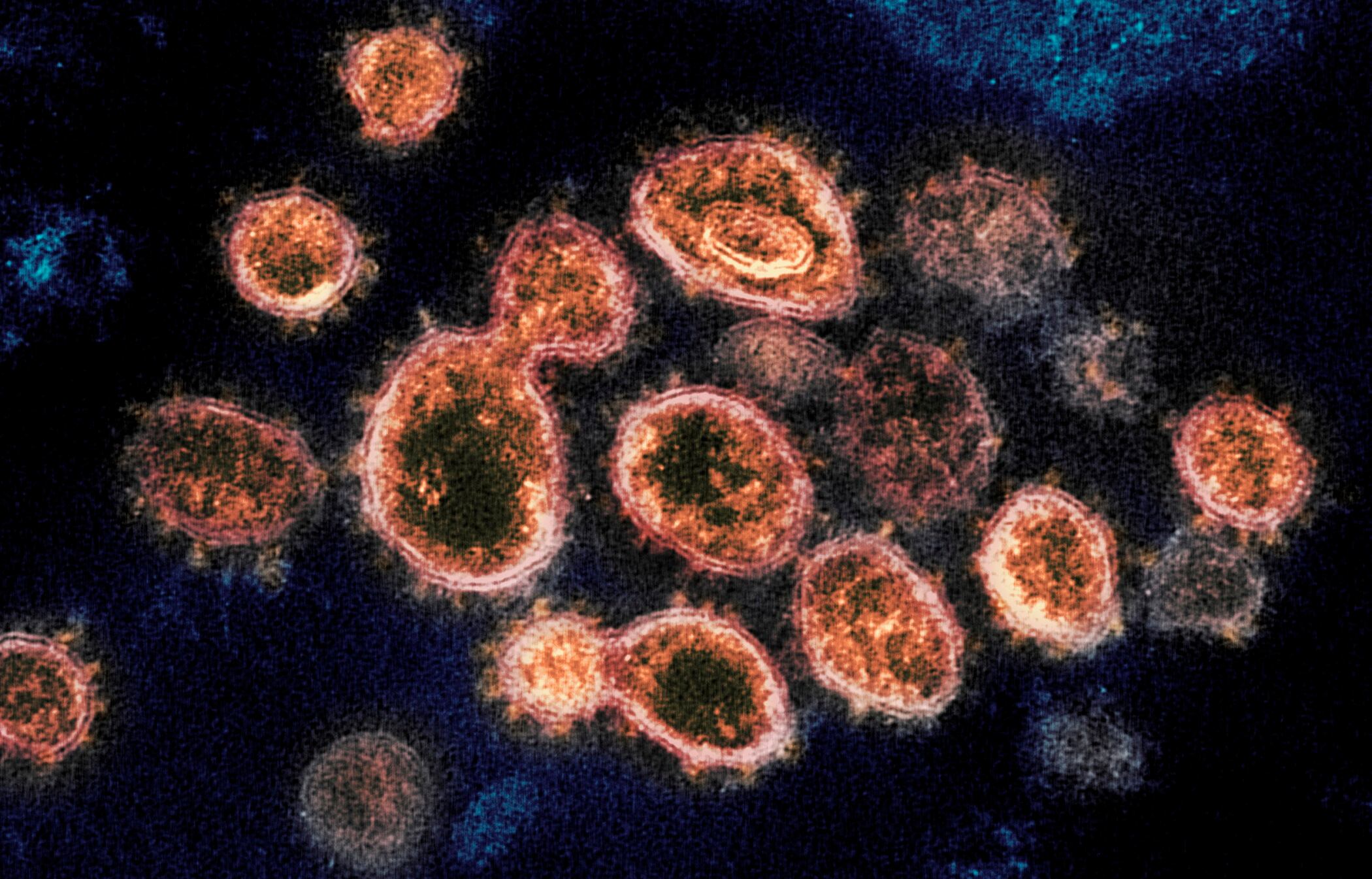
This 2020 electron microscope image provided by the National Institute of Allergy and Infectious Diseases - Rocky Mountain Laboratories shows SARS-CoV-2 virus particles which cause COVID-19, isolated from a patient in the U.S., emerging from the surface of cells cultured in a lab. According to a study released in The Lancet Global Health on Wednesday, Oct. 27, 2021, Fluvoxamine, a cheap antidepressant, reduced the need for hospitalization among high-risk adults with COVID-19. (NIAID-RML via AP)
By Carla K. Johnson
A cheap antidepressant reduced the need for hospitalization among high-risk adults with COVID-19 in a study hunting for existing drugs that could be repurposed to treat coronavirus.
Researchers tested the pill used for depression and obsessive-compulsive disorder because it was known to reduce inflammation and looked promising in smaller studies.
They've shared the results with the U.S. National Institutes of Health, which publishes treatment guidelines, and they hope for a World Health Organization recommendation.
“If WHO recommends this, you will see it widely taken up,” said study co-author Dr. Edward Mills of McMaster University in Hamilton, Ontario, adding that many poor nations have the drug readily available. “We hope it will lead to a lot of lives saved.”
The pill, called fluvoxamine, would cost $4 for a course of COVID-19 treatment. By comparison, antibody IV treatments cost about $2,000 and Merck's experimental antiviral pill for COVID-19 is about $700 per course. Some experts predict various treatments eventually will be used in combination to fight the coronavirus.
Researchers tested the antidepressant in nearly 1,500 Brazilians recently infected with coronavirus who were at risk of severe illness because of other health problems, such as diabetes. About half took the antidepressant at home for 10 days, the rest got dummy pills. They were tracked for four weeks to see who landed in the hospital or spent extended time in an emergency room when hospitals were full.
In the group that took the drug, 11% needed hospitalization or an extended ER stay, compared to 16% of those on dummy pills.
The results, published Wednesday in the journal Lancet Global Health, were so strong that independent experts monitoring the study recommended stopping it early because the results were clear.
Questions remain about the best dosing, whether lower risk patients might also benefit and whether the pill should be combined with other treatments.
The larger project looked at eight existing drugs to see if they could work against the pandemic virus. The project is still testing a hepatitis drug, but all the others — including metformin, hydroxychloroquine and ivermectin — haven't panned out.
The cheap generic and Merck's COVID-19 pill work in different ways and “may be complementary,” said Dr. Paul Sax of Brigham and Women’s Hospital and Harvard Medical School, who was not involved in the study. Earlier this month, Merck asked regulators in the U.S. and Europe to authorize its antiviral pill.
___
The Associated Press Health and Science Department receives support from the Howard Hughes Medical Institute’s Department of Science Education. The AP is solely responsible for all content.
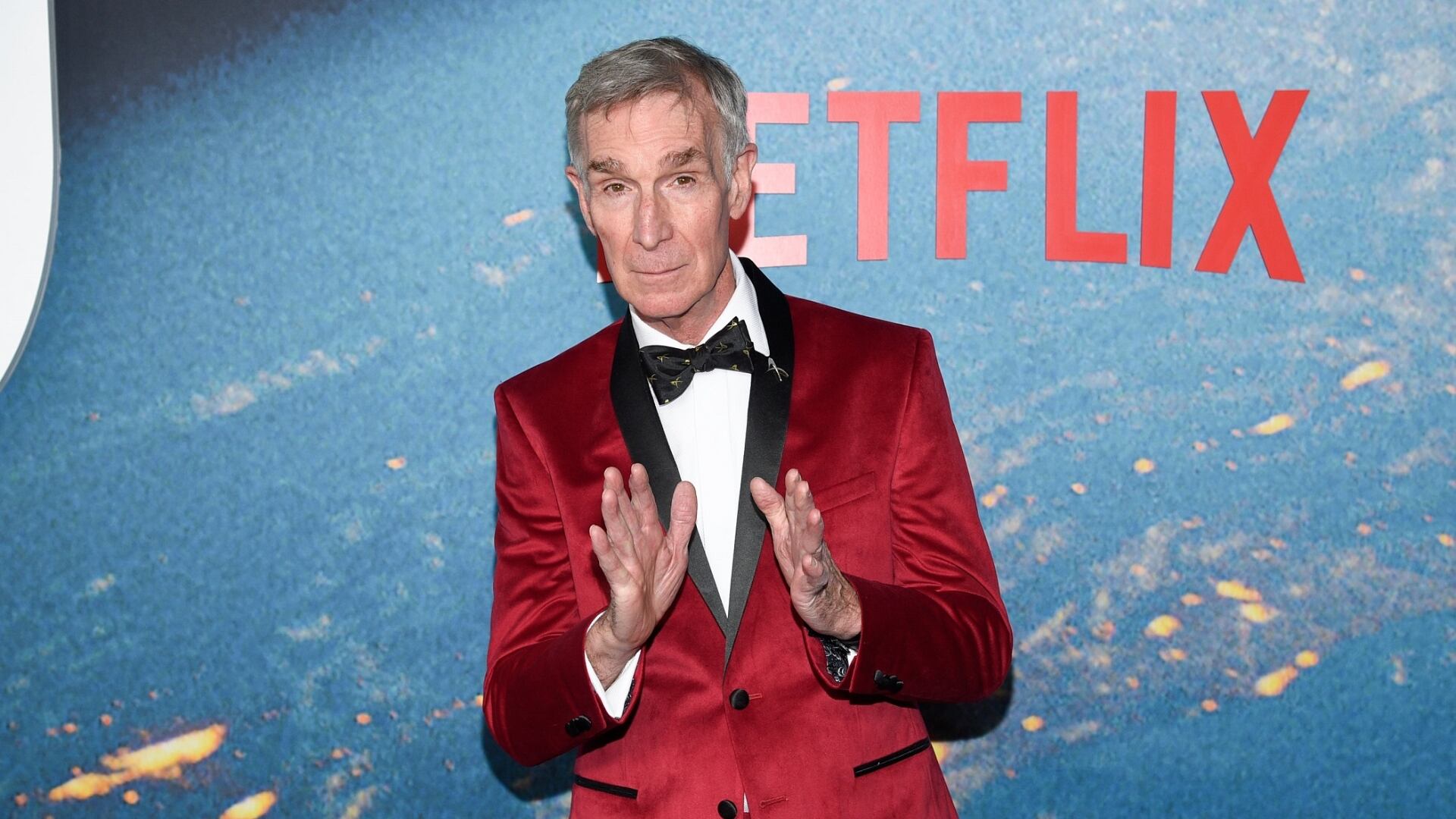
Bill Nye the Science Guy is back but on an even smaller screen. America’s favorite science teacher has racked up more than eight million followers on TikTok, and he joined Cheddar News to talk about his success on the platform, having fun but also being serious about scientific topics like tackling climate change, and his newest hosting project "The End is Nye," a streaming show on Peacock that examines disasters — both natural and manmade. "There are six episodes. We have big disasters. Things go terribly wrong, and then we show you how things could have gone right," he explained.
You probably have your summer music playlist ready to to go, but you're probably not aware how an in-store shopping soundtrack may impact your experience. Spotify Advertising took a look at how audio affects small business shopping. Rochelle Sanchirico, Global Director of Scaled Business and Marketing at Spotify Advertising, joins Cheddar News to discuss.
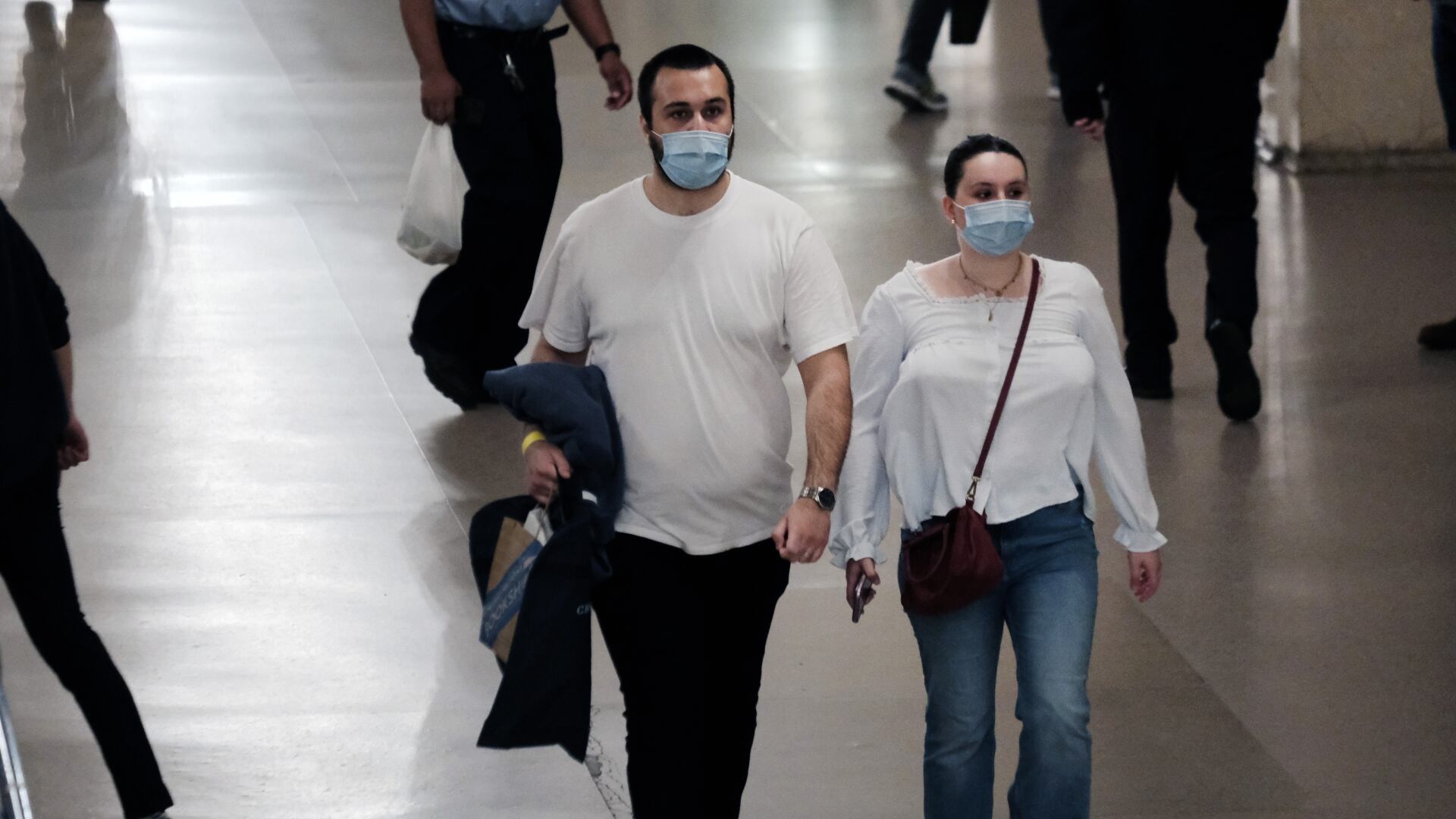
Summer travel season is just around the corner, as the U.S. is entering a fifth COVID-19 wave. Cheddar News speaks with Dr. Jen Caudle, Family Physician and Associate Professor at Rowan University on how to evaluate your vacation plans.
Catching you up on what you need to know on Wednesday, June 1, 2022, House lawmakers hold an emergency hearing on gun control measures in the wake of the Uvalde shooting, the Supreme Court temporarily blocks Texas' law stopping social media moderation, and the James Webb Space Telescope gets a new mission.
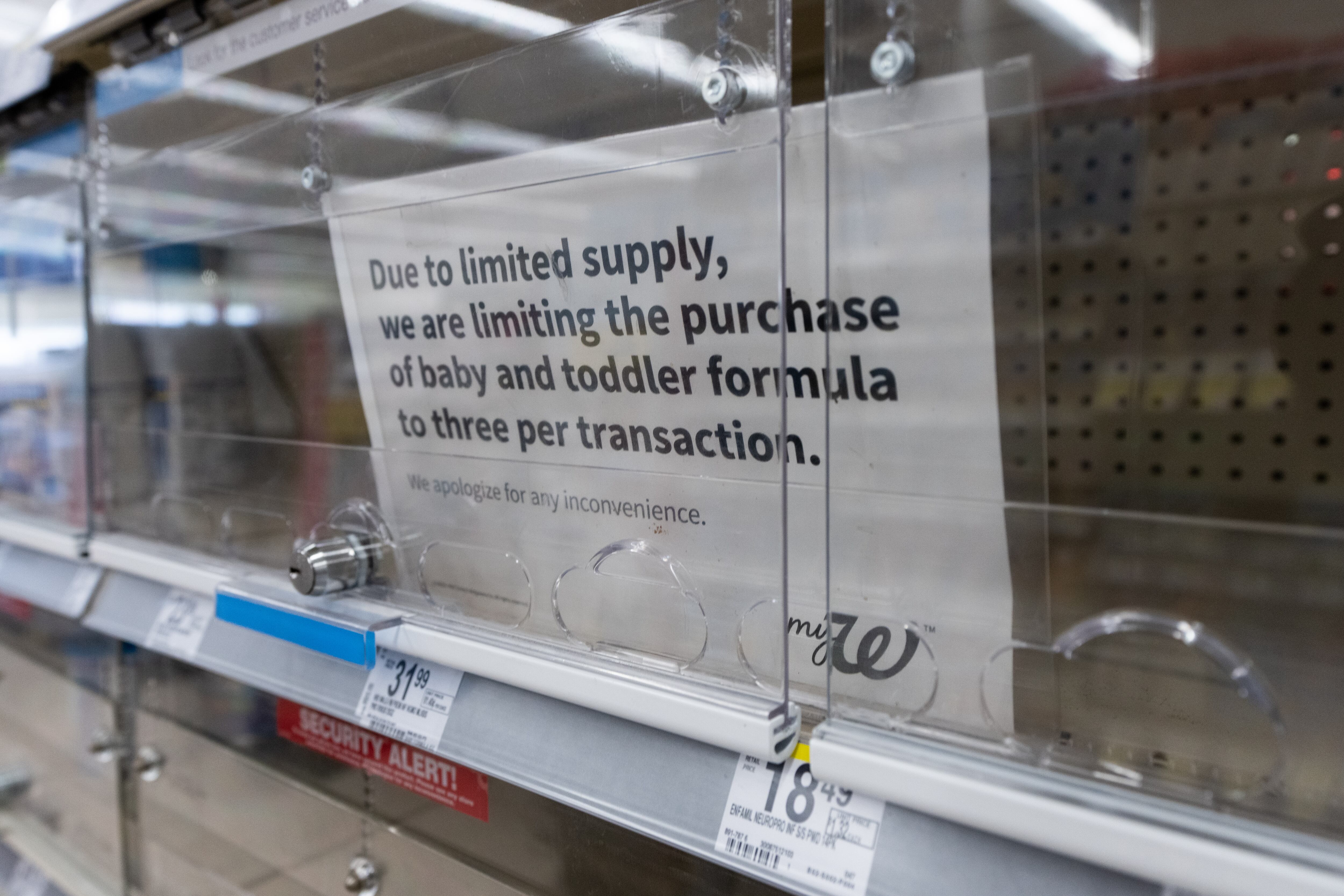
With the baby formula in the United States surging to an out-of-stock rate of 70 percent, the FDA has given Abbott permission to reopen its Michigan plant amid the crisis and authorized foreign imports. Professor Peter Pitts, a former FDA associate commissioner and current president of the Center for Medicine in the Public Interest, joined Cheddar News to discuss the ongoing shortage and its wide impact. “As difficult as things is in urban areas, they’re even worse in small communities and tribal areas where parents can't just go to the next store on the corner," he said. Pitts also noted that the Abbott factory was a "disaster" prior to its shutdown and that it would have been "regulatory malpractice" to have left it open.
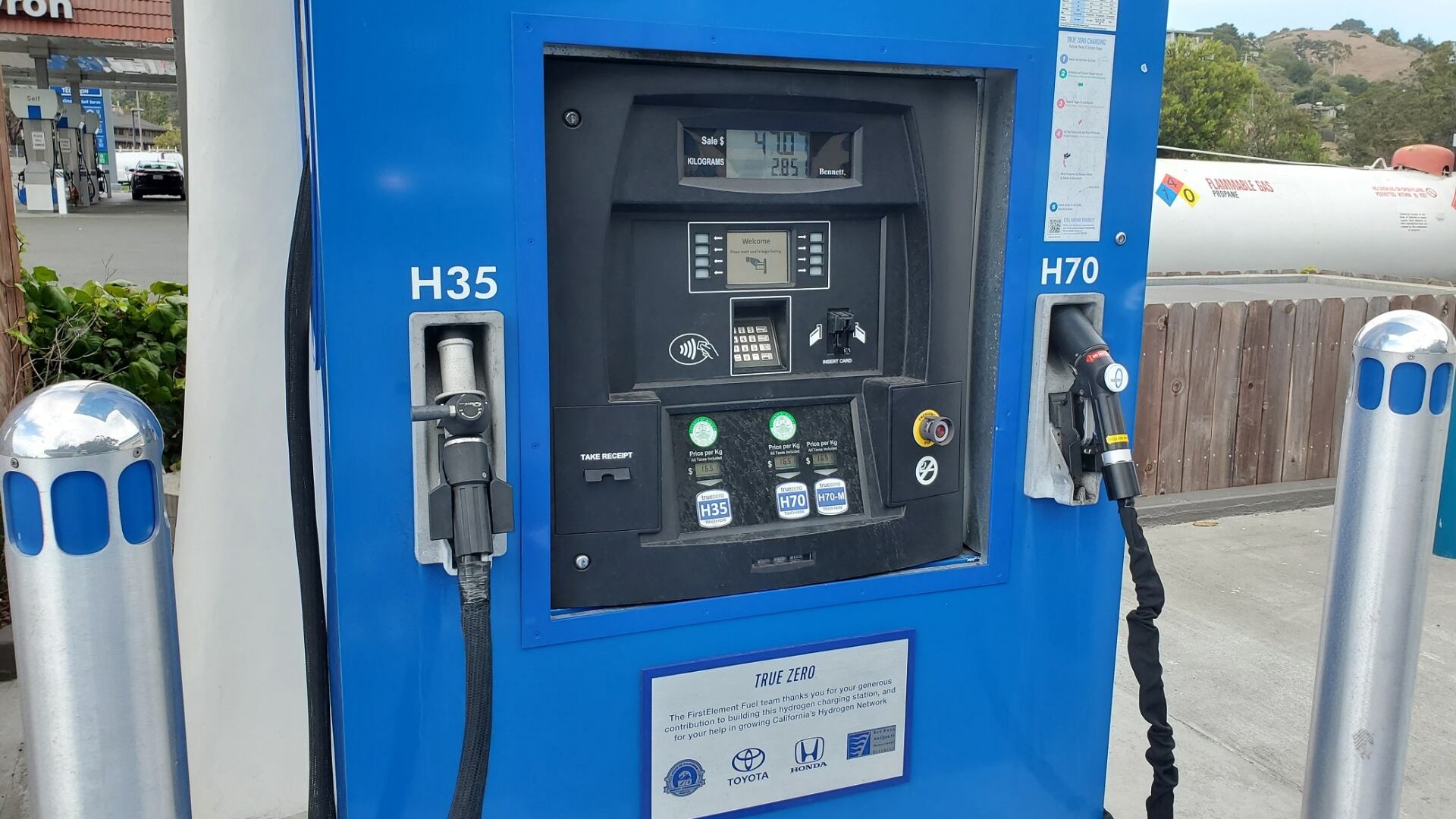
Scientists are hoping that the simplest element in the universe — hydrogen — can be the solution to slowing down climate change. However, it does not come without cost. The process of making hydrogen could potentially add more CO2.
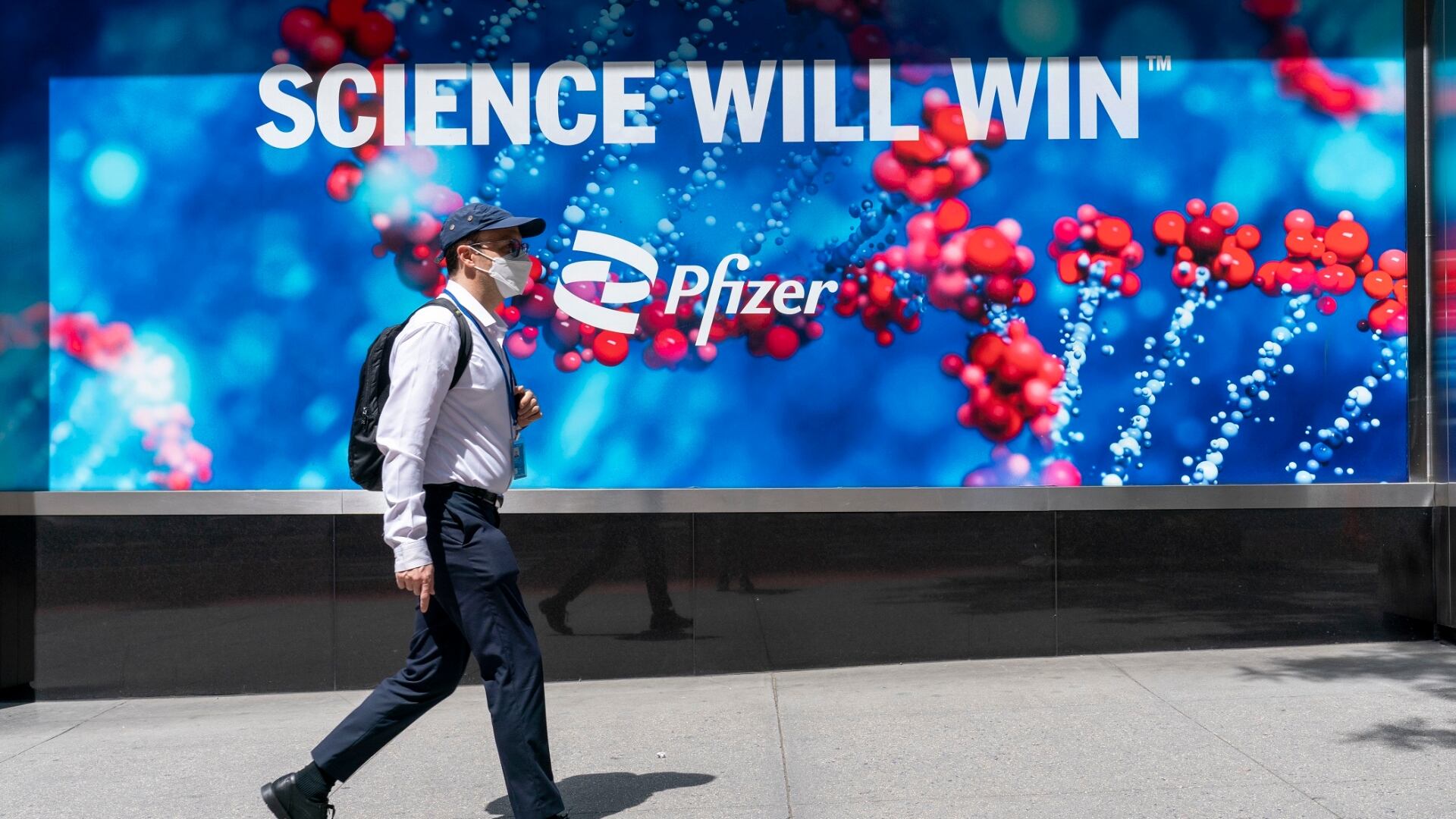
Pfizer said it will be shipping its vaccines at not-for-profit prices to 45 low-income countries. The pharmaceutical giant will be exporting 23 drugs, including those that treat cancer, heart conditions, autoimmune diseases, as well as COVID-19.
It's not a scene from a movie: an asteroid the size of Mount Everest is headed toward earth. It's bigger than 99% of the asteroids in our solar system. But Cheddar anchor Shannon Lanier says fear not. The giant rock will miss us by more than 2 million miles.