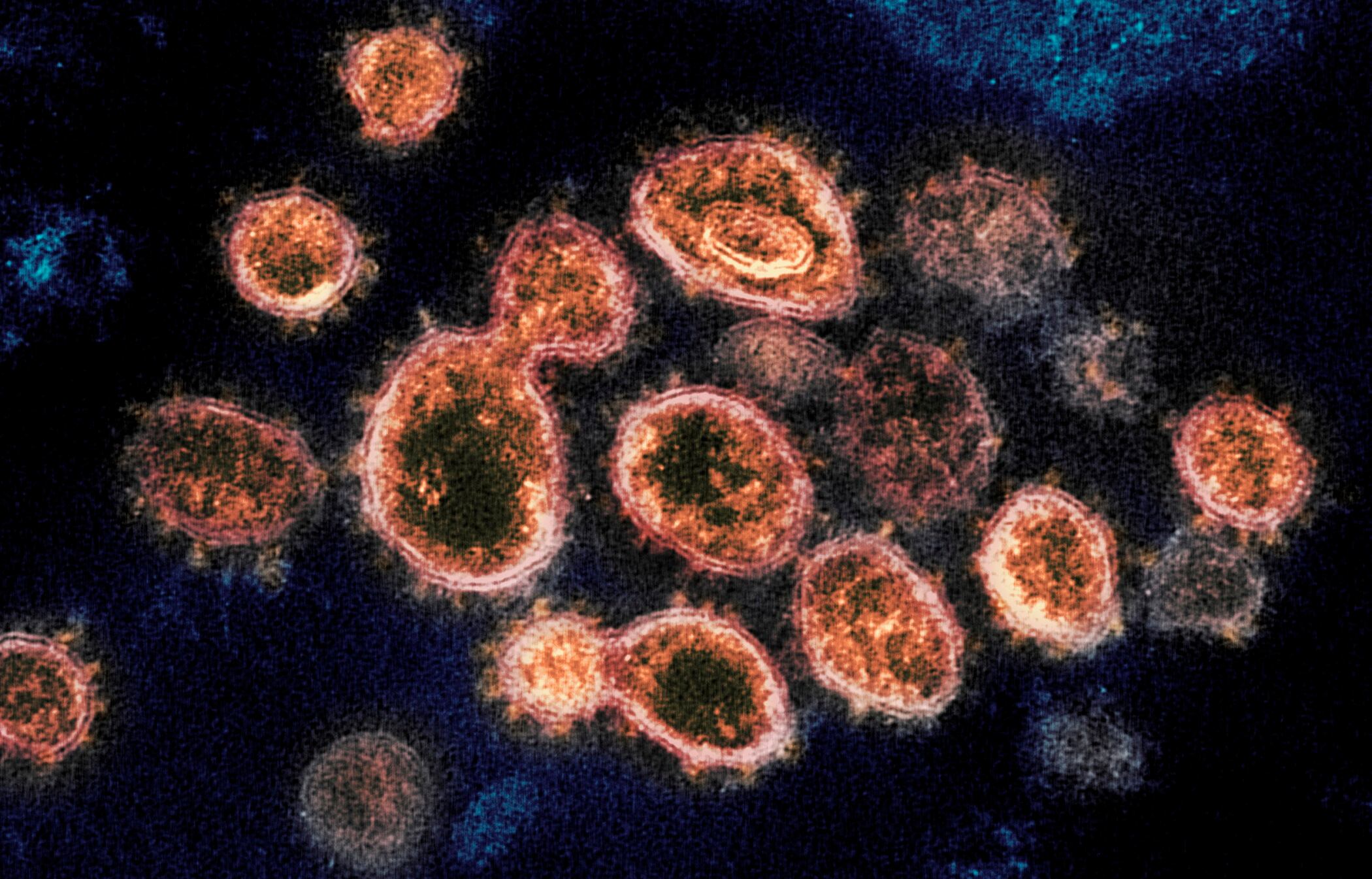
This 2020 electron microscope image provided by the National Institute of Allergy and Infectious Diseases - Rocky Mountain Laboratories shows SARS-CoV-2 virus particles which cause COVID-19, isolated from a patient in the U.S., emerging from the surface of cells cultured in a lab. According to a study released in The Lancet Global Health on Wednesday, Oct. 27, 2021, Fluvoxamine, a cheap antidepressant, reduced the need for hospitalization among high-risk adults with COVID-19. (NIAID-RML via AP)
By Carla K. Johnson
A cheap antidepressant reduced the need for hospitalization among high-risk adults with COVID-19 in a study hunting for existing drugs that could be repurposed to treat coronavirus.
Researchers tested the pill used for depression and obsessive-compulsive disorder because it was known to reduce inflammation and looked promising in smaller studies.
They've shared the results with the U.S. National Institutes of Health, which publishes treatment guidelines, and they hope for a World Health Organization recommendation.
“If WHO recommends this, you will see it widely taken up,” said study co-author Dr. Edward Mills of McMaster University in Hamilton, Ontario, adding that many poor nations have the drug readily available. “We hope it will lead to a lot of lives saved.”
The pill, called fluvoxamine, would cost $4 for a course of COVID-19 treatment. By comparison, antibody IV treatments cost about $2,000 and Merck's experimental antiviral pill for COVID-19 is about $700 per course. Some experts predict various treatments eventually will be used in combination to fight the coronavirus.
Researchers tested the antidepressant in nearly 1,500 Brazilians recently infected with coronavirus who were at risk of severe illness because of other health problems, such as diabetes. About half took the antidepressant at home for 10 days, the rest got dummy pills. They were tracked for four weeks to see who landed in the hospital or spent extended time in an emergency room when hospitals were full.
In the group that took the drug, 11% needed hospitalization or an extended ER stay, compared to 16% of those on dummy pills.
The results, published Wednesday in the journal Lancet Global Health, were so strong that independent experts monitoring the study recommended stopping it early because the results were clear.
Questions remain about the best dosing, whether lower risk patients might also benefit and whether the pill should be combined with other treatments.
The larger project looked at eight existing drugs to see if they could work against the pandemic virus. The project is still testing a hepatitis drug, but all the others — including metformin, hydroxychloroquine and ivermectin — haven't panned out.
The cheap generic and Merck's COVID-19 pill work in different ways and “may be complementary,” said Dr. Paul Sax of Brigham and Women’s Hospital and Harvard Medical School, who was not involved in the study. Earlier this month, Merck asked regulators in the U.S. and Europe to authorize its antiviral pill.
___
The Associated Press Health and Science Department receives support from the Howard Hughes Medical Institute’s Department of Science Education. The AP is solely responsible for all content.
Alysa McCall, director of conservation outreach and staff scientist at Polar Bears International, joined Cheddar to discuss the ongoing fight to protect polar bears from extinction while world leaders gathered to discuss the climate crisis. McCall explained her organization's mission "to ensure the long term survival of polar bears by helping ensure their arctic sea ice habitat remains intact." McCall said she hopes actionable steps are taken after the UN climate summit to mitigate the crisis and not just more promises.
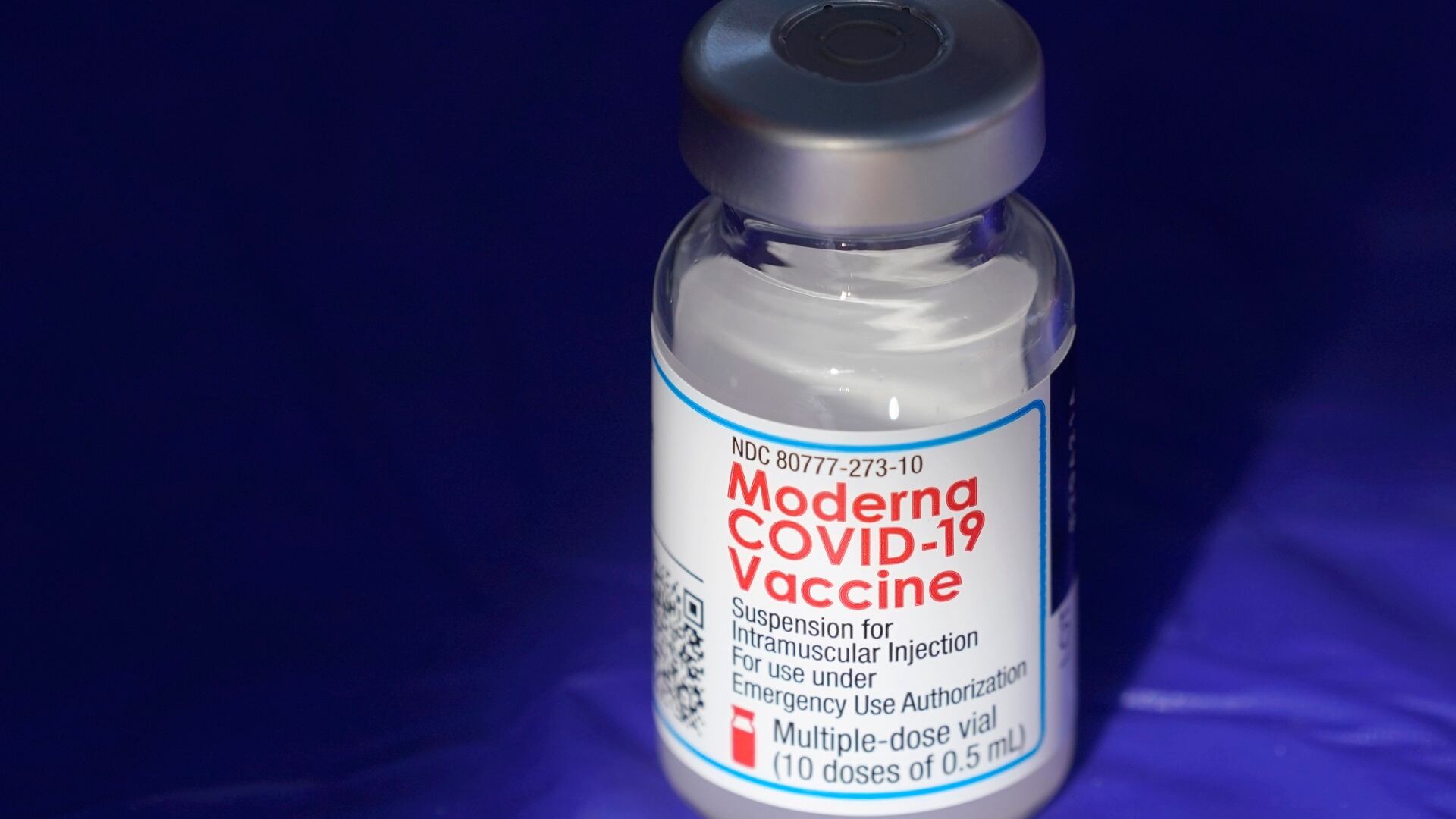
Moderna reported a massive miss on revenue in its Q3 earnings, taking in $5 billion versus the expected $6.21 billion despite sales of the COVID-19 vaccine. The pharmaceutical giant's stock dropped sharply on the news.
Carlo and Baker discuss the fallout from Tuesday's election and the flashing warning sign for Dems ahead of the midterms. Also, a big 2A case at the Supreme Court, Aaron Rodgers has Covid and is in big trouble, and a first for the MCU.
Carlo and Baker discuss the election results across the country, including a Republican comeback in Virginia -- and possibly NJ -- plus the CDC gives the go-ahead for child vaccinations, Atlanta wins the World Series and more.
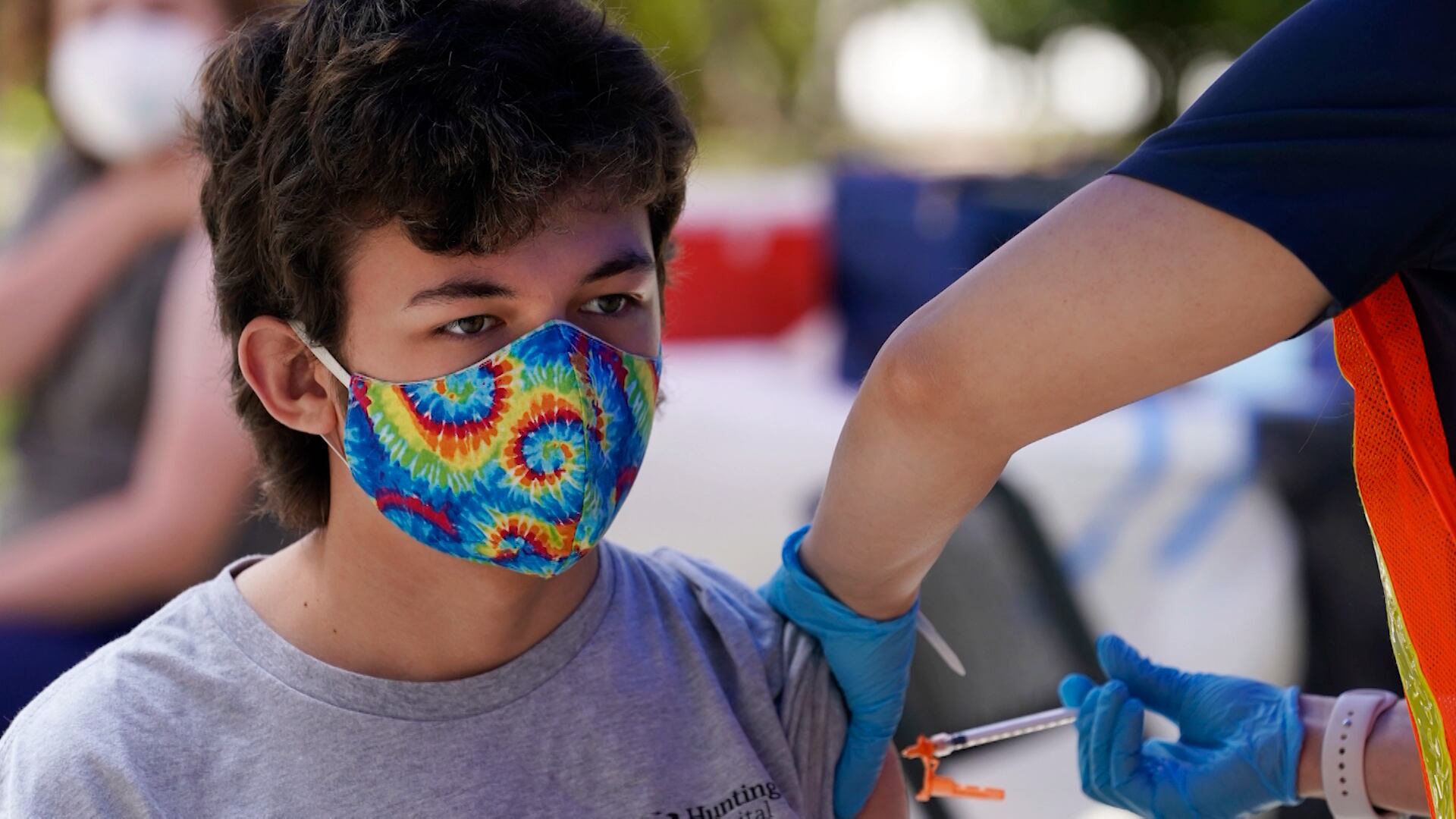
Dr. Julie Morita, executive vice president of Robert Wood Johnson Foundation, joined Cheddar to discuss the CDC advisory panel recommending the Pfizer vaccine for children ages 5-11. "We've seen many millions of children getting sick, many hospitalized, many dying because of COVID," Morita said. "And so now we have a new tool that we can use to keep our children safe." She also noted that hesitancy among parents about vaccinating their children will likely fade in time as the childhood vaccine program gets underway.
Matthew Oxenford, Analyst at the Economist Intelligence Unit, joins a special edition of Cheddar Climate, where he discusses the responsibilities big businesses across multiple sectors have when it comes to combating the effects of climate change around the world.
President Joe Biden introduced the Global Methane Pledge on the second day of the United Nations climate summit. The U.S. and the European Union will lead the way when it comes to methane emissions reductions, and close to 100 nations have also signed on. It's seen as the fastest way to slow down global warming and keep nations on track toward meeting the goal of keeping warming just 1.5 degrees Celsius above late 1800s atmospheric levels. Dr. Sweta Chakraborty, U.S. President of climate-focused startup 'We Don't Have Time' joins Cheddar Climate to discuss the importance of the Biden administration's methane regulations -- and the importance of U.S. leadership when it comes to climate issues.
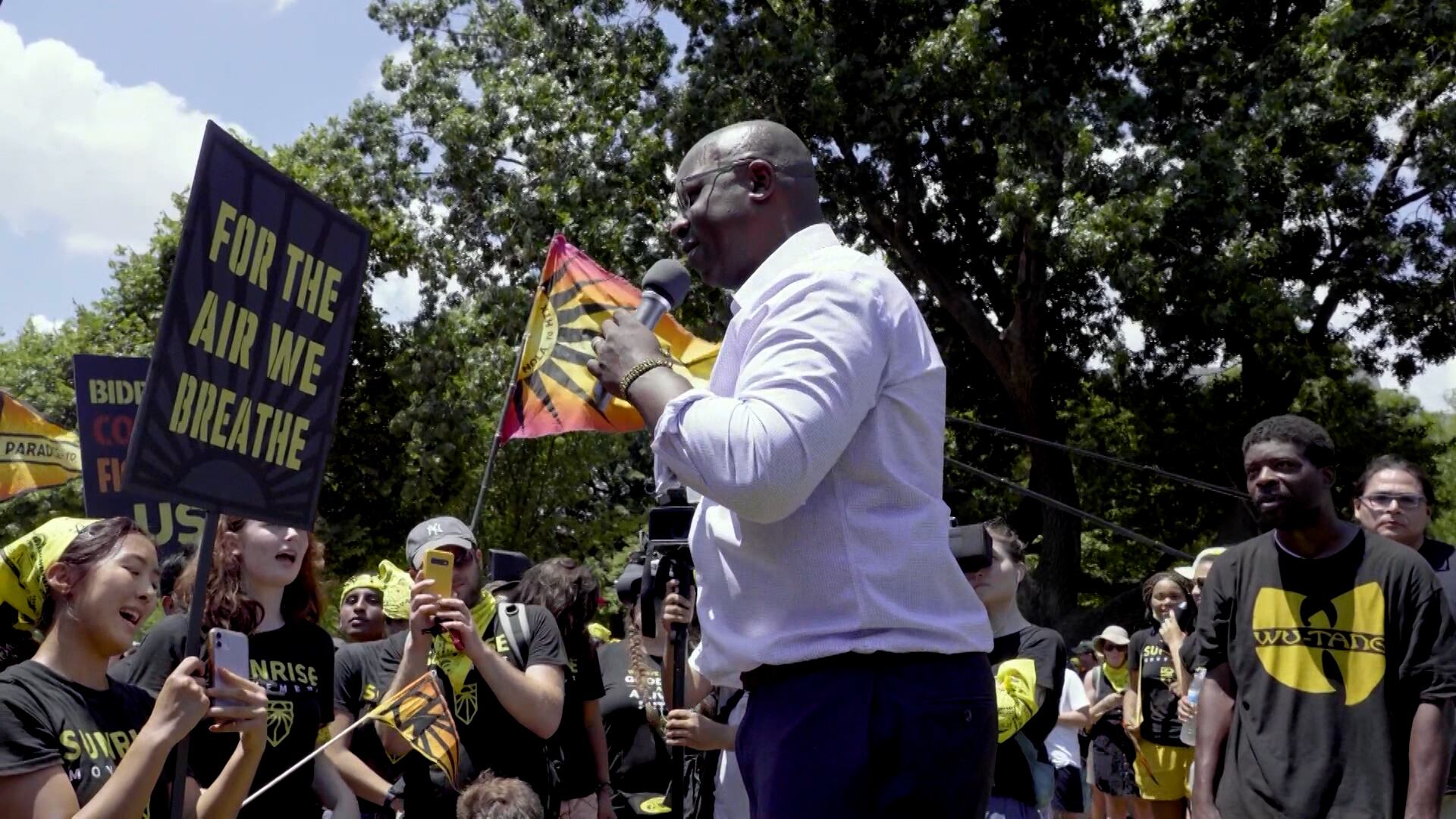
John Paul Mejia, the national spokesperson for the Sunrise Movement, joined Cheddar to talk about what the youth activist group wants to see from President Joe Biden as he attends the COP26 climate summit. Mejia admonished the president for having little to deliver on his own climate agenda domestically while at the conference. "We need the president to follow through with his promises because, frankly, it's a matter of life or death not only for communities here in the United States but also those looking to us around the world," he said.
With COP26 kicking off, roughly 120 world leaders and delegates are in Glasgow, Scotland to hold climate talks this week. As experts continue to warn about the dangers of climate change, ESG investing is more important than ever.
Georges Archibald, Head of Apex Americas at Apex Group joined Cheddar's Opening Bell to discuss.
Roughly 20,000 heads of state, diplomats, and activists will gather in person starting Oct. 31 to address the threat of climate change. The summit, known as COP26, is seen as a crucial step in getting the crisis under control as scientists warn global warming is only getting worse. Carroll Muffett, President and CEO of the Center for International Environmental Law, joined Cheddar to explain the goals of COP26 and why it's so crucial for the world leaders to step up and make new, aggressive climate commitments.