This 2020 electron microscope image provided by the National Institute of Allergy and Infectious Diseases - Rocky Mountain Laboratories shows SARS-CoV-2 virus particles which cause COVID-19, isolated from a patient in the U.S., emerging from the surface of cells cultured in a lab. According to a study released in The Lancet Global Health on Wednesday, Oct. 27, 2021, Fluvoxamine, a cheap antidepressant, reduced the need for hospitalization among high-risk adults with COVID-19. (NIAID-RML via AP)
By Carla K. Johnson
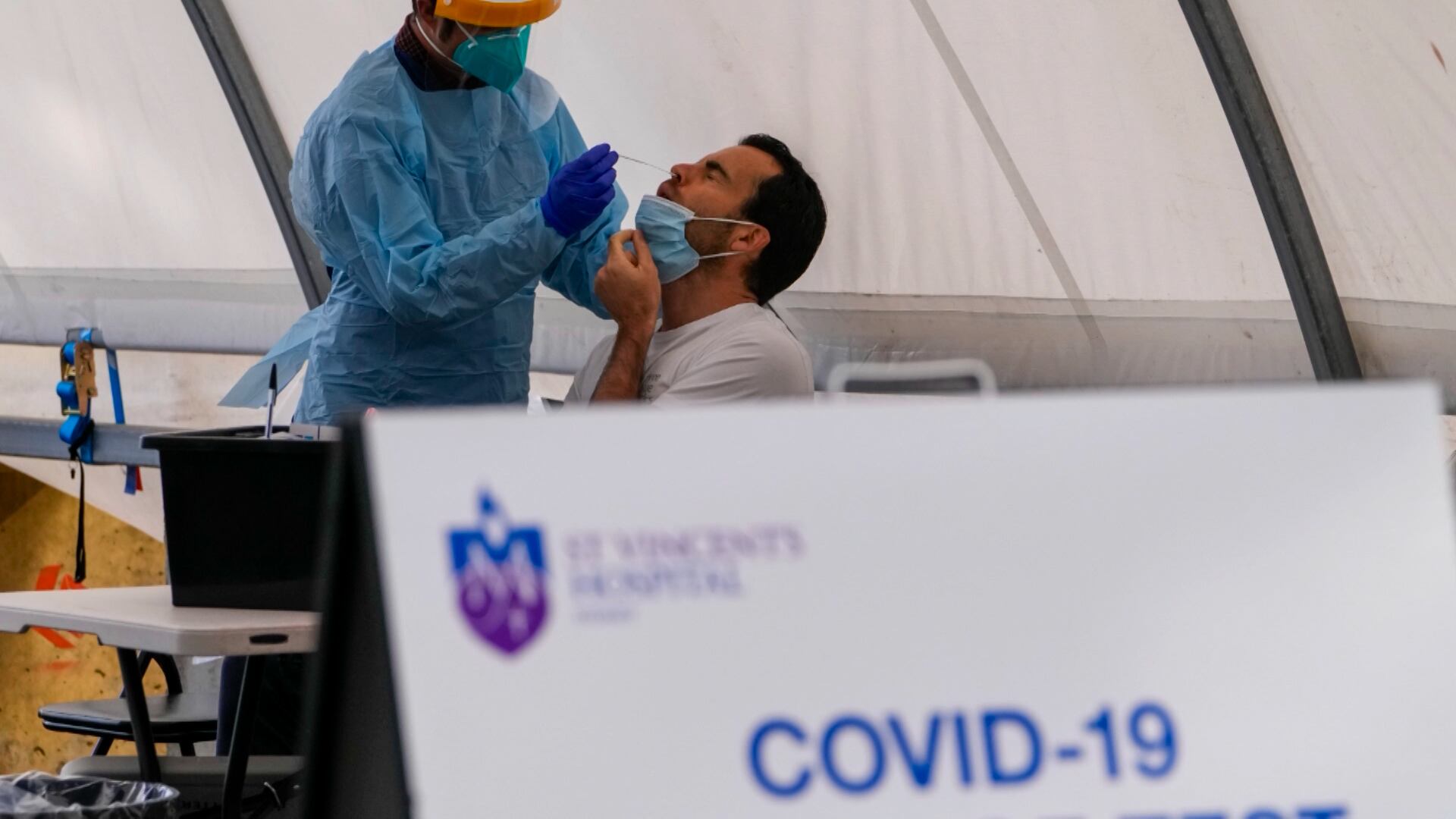
A cheap antidepressant reduced the need for hospitalization among high-risk adults with COVID-19 in a study hunting for existing drugs that could be repurposed to treat coronavirus.
Researchers tested the pill used for depression and obsessive-compulsive disorder because it was known to reduce inflammation and looked promising in smaller studies.
They've shared the results with the U.S. National Institutes of Health, which publishes treatment guidelines, and they hope for a World Health Organization recommendation.
“If WHO recommends this, you will see it widely taken up,” said study co-author Dr. Edward Mills of McMaster University in Hamilton, Ontario, adding that many poor nations have the drug readily available. “We hope it will lead to a lot of lives saved.”
The pill, called fluvoxamine, would cost $4 for a course of COVID-19 treatment. By comparison, antibody IV treatments cost about $2,000 and Merck's experimental antiviral pill for COVID-19 is about $700 per course. Some experts predict various treatments eventually will be used in combination to fight the coronavirus.
Researchers tested the antidepressant in nearly 1,500 Brazilians recently infected with coronavirus who were at risk of severe illness because of other health problems, such as diabetes. About half took the antidepressant at home for 10 days, the rest got dummy pills. They were tracked for four weeks to see who landed in the hospital or spent extended time in an emergency room when hospitals were full.
In the group that took the drug, 11% needed hospitalization or an extended ER stay, compared to 16% of those on dummy pills.
The results, published Wednesday in the journal Lancet Global Health, were so strong that independent experts monitoring the study recommended stopping it early because the results were clear.
Questions remain about the best dosing, whether lower risk patients might also benefit and whether the pill should be combined with other treatments.
The larger project looked at eight existing drugs to see if they could work against the pandemic virus. The project is still testing a hepatitis drug, but all the others — including metformin, hydroxychloroquine and ivermectin — haven't panned out.
The cheap generic and Merck's COVID-19 pill work in different ways and “may be complementary,” said Dr. Paul Sax of Brigham and Women’s Hospital and Harvard Medical School, who was not involved in the study. Earlier this month, Merck asked regulators in the U.S. and Europe to authorize its antiviral pill.
___
The Associated Press Health and Science Department receives support from the Howard Hughes Medical Institute’s Department of Science Education. The AP is solely responsible for all content.
On this episode of Cheddar Innovates: Yat Labs Co-Founder breaks down how a 'Yat' is changing the way people think about their online identities; Scythe Robotics CEO explains how it's bringing innovation to the landscaping industry with its autonomous, all-electric mowers; Founder of California Cowboy discusses how its creating clothing designed for creating in-person connections with others with features like a beverage pocket, bottle opener, and conversation cards; Cheddar gets a look at Curiosity Stream's 'Beyond the Spotlight' biography series.
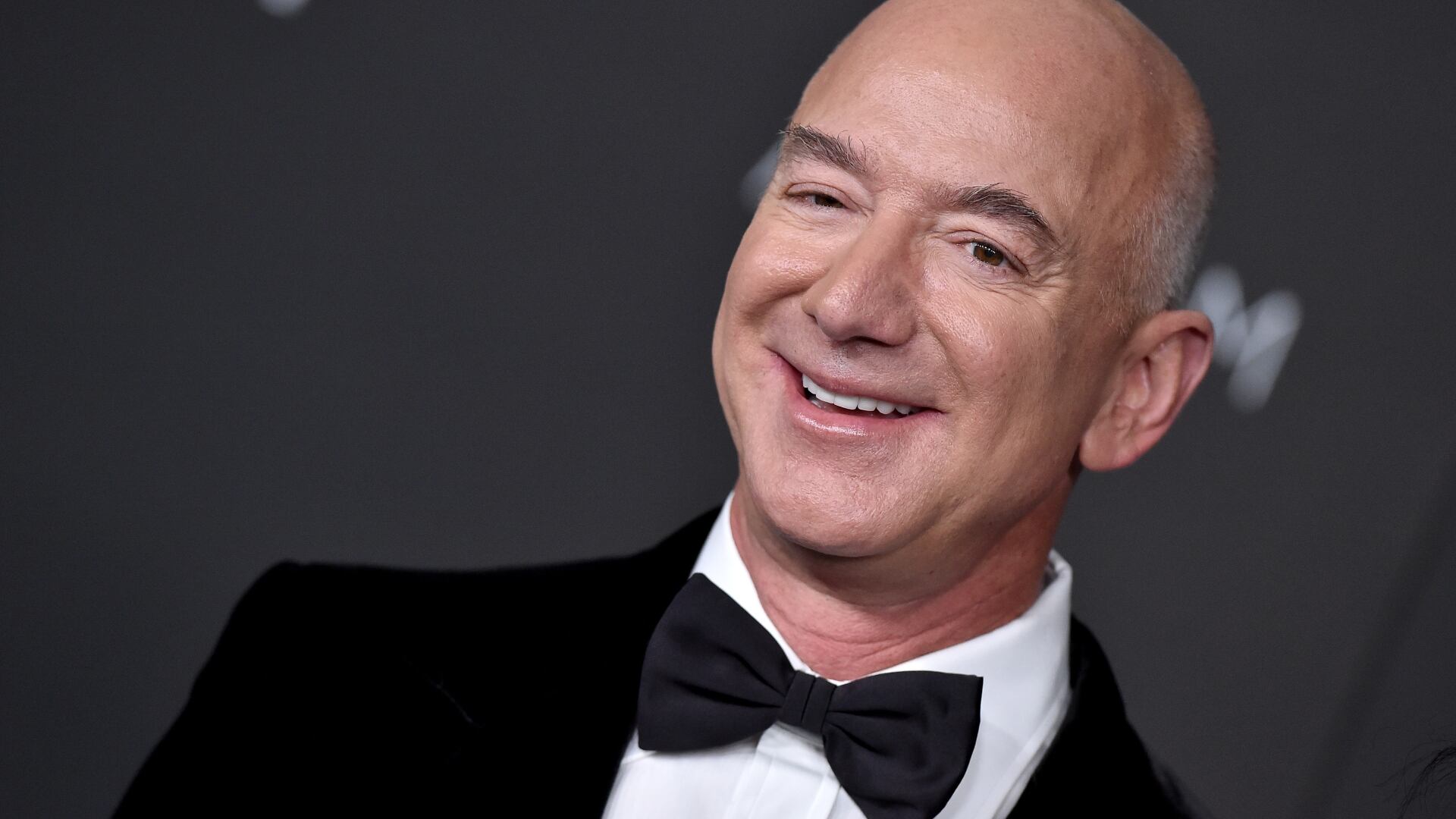
Amazon founder Jeffrey Bezos took to the stage at the U.N.'s COP26 Climate Summit to unveil a new plan to combat climate change, but some say it might do more harm than good. Justine Calma, Science Reporter at The Verge, joined Cheddar to discuss.
Pfizer has asked the FDA to expand authorization of COVID booster shots for all adults. The agency is expected to grant the request in the coming weeks, allowing vaccinated Americans as young as 18 to get boosted before the holidays. Dr. Bayo Curry-Winchell, Regional Clinical Director at Carbon Health, joined Cheddar to discuss.
Wood modification technology company Kebony recently raised $34 million in its latest funding round. The company's patented technology transformed sustainable softwood using leftover materials and makes it into a product that behaves like premium hardwood. The process has the potential to transform the global construction industry, as it is cost-effective and eco-friendly. Kebony CEO Norman Willemsen joined Cheddar News' Closing Bell to discuss.
Emma Searson, an author on the just-released Renewables on the Rise report and the director, 100% Renewable Campaign at Environment America, joined Cheddar to discuss the rapidly growing renewable energy sector. Between 2011 and 2020, the report shows that wind, solar, and geothermal energy production grew about 15 percent annually and that wind and solar alone account for 11 percent of electricity in the country. "There are a few really important drivers of the renewable energy progress that we're seeing all across the country," Searson said, highlighting falling prices, technology improvements, and supportive policies.
On this episode of 'Cheddar Reveals', Lydia McMullen-Laird and Samuel McMullen, co-founders of Live Zero Waste, discuss the sum of humanity's 'trash addiction' and lifestyle changes people can make to help reduce their individual trash output; Ryan Lupberger, Sustainability Pioneer and CEO of Cleancult, breaks down how Cleancult is redefining cleaning products and solutions to reduce their impact on the planet; Cheddar gets a look at Curiosity Stream's 'Going Circular.'
The U.S. has reopened its borders for fully vaccinated international visitors, ending a ban on foreign travelers that started more than a year ago. It's a welcome change for families separated by the pandemic and a sign of hope for the battered travel industry. Steve Shur, president of the The Travel Technology Association, discusses the new rules and how they could propel the travel industry into a post-pandemic boom.