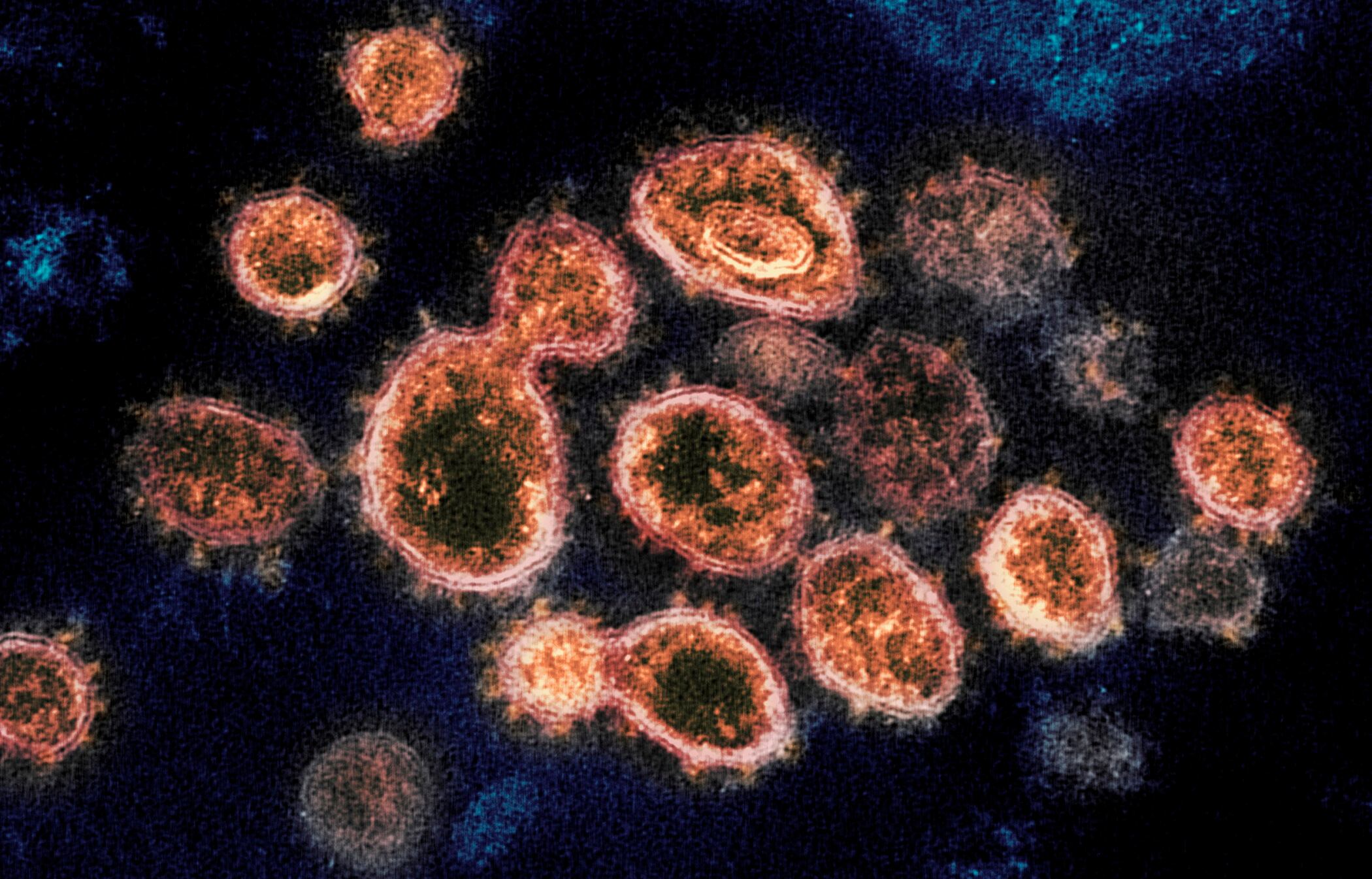
This 2020 electron microscope image provided by the National Institute of Allergy and Infectious Diseases - Rocky Mountain Laboratories shows SARS-CoV-2 virus particles which cause COVID-19, isolated from a patient in the U.S., emerging from the surface of cells cultured in a lab. According to a study released in The Lancet Global Health on Wednesday, Oct. 27, 2021, Fluvoxamine, a cheap antidepressant, reduced the need for hospitalization among high-risk adults with COVID-19. (NIAID-RML via AP)
By Carla K. Johnson
A cheap antidepressant reduced the need for hospitalization among high-risk adults with COVID-19 in a study hunting for existing drugs that could be repurposed to treat coronavirus.
Researchers tested the pill used for depression and obsessive-compulsive disorder because it was known to reduce inflammation and looked promising in smaller studies.
They've shared the results with the U.S. National Institutes of Health, which publishes treatment guidelines, and they hope for a World Health Organization recommendation.
“If WHO recommends this, you will see it widely taken up,” said study co-author Dr. Edward Mills of McMaster University in Hamilton, Ontario, adding that many poor nations have the drug readily available. “We hope it will lead to a lot of lives saved.”
The pill, called fluvoxamine, would cost $4 for a course of COVID-19 treatment. By comparison, antibody IV treatments cost about $2,000 and Merck's experimental antiviral pill for COVID-19 is about $700 per course. Some experts predict various treatments eventually will be used in combination to fight the coronavirus.
Researchers tested the antidepressant in nearly 1,500 Brazilians recently infected with coronavirus who were at risk of severe illness because of other health problems, such as diabetes. About half took the antidepressant at home for 10 days, the rest got dummy pills. They were tracked for four weeks to see who landed in the hospital or spent extended time in an emergency room when hospitals were full.
In the group that took the drug, 11% needed hospitalization or an extended ER stay, compared to 16% of those on dummy pills.
The results, published Wednesday in the journal Lancet Global Health, were so strong that independent experts monitoring the study recommended stopping it early because the results were clear.
Questions remain about the best dosing, whether lower risk patients might also benefit and whether the pill should be combined with other treatments.
The larger project looked at eight existing drugs to see if they could work against the pandemic virus. The project is still testing a hepatitis drug, but all the others — including metformin, hydroxychloroquine and ivermectin — haven't panned out.
The cheap generic and Merck's COVID-19 pill work in different ways and “may be complementary,” said Dr. Paul Sax of Brigham and Women’s Hospital and Harvard Medical School, who was not involved in the study. Earlier this month, Merck asked regulators in the U.S. and Europe to authorize its antiviral pill.
___
The Associated Press Health and Science Department receives support from the Howard Hughes Medical Institute’s Department of Science Education. The AP is solely responsible for all content.
Neil Young has come up with an ultimatum for Spotify: his music or Joe Rogan’s podcast. This comes over concerns that the podcast is spreading COVID-19 vaccine misinformation to its listeners. "The Joe Rogan Experience," which is exclusive to Spotify, is currently the number one streamed podcast on the platform.
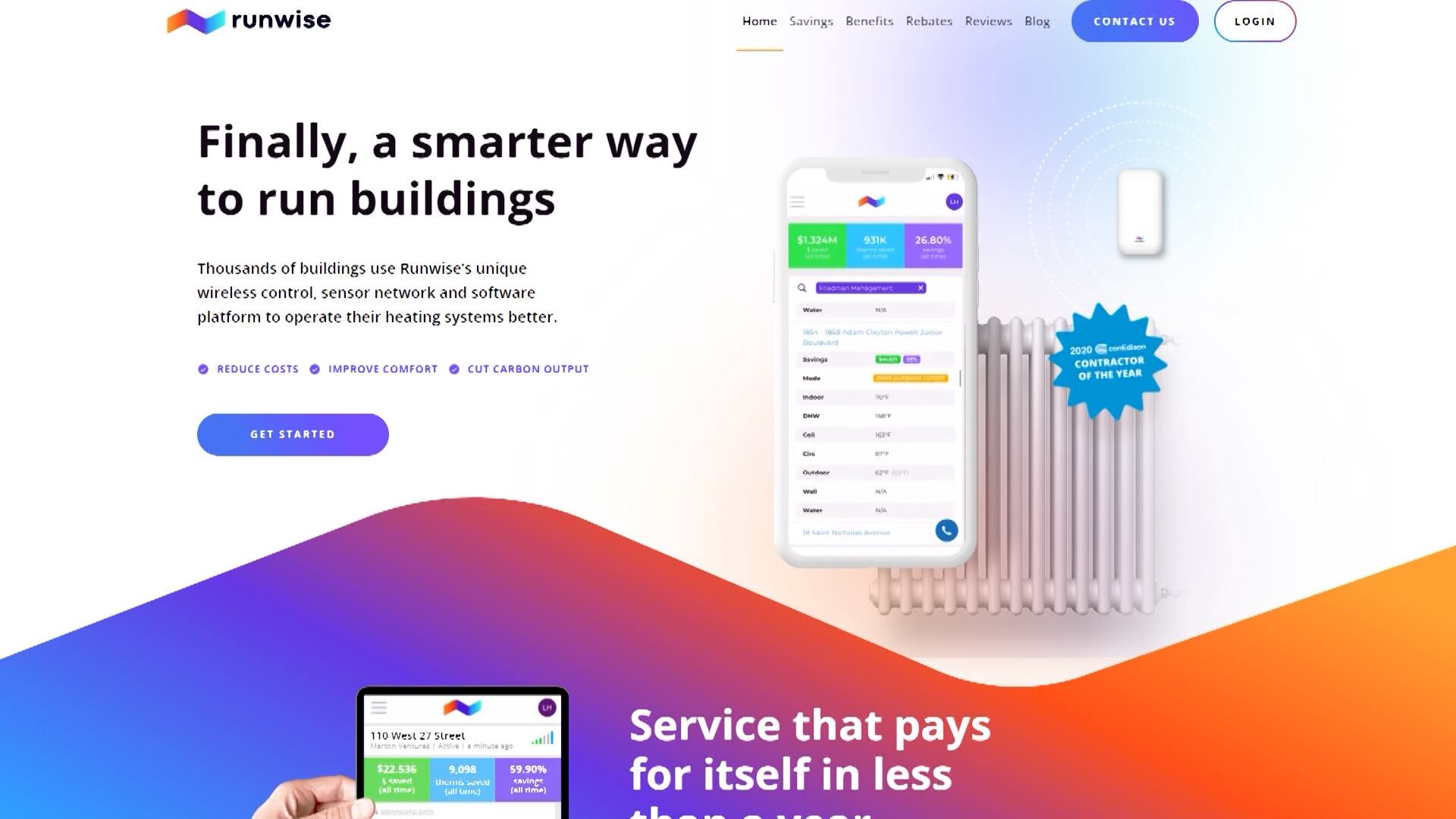
Commercial and residential buildings account for 13% of carbon emissions in the U.S., according to the EPA, and one company says it has a solution. Runwise says it has updated the boiler and heating systems of thousands of buildings, and that its technology not only lowers carbon output but also saves landlords money. Lee Hoffman, Co-Founder and COO of Runwise, joined Cheddar Climate to discuss.
Jo Ruxton, Founder of Ocean Generation, joins Cheddar Climate, where she explains the threat that plastic pollution poses to marine life, but elaborates on why we shouldn't be looking to ban plastic entirely. Ruxton also discusses her biggest takeaways while producing the film ‘A Plastic Ocean.'
President Joe Biden's Build Back Better deal seems all but finished after months of Democratic infighting and the Senate's deadlock over certain provisions. But Biden mentioned during a press conference marking his first year in office that 'chunks' of the bill could be passed. Is that enough motivation to force Democrats to rally around certain parts of the bill - especially those that focus on climate and green energy? Andrew Freedman, Energy and Climate Reporter at Axios, joins Cheddar Climate to discuss whether Senate Democrats will be able to rally around climate provisions, if the idea of passing Build Back Better in 'chunks' is doable, and more.
Anyone who remembers the 70s and 80s will probably remember acid rain. Industrial emissions acidified precipitation around the globe, which killed forests and crops, rendered lakes inhospitable, corroded buildings, and exacerbated human health problems.
But anyone who follows environmental news will be surprised to learn this: we solved it! Countries came together to limit acid rain-causing emissions, eliminating the problem altogether.
…kind of. Acidic precipitation may not be a thing of the past after all.
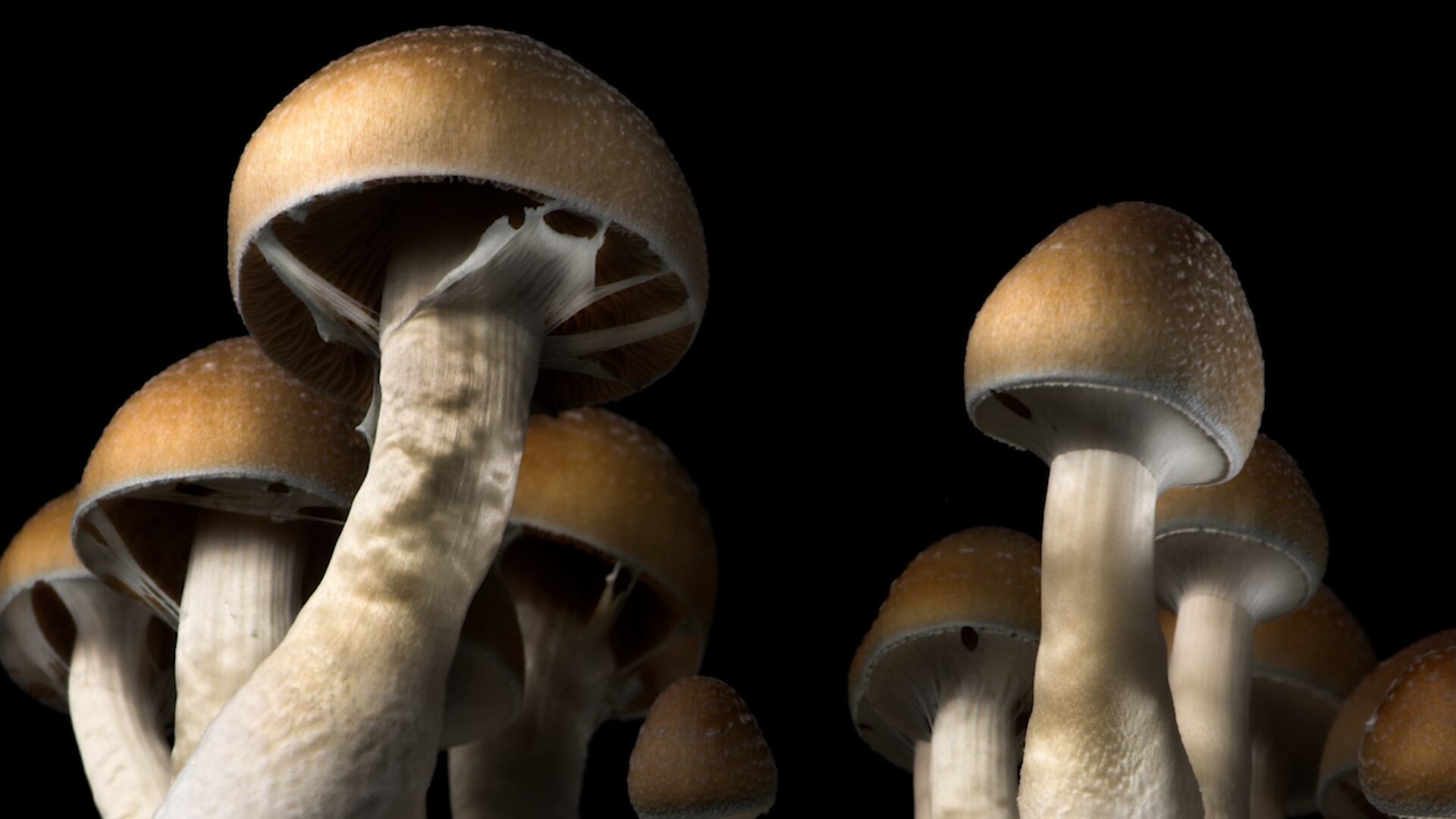
Natalie Ginsberg, Global Impact Officer, MAPS, joins Cheddar Reveals to discuss MAPS organization and its current initiatives and their work to get FDA approval for MDMA to treat PTSD.
Kelsey Ramsden, Co-Founder, President & CEO, Mind Cure Health, joins Cheddar Reveals to break down what 'psychedelic therapy' could look like once it's legalized and how Mind Cure Health is using AI to help treat everything from addiction to depression.
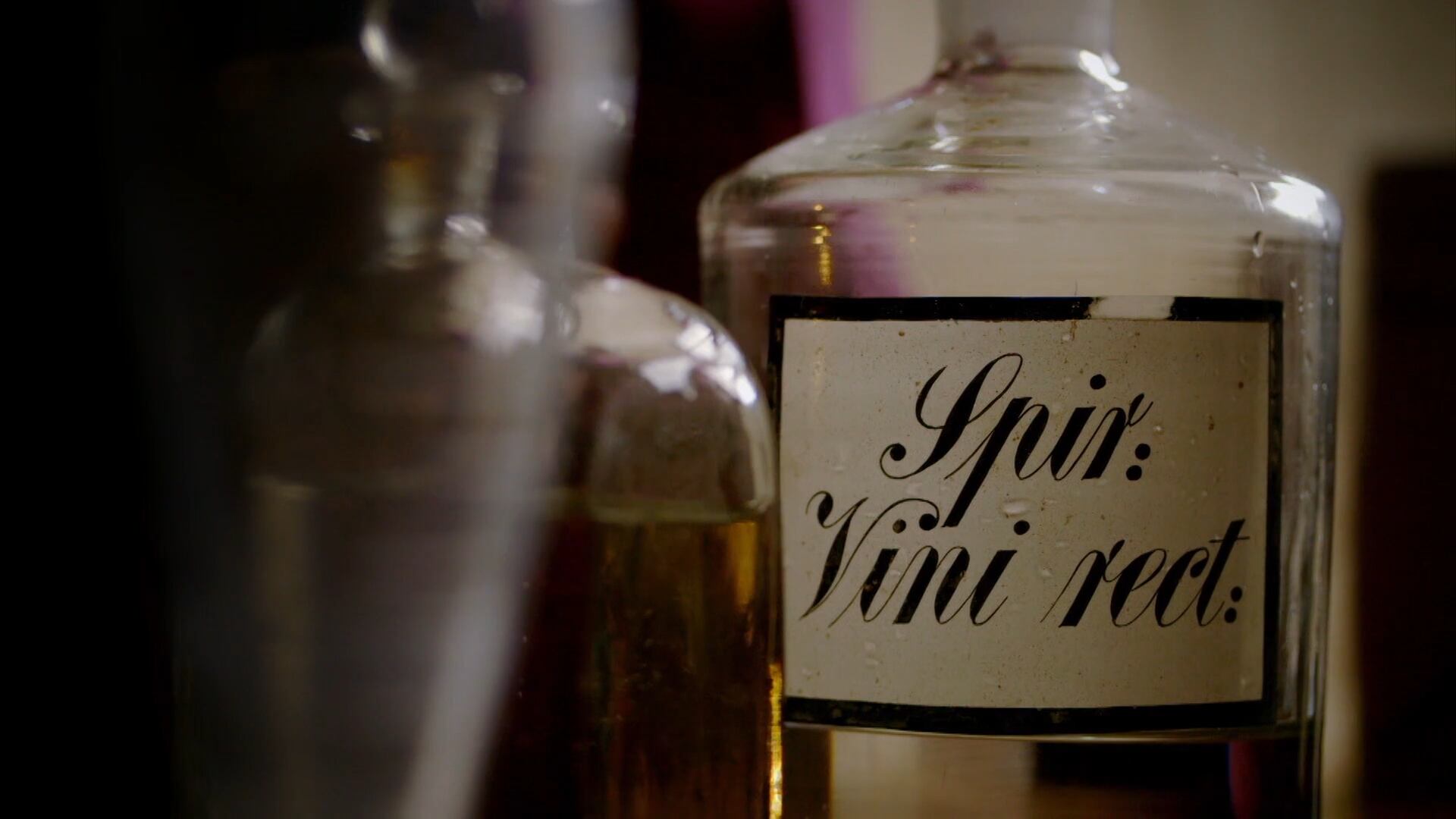
On this episode of Cheddar Reveals, Natalie Ginsberg, Global Impact Officer, MAPS, discusses the MAPS organization and its current initiatives and their work to get FDA approval for MDMA to treat PTSD; Kelsey Ramsden, Co-Founder, President & CEO, Mind Cure Health, breaks down what 'psychedelic therapy' could look like once it's legalized and how Mind Cure Health is using AI to help treat everything from addiction to depression; Cheddar gets a look at Curiosity Stream's 'Pain, Pus and Poison.'