Scooter Start-up GOAT Takes a Franchise Approach to Expansion
*By Jacqueline Corba*
Electric scooter start-up GOAT is taking a different approach to expanding outside its home market of Austin, Tex.ーrather than setting up shop in new cities, it's trying to sell its own fleets to wannabe transportation moguls around the country.
Co-founder and CEO Michael Schramm says the strategy was borne out of demand to get into the booming industry.
"There's only, in addition to GOAT, four other companies operating with active scooters on the ground in the United States," Schramm told Cheddar on Wednesday. "There are hundreds who want to compete in the space."
"For us, it was about, 'Let's reduce these barriers.' The alternative is that they're going to invest millions, try to build out the technology. "
In a few weeks, ambitious 'investors' can buy their fleets through a Kickstarter campaign. Vehicles start at $595 and go as high as $1,199, depending on factors of supply and demand.
"You don't need 500 to turn a profit, you can turn a profit on one," said Schramm. "It's a tremendous business opportunity for regular local businesses."
There's one other benefit to GOATーthe company won't have to deal with local legislation. Transit authorities have been cracking down on e-scooter companies over the last few months. San Francisco officials, for example, pulled Lime, Bird, and Spin scooters off city streets in [June](https://cheddar.com/videos/inside-the-electric-scooter-craze), pending a review of new permit applications.
GOAT will provide the scooters, technology, and insurance for vehicles. But fleet investors will be responsible for negotiating with local transit authorities.
GOAT, which has been operating in Austin since May, has a deal with [city officials](https://www.austinmonitor.com/stories/2018/07/e-bikes-e-scooters-not-welcome-in-austin-parks/) to operate in the Texas capital. The start-up is self-funded, unlike bigger players Lime and Bird, which have each raised more than $400 million in venture capital funding.
For more on this story, [click here](https://cheddar.com/videos/start-up-goat-taking-on-scooter-wars-by-empowering-local-entrepreneurs).
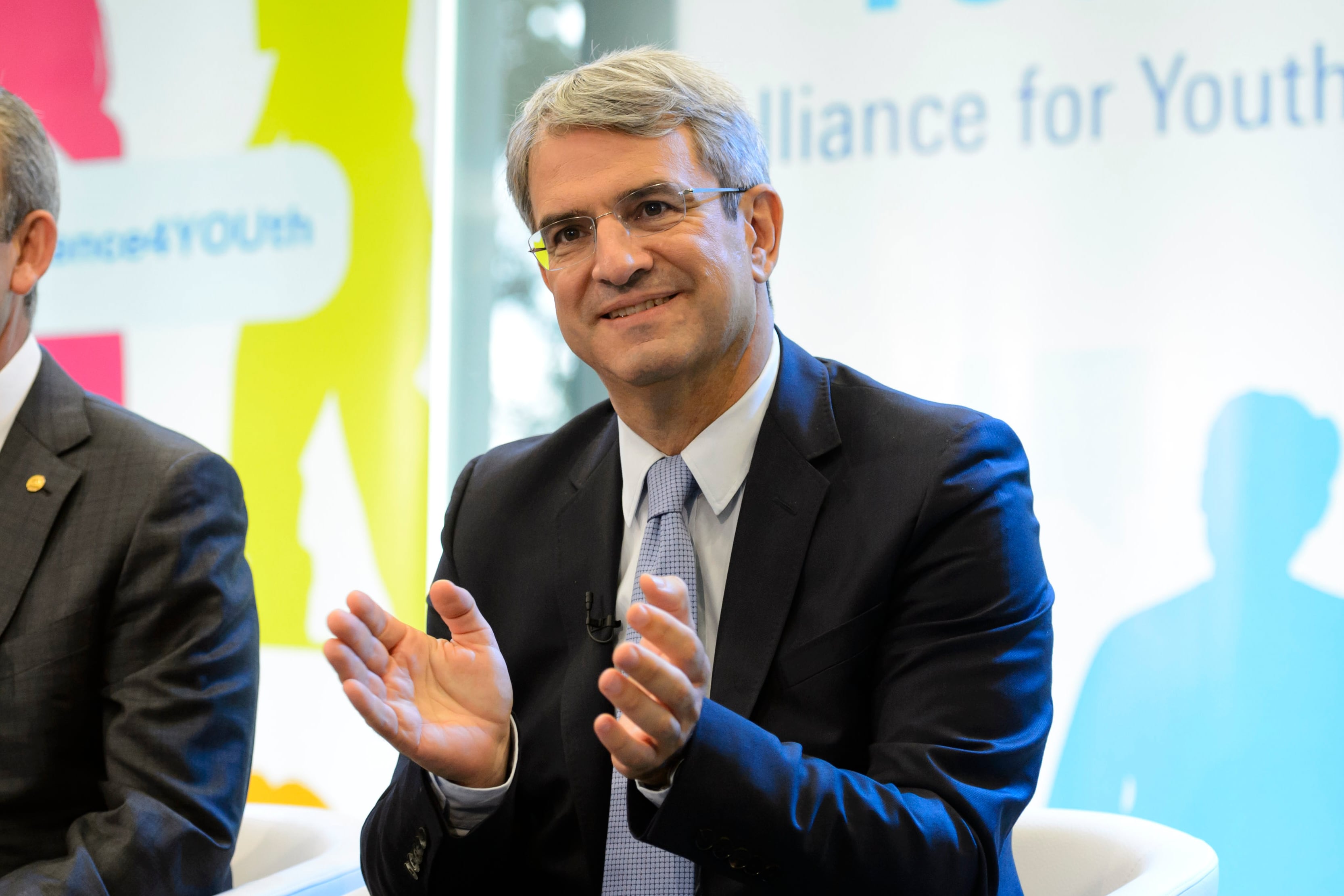
Nestlé has dismissed its CEO Laurent Freixe after an investigation into an undisclosed relationship with a direct subordinate. The company announced on Monday that the dismissal was effective immediately. An investigation found that Freixe violated Nestlé’s code of conduct. He had been CEO for a year. Philipp Navratil, a longtime Nestlé executive, will replace him. Chairman Paul Bulcke stated that the decision was necessary to uphold the company’s values and governance. Navratil began his career with Nestlé in 2001 and has held various roles, including CEO of Nestlé's Nespresso division since 2024.
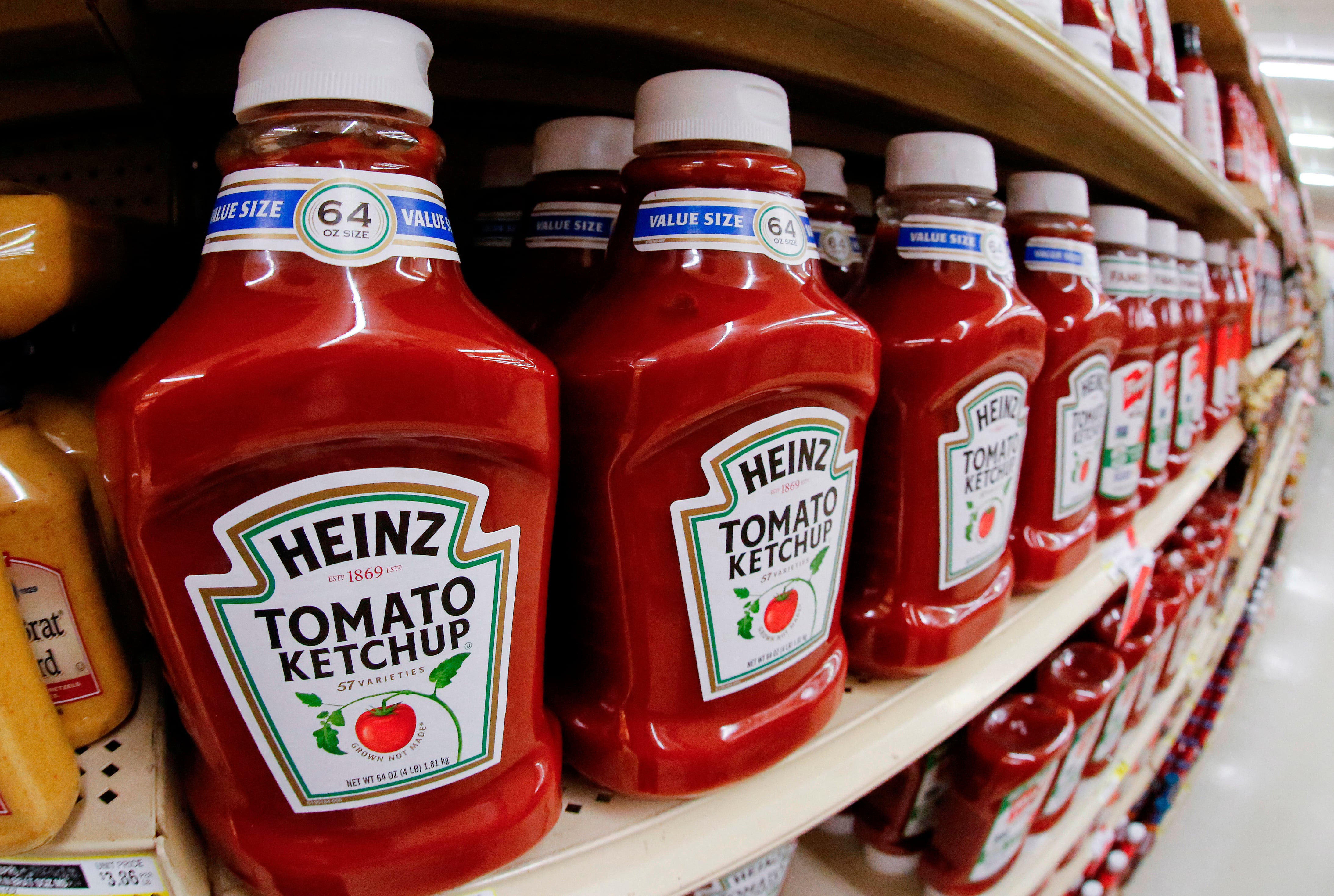
Kraft Heinz is splitting into two companies a decade after they joined in a massive merger that created one of the biggest food companies on the planet. One of the companies will include brands such as Heinz, Philadelphia cream cheese and Kraft Mac & Cheese. The other will include brands like Oscar Mayer, Kraft Singles and Lunchables. When the company formed in 2015 it wanted to capitalize on its massive scale, but shifting tastes complicated those plans, with households seeking to introduce healthier options at the table. Kraft Heinz's net revenue has fallen every year since 2020.
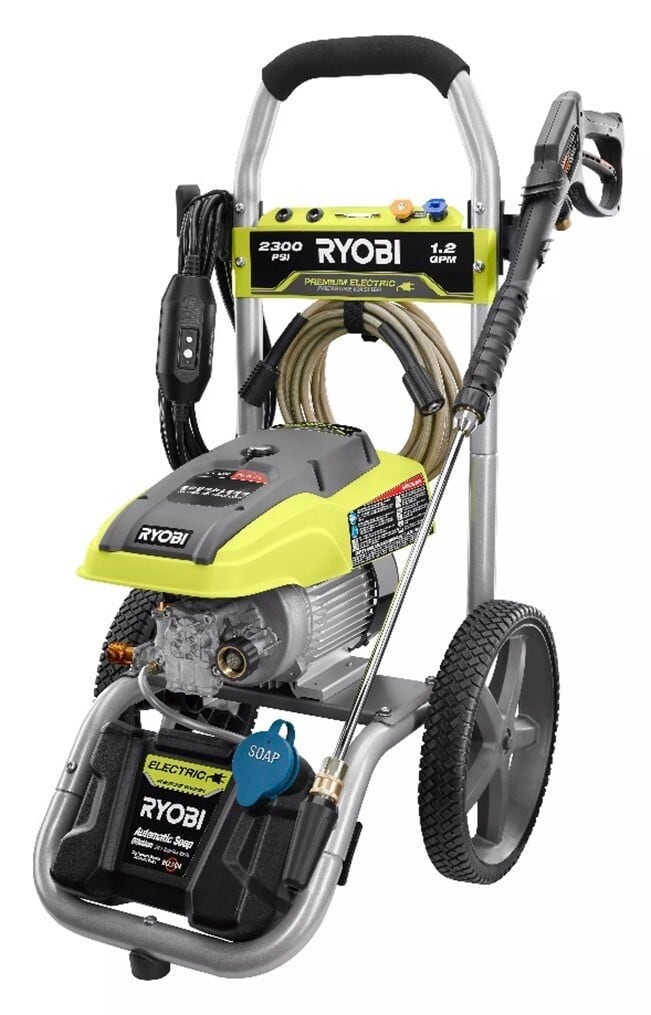
About 780,000 pressure washers sold at retailers like Home Depot are being recalled across the U.S. and Canada, due to a projectile hazard that has resulted in fractures and other injuries among some consumers.
President Donald Trump has fired one of two Democratic members of the U.S. Surface Transportation Board to break a 2-2 tie ahead of the board considering the largest railroad merger ever proposed.