When members of the marine mammal team from the International Fund for Animal Welfare rush to a Cape Cod beach to help a stranded dolphin or porpoise, they have no choice but to treat the endangered animal on site and then immediately release it.
That is about to change.
The organization, which protects animals worldwide, is opening a first-of-its-kind short-term dolphin hospital on Cape Cod this month that it hopes will not only improve survivability rates, but also enhance the research it has developed over 25 years.
Stranded marine mammals are stressed, in shock and dehydrated, said Brian Sharp, director of the rescue team. Simply caring for them at the scene is often not enough. They need additional diagnostics, treatment and recovery time.
“With this ICU for dolphins, we’ll be able to get them treatment that's needed, then be able to release them quickly,” he said.
While there are marine mammal rehabilitation centers that can take care of animals for months or even years, the goal of this facility is to release them back into the ocean within four days, he said.
“This is the first time that this has been attempted before," Sharp said.
There are more live marine mammal strandings on Cape Cod than anywhere else in the world, Sharp said. The welfare fund has responded to more than 400 live stranded dolphins, whales and porpoises in the region in the past five years alone, the organization said in a news release.
Cape Cod is a good habitat for dolphins, but a risky one. Its geography — it is basically a hook-shaped spit of sand jutting into the ocean — can make dolphin navigation difficult, and 12-foot tides can quickly expose a mile of beach.
The 4,200-square-foot (390-square-meter) Dolphin Rescue Center is in a renovated retail space in downtown Orleans.
It includes an 1,800-square-foot (167-square-meter) rehabilitation area with two treatment pools 15 feet (4.3 meters) across and a veterinary laboratory. The public will not be permitted to have direct contact with the animals being a cared for, but there is also an education center where visitors will be able to watch the recovering animals on a monitor.
Staffed by four full-time workers, it is equipped to provide round-the-clock care. It will start by treating one animal at a time, but the goal is to eventually treat multiple animals simultaneously.
The privately funded center has been federally inspected and expects to open by the end of the month, Sharp said.
“We want to take what we learn here and share it nationally, internationally,” he said.
After a nationwide mask mandate for travel was struck down by a federal judge, Dr. Sampson Davis, an ER physician and bestselling author, joined Cheddar News to talk about the ramifications. "We are at a place where we are going to have to wait and see, unfortunately," he said. "The good news is that we're coming off a celebration of spring break, Easter, Passover, and we'll see what happens. But right now I'm not seeing a spike and people come into the hospital are truly sick. However, I'm still seeing people test positive for COVID."
Apple has revealed that the tech giant is working more on going green, reporting the use of more recycled materials than ever before. It's setting sustainability goals, aiming to cut emissions by 75 percent in the next 10 years and eventually ending the use of plastic in packaging.
Will Marshall, CEO, Planet, joins Cheddar Reveals to discuss Planet's influence and innovation from agriculture to sustainability using geospatial insights from their constellation of over 200 satellites.
Thomas Zurbuchen, Associate Administrator, NASA Science, joins Cheddar Reveals to break down the future of space exploration and how NASA is innovating this year and into the next decade.
Catching you up on what you need to know on April 19, 2022, with a federal judge voiding mask mandates on public transportation, updates from the Russia and Ukraine war, Mac Miller’s drug dealer sentenced for involvement in the rapper's death, and more.
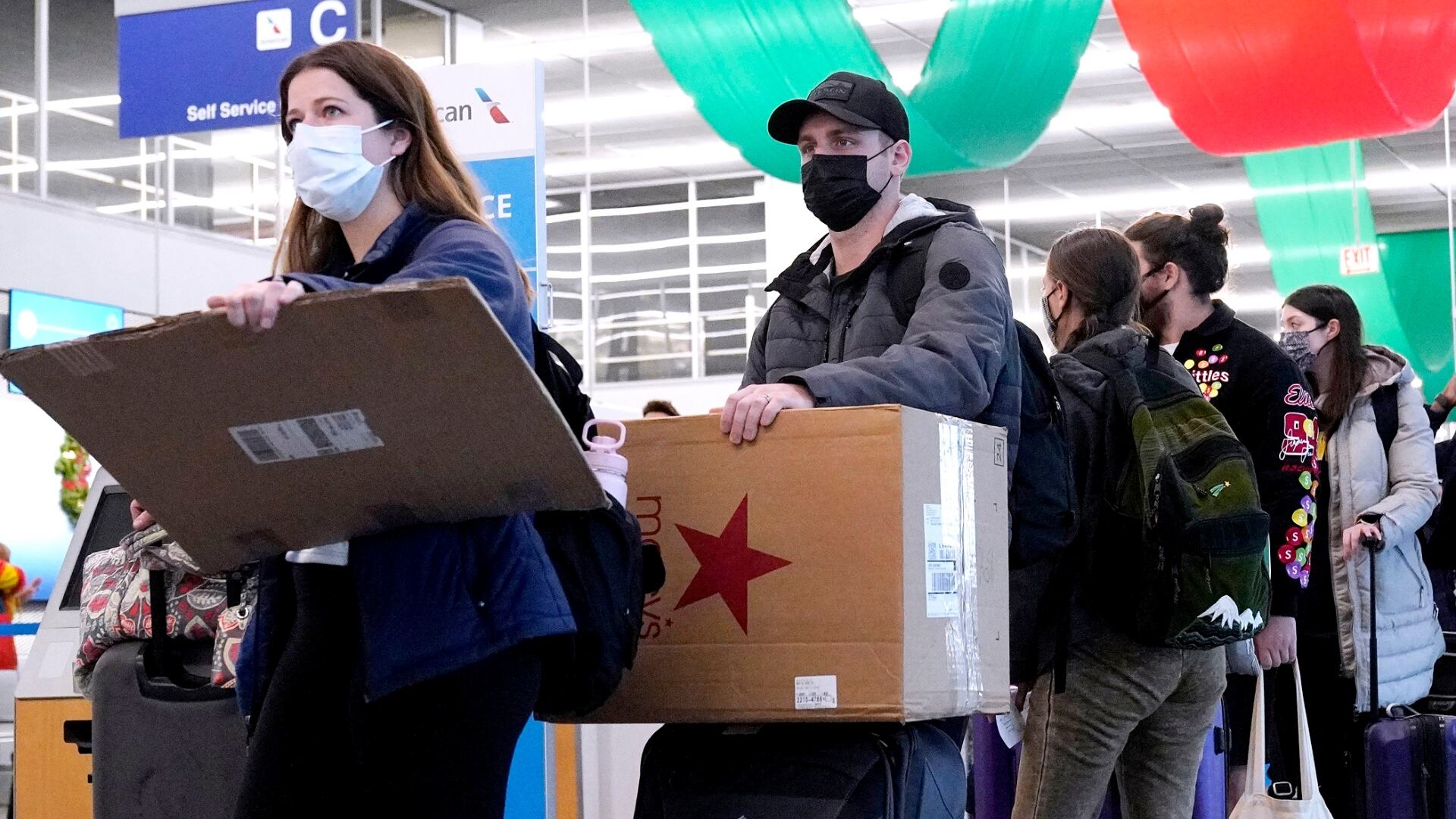
A federal judge’s decision to strike down a national mask mandate was met with cheers on some airplanes but also concern about whether it’s really time to end the order sparked by the COVID-19 pandemic.
A new Axios-Ipsos poll found that just one in ten people would currently characterize the coronavirus as a serious crisis. The vast majority do believe it's a problem, but a manageable one. It's clear that the public is itching to ditch their masks and various other restrictions. Chris Jackson, senior vice president of Ipsos public affairs, joins Cheddar News.
Between Bells executive producer Conor White recaps some of the biggest stories of the week, and teaches Azia Celestino and Hena Doba a thing or two at the same time. It's This Week In Trivia!
The Food and Drug Administration has issued an emergency use authorization for what it says is the first device that can detect COVID-19 in breath samples.
Every year in Cuba, millions of crabs emerge from the forest at the beginning of the spring rains and head for the waters of the Bay of Pigs, crossing streets and highways on a perilous journey to mate and reproduce there.