When members of the marine mammal team from the International Fund for Animal Welfare rush to a Cape Cod beach to help a stranded dolphin or porpoise, they have no choice but to treat the endangered animal on site and then immediately release it.
That is about to change.
The organization, which protects animals worldwide, is opening a first-of-its-kind short-term dolphin hospital on Cape Cod this month that it hopes will not only improve survivability rates, but also enhance the research it has developed over 25 years.
Stranded marine mammals are stressed, in shock and dehydrated, said Brian Sharp, director of the rescue team. Simply caring for them at the scene is often not enough. They need additional diagnostics, treatment and recovery time.
“With this ICU for dolphins, we’ll be able to get them treatment that's needed, then be able to release them quickly,” he said.
While there are marine mammal rehabilitation centers that can take care of animals for months or even years, the goal of this facility is to release them back into the ocean within four days, he said.
“This is the first time that this has been attempted before," Sharp said.
There are more live marine mammal strandings on Cape Cod than anywhere else in the world, Sharp said. The welfare fund has responded to more than 400 live stranded dolphins, whales and porpoises in the region in the past five years alone, the organization said in a news release.
Cape Cod is a good habitat for dolphins, but a risky one. Its geography — it is basically a hook-shaped spit of sand jutting into the ocean — can make dolphin navigation difficult, and 12-foot tides can quickly expose a mile of beach.
The 4,200-square-foot (390-square-meter) Dolphin Rescue Center is in a renovated retail space in downtown Orleans.
It includes an 1,800-square-foot (167-square-meter) rehabilitation area with two treatment pools 15 feet (4.3 meters) across and a veterinary laboratory. The public will not be permitted to have direct contact with the animals being a cared for, but there is also an education center where visitors will be able to watch the recovering animals on a monitor.
Staffed by four full-time workers, it is equipped to provide round-the-clock care. It will start by treating one animal at a time, but the goal is to eventually treat multiple animals simultaneously.
The privately funded center has been federally inspected and expects to open by the end of the month, Sharp said.
“We want to take what we learn here and share it nationally, internationally,” he said.
The United Nations COP26 climate talks are scheduled for October 31 to November 12 in Glasgow, Scotland. Heads of state will be joined by private sector leaders to once again discuss the shrinking window of time left to take action against global temperature rise. Barbara Humpton, CEO of focused technology company Siemens U.S., is also attending and spoke to Cheddar about what she hopes to see during the conference for both the public and private spheres. "What we are really urging is that there are large commitments made in Glasgow and that we really commit to this next decade of action," she said.
Voyager, Nanoracks, and Lockheed Martin are all teaming up to develop the first-ever free-flying commercial space station with room for a crew of four astronauts. The private companies are joining forces as part of NASA’s greater mission to retire the International Space Station by the year 2030. The low-earth orbit space station will be called "Starlab," and is planned to achieve operational capability by 2027. Lisa Callahan, Vice President and General Manager of Commercial Civil Space at Lockheed Martin, and Matthew J. Kuta, President and Chief Operating Officer of Voyager Space, joined Cheddar’s Opening Bell.
Jill and Carlo cover the latest developments in the Alec Baldwin prop gun shooting, when vaccines for kids as young as 5 should be approved, new reporting on Facebook and more.
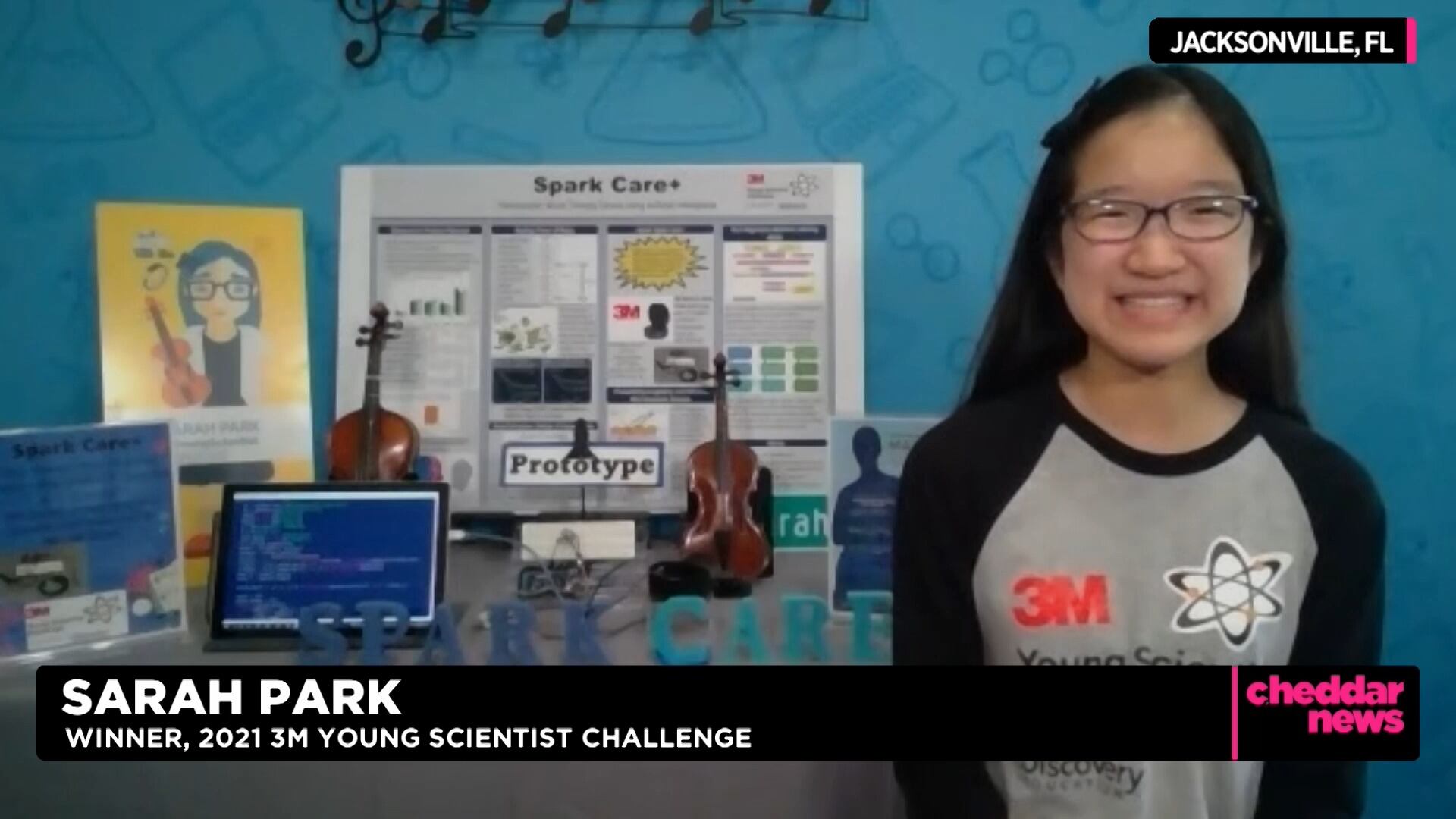
Middle school students from across the country battled it out for a chance at being crowned 'America's Top Scientist.' Each applicant had to submit a video to compete in the '3M Young Scientist Challenge' and describe a unique solution to an everyday problem for the chance to win $25,000. 10 finalists were chosen and after a two-day virtual competition, one walked away with the title. 14-year-old Sarah Park won the award, she joins Cheddar News to talk about her invention Spark Care+.
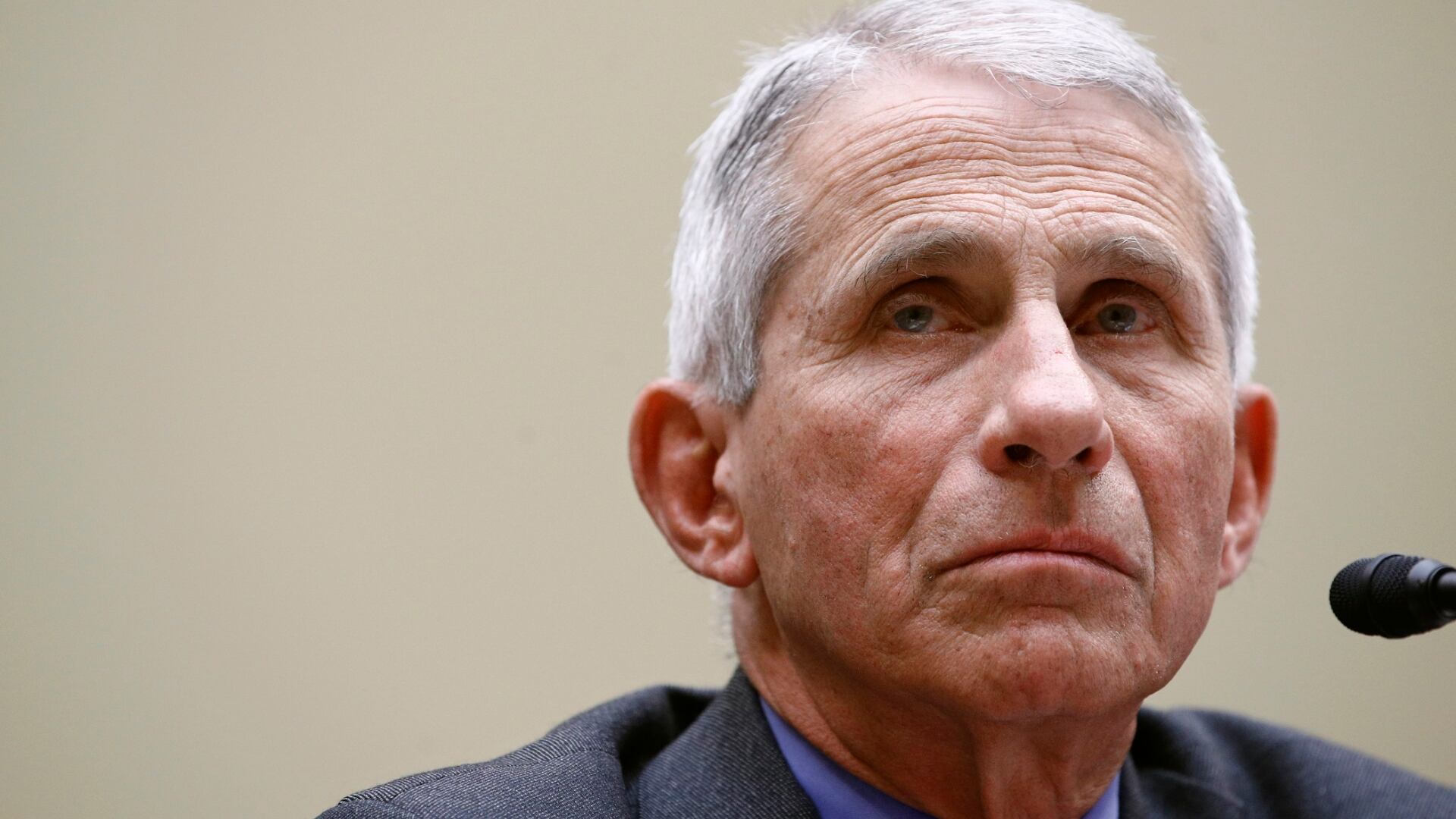
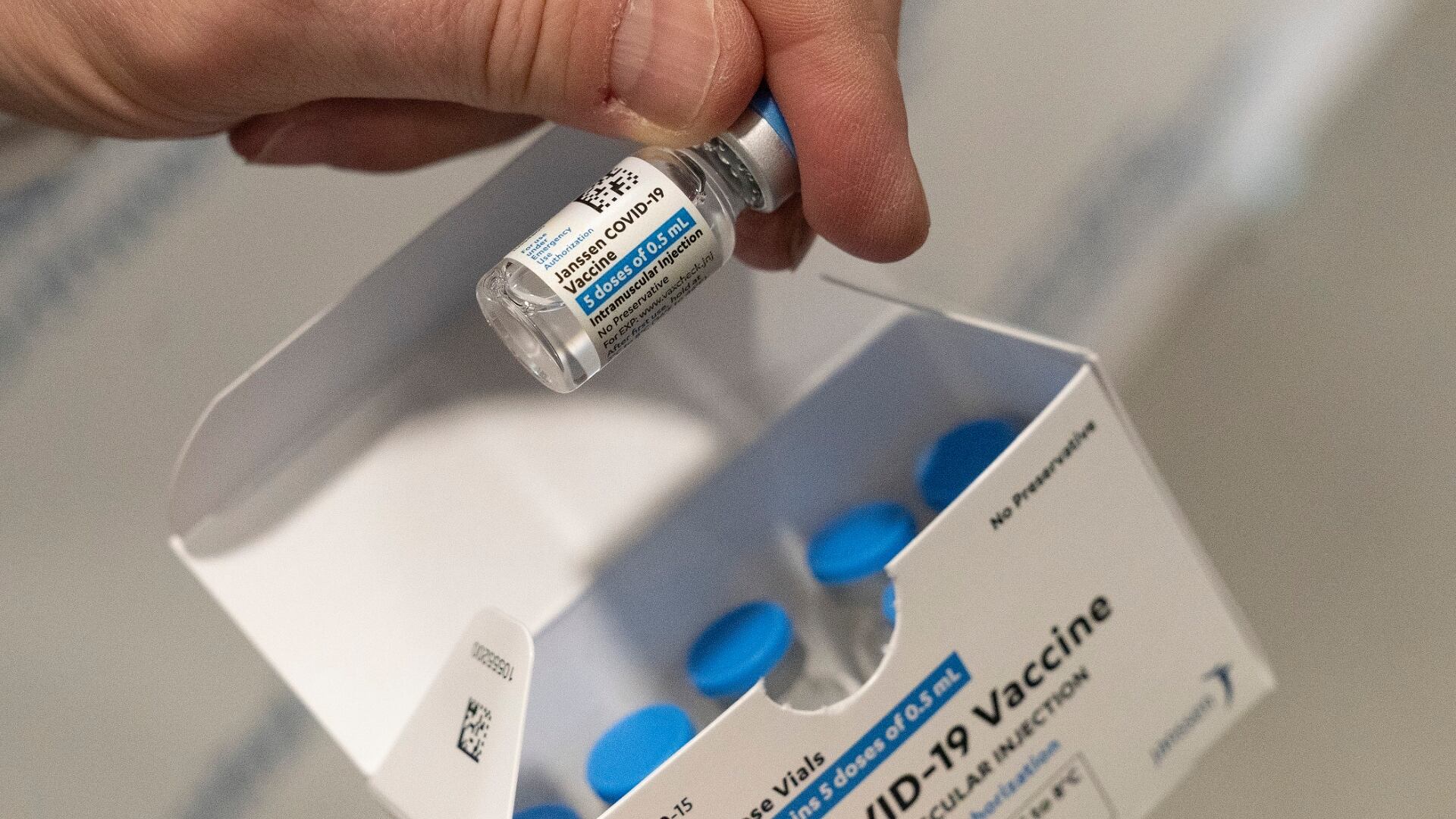
NIAID Director Dr. Anthony Fauci has stated that recipients of the single-dose Johnson & Johnson COVID-19 vaccine should have gotten two doses, to begin with. An FDA panel had recently recommended that J&J boosters be made available for everyone who received the single dose.
Richard Branson’s Virgin Galactic is delaying its launch date for commercial space flights to Q4 of 2022 following a rescheduled test flight. Shares for the aerospace company fell on the news.
The NIH released findings of a study that say recipients of the Johnson & Johnson COVID-19 vaccine may benefit from getting Pfizer or Moderna boosters as the antibody levels from those shots were seen as more robust than from a Johnson & Johnson booster.
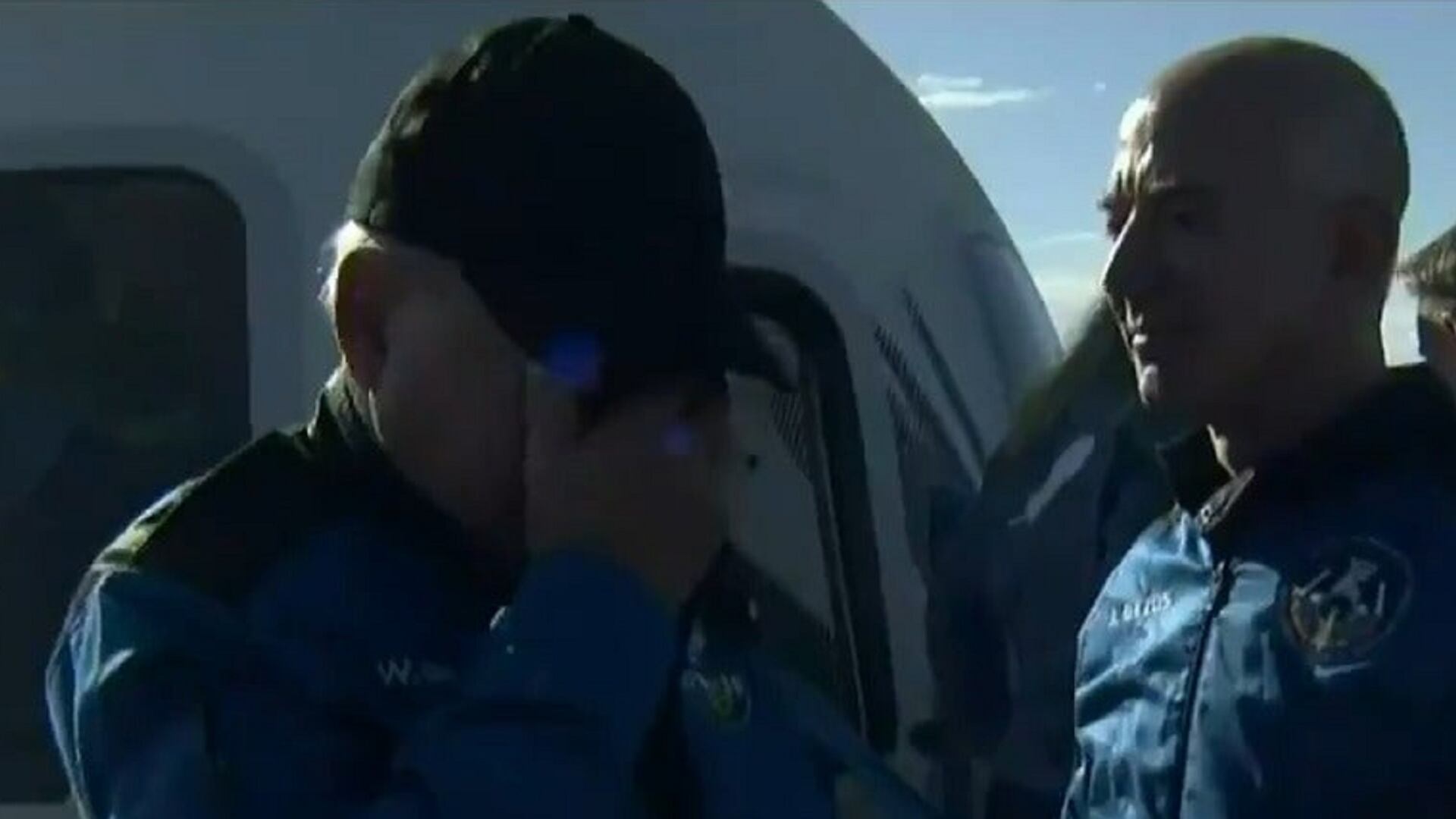
"Star Trek" actor William Shatner's voice broke with emotion as he recounted his trip into space on the Blue Origin New Shepard rocket to Jeff Bezos on October 13, 2021.