When members of the marine mammal team from the International Fund for Animal Welfare rush to a Cape Cod beach to help a stranded dolphin or porpoise, they have no choice but to treat the endangered animal on site and then immediately release it.
That is about to change.
The organization, which protects animals worldwide, is opening a first-of-its-kind short-term dolphin hospital on Cape Cod this month that it hopes will not only improve survivability rates, but also enhance the research it has developed over 25 years.
Stranded marine mammals are stressed, in shock and dehydrated, said Brian Sharp, director of the rescue team. Simply caring for them at the scene is often not enough. They need additional diagnostics, treatment and recovery time.
“With this ICU for dolphins, we’ll be able to get them treatment that's needed, then be able to release them quickly,” he said.
While there are marine mammal rehabilitation centers that can take care of animals for months or even years, the goal of this facility is to release them back into the ocean within four days, he said.
“This is the first time that this has been attempted before," Sharp said.
There are more live marine mammal strandings on Cape Cod than anywhere else in the world, Sharp said. The welfare fund has responded to more than 400 live stranded dolphins, whales and porpoises in the region in the past five years alone, the organization said in a news release.
Cape Cod is a good habitat for dolphins, but a risky one. Its geography — it is basically a hook-shaped spit of sand jutting into the ocean — can make dolphin navigation difficult, and 12-foot tides can quickly expose a mile of beach.
The 4,200-square-foot (390-square-meter) Dolphin Rescue Center is in a renovated retail space in downtown Orleans.
It includes an 1,800-square-foot (167-square-meter) rehabilitation area with two treatment pools 15 feet (4.3 meters) across and a veterinary laboratory. The public will not be permitted to have direct contact with the animals being a cared for, but there is also an education center where visitors will be able to watch the recovering animals on a monitor.
Staffed by four full-time workers, it is equipped to provide round-the-clock care. It will start by treating one animal at a time, but the goal is to eventually treat multiple animals simultaneously.
The privately funded center has been federally inspected and expects to open by the end of the month, Sharp said.
“We want to take what we learn here and share it nationally, internationally,” he said.
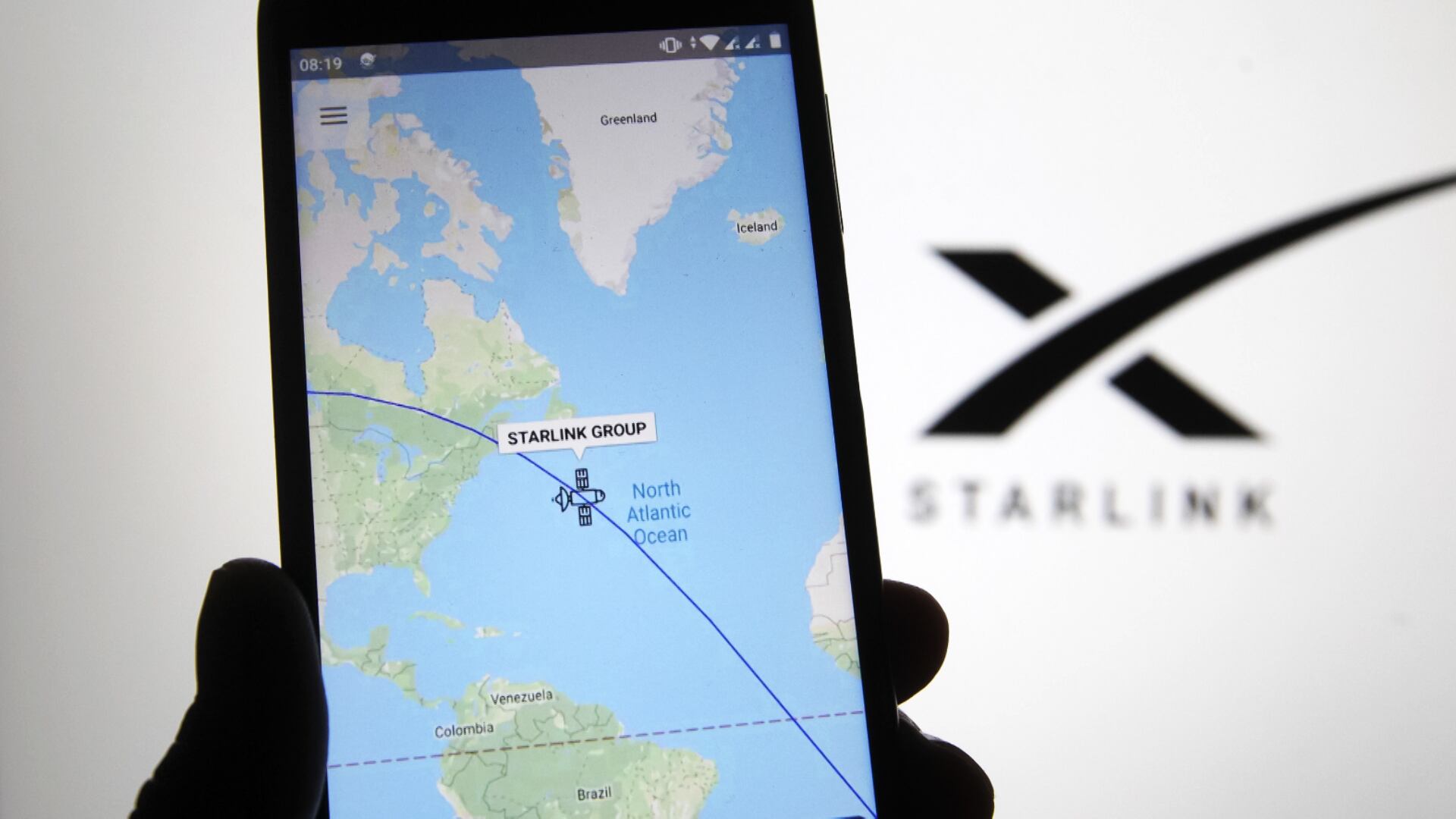
Amazon plans to launch its first prototype satellites for Project Kuiper, an internet-from-space venture, in 2022. It's the first major step in the e-commerce giant's plan to rival SpaceX by building a network of satellites in space, providing internet to rural, underserved communities around the world. Loren Grush, senior science reporter for the Verge, discusses the project and how it could transform internet access moving forward.
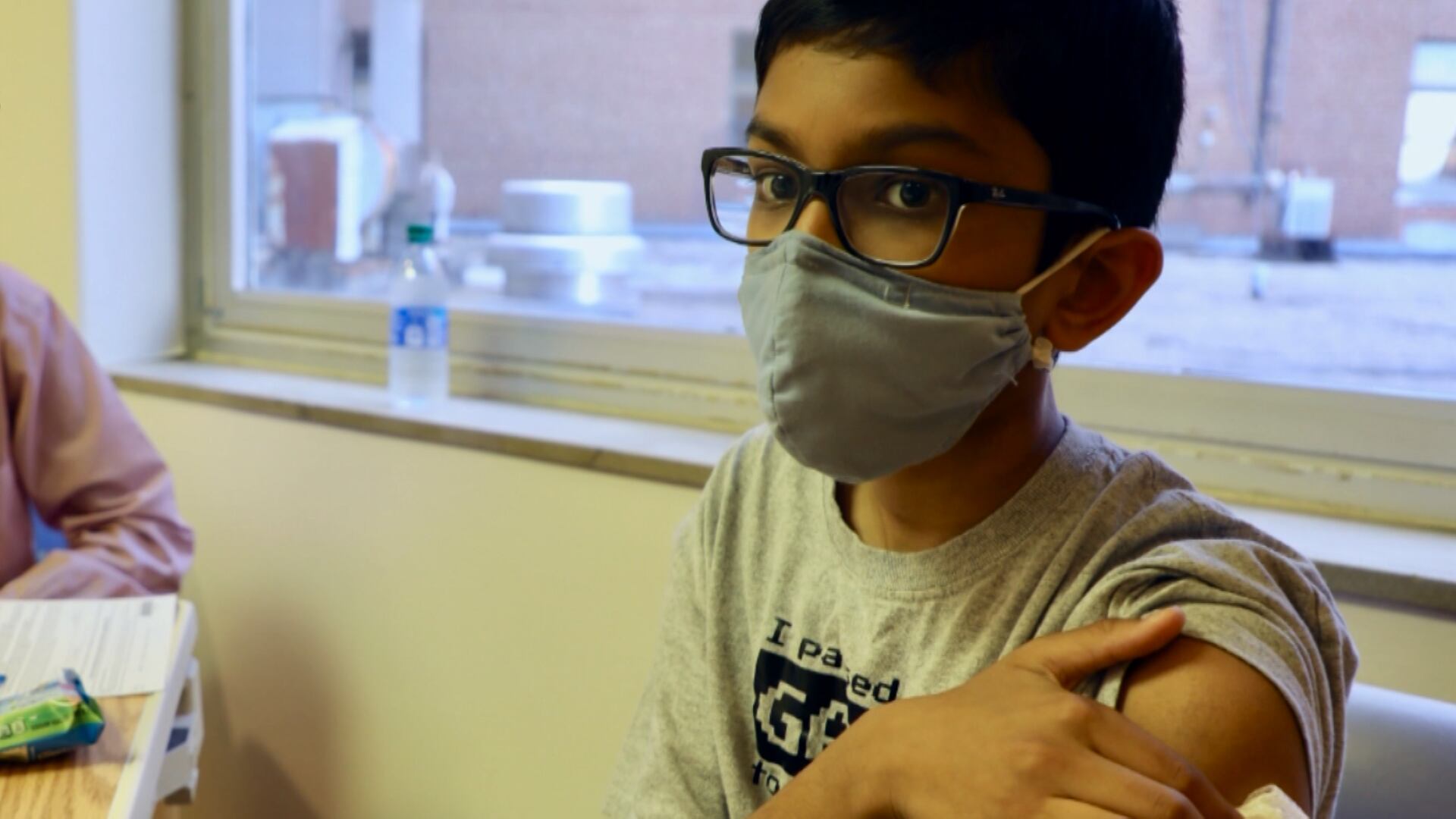
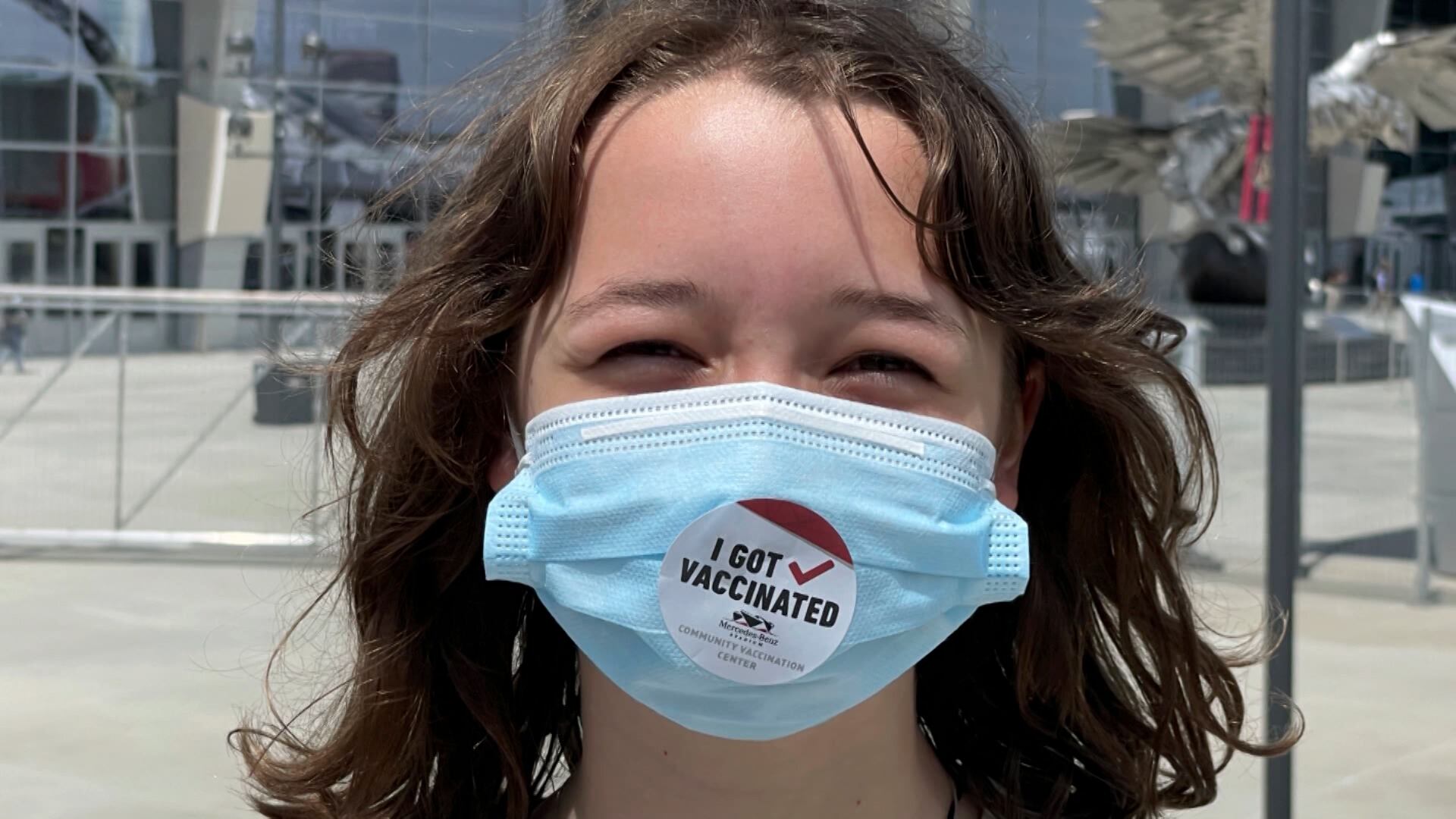
The FDA is assessing whether the Moderna vaccine can cause heart problems in adolescents. Professor Peter Pitts, founder of the Center for Medicine in the Public Interest and former FDA Associate Commissioner, discusses what the FDA is looking into and what it means for the millions of kids yet to be vaccinated.
Pfizer posted an earnings beat in its third quarter, with revenue soaring over 134% thanks to solid Covid-19 vaccine sales. Pfizer also raised its outlook for the full-year, expecting revenue to surpass $80 billion. Peter Andersen, CEO & founder of Andersen Capital Management, joined Cheddar Movers to discuss.
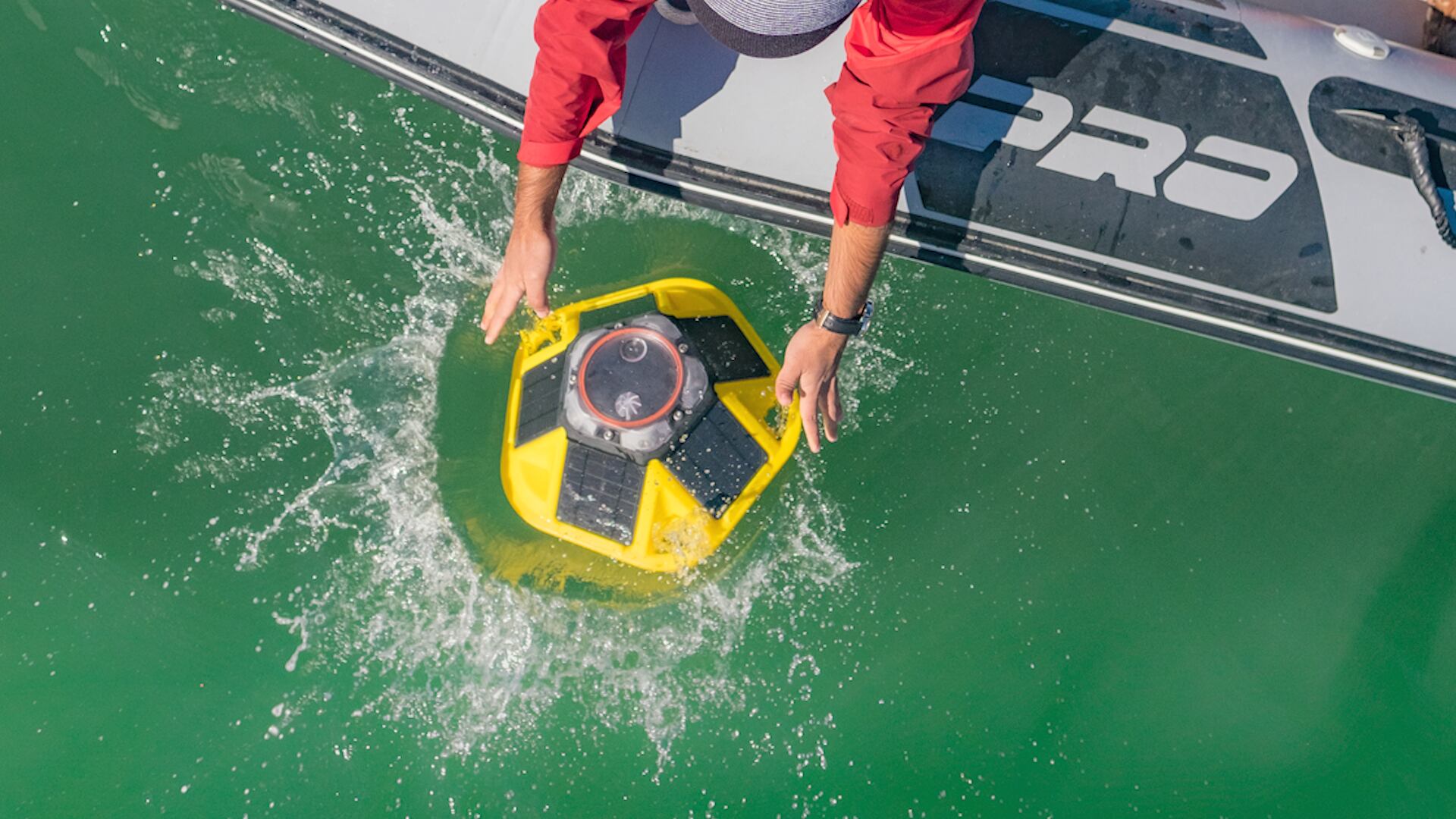
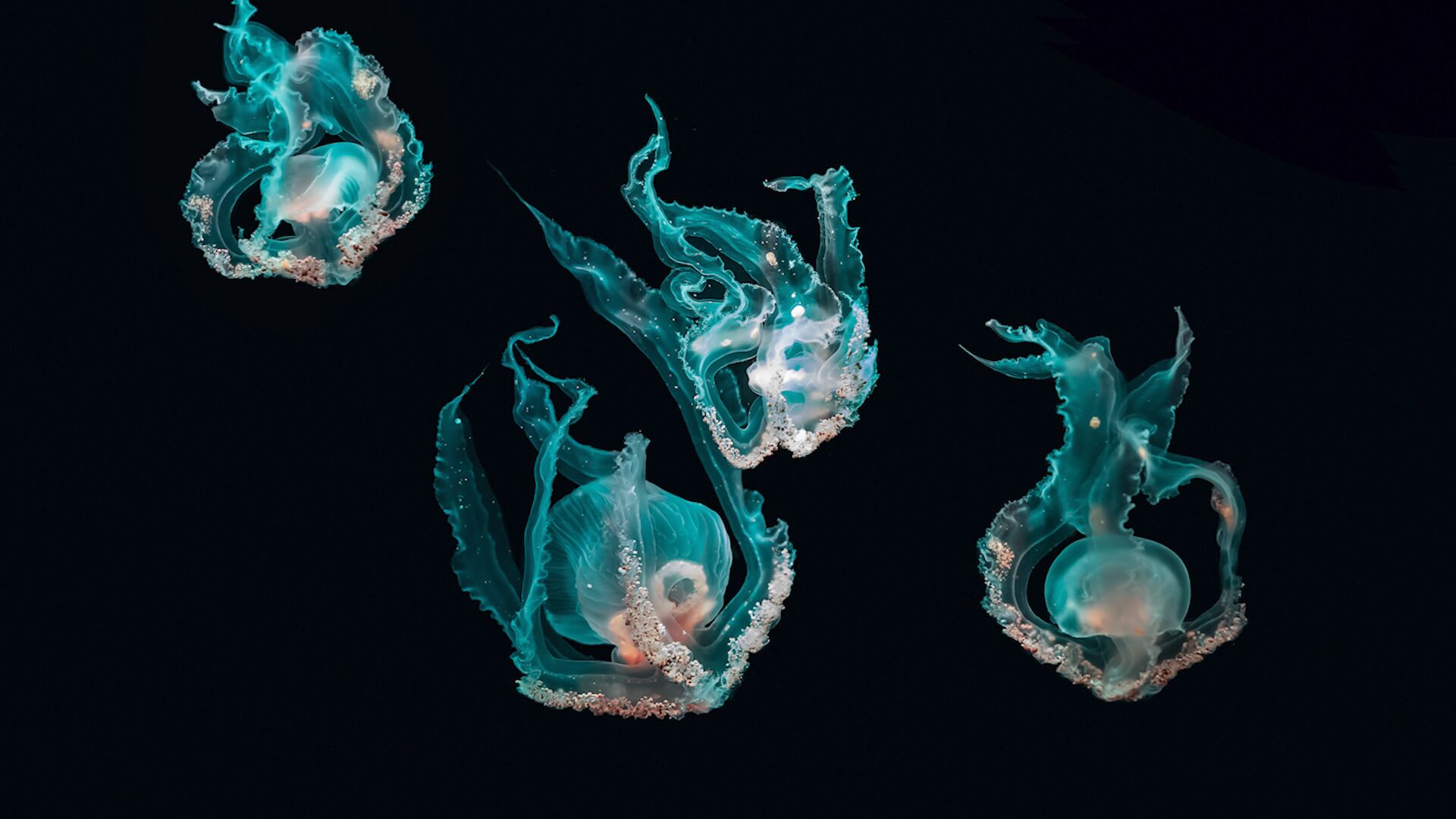
Cheddar gets a look at Curiosity Stream's 'Ancient Oceans'; Deep-sea biologist Heather Bracken-Grissom sheds light on some of the monsters that we can and cannot explain lurking in the darkness of the ocean's depths; Tim Janssen, CEO of Sofar Ocean, discusses Sofar Ocean's latest round of Series B funding, and how Sofar Ocean is helping connect all five oceans to help everything from climate change to the global shipping industry.
Tim Janssen, CEO of Sofar Ocean, joins 'Cheddar Reveals' to discuss Sofar Ocean's latest round of Series B funding, and how Sofar Ocean is helping connect all five oceans to help everything from climate change to the global shipping industry.
Deep-sea biologist Heather Bracken-Grissom joins 'Cheddar Reveals' to shed light on some of the monsters that we can and cannot explain lurking in the darkness of the ocean's depths.
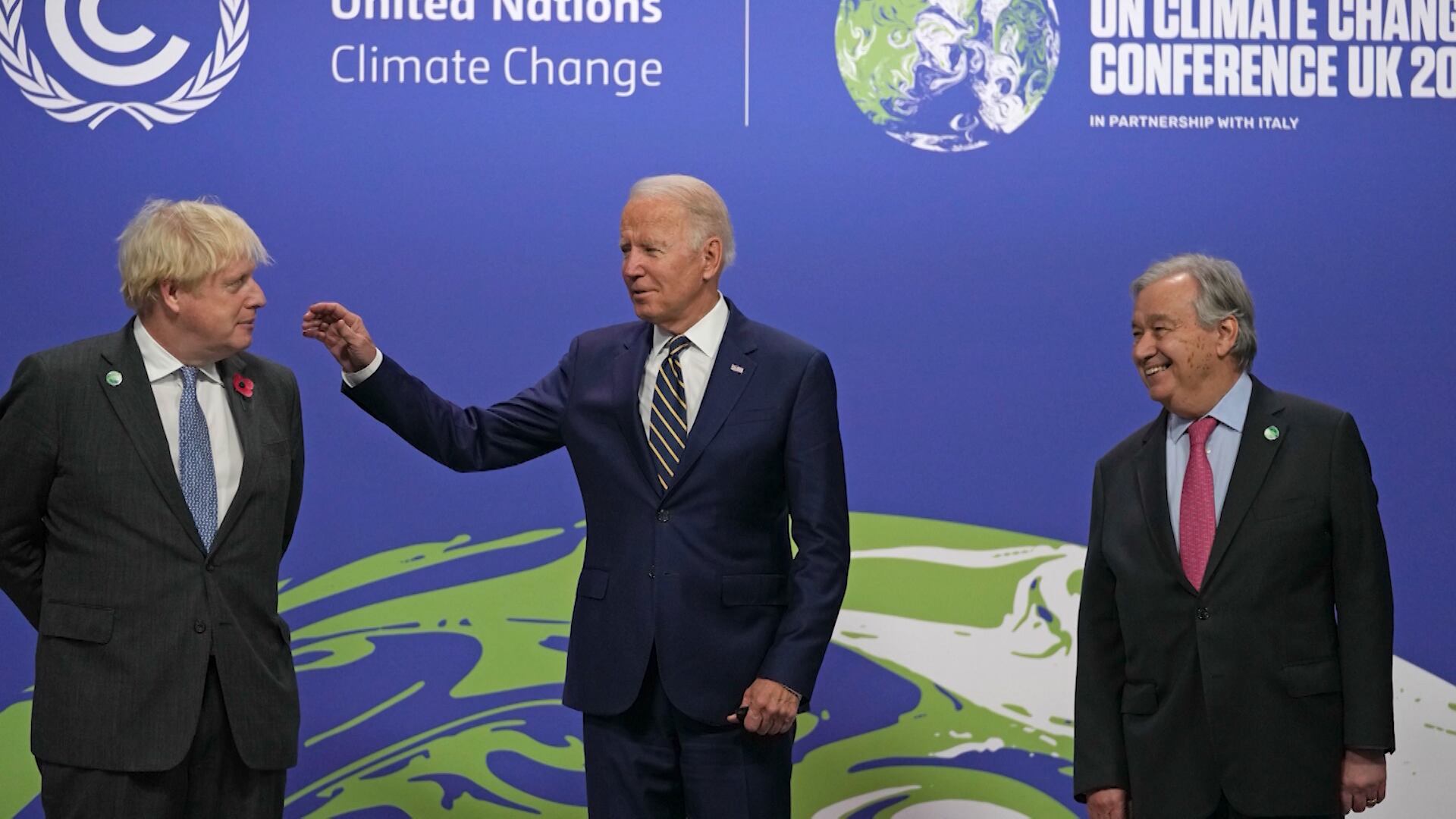
Leaders around the world have come together to discuss plans to bring action towards the Paris Agreement along with solutions on how to solve the evolving climate change crisis at the COP26 Summit. President and CEO of Center for International Environmental Law Carroll Muffett, joined Cheddar to discuss more.
Rachel Cleetus, the policy director and lead economist of the climate and energy program for the Union of Concerned Scientists, joined Cheddar to break down some of the key goals from the COP26 summit and why leaders must focus on the science of climate change instead of getting bogged down by petty politics and the fossil fuel industry. "The main thing they have to do, make sure we're cutting our emissions sharply within this decade because the science shows that we have to cut global emissions in half by 2030 if we're going to meet our goals of averting some of the most catastrophic impacts of climate change," she said.
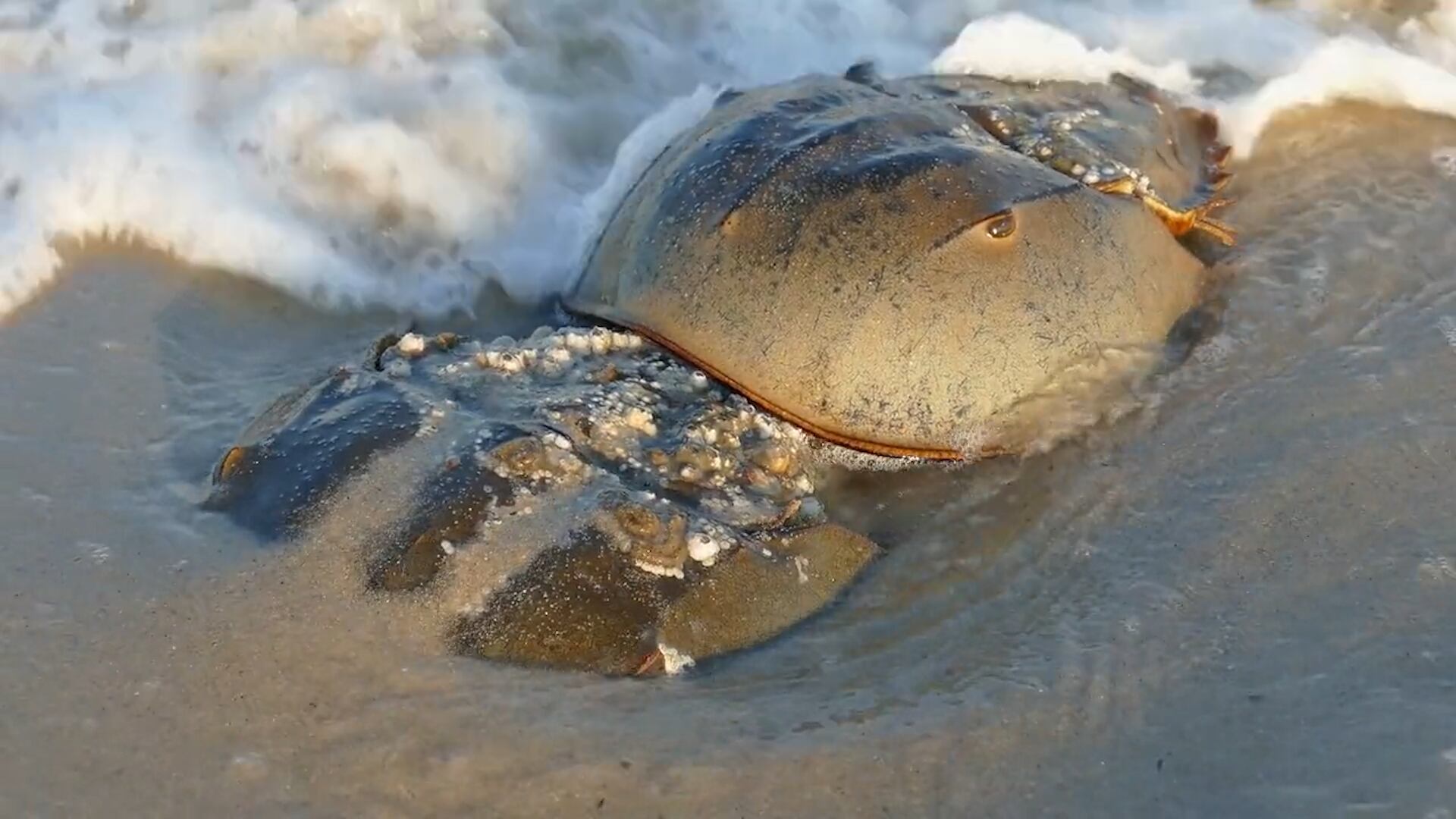
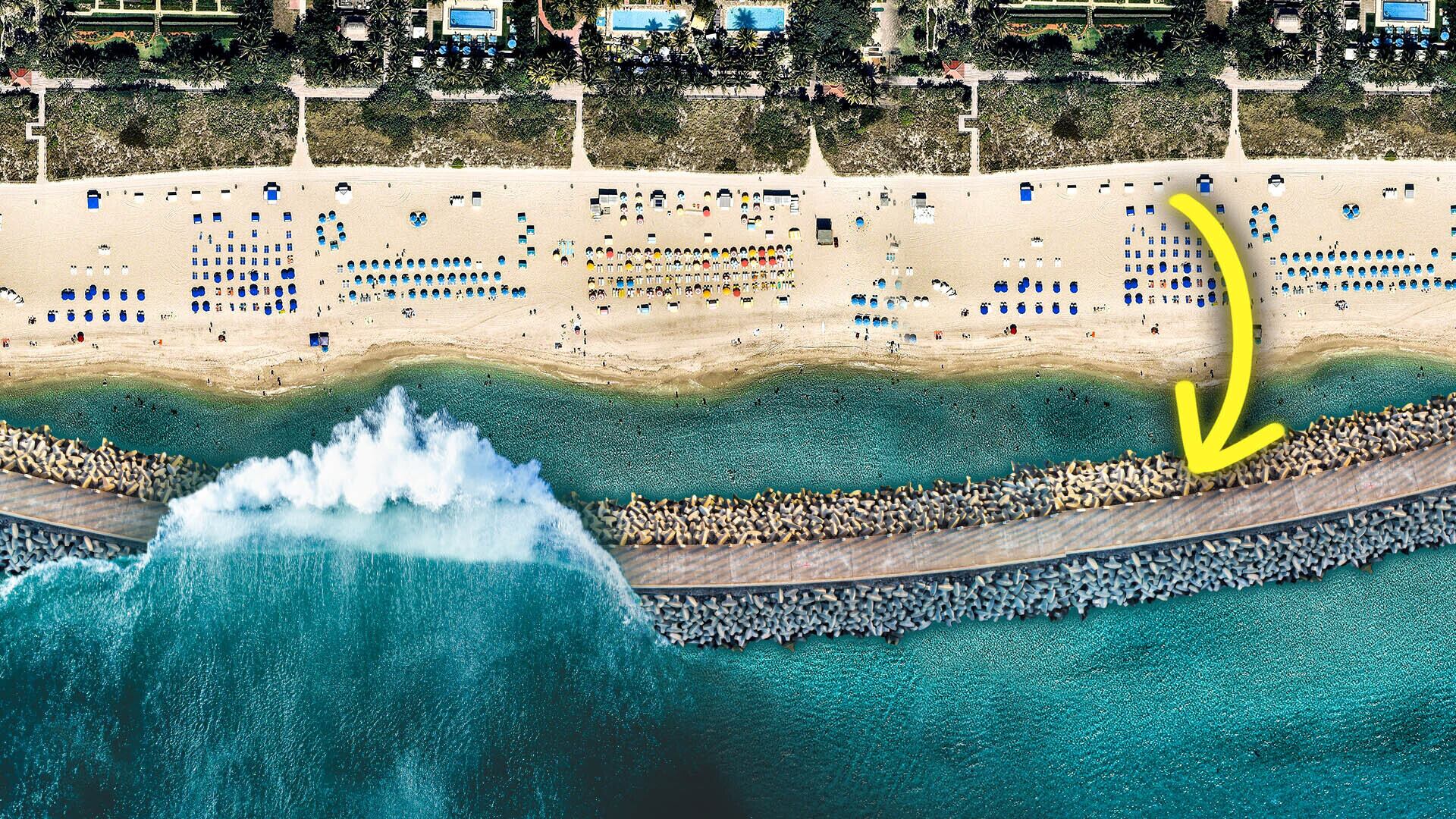
Coastal cities around the world are grappling with sea level rise. And building a seawall? Not so fast. While a sea wall can be effective in certain scenarios, it can make the effects of sea level rise worse. That’s why municipalities are looking into creative alternatives.