When members of the marine mammal team from the International Fund for Animal Welfare rush to a Cape Cod beach to help a stranded dolphin or porpoise, they have no choice but to treat the endangered animal on site and then immediately release it.
That is about to change.
The organization, which protects animals worldwide, is opening a first-of-its-kind short-term dolphin hospital on Cape Cod this month that it hopes will not only improve survivability rates, but also enhance the research it has developed over 25 years.
Stranded marine mammals are stressed, in shock and dehydrated, said Brian Sharp, director of the rescue team. Simply caring for them at the scene is often not enough. They need additional diagnostics, treatment and recovery time.
“With this ICU for dolphins, we’ll be able to get them treatment that's needed, then be able to release them quickly,” he said.
While there are marine mammal rehabilitation centers that can take care of animals for months or even years, the goal of this facility is to release them back into the ocean within four days, he said.
“This is the first time that this has been attempted before," Sharp said.
There are more live marine mammal strandings on Cape Cod than anywhere else in the world, Sharp said. The welfare fund has responded to more than 400 live stranded dolphins, whales and porpoises in the region in the past five years alone, the organization said in a news release.
Cape Cod is a good habitat for dolphins, but a risky one. Its geography — it is basically a hook-shaped spit of sand jutting into the ocean — can make dolphin navigation difficult, and 12-foot tides can quickly expose a mile of beach.
The 4,200-square-foot (390-square-meter) Dolphin Rescue Center is in a renovated retail space in downtown Orleans.
It includes an 1,800-square-foot (167-square-meter) rehabilitation area with two treatment pools 15 feet (4.3 meters) across and a veterinary laboratory. The public will not be permitted to have direct contact with the animals being a cared for, but there is also an education center where visitors will be able to watch the recovering animals on a monitor.
Staffed by four full-time workers, it is equipped to provide round-the-clock care. It will start by treating one animal at a time, but the goal is to eventually treat multiple animals simultaneously.
The privately funded center has been federally inspected and expects to open by the end of the month, Sharp said.
“We want to take what we learn here and share it nationally, internationally,” he said.
A new report from Dr. Michael Worobey alleges that it is likely that COVID-19 originated from a raccoon dog at the Wuhan live animal market in China. While his report does not rule out the coronavirus could have escaped from a lab, Worobey's evidence points to a natural origin.
Jill and Carlo are back to cover the latest in the Rittenhouse trial, new information on the origins of Covid, return-to-office and more.
JOIN US FOR THE YOUTUBE WATCH PARTY @ 9aET: http://www.youtube.com/cheddarnow
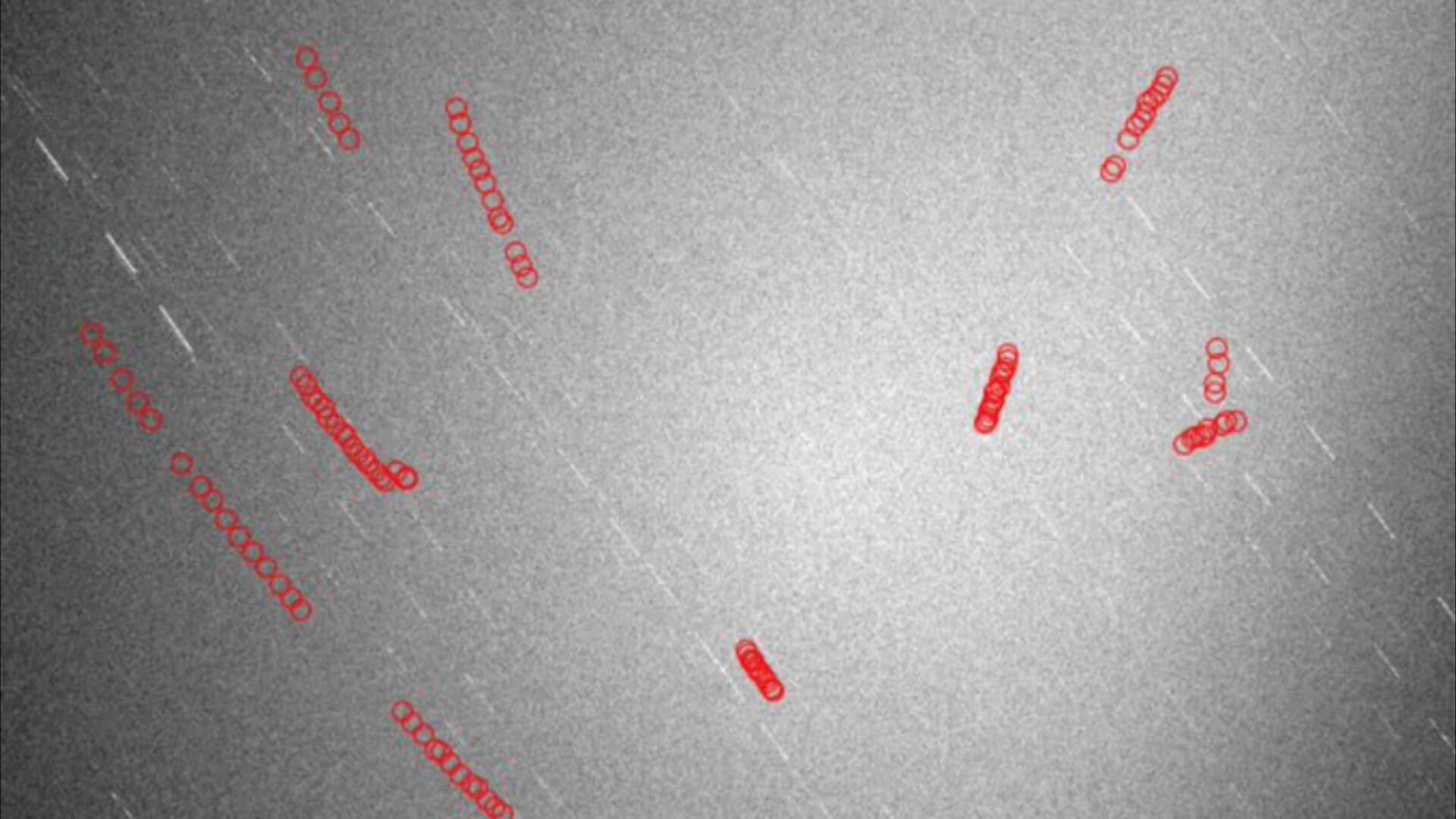
Over the weekend, Russia fired a missile at one of its own satellites, triggering an explosion that launched thousands of pieces of shrapnel through space and forced the astronauts aboard the International Space Station to shelter in place. Senior Writer from Space.com Chelsea 'Foxanne' Gohd, joined Cheddar to discuss more.
Gerald Comissiong, CEO of Todos Medical, joins None of the Above to discuss why we're seeing surges of COVID-19 cases in Europe, the potential for a winter surge of COVID-19, the benefits of high vaccination rates in a community, and the coming COVID treatment pills.
Cognitive healthcare platform BrainCheck recently raised $10 million in a Series B round. The platform offers neurologists a new way to detect and care for brain disorders like Alzeheimer's, and brain injuries like concussions. BrainCheck CEO Yael Katz joined Cheddar News' Closing Bell to discuss.
On this episode of Cheddar Innovates: Ice Barrel CEO breaks down the physical and mental health benefits to cold therapy training; Dishcraft CEO explains how its robotics is transforming the role of a dishwasher in restaurant kitchens; A look at Curiosity Stream's original series 'The Year That Rocked The World.'
Jill Wagner is joined by Baker to talk about kids and vaccines: we finally know how many young kids are getting vaccinated. Plus, Democrats are working on a Plan B for paid family leave. And the salad chain Sweetgreen goes public.
A breakthrough deal between the U.S. and China when it comes to climate has finally been reached. The two countries have pledged to work together to curb carbon emissions. Amy Harder, executive editor at Cipher, joined Cheddar News to discuss more.
Joey Roulette, space reporter for The New York Times, joined Cheddar to break down the intense backlash Russia is seeing after its missile test sent destroyed a non-functioning satellite and sent thousands of pieces of debris potentially at the ISS, endangering astronauts onboard. He said while the blast happened days ago, there is still some risk to the station as the space junk threat remains. So far, the U.S., NATO, and the European Union have condemned Russia for the test.
Jill is joined by “Friend of the Pod” Mosheh Oinounou to talk booster shots, and whether “fully vaccinated” will eventually mean three shots, not two. Plus, the latest on the Kyle Rittenhouse trial. And the research is in: we know now the perfect way to hug. Also, Jill and Mosheh debate whether Airpods are passé.