When members of the marine mammal team from the International Fund for Animal Welfare rush to a Cape Cod beach to help a stranded dolphin or porpoise, they have no choice but to treat the endangered animal on site and then immediately release it.
That is about to change.
The organization, which protects animals worldwide, is opening a first-of-its-kind short-term dolphin hospital on Cape Cod this month that it hopes will not only improve survivability rates, but also enhance the research it has developed over 25 years.
Stranded marine mammals are stressed, in shock and dehydrated, said Brian Sharp, director of the rescue team. Simply caring for them at the scene is often not enough. They need additional diagnostics, treatment and recovery time.
“With this ICU for dolphins, we’ll be able to get them treatment that's needed, then be able to release them quickly,” he said.
While there are marine mammal rehabilitation centers that can take care of animals for months or even years, the goal of this facility is to release them back into the ocean within four days, he said.
“This is the first time that this has been attempted before," Sharp said.
There are more live marine mammal strandings on Cape Cod than anywhere else in the world, Sharp said. The welfare fund has responded to more than 400 live stranded dolphins, whales and porpoises in the region in the past five years alone, the organization said in a news release.
Cape Cod is a good habitat for dolphins, but a risky one. Its geography — it is basically a hook-shaped spit of sand jutting into the ocean — can make dolphin navigation difficult, and 12-foot tides can quickly expose a mile of beach.
The 4,200-square-foot (390-square-meter) Dolphin Rescue Center is in a renovated retail space in downtown Orleans.
It includes an 1,800-square-foot (167-square-meter) rehabilitation area with two treatment pools 15 feet (4.3 meters) across and a veterinary laboratory. The public will not be permitted to have direct contact with the animals being a cared for, but there is also an education center where visitors will be able to watch the recovering animals on a monitor.
Staffed by four full-time workers, it is equipped to provide round-the-clock care. It will start by treating one animal at a time, but the goal is to eventually treat multiple animals simultaneously.
The privately funded center has been federally inspected and expects to open by the end of the month, Sharp said.
“We want to take what we learn here and share it nationally, internationally,” he said.
Experts say that at some point next year, the pandemic will officially drop its pandemic status, becoming endemic. While this is a milestone to acknowledge, it does not mean we're free of infections, illnesses, and deaths. Dr. Rajeev Fernando, infectious disease specialist, Beth Israel Hospital and fellow, joins Cheddar News' Closing Bell to discuss.
Chicago-based Internist Dr. Vivek Cherian joined Wake Up With Cheddar to break down the unprecedented surge in U.S. COVID-19 as many prepare to celebrate the new year.
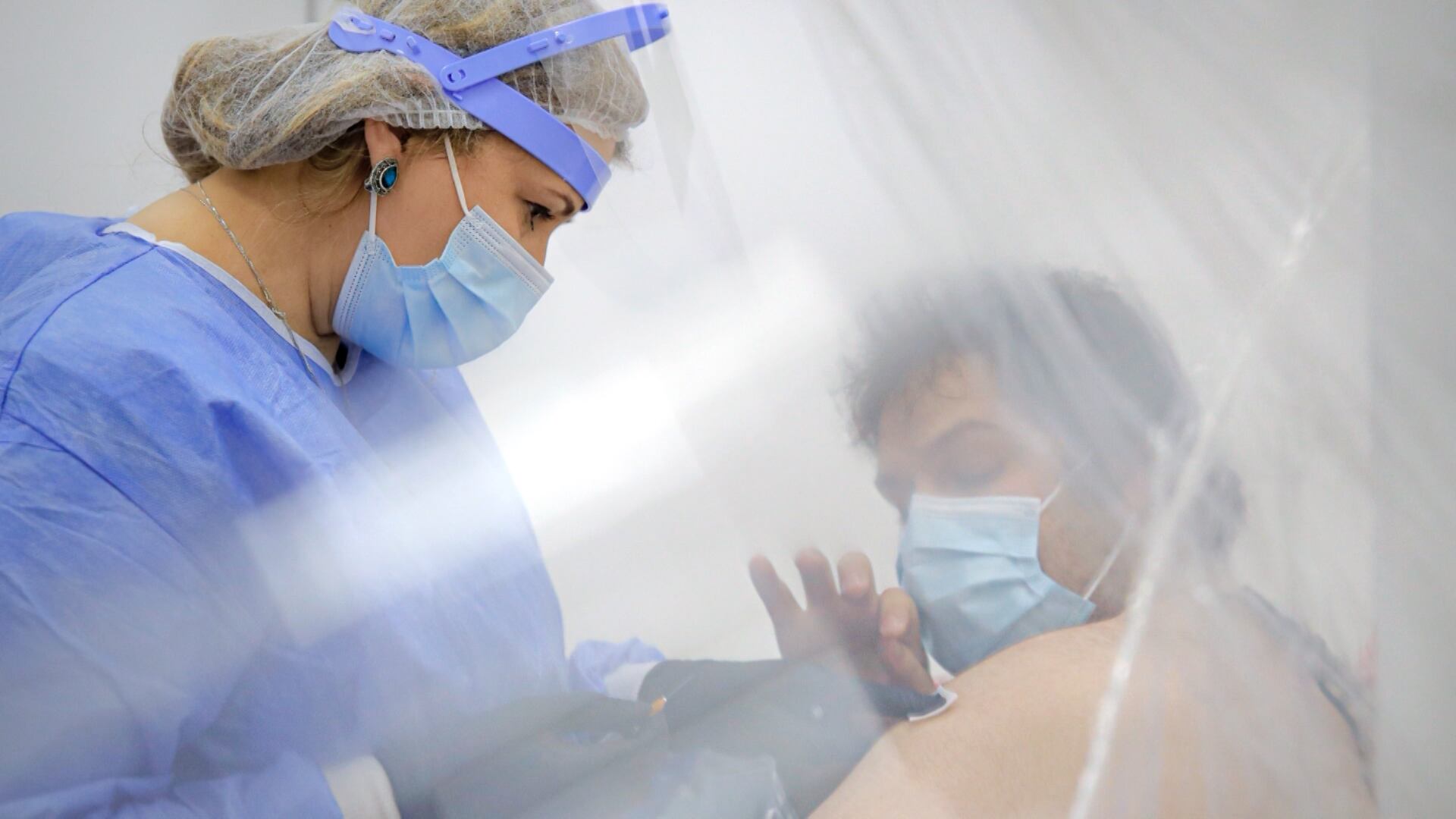
Dr. Soumi Eachempati, co-founder and CEO of Cleared4 and former professor of surgery and public health at Weill Cornell Medical College, joined Cheddar to breakdown what people should know about the recently FDA-approved emergency use of Merck and Pfizer's COVID-19 treatment pills. He noted that not only do people need to be aware of other medications they are taking that could cause adverse effects if coupled with COVID-19 pill treatments, he also talked about the intense in-take regiment. "The Merck pills are actually about 40 pills over five days. The Pfizer ones are three pills over five days, so people have to be prepared for that because it is a lot of pills you'll have to take to get full value from these drugs," Eachempati told Cheddar.
Twitter is exploding with a new meme after the CDC revised its Covid-19 guidelines, shortening the recommended isolation period to five days instead of 10 for when you test positive and are asymptomatic. The change came amid a skyrocketing surge of new cases is the U.S. due to the Omicron variant, drawing criticism from experts and Twitter --with users claiming the government agency is giving funny advise on a variety of issues. But what does the meme say about the public’s trust in the agency? Cheddar News speaks with political strategist Hastie Afkhami.
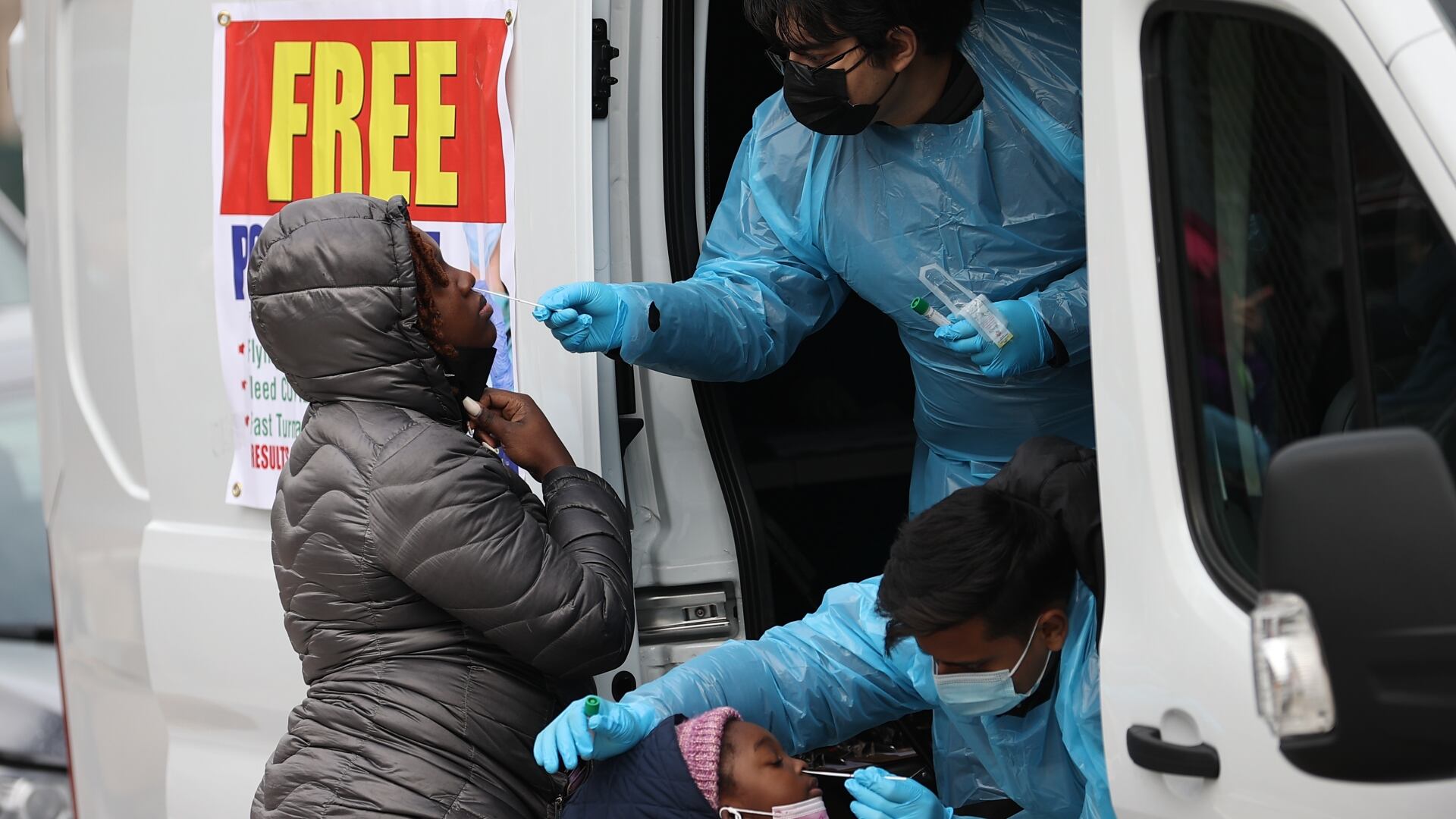
The list of questions should be getting shorter as we enter the pandemic's third year, but that isn't the case. There's another question to add to that list: is the U.S. doing enough to track the virus and its variants? Lawrence Gostin, faculty director of the O'Neill Institute for national and global health law at Georgetown University, joins Cheddar News.
As we prepare to ring in the new year, COVID cases are hitting an all-time high. Dr. Anthony Fauci has said the safest way to celebrate would be a small gathering with vaccinated family members only... far from the large, flashy parties from a few years ago. Dr. Christina Johns, senior medical advisor at PM Pediatrics, joins Cheddar News to discuss how to celebrate safely.