Can Republicans Defend Tax Reform After It Becomes Law?
Congress passed the largest overhaul to the American tax code in over three decades. If and when President Trump signs it into law, will Republicans be able to defend the bill, given its low national approval ratings?
Nick Givas, Media Reporter at The Daily Caller, and Nate Lerner, Executive Director at the Democratic Coalition, discuss the uphill battle Republicans face selling tax reform in time for the 2018 midterm elections. Lerner says it's the same problem that Democrats faced after passing passing the Affordable Health Care Act.
Givas and Lerner also discuss whether President Trump signs the tax bill into law before the New Year. If the bill is signed before the holidays, then it will cause immediate cuts to programs like Medicare thanks to the Reagan-era Paygo law. It forces the federal government to make major cuts to programs when Congress passes a law that will cause national debt to rise.
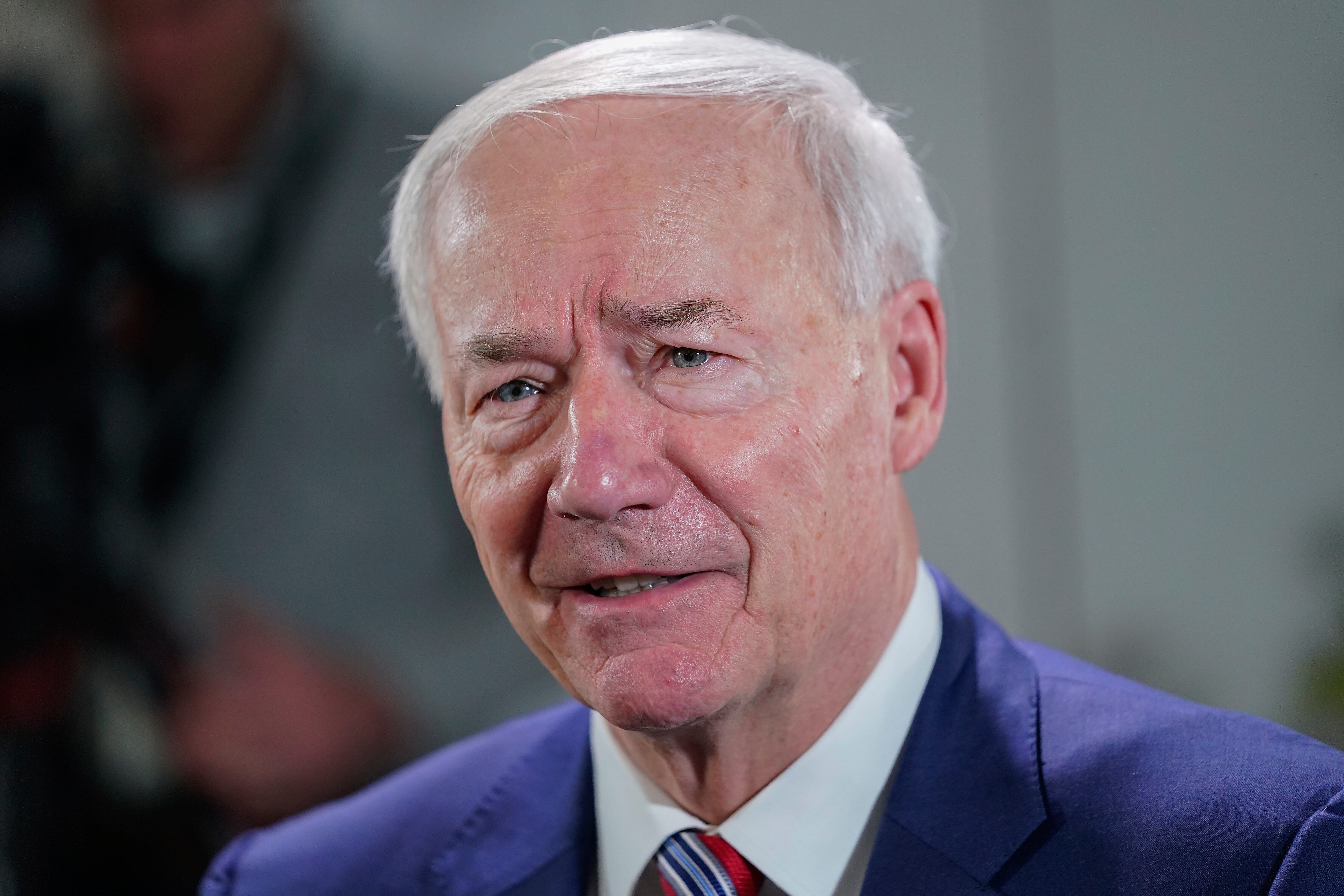
Asa Hutchinson, who recently completed two terms as Arkansas governor, said Sunday he will seek the Republican presidential nomination, positioning himself as an alternative to Donald Trump just days after the former president was indicted by a grand jury in New York.
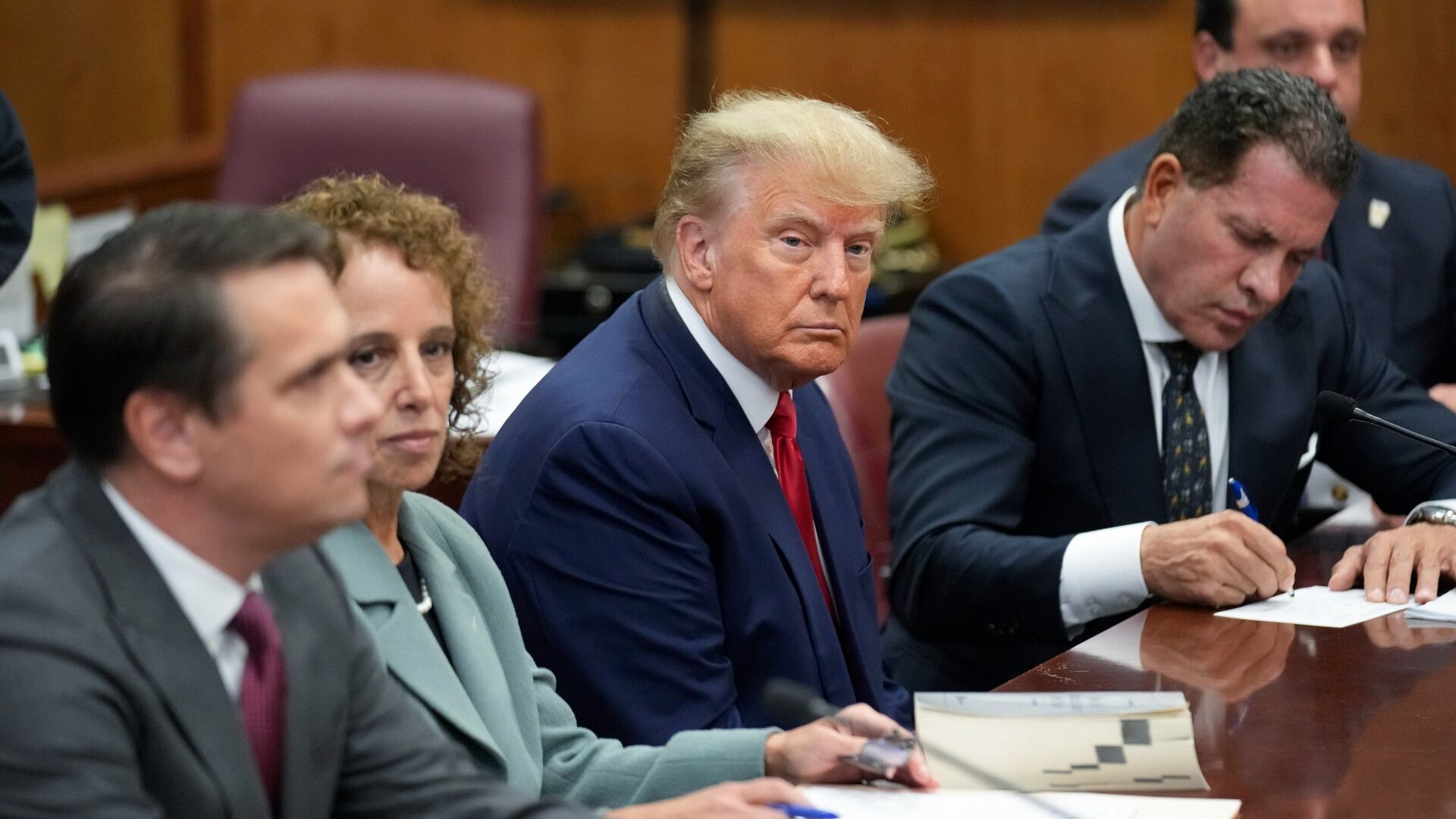
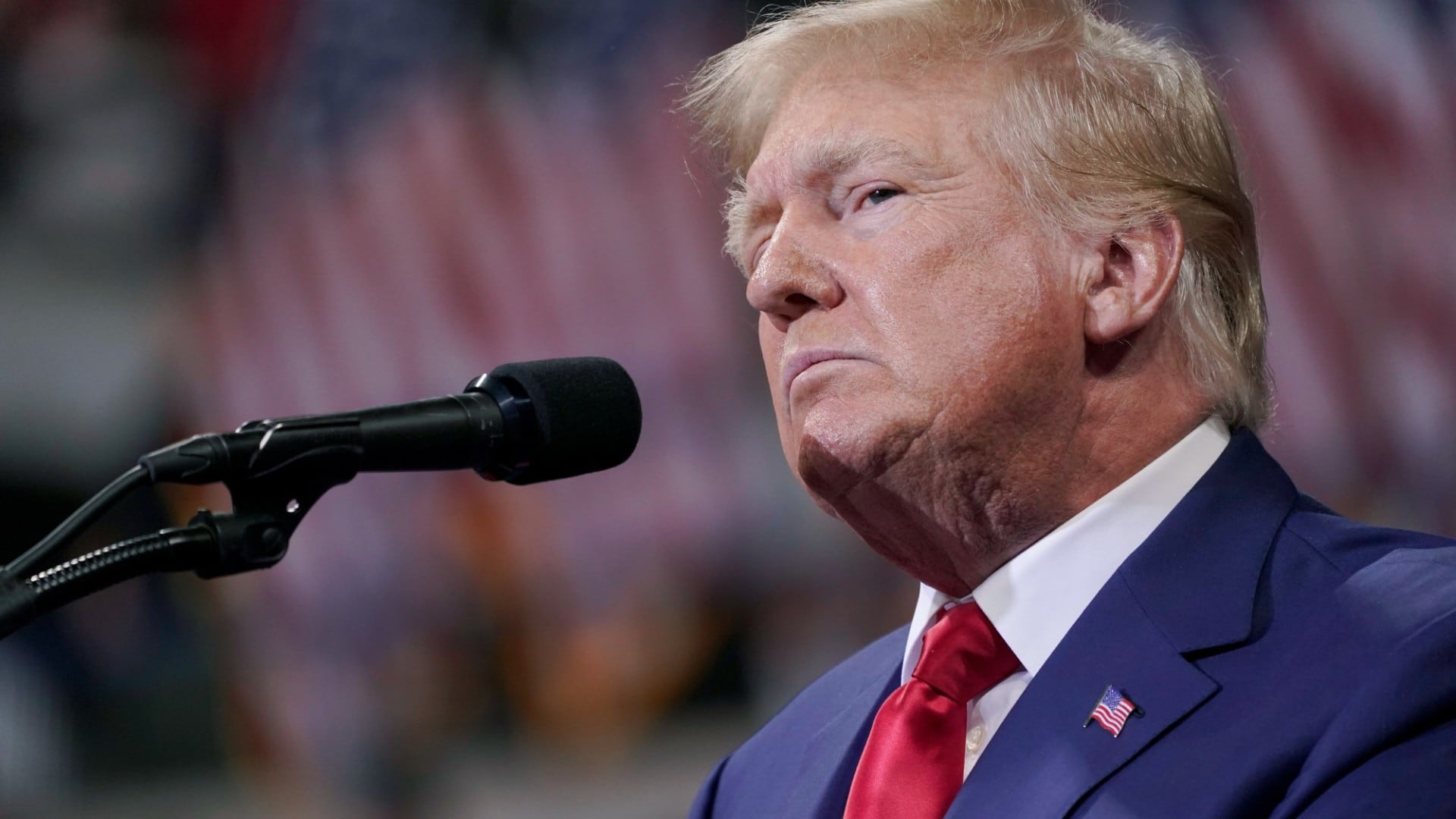
Prosecutors say Donald Trump conspired to undermine the 2016 election through a series of hush money payments designed to stifle claims that could be harmful to his candidacy.
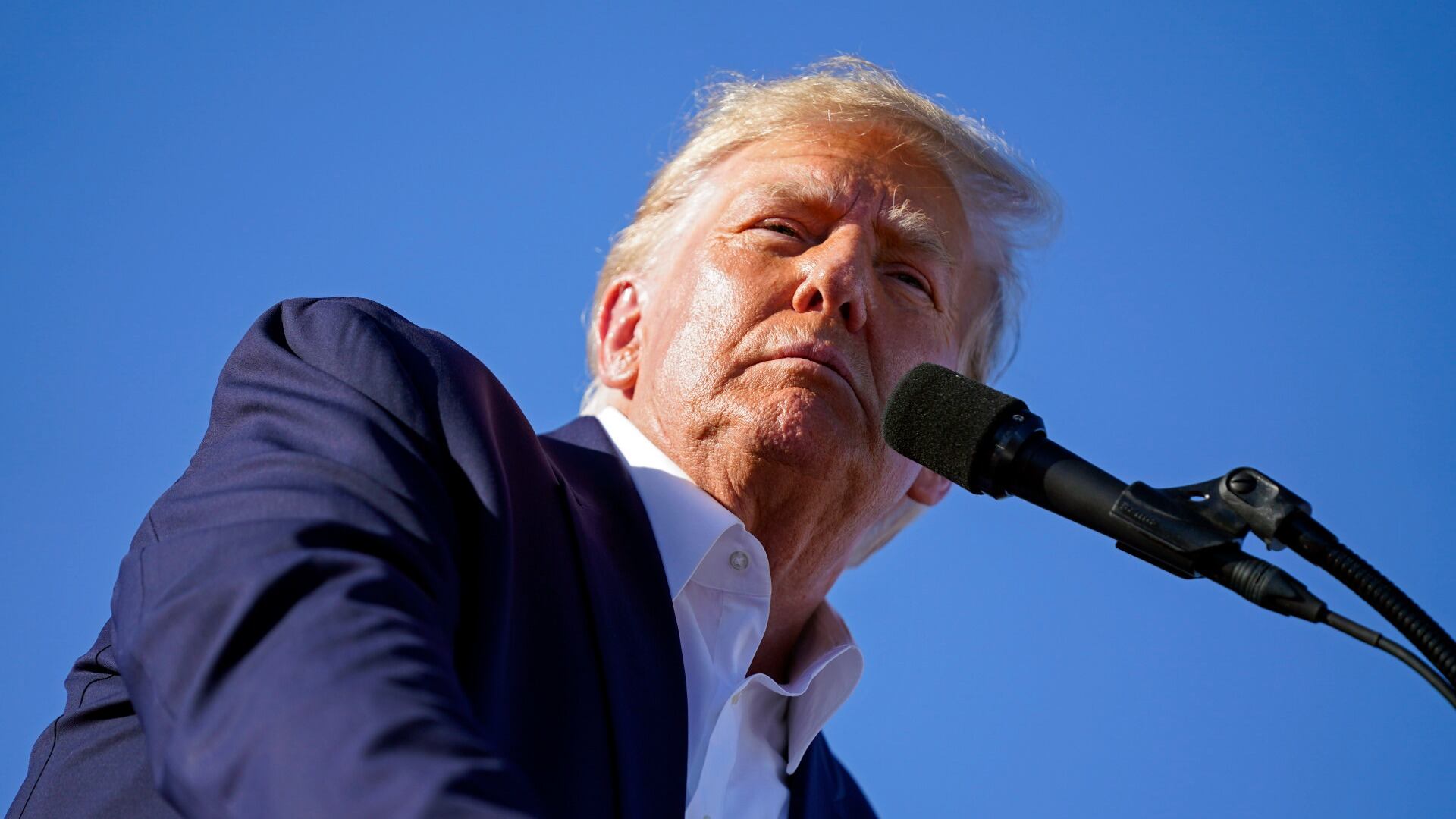
He is expected to be joined in Florida by supporters as he tries to project an image of strength and defiance and turn the charges into a political asset to boost his 2024 presidential campaign.
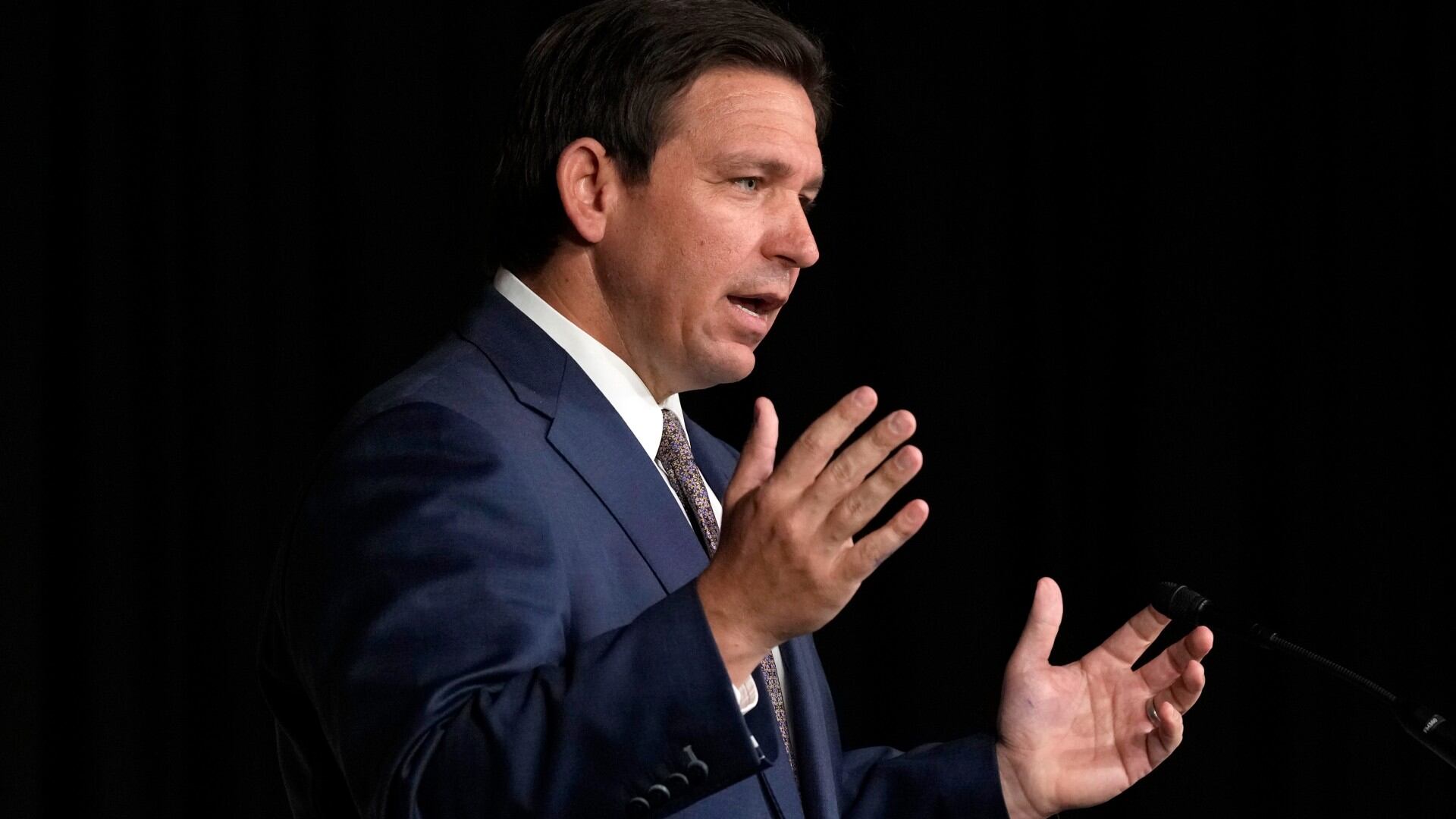
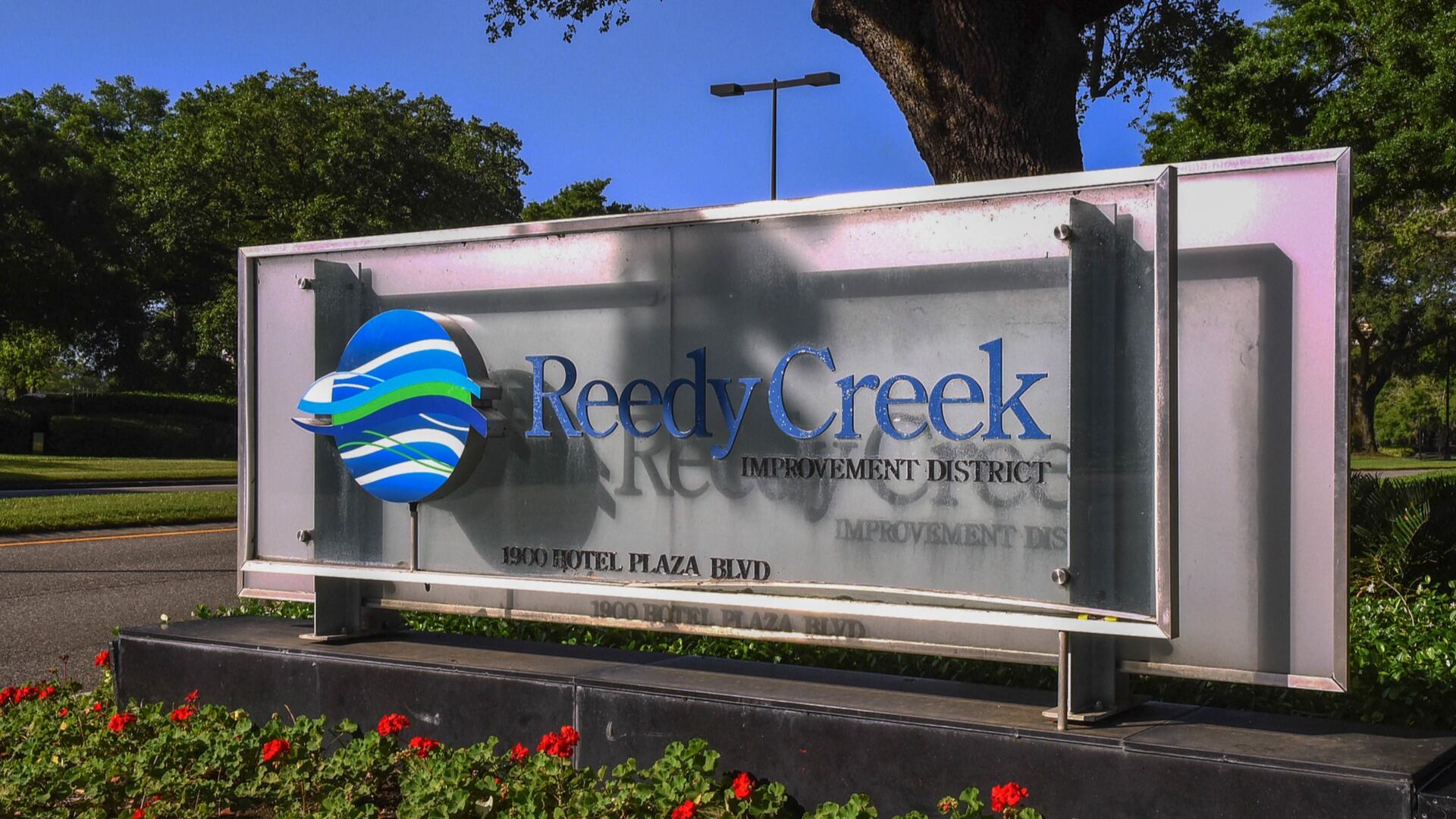
Board members picked by Florida Gov. Ron DeSantis to oversee the governance of Walt Disney World said Wednesday that their Disney-controlled predecessors pulled a fast one on them by passing restrictive covenants that strip the new board of many of its powers.
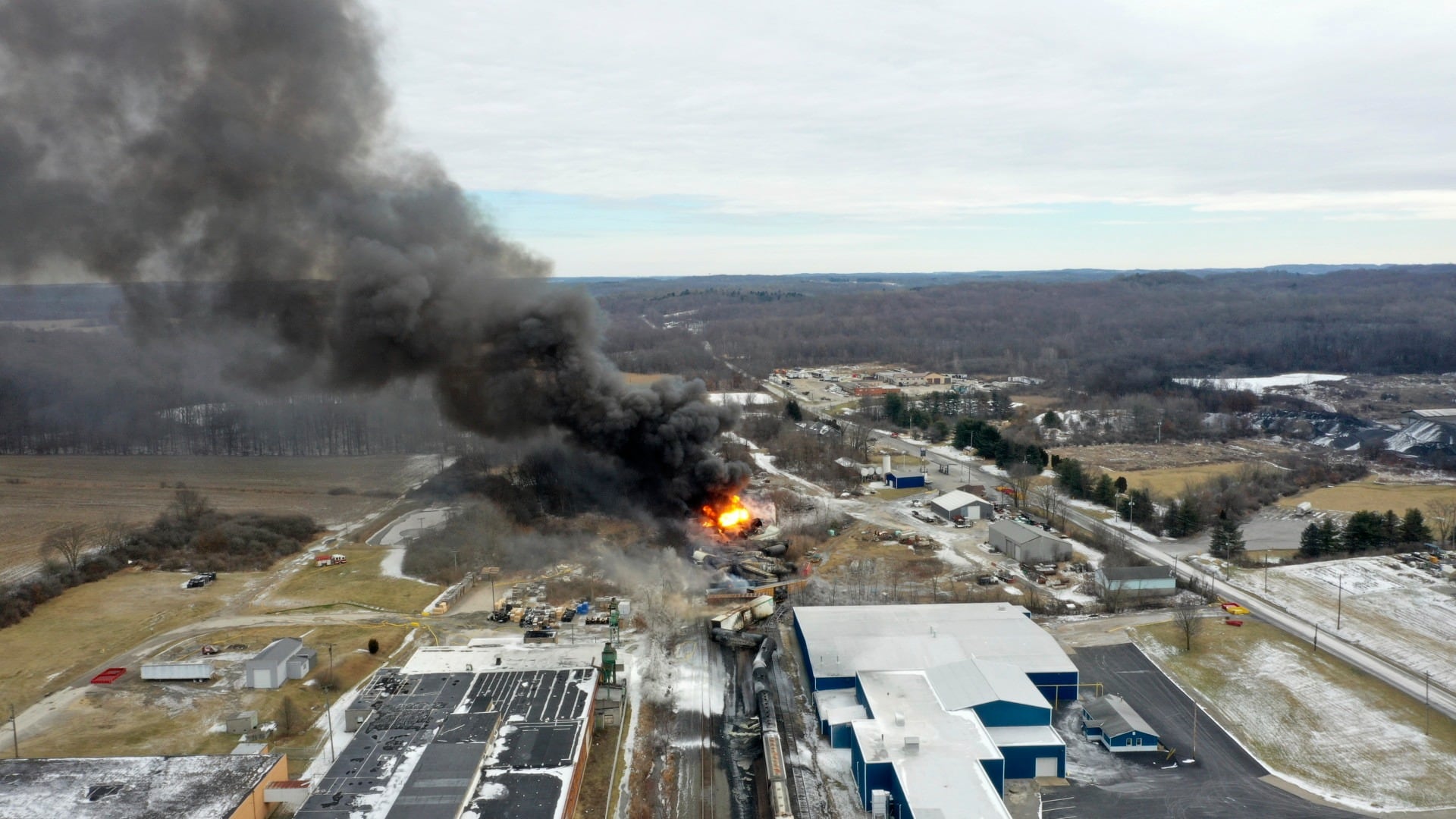
The federal government has filed a lawsuit against railroad Norfolk Southern over environmental damage caused by a train derailment on the Ohio-Pennsylvania border that spilled hazardous chemicals.
The charges in the indictment, made by a Manhattan grand jury, center on payments made during the 2016 presidential campaign to silence claims of an extramarital sexual encounter.