Can Republicans Defend Tax Reform After It Becomes Law?
Congress passed the largest overhaul to the American tax code in over three decades. If and when President Trump signs it into law, will Republicans be able to defend the bill, given its low national approval ratings?
Nick Givas, Media Reporter at The Daily Caller, and Nate Lerner, Executive Director at the Democratic Coalition, discuss the uphill battle Republicans face selling tax reform in time for the 2018 midterm elections. Lerner says it's the same problem that Democrats faced after passing passing the Affordable Health Care Act.
Givas and Lerner also discuss whether President Trump signs the tax bill into law before the New Year. If the bill is signed before the holidays, then it will cause immediate cuts to programs like Medicare thanks to the Reagan-era Paygo law. It forces the federal government to make major cuts to programs when Congress passes a law that will cause national debt to rise.
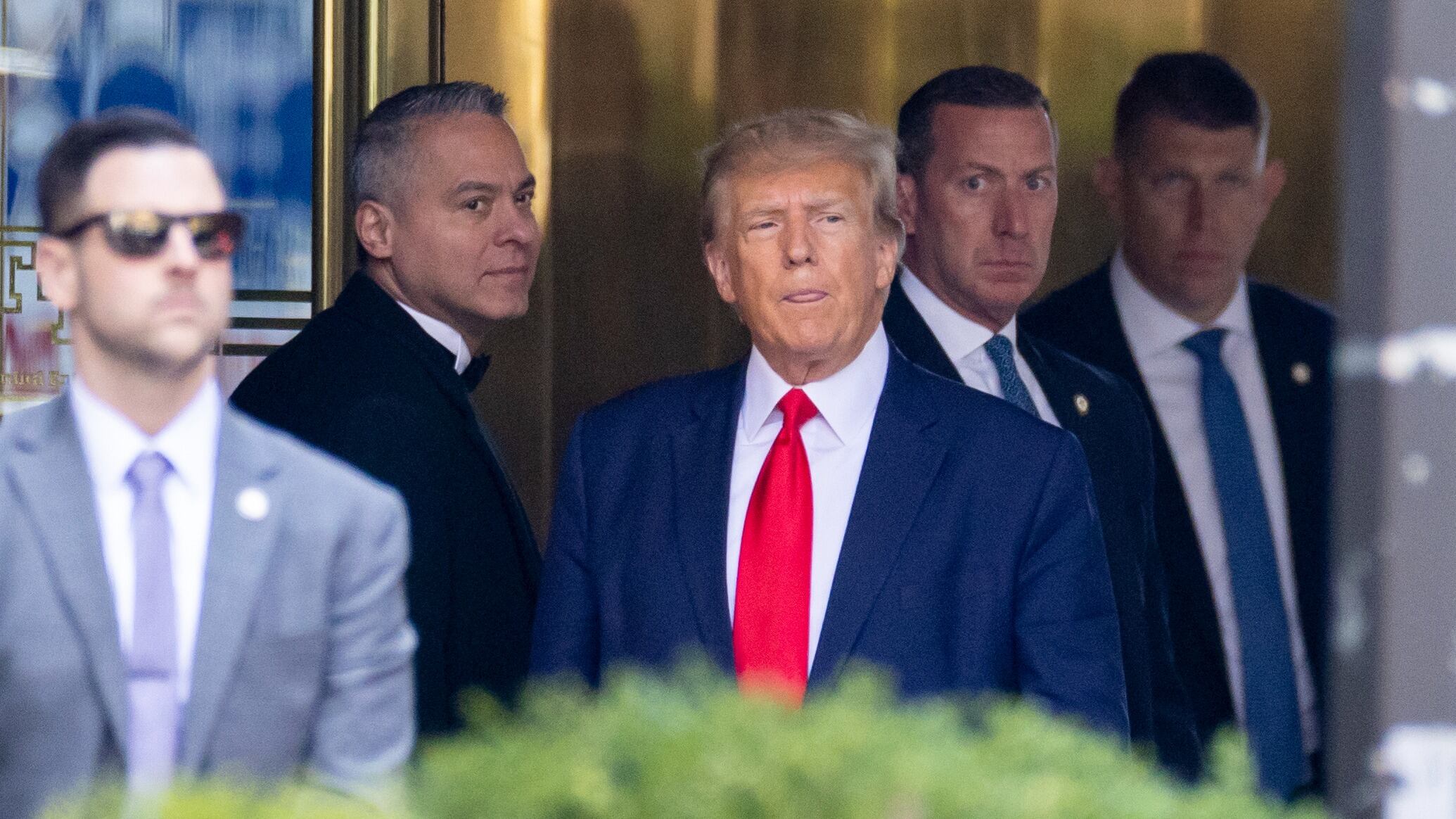
Former President Donald Trump answered questions for nearly seven hours Thursday during his second deposition in a legal battle with New York's attorney general over his company's business practices, reversing an earlier decision to invoke his Fifth Amendment protection against self-incrimination and remain silent.
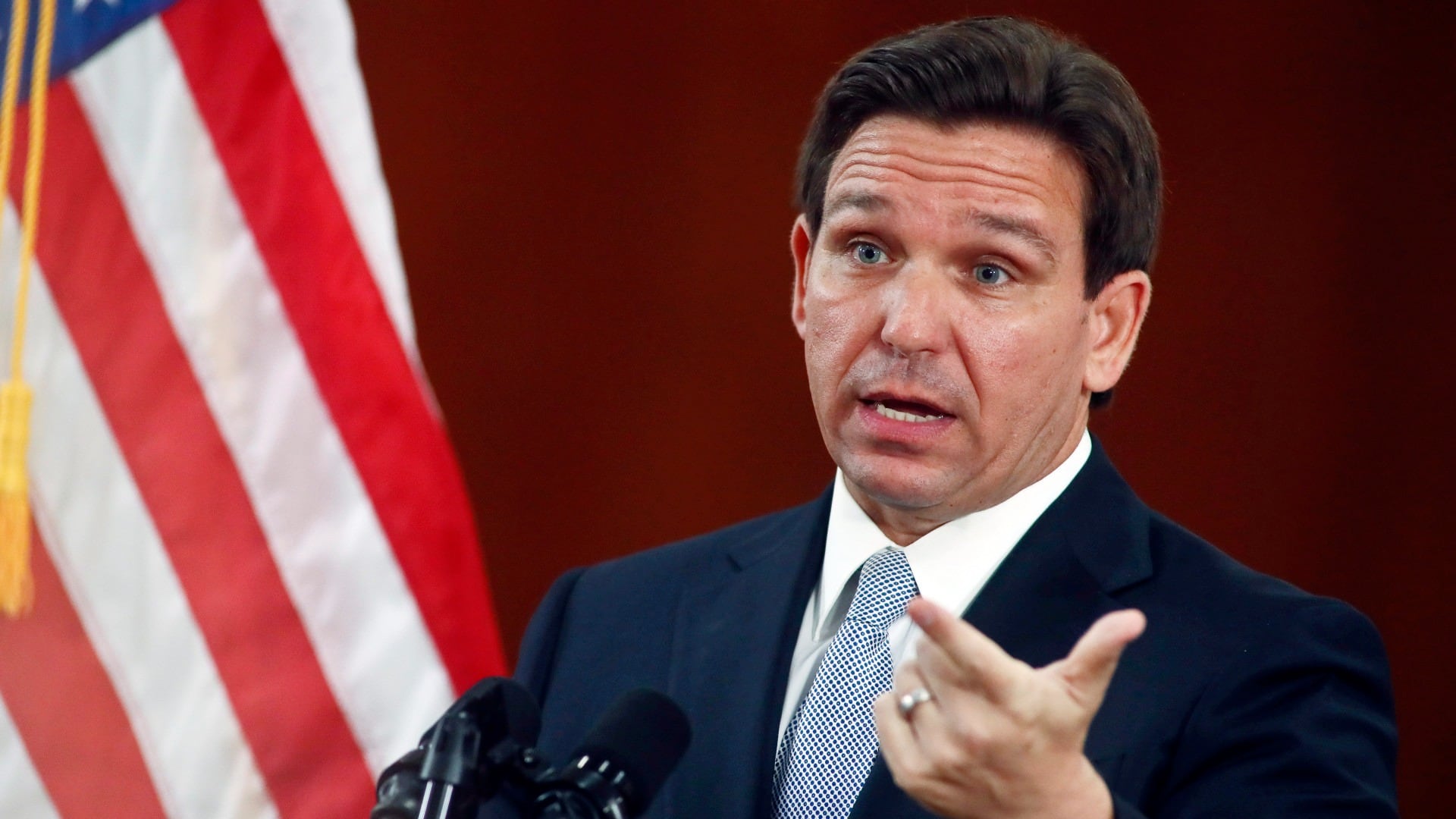
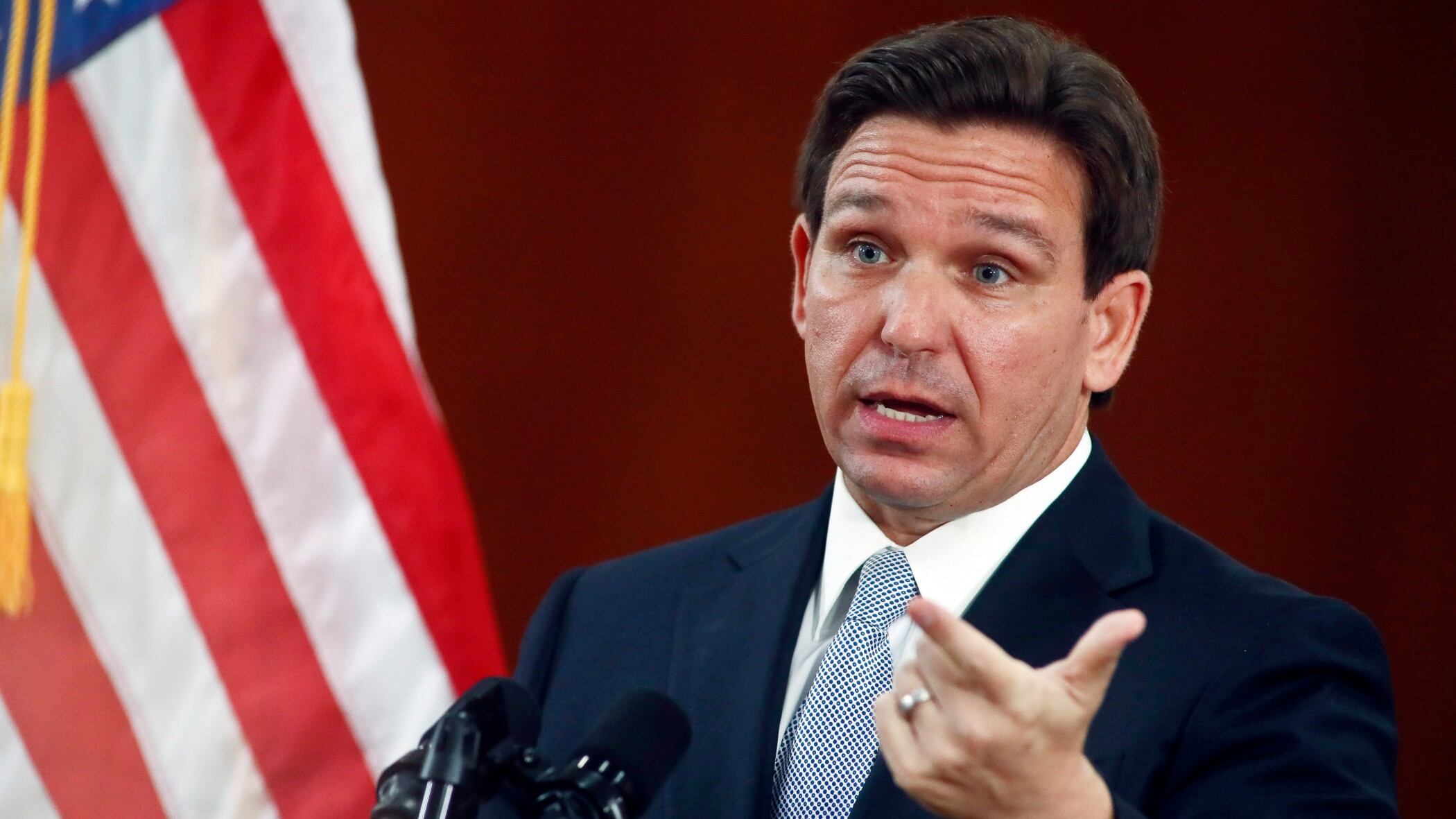
Republican Gov. Ron DeSantis has signed into law a bill approved by the Republican-dominated Florida Legislature to ban abortions after six weeks of pregnancy.
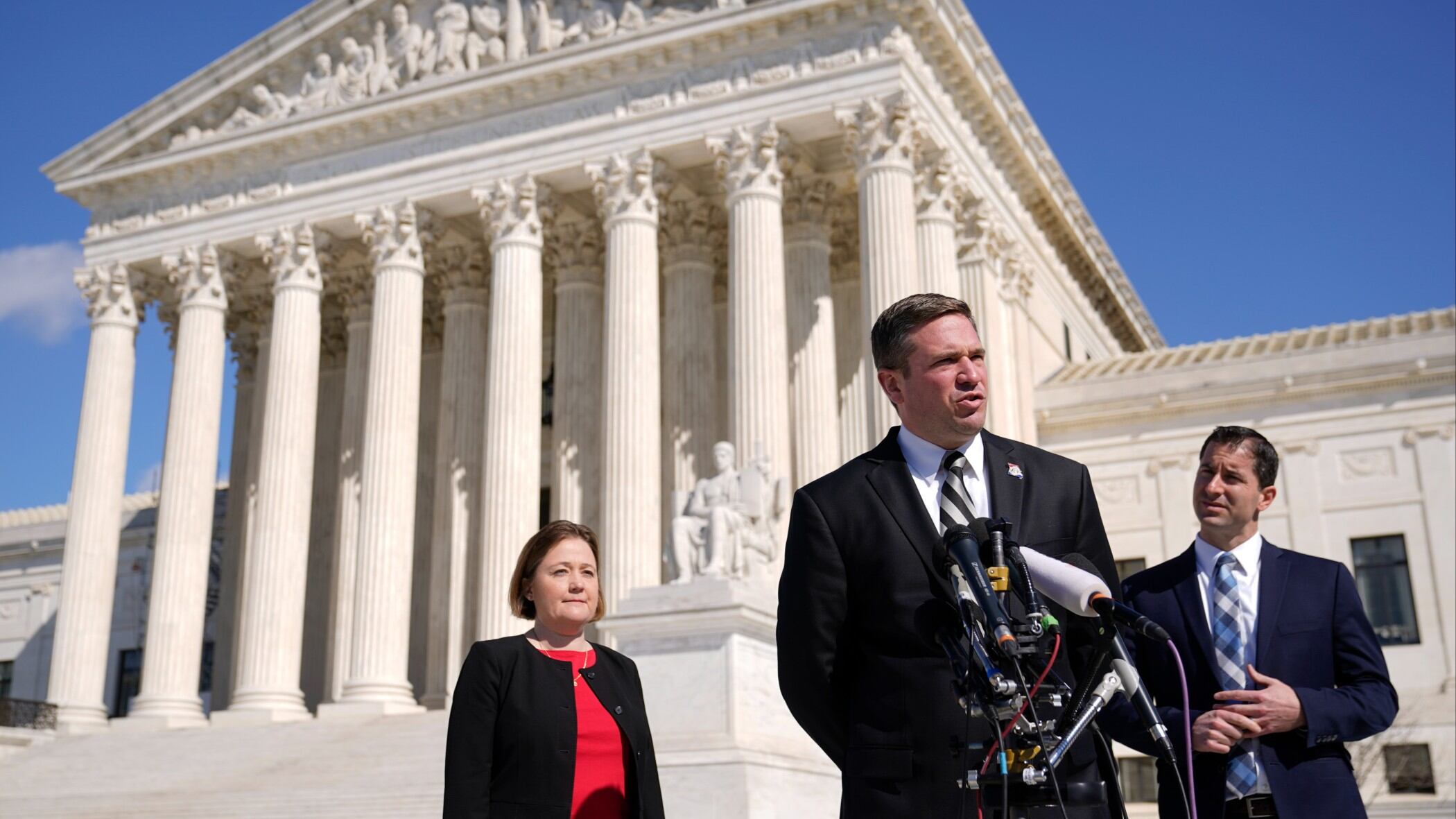
A federal appeals court has ruled that the abortion pill mifepristone can still be used for now but reduced the period of pregnancy when the drug can be taken and said it could not be dispensed by mail.
The second of two Black Democrats expelled from the Republican-led Tennessee House will return to the Legislature after a Memphis commission voted to reinstate him Wednesday.
Some abortion clinics are fielding lots of calls from patients since a court ruling last Friday threatened the availability of a main drug used in medication abortion, mifepristone.
The Biden administration released an environmental analysis Tuesday that outlined two ways that seven Western states and tribes reliant on the over-tapped Colorado River could cut their use, but declined to publicly take a side on the best option.