Can Republicans Defend Tax Reform After It Becomes Law?
Congress passed the largest overhaul to the American tax code in over three decades. If and when President Trump signs it into law, will Republicans be able to defend the bill, given its low national approval ratings?
Nick Givas, Media Reporter at The Daily Caller, and Nate Lerner, Executive Director at the Democratic Coalition, discuss the uphill battle Republicans face selling tax reform in time for the 2018 midterm elections. Lerner says it's the same problem that Democrats faced after passing passing the Affordable Health Care Act.
Givas and Lerner also discuss whether President Trump signs the tax bill into law before the New Year. If the bill is signed before the holidays, then it will cause immediate cuts to programs like Medicare thanks to the Reagan-era Paygo law. It forces the federal government to make major cuts to programs when Congress passes a law that will cause national debt to rise.
U.S. states could face some hurdles as they experiment with road usage charging programs aimed at one day replacing motor fuel taxes, which are generating less each year, in part due to fuel efficiency and the rise of electric cars.
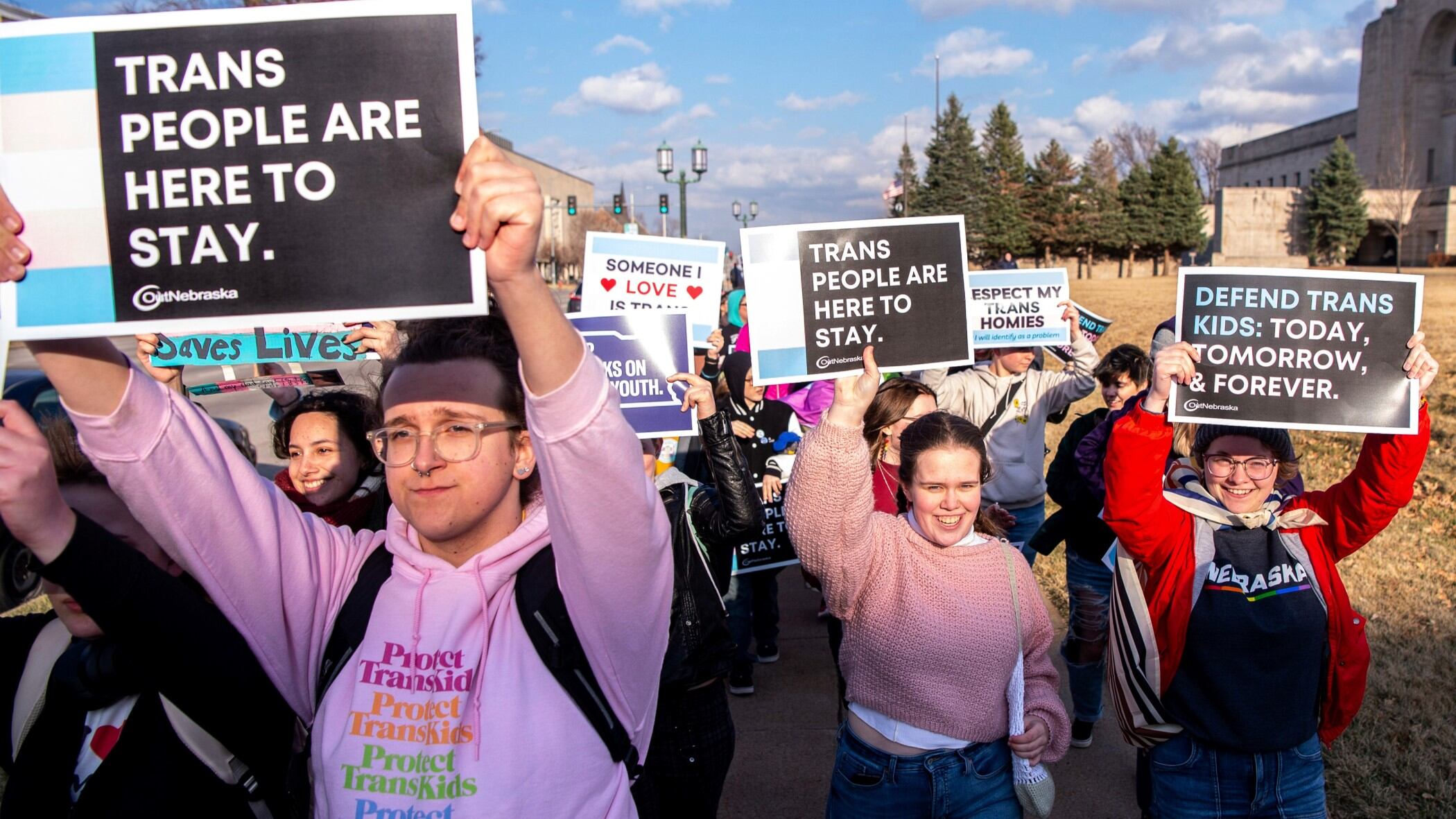
The defiance of restrictions in North Dakota on what bathrooms transgender students can use in public schools and universities shows that it's not exactly clear how bathroom laws will play out in local communities after being enacted in at least 10 states with Republican-controlled legislatures.
The Supreme Court on Monday left in place an appellate ruling barring a North Carolina public charter school from requiring girls to wear skirts to school.
The U.S. Department of Transportation is awarding almost $1.7 billion in grants for buying zero- and low-emission buses, with the money going to transit projects in 46 states and territories.
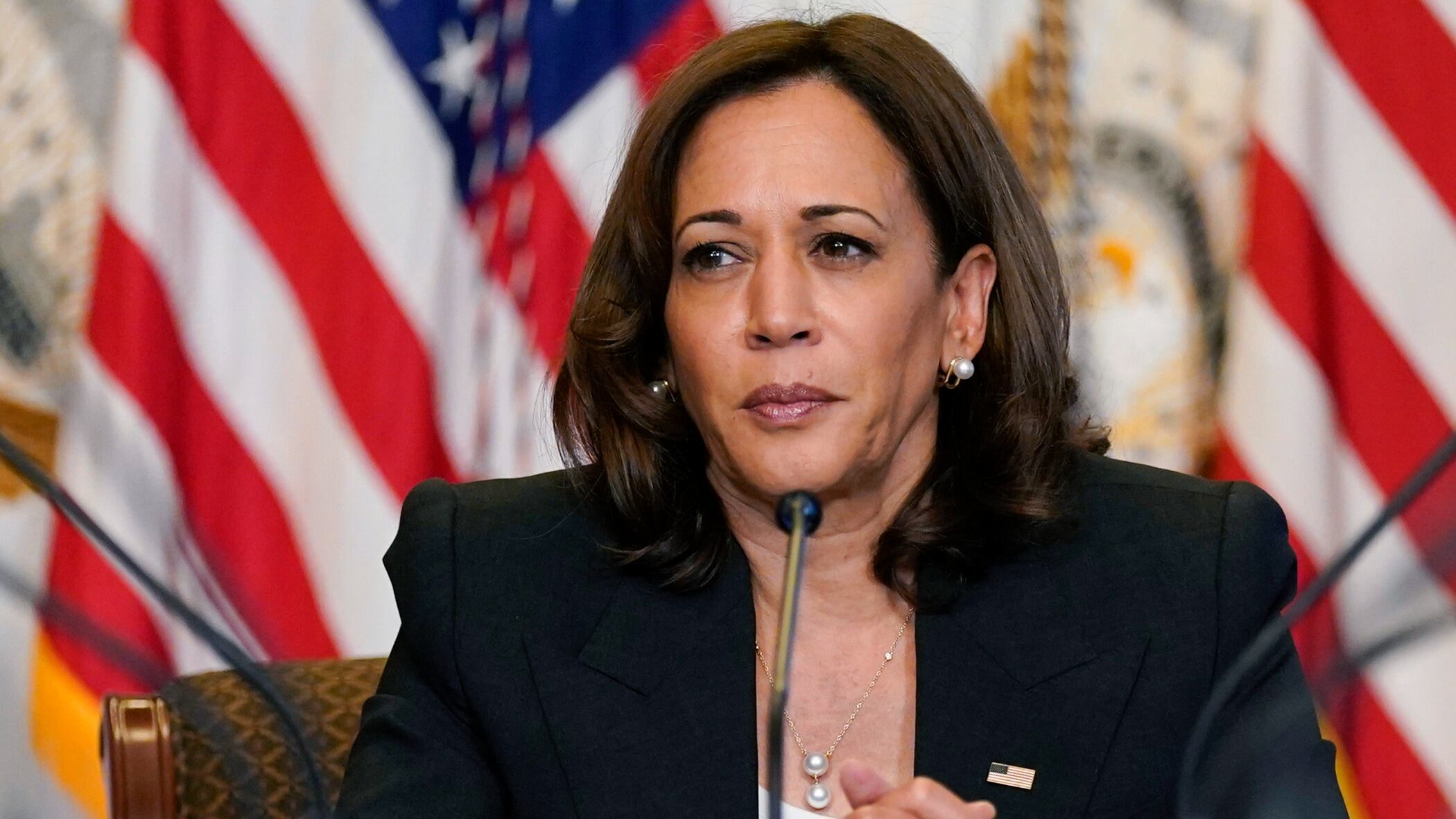
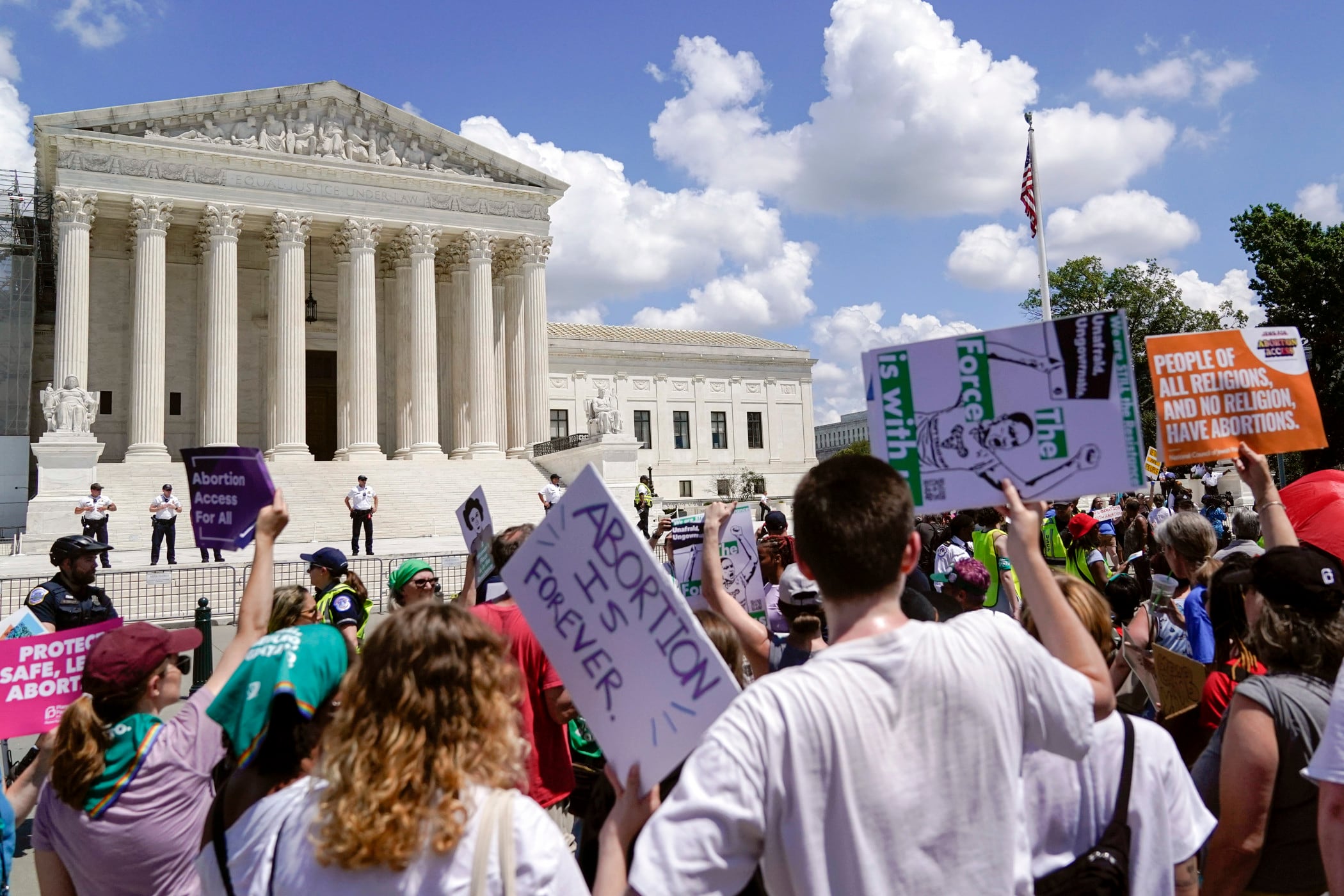
Vice President Kamala Harris said Supreme Court conservatives caused a healthcare crisis in America and blasted abortion bans in Republican-led states.
To many observers, the efforts to roll back two policies that disproportionately help Black students and other students of color reflect a backlash to racial progress in higher education.