Can Republicans Defend Tax Reform After It Becomes Law?
Congress passed the largest overhaul to the American tax code in over three decades. If and when President Trump signs it into law, will Republicans be able to defend the bill, given its low national approval ratings?
Nick Givas, Media Reporter at The Daily Caller, and Nate Lerner, Executive Director at the Democratic Coalition, discuss the uphill battle Republicans face selling tax reform in time for the 2018 midterm elections. Lerner says it's the same problem that Democrats faced after passing passing the Affordable Health Care Act.
Givas and Lerner also discuss whether President Trump signs the tax bill into law before the New Year. If the bill is signed before the holidays, then it will cause immediate cuts to programs like Medicare thanks to the Reagan-era Paygo law. It forces the federal government to make major cuts to programs when Congress passes a law that will cause national debt to rise.
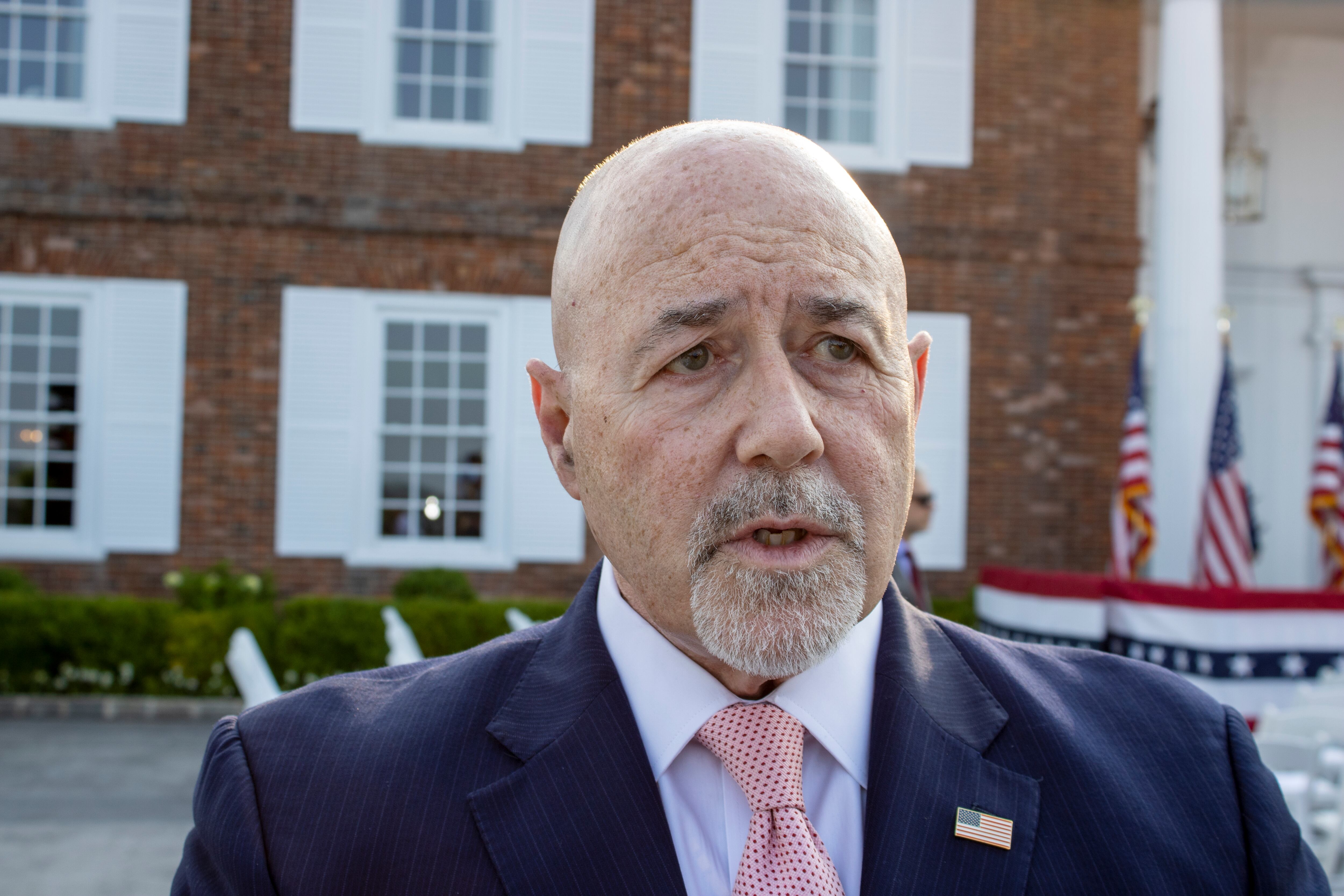
The lawyer for former NYPD commissioner Bernard Kerik turned over thousands of pages and documents to a special counsel as part of an investigation into Kerik's alleged involvement to overturn the results of the 2020 election.
Israel’s parliament on Monday approved the first major law in Prime Minister Benjamin Netanyahu’s contentious plan to overhaul the country’s justice system, triggering a new burst of mass protests and drawing accusations that he was pushing the country toward authoritarian rule.
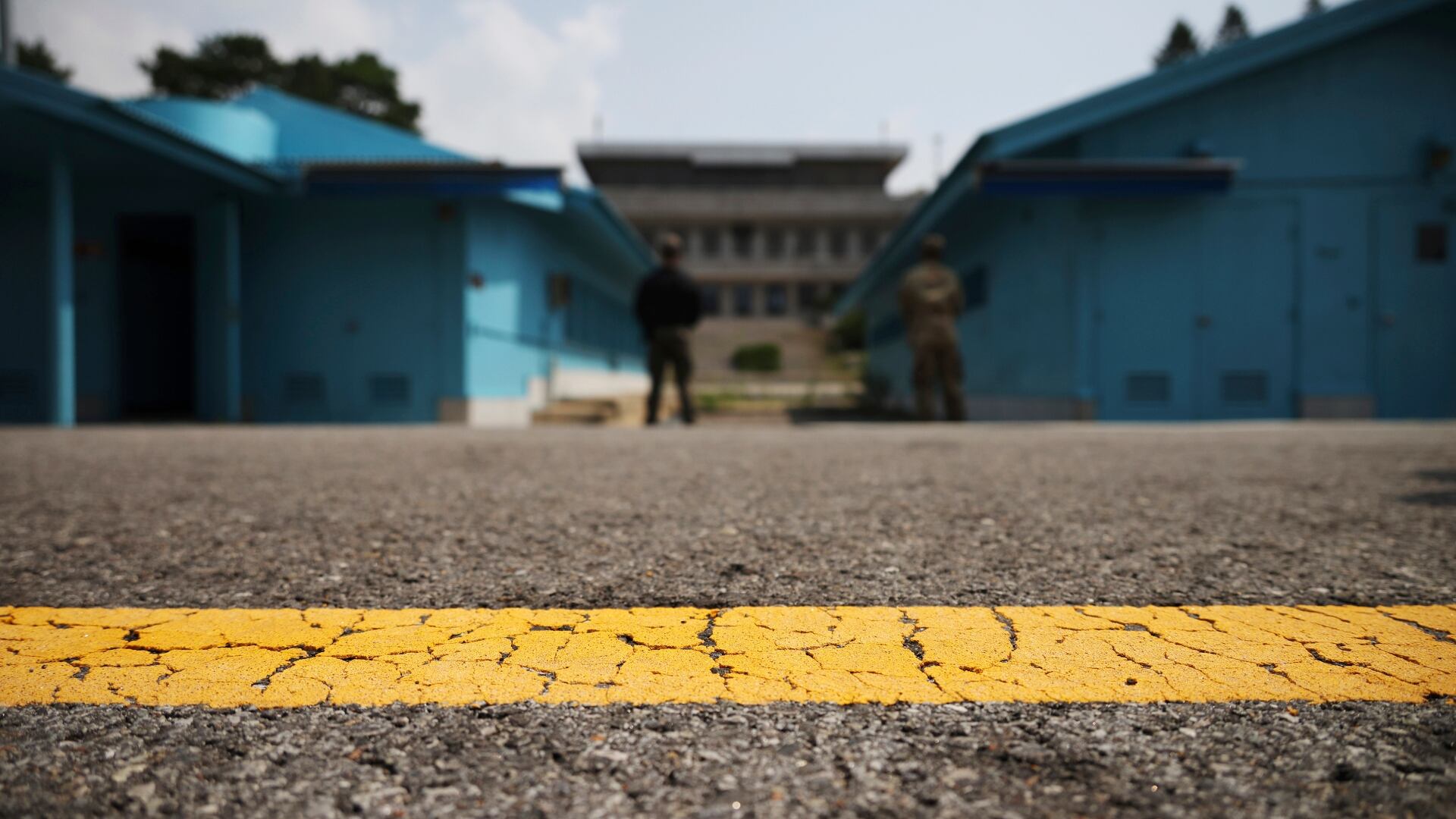
North Korea fired two short-range ballistic missiles into its eastern sea, South Korea’s military said Tuesday, adding to a recent streak in weapons testing that is apparently in protest of the U.S. sending major naval assets to South Korea in a show of force.
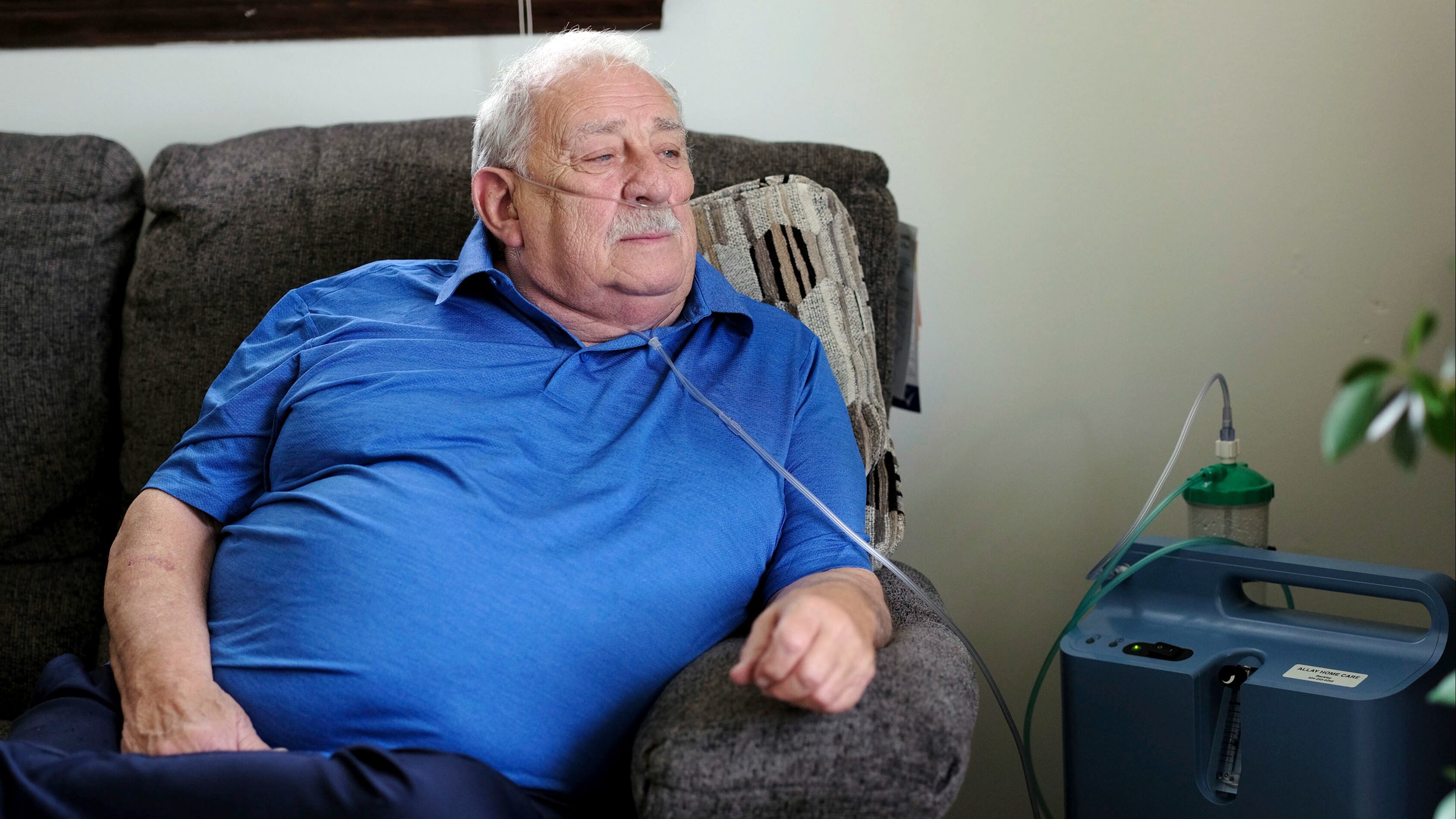
Now the federal Mine Safety and Health Administration has proposed a rule that would cut the current limit for silica exposure by half — a major victory for safety advocates. But there is skepticism and concern about the government following through after years of broken promises and delays.
A state trooper's account of officers denying migrants water in 100-degree Fahrenheit (37.7 Celsius) temperatures and razor wire leaving asylum-seekers bloodied has prompted renewed criticism.