California is set to legalize recreational marijuana this January. Politicians and regulators are scrambling to put together the legal framework for the state's marijuana market. These "emergency regulations" will have lasting impacts on California's cannabusinesses.
Greg Zeman, Associate Editor at Cannabis Now, explains what the regulations are, and how they'll impact Californians. Many of the regulations, he says, will help to make sure that the products sold in stores are made with the highest of standards. All products will have to go through rigorous testing before going to market.
The regulations do place some limitations on the market, however. Individuals will only be able to buy 28.5 grams of non-concentrated cannabis at a single store in a single day. Stores will also only be able to operate between 6 a.m. and 10 p.m.
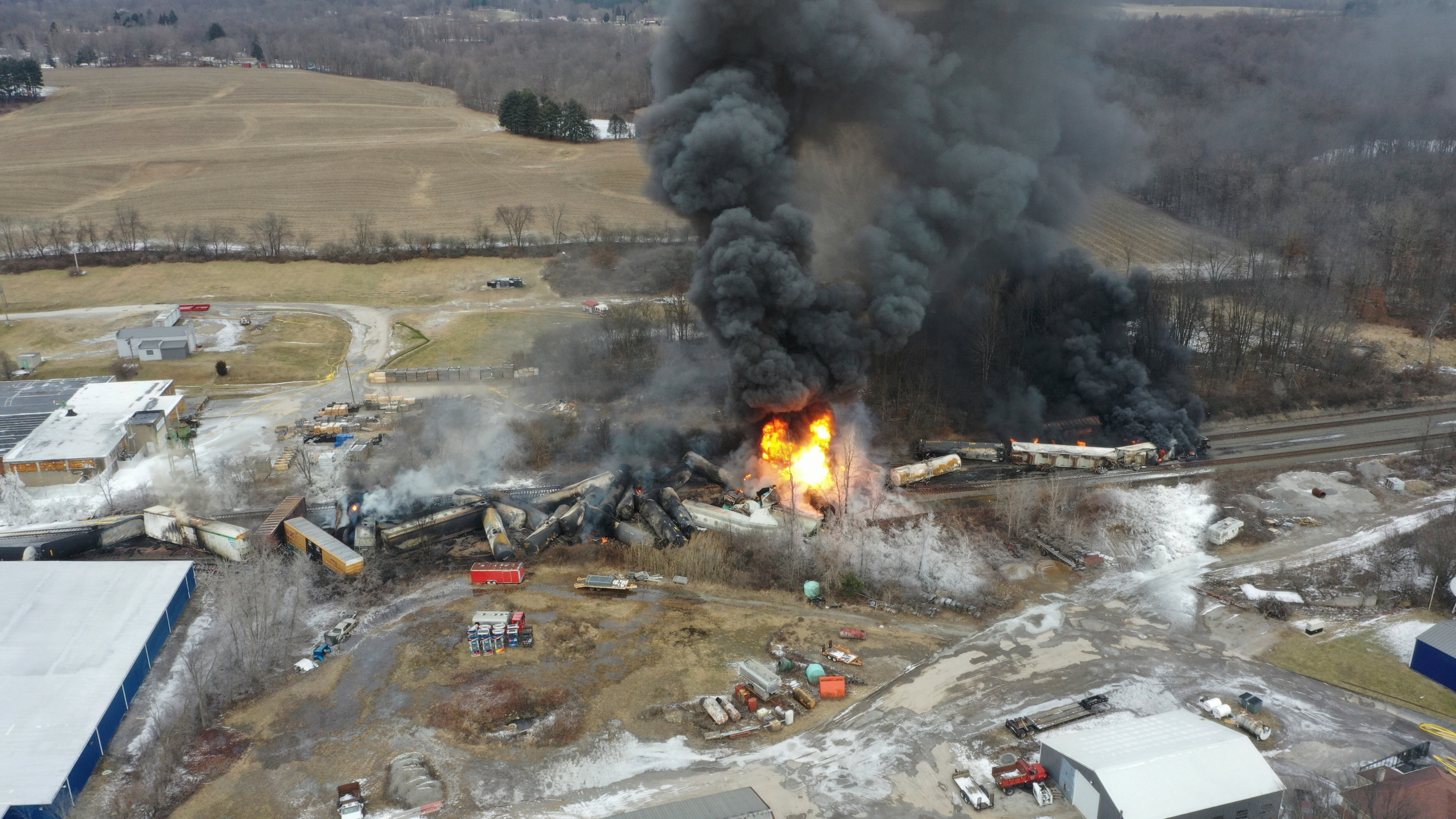
Environmental Protection Agency Head Michael Regan made a stop in East Palestine, Ohio, to speak with residents who continue to raise concerns about the health and safety of their town.
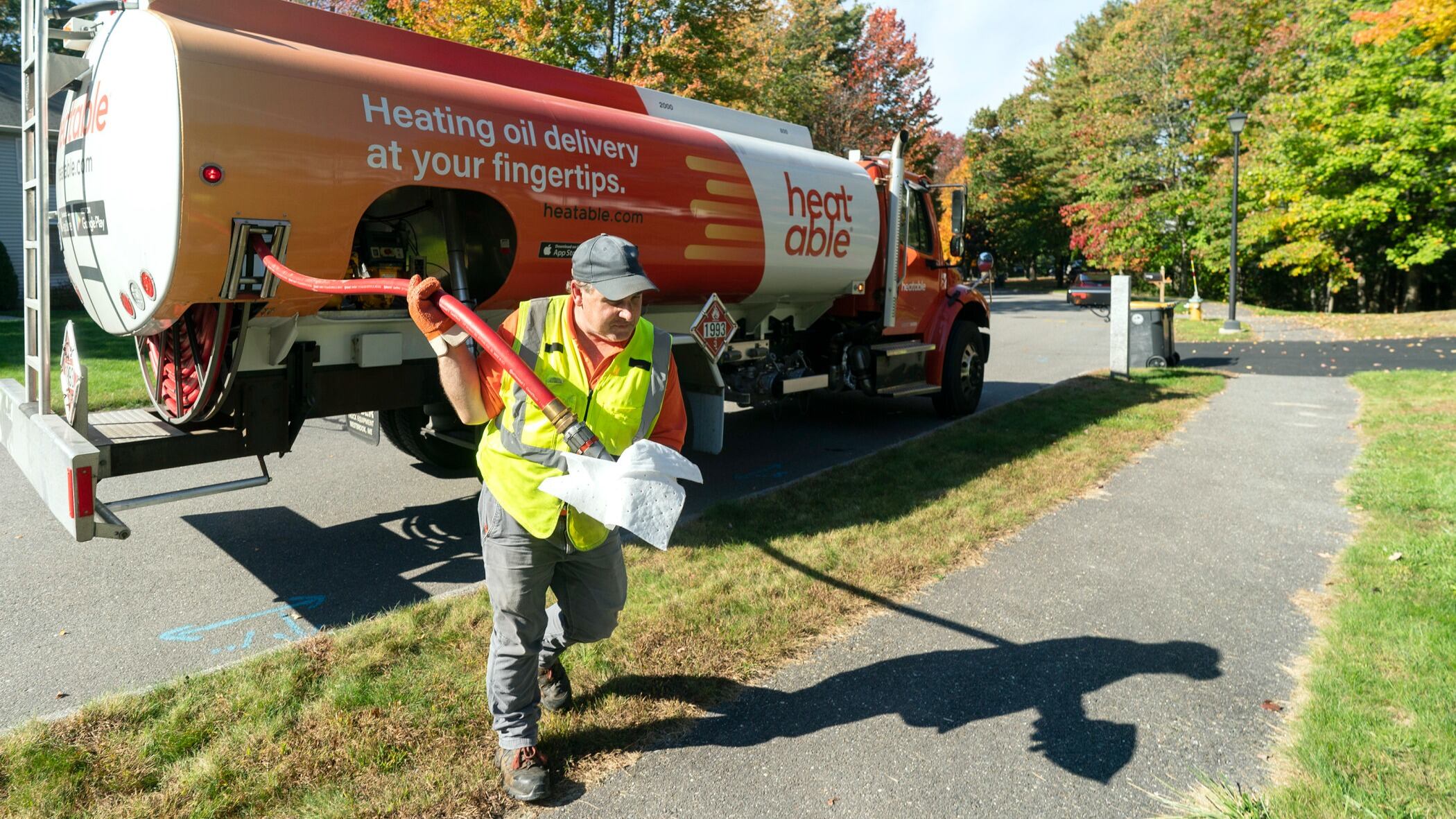
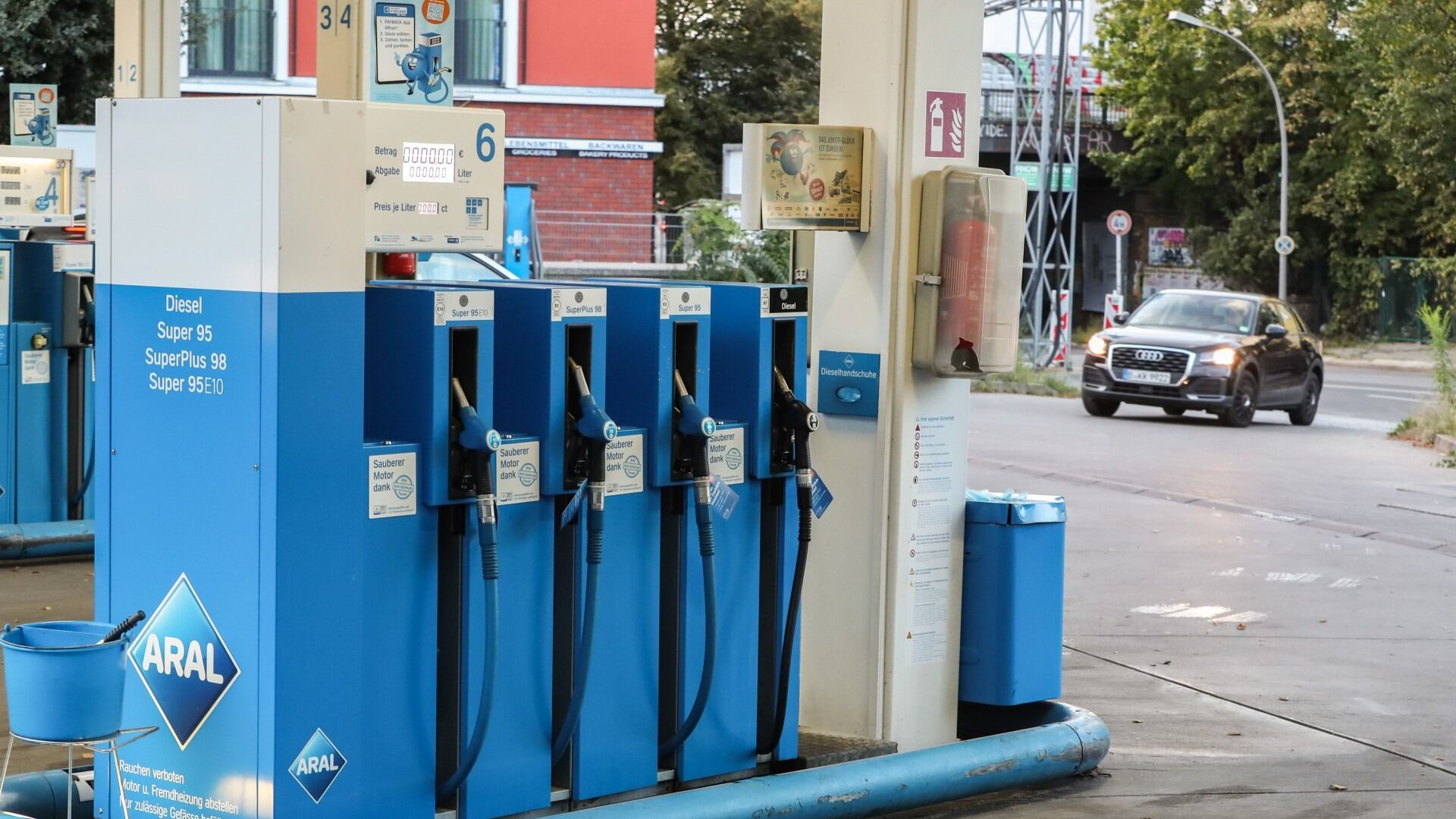
A new study predicts that rising energy costs that have followed in the wake of Russia's war with Ukraine could push millions of people around the globe into extreme poverty.
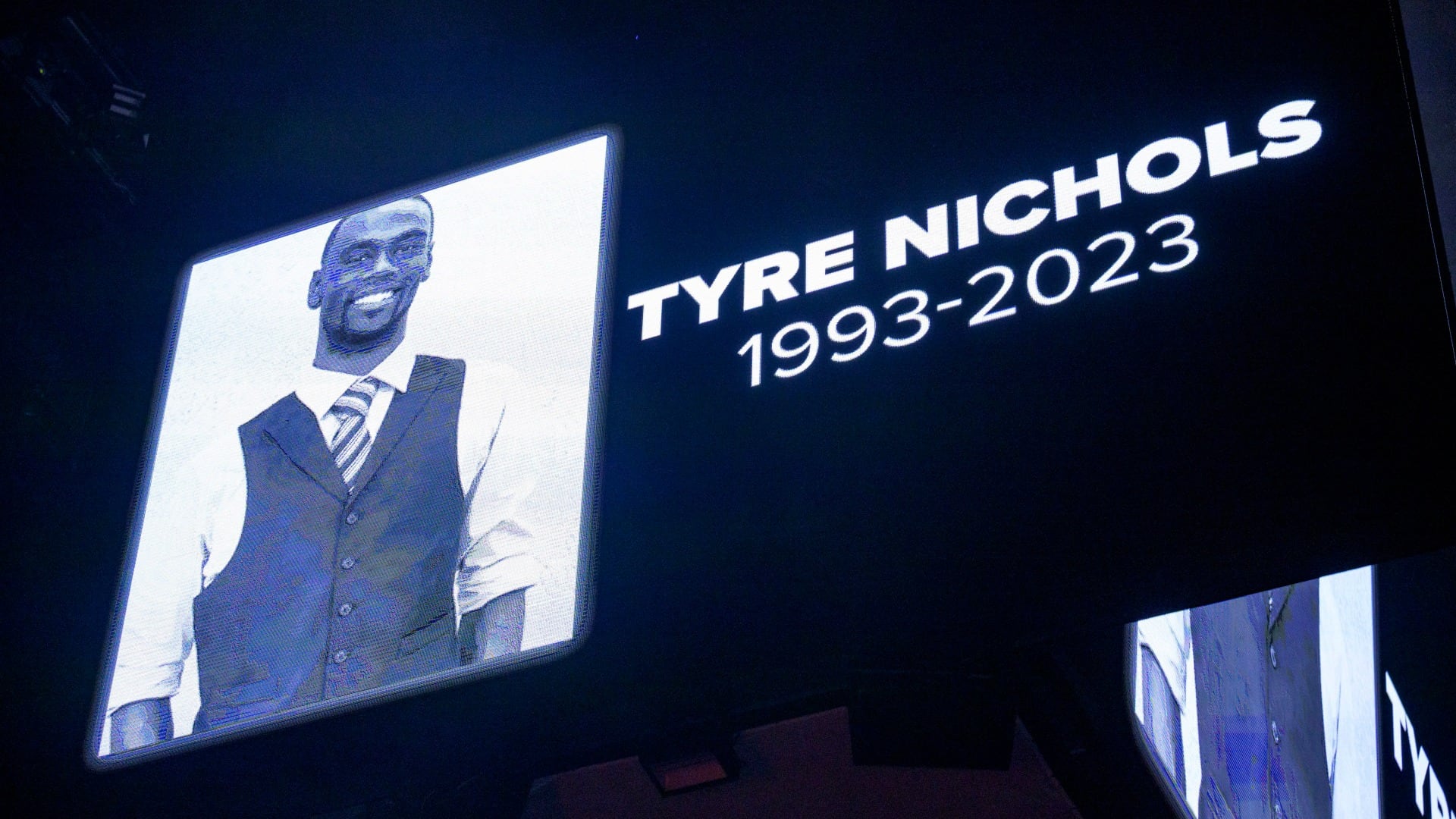
Five former Memphis police officers pleaded not guilty Friday to second-degree murder and other charges in the violent arrest and death of Tyre Nichols,
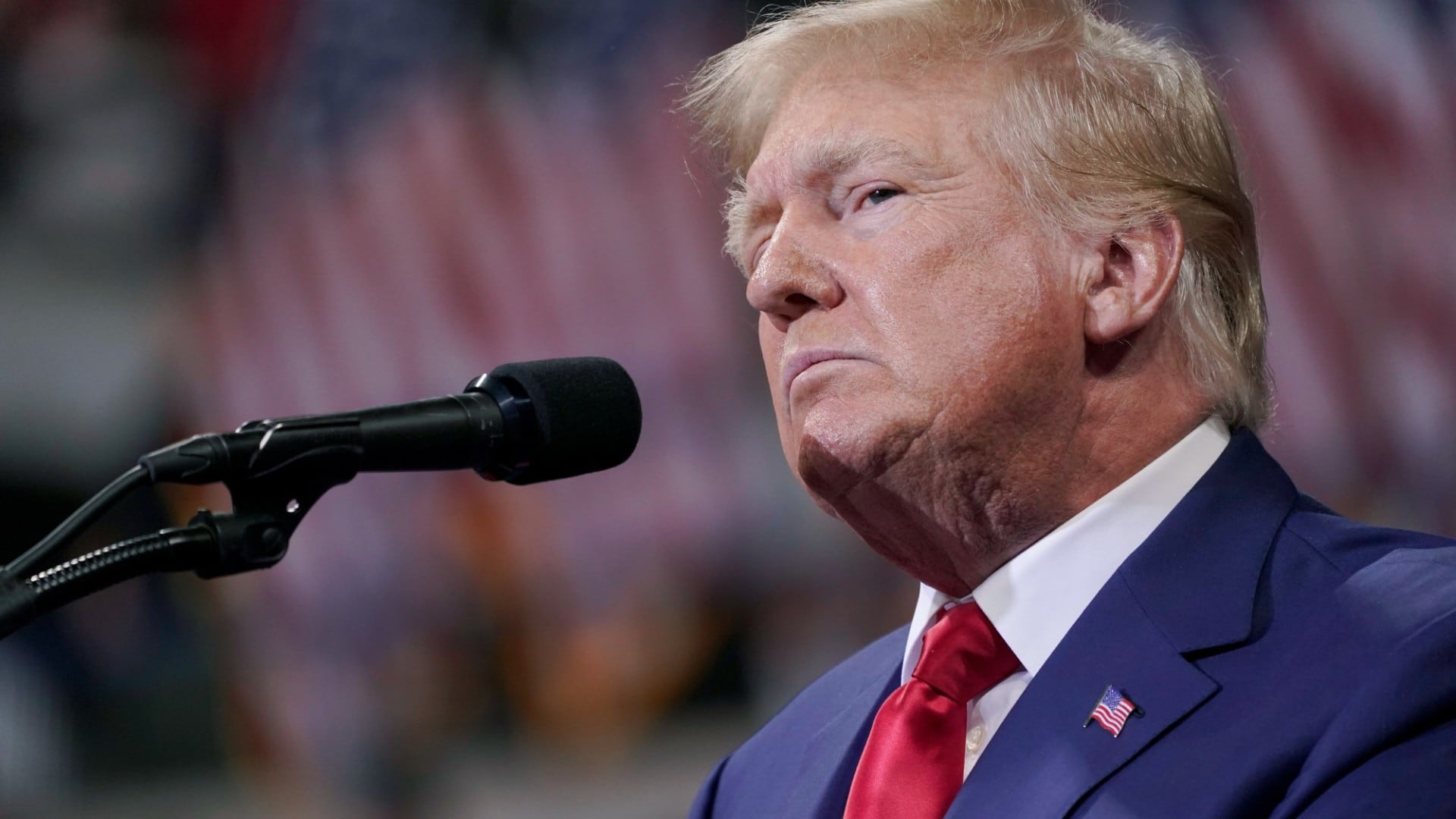
A special grand jury that investigated efforts by then-President Donald Trump and his allies to overturn his election loss in Georgia says it believes some witnesses committed perjury, and it recommends that prosecutors seek charges.
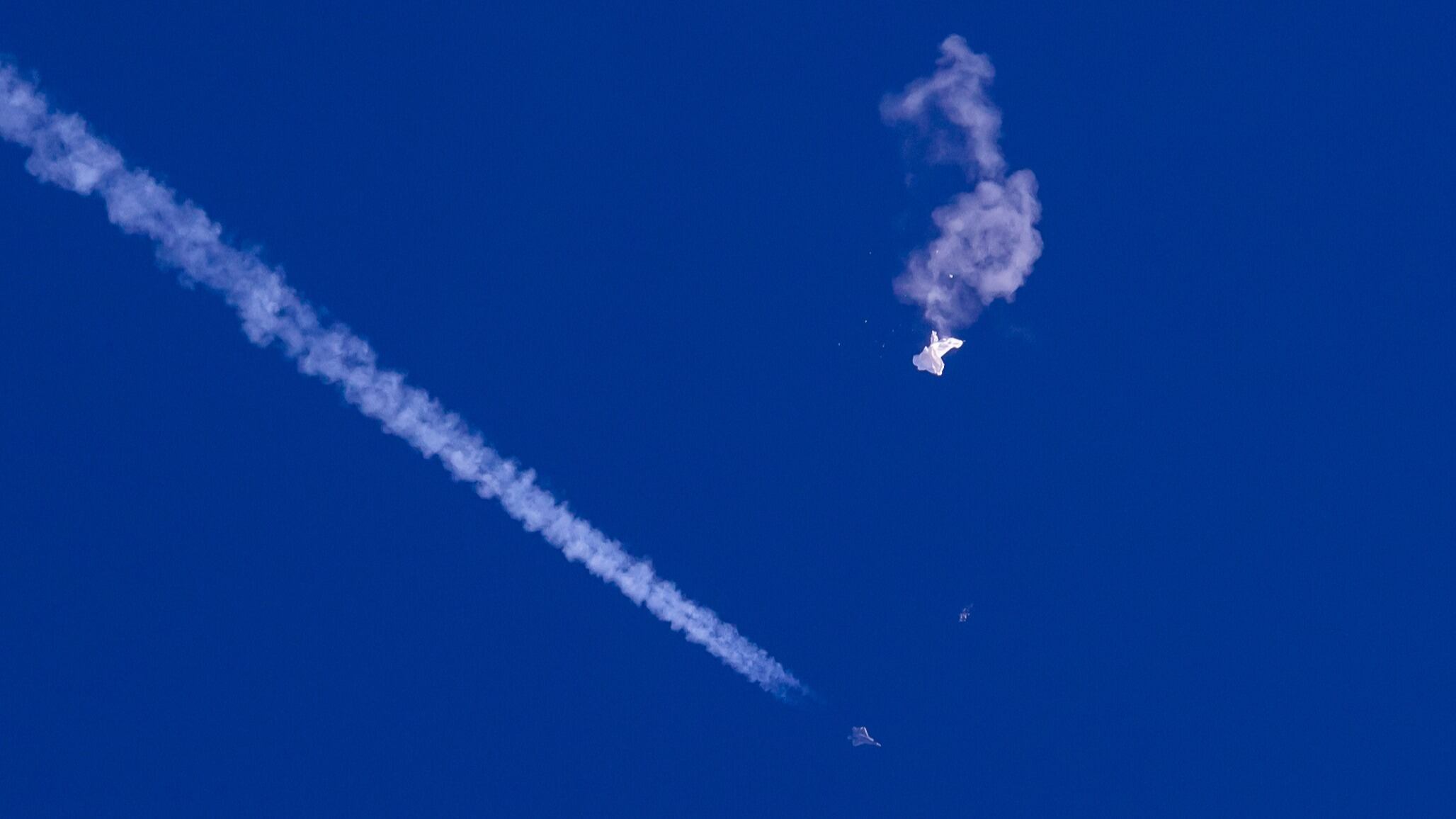
China said Wednesday it will take measures against U.S. entities related to the downing of a suspected Chinese spy balloon off the American East Coast.
A U.S. general says Russia has operationally lost the war in Ukraine, a court says federal workers are not owed COVID-19 hazard pay, and Microsoft officially shuts down Internet Explorer. Here is everything you Need2Know for Wednesday, February 15, 2023.
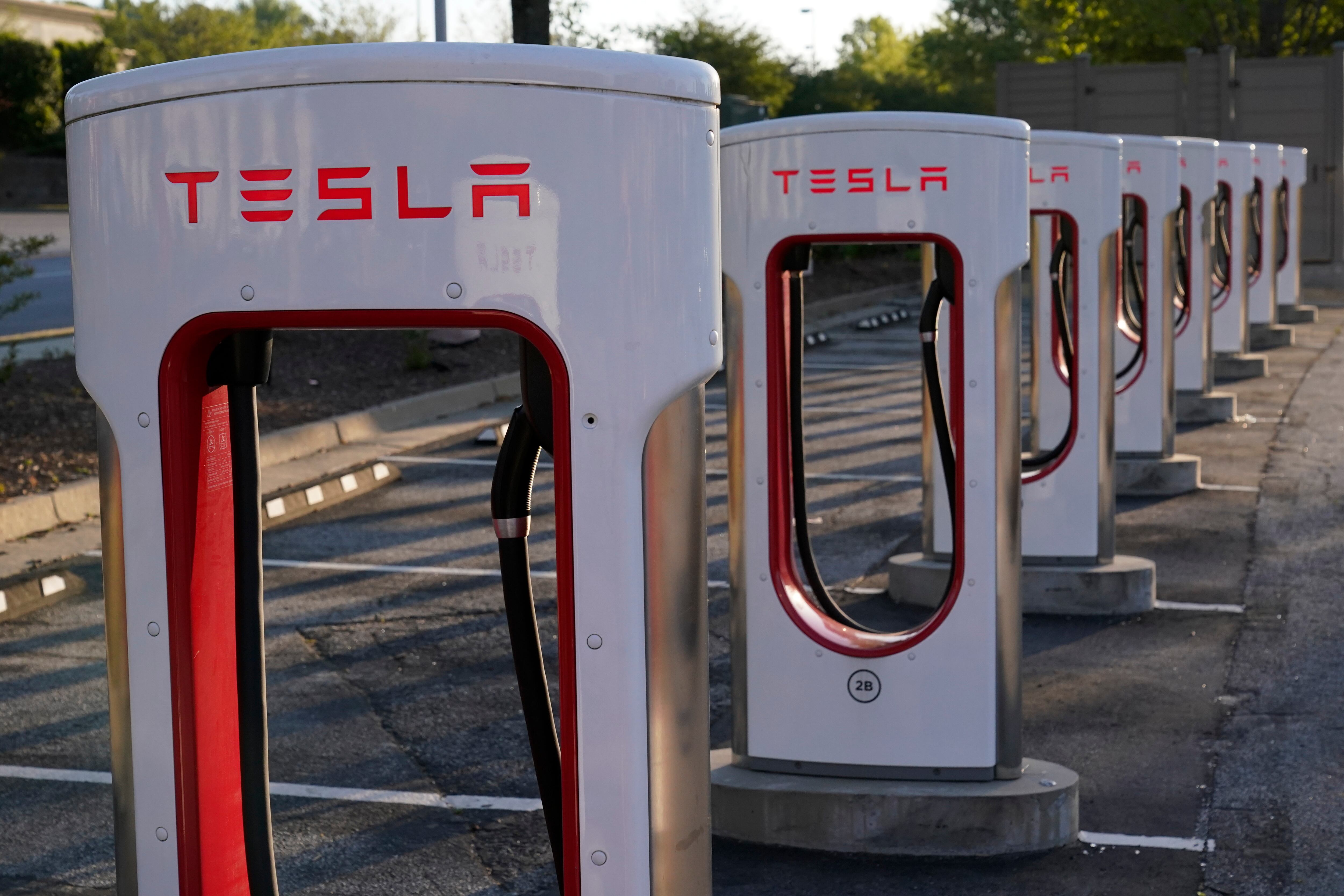
The Biden administration on Wednesday announced a new program under the Bipartisan Infrastructure Law that aims to expand the infrastructure needed to keep electric vehicles charged.