More than a third of Americans were under extreme heat advisories, watches and warnings Thursday as a blistering heat wave that's been baking the nation spread further into California, forcing residents to seek out air conditioning or find other ways to stay cool in triple-digit temperatures.

The sweltering conditions were expected to build Friday and through the weekend in Central and Southern California, where many residents should prepare for the hottest weather of the year, the National Weather Service warned. Highs in inland desert areas could top 120 degrees Fahrenheit (48.8 degrees Celsius) during the day, and remain in the 80s (above 26.6 C) overnight, offering little relief.

In the desert city of Palm Springs, many homeless people were left to contend with the heat on their own, with just 20 indoor beds at the lone overnight shelter.

John Summers, a homeless resident, climbed through a dry riverbed Thursday to seek shade at an encampment.

“I basically just use water as much as I can. And hit shade. And, you know, the mall, wherever they’ll let you in,” he said.

Roman Ruiz, the city’s homeless services coordinator, said homeless residents struggle daily just to find a place with enough shade.

“I don’t know how anyone can do it really,” he said. “I feel so bad, and yet there’s not much I can do.”

The mercury was expected to near 110 degrees (43.3 Celsius) in the city Thursday.

Elsewhere, officials prepared to repurpose public libraries, senior centers and police department lobbies as cooling centers, especially in desert areas.

The heat wave came as the California State Fair prepared to kick off Friday in Sacramento, forcing organizers to cancel planned horseracing events due to concerns for animal safety.

Forecasters said the long-duration heat wave is extremely dangerous, especially for older people, homeless residents and other vulnerable populations. The heat could persist into next week as a high pressure dome moves west from Texas.

In Las Vegas, regional health officials launched a new database Thursday to report “heat-caused” and “heat-related” deaths in the city and surrounding Clark County from April to October.

The Southern Nevada Health District said seven people have died since April 11, and a total of 152 deaths last year were determined to be heat-related. The tally includes deaths due to heat exposure or hyperthermia and cases with those reasons listed as “significant factors,” district spokesperson Jennifer Sizemore said.

Phoenix hit 110 degrees (43 Celsius) for the 14th consecutive day Thursday, putting it on track for a possible new record next week. The longest measured stretch of 110 degree-plus temperatures for the city is 18 days, recorded in 1974.

The overnight low temperature at Phoenix Sky Harbor International Airport Thursday morning was 95 degrees (35 C), which means temperatures may not be dropping far enough to allow people to recover after dark.

While there are some 200 cooling and hydration centers operated at libraries, community centers, churches and other public spaces across metro Phoenix, most close anywhere between 4 p.m. and 7 p.m., leaving people with few options for cooling off in the still-sweltering nights.

David Hondula, chief heat officer for the City of Phoenix, said some centers plan to close later over the weekend, including one downtown near a large encampment of homeless people that will stay open 24 hours.

Hondula suggested that the Federal Emergency Management Agency could play a role in the future to help keep cooling centers open longer.

“We’d certainly be interested to have that conversation," he said.

Meanwhile in California, cooling centers in and around Sacramento planned to offer some extended evening hours. In the small Central Valley city of Galt, about 25 miles (40 kilometers) south of the state capital, the police department planned to open its air-conditioned lobby between 2 p.m. and 10 p.m. from Friday until Monday.

“We want to make sure that anybody who does not have the ability to find appropriate shelter, that they can have a place to go to keep themselves in a safe and cool environment,” Lt. John Rocha said.

The same lobby served as a warming center during California’s unusually wet, cold and snowy winter, demonstrating the weather whiplash the state has experienced this year.

Employers were reminded to adhere to regulations that require outdoor workers are given water, shade and regular breaks to cool off. The state will be performing spot checks at work sites to make sure the rules are being followed, said Jeff Killip with California's Division of Occupational Safety & Health.

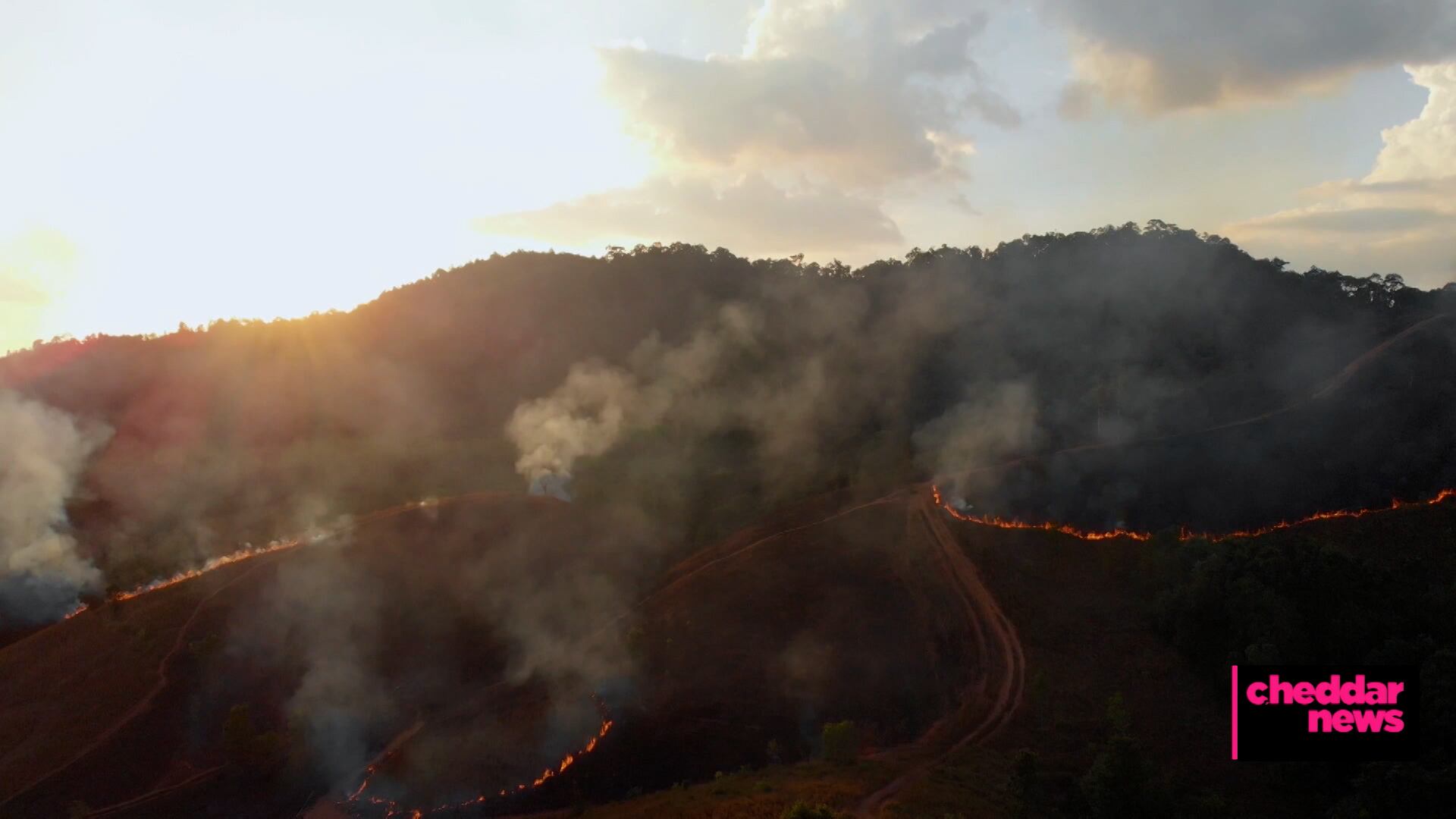
Meanwhile the wildfire season is ramping up amid the hot, dry conditions with a series of blazes erupting across the state this week, Wade Crowfoot, secretary of the Natural Resources Agency, said at a media briefing this week.

Global climate change is “supercharging” heat waves, Crowfoot added. California has instituted a $400 million extreme heat action plan to protect workers, help vulnerable communities and assist local communities in opening cooling centers.

People looking to cool down in California's many rivers should be wary, UCLA climate scientist Daniel Swain said, noting that waterways swollen from the epic Sierra Nevada snowpack remain dangerous as there is still snow left to melt.

“Be aware that the water will still be icy cold despite how hot the air will be and could be flowing very fast, much faster than usual for mid-July,” he said.

Share:
More In Science
New Study Shows Chatbots Help Prevent Eating Disorders
Ellen Fitzsimmons-Craft, assistant professor of psychiatry at Washington University School of Medicine, joins Cheddar News to discuss how chatbots can help prevent eating disorders and the research that uncovered these findings.
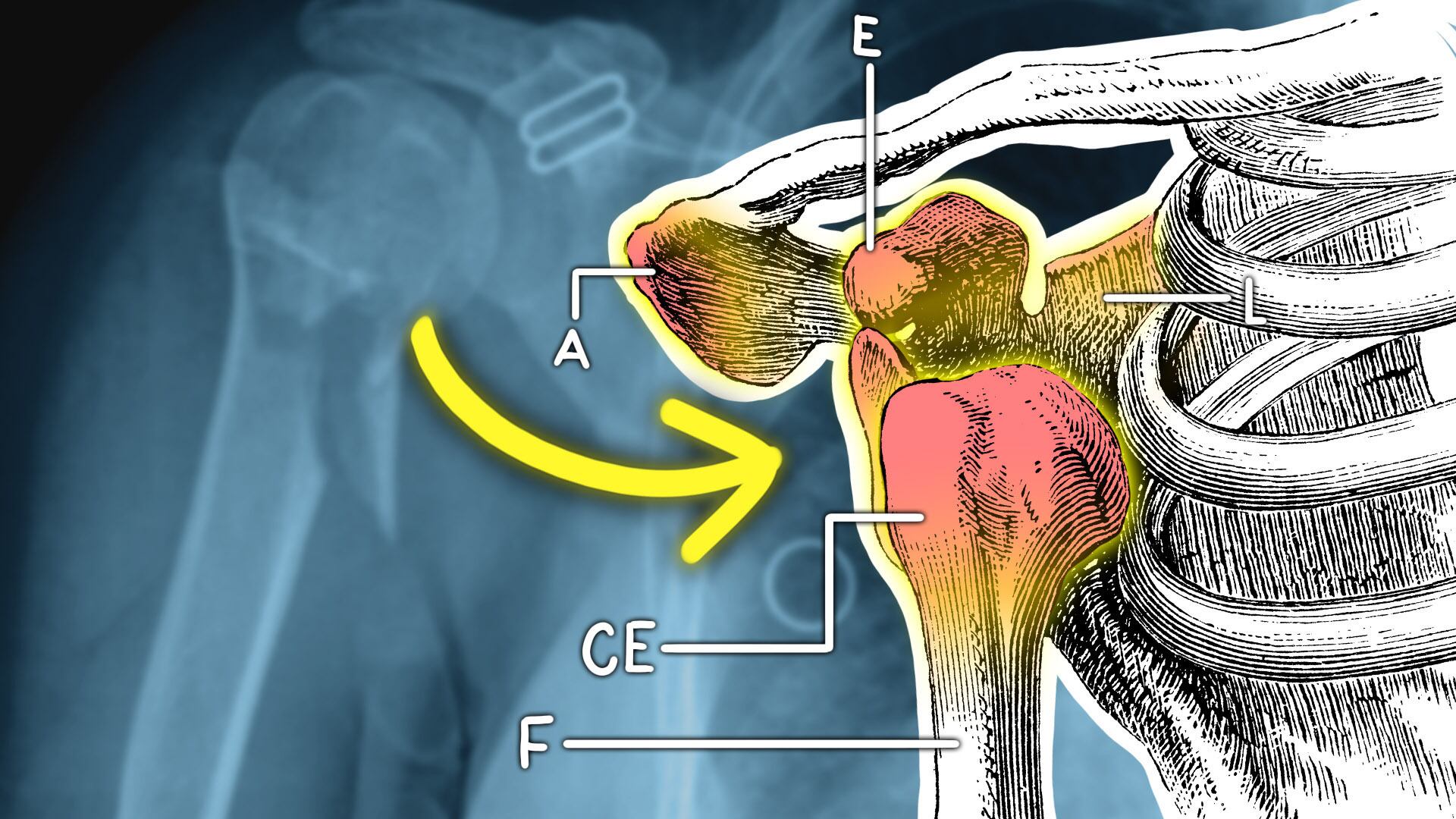
Why The Human Shoulder Is A Design Disaster
Shoulder injuries are one of the most common orthopedic injuries – and they're also one of the most commonly ignored. But chimpanzees, with whom we share nearly 99% of our DNA, don’t encounter the same issues we do. So why are human shoulders such a design disaster? Well, we can trace the answer back to a very particular moment in our evolution.
Nurses Call For Protection For HealthCare Workers
As the Omicron variant continues to sweep across the country. The US Supreme Court is expected to hear arguments at the end of this week on whether or not the Biden administration can force private companies to vaccinate or test millions of their employees. In addition, the National Nurses United has spearheaded legal action to protect nurses and health care workers, patients, and the public while on the job. President of the National Nurses Union, Zenei Cortez, joined Cheddar to discuss more.
Pear Therapeutics CEO on How Its Apps Work for Conditions Like Addiction
Digital medical care provider Pear Therapeutics rang the closing bell on the Nasdaq Friday and President and CEO Dr. Corey McCann, joined Cheddar to talk about how the company plans to grow the business of software-based therapeutics and how the first FDA authorized prescription digital therapeutics company will go about treating illnesses like insomnia and addiction. "These really are pieces of software. In many cases, they're apps and in the cases of our addiction products, these are based on something called cognitive behavioral therapy or CBT," he said. "These products change the patient's brain circuitry to help them be abstinent, to help them stay in treatment, and that's exactly what we see in randomized clinical trials and that's what we see in the real world." He also addressed the ongoing mental health crises brought on by the pandemic. **copy updated to remove IPO information as Pear Therapeutics went public in December**
Virgin Orbit Goes Public One Week Before 'Above the Clouds' Space Mission
Satellite launch service Virgin Orbit has gone public on the Nasdaq via a SPAC merger with NextGen Acquisitions with a valuation of about $3.2 billion. CEO Dan Hart joined Cheddar's "Between Bells" from in front of his LauncherOne rocket in New York City's Times Square to talk about what's next after the IPO, an upcoming "Above the Clouds" mission to deliver commercial and national security payloads, and the benefits of their rockets being launched from commercial 747 aircraft. "We can launch anywhere in the world," he said. "There are almost 80 space agencies across the world, for instance, and about 10 of them have space launch. We can give them a space flight capability overnight by taking a runway and turning it into a spaceport."
Cheddar Climate: The Fight for Change 2021 Year-End Special
The year 2021 saw numerous natural disasters around the world, including extreme heat and wildfires, rare deep freezes, and historic flooding. This year's United Nations COP26 conference was key for getting world leaders on board with emissions reductions and other climate-focused policies as the UN Secretary-General said the agency's report on global warming is a 'code red for humanity.' In the U.S., President Joe Biden has focused most of his domestic agenda on slashing emissions and building climate-focused infrastructure. Guests from The Economist, UNC-Chapel Hill, Global Rescue, and more join Cheddar Climate's year-end special to discuss how the climate changed in 2021, and what to expect in 2022.
Little Otter Raises $22 Million Series A to Combat the Children's Mental Health Crisis
Digital mental health company Little Otter recently announced it closed a $22 million Series A round. Little Otter was founded in 2020 by a mother-daughter team, which based the company on the idea that a child's mental health can only be addressed by treating the whole family through technology available to everyone. Little Otter CEO and co-founder Rebecca Egger and her mother, Little Otter Chief Medical and Scientific Officer and co-founder Dr. Helen Egger joined Cheddar News' Closing Bell to discuss.
The Truth About "Rising" Male Infertility
Among all the other events of the last few years, you may have missed this one: Spermageddon. This is the fun name for the idea that sperm counts among mainly ‘Western’ men are in freefall. The Spermageddon hype began with the publication of a 2017 study showing a nearly 60% drop in overall sperm counts in men living in North America, Europe, Australia, and New Zealand. But four years later, it seems that Spermageddon has been overblown. By a lot. And all that hype has obscured the real issue behind declining male fertility.
How Covid-19 Has Changed Our Mental Health World; Wellness Trends to Watch in 2022
Covid-19 has changed the way we view wellness. Jillian Hughes, communications director of Mental Health America, joins Cheddar News to discuss breaking the stigma around mental health. Justin Davis, CEO and co-founder of Spectrum Labs, weighs in on how social media impacts our wellbeing. Lastly, Precision Nutrition CEO Timothy Jones advices us on what trends to watch in 2022.
Load More