If you've ever used an at-home genetic test, there is a chance your information is not as protected as you think it is. This week, California State Senator Tom Umberg introduced legislation to regulate the sharing of specimens collected through DNA analysis.
"What consumers don't know is the recipient of the specimen, those doing the analysis, may provide that to other entities," Umberg told Cheddar Friday. He said the new legislation will protect consumers and provide them the opportunity to make their own decisions about their data.
Illinois and New York have similar laws on the books. Illinois at the start of 2020 expanded protections for users of genetic testing kits like 23andMe and Ancestry.com
One of the concerns around the sharing of genetic testing is the disclosure of information that may have "health implications and insurance implications and maybe even employment implications," Umberg said. Tests can reveal a predisposition to a disease, information that, if sold to an entity like an insurance company, may affect the user beyond simply taking a test.
He said he became more concerned after the Department of Defense warned personnel not to use home DNA tests.
"If it's affecting national defense, I think consumers should know what's what that information is being used for," the legislator and retired U.S. Army colonel said.
The legislation Umberg introduced, California Senate Bill 980, provides for users to opt-in to letting companies pass on their information to third parties, like if the company offers some kind of compensation.
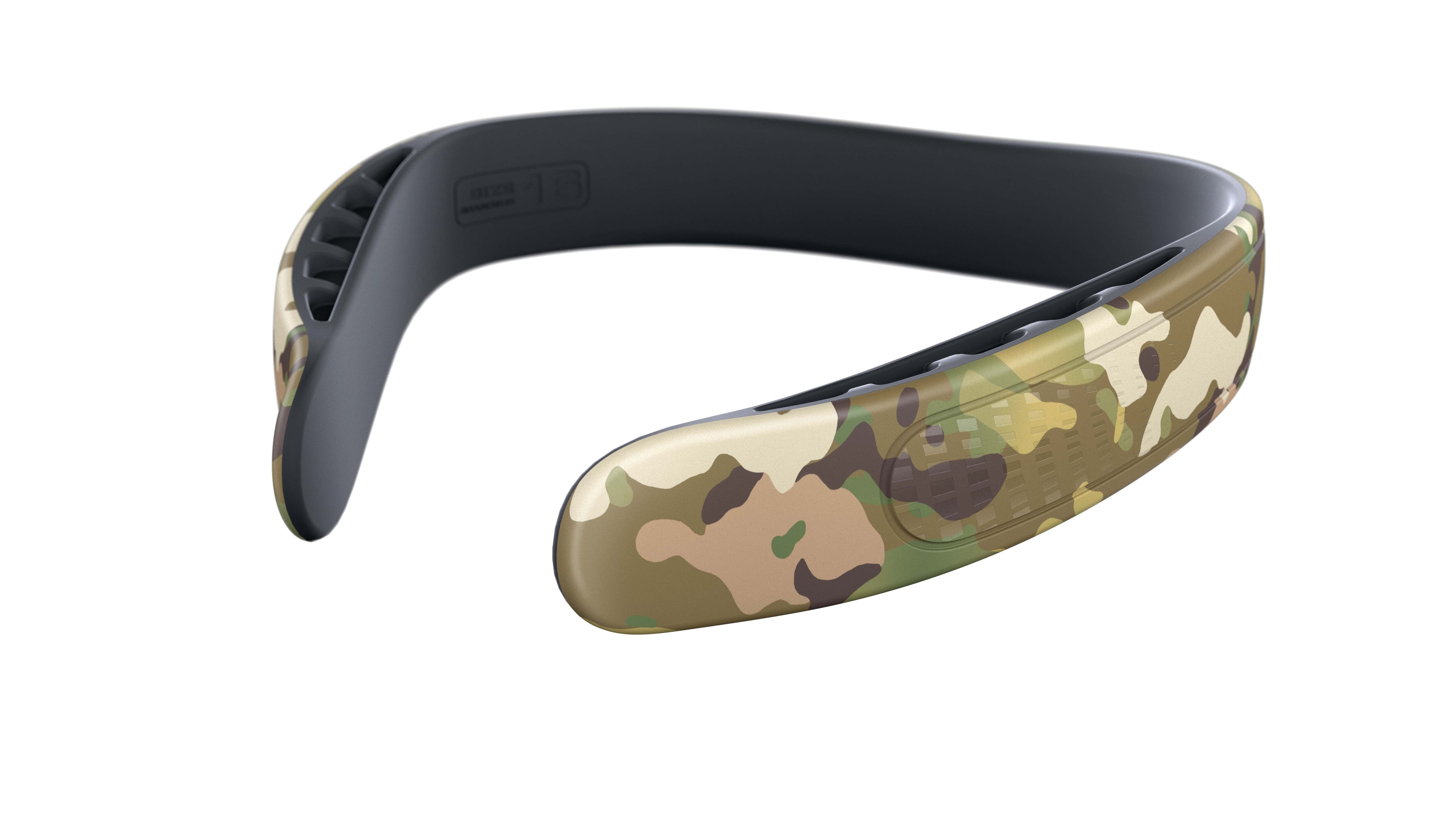
The Q-Collar helps protect athletes from impact-related concussions. Now, the U.S. Army is evaluating if the device could help reduce traumatic brain injury cased by blast weapons.
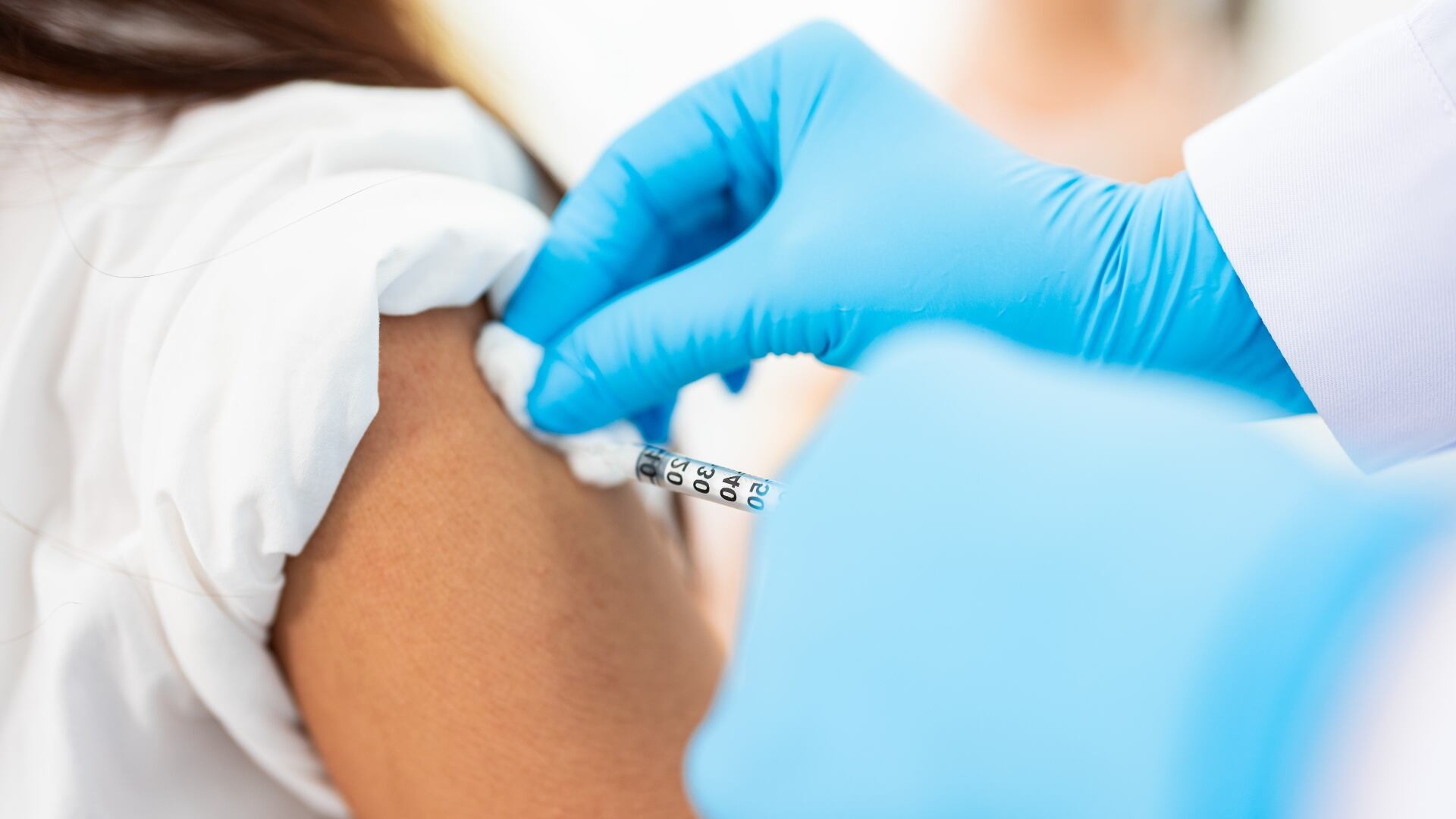
Co-founder and executive chairman of the board at Vaxxinity Lou Reese shares how the company is working to bring vaccines for chronic illnesses like heart disease and Parkinson’s to market with an eye for accessibility.
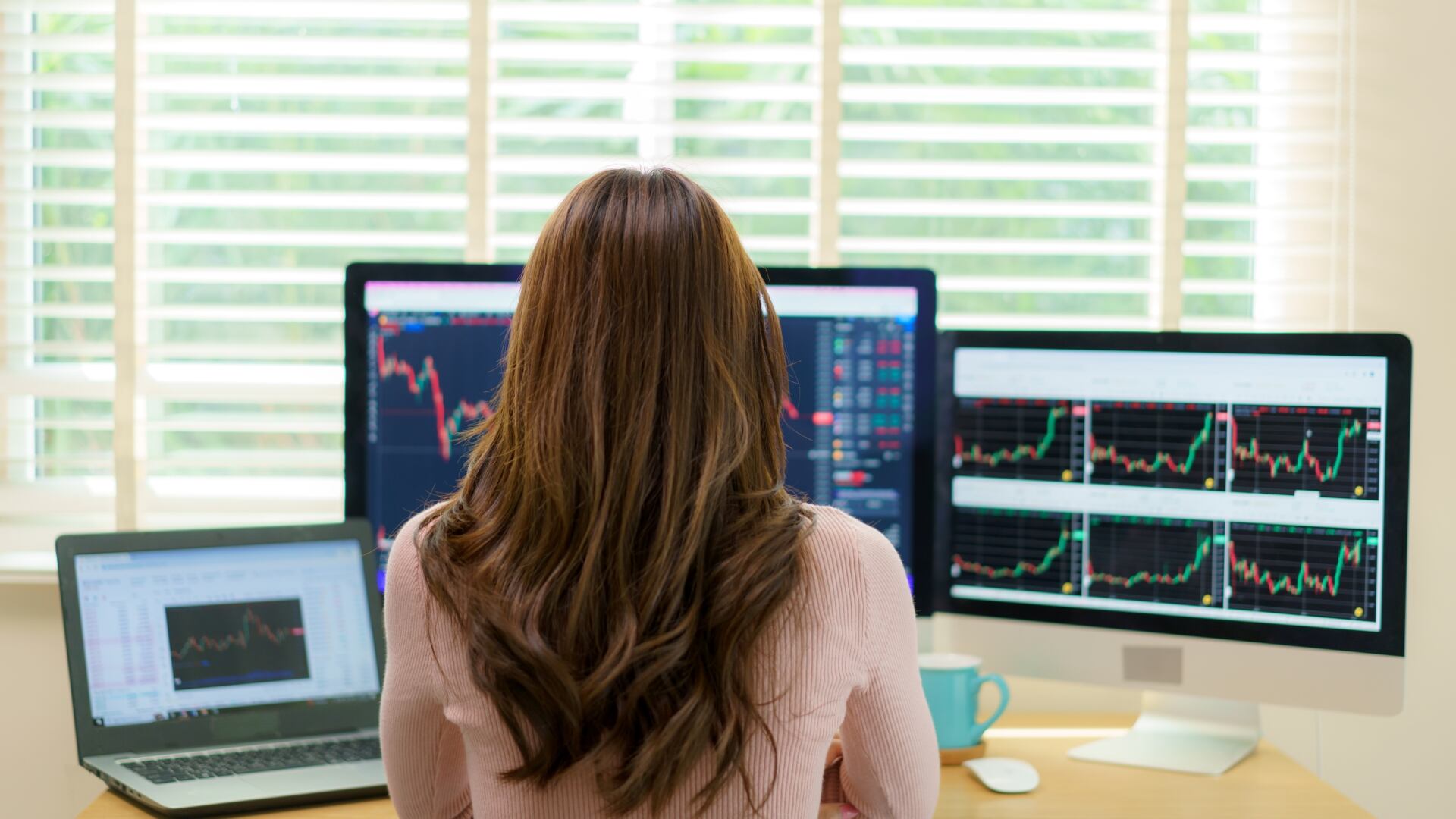
Mario Veneroso, Kingsview Asset Management Partner, weighs in on the latest economic data and whether the market is pricing in too many rate cuts for the coming year.
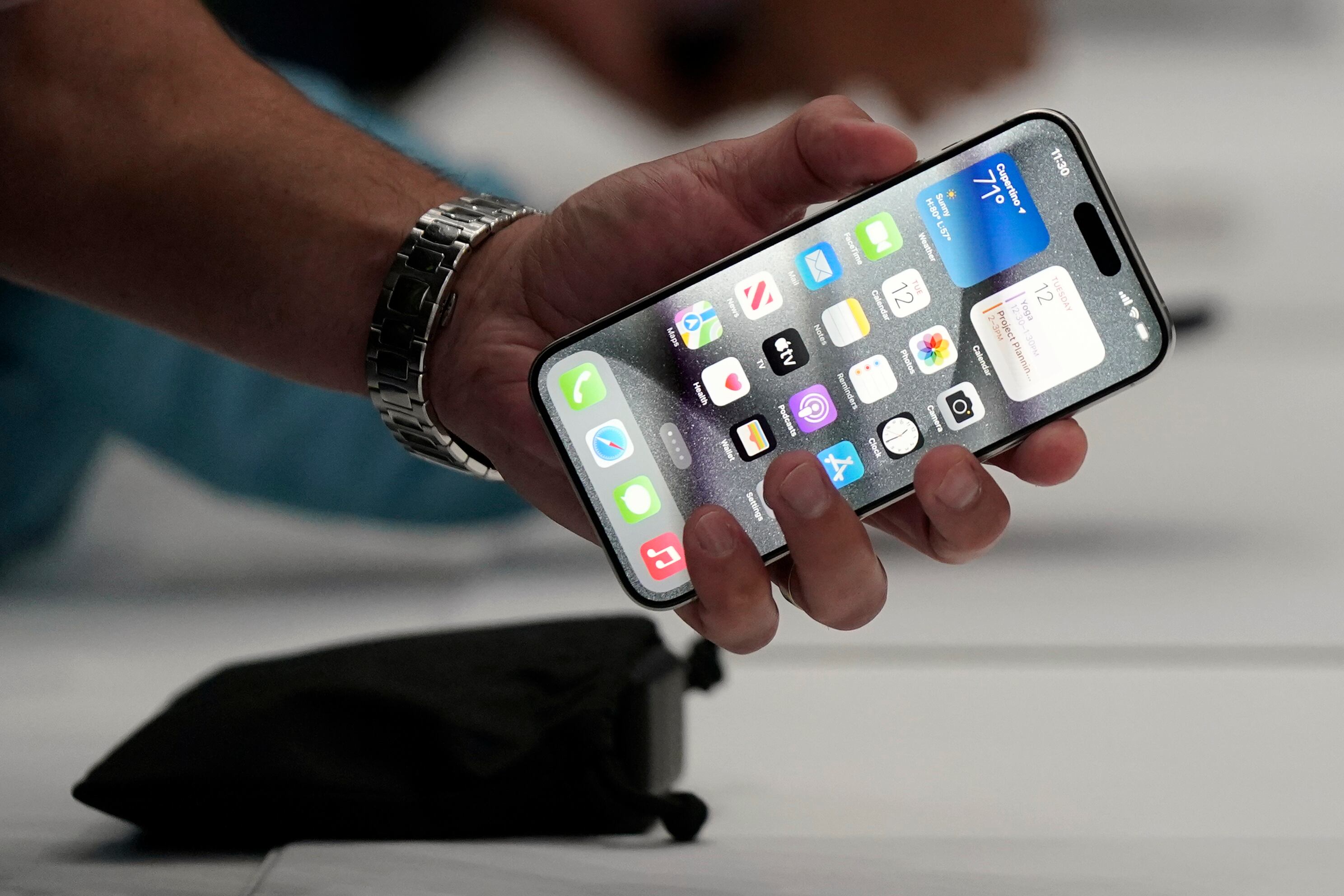
Apple has rolled out an update to its operating system this week with a feature called Stolen Device Protection. It makes it a lot harder for phone thieves to access key functions and settings, and users are being urged to turn it on immediately.
The U.S. economy grew at an unexpectedly brisk 3.3% annual pace from October through December as Americans showed a continued willingness to spend freely despite high interest rates and frustrating price levels.
Alan Becker, CEO and Investment Adviser Representative at Retirement Solutions Group and RSG Investments, shares his thoughts on the latest GDP data plus why he's not sold cryptocurrency as a long-term asset.