If you've ever used an at-home genetic test, there is a chance your information is not as protected as you think it is. This week, California State Senator Tom Umberg introduced legislation to regulate the sharing of specimens collected through DNA analysis.
"What consumers don't know is the recipient of the specimen, those doing the analysis, may provide that to other entities," Umberg told Cheddar Friday. He said the new legislation will protect consumers and provide them the opportunity to make their own decisions about their data.
Illinois and New York have similar laws on the books. Illinois at the start of 2020 expanded protections for users of genetic testing kits like 23andMe and Ancestry.com
One of the concerns around the sharing of genetic testing is the disclosure of information that may have "health implications and insurance implications and maybe even employment implications," Umberg said. Tests can reveal a predisposition to a disease, information that, if sold to an entity like an insurance company, may affect the user beyond simply taking a test.
He said he became more concerned after the Department of Defense warned personnel not to use home DNA tests.
"If it's affecting national defense, I think consumers should know what's what that information is being used for," the legislator and retired U.S. Army colonel said.
The legislation Umberg introduced, California Senate Bill 980, provides for users to opt-in to letting companies pass on their information to third parties, like if the company offers some kind of compensation.
Accrue CEO and founder Michael Hershfield explains why Americans' credit card delinquencies are on the rise, advice on what can help, and the key difference between Boomers and Gen Z when it comes to money.
Senior Economist at Morning Consult Kayla Bruun shares thoughts on what to expect from the Fed's January meeting and where monetary policy is headed, as well as how consumers are faring.
Former Medtronic CEO and author of 'True North' Bill George explains the steps Boeing leadership must take to regain client and consumer trust after 737 Max 9 production was stopped.
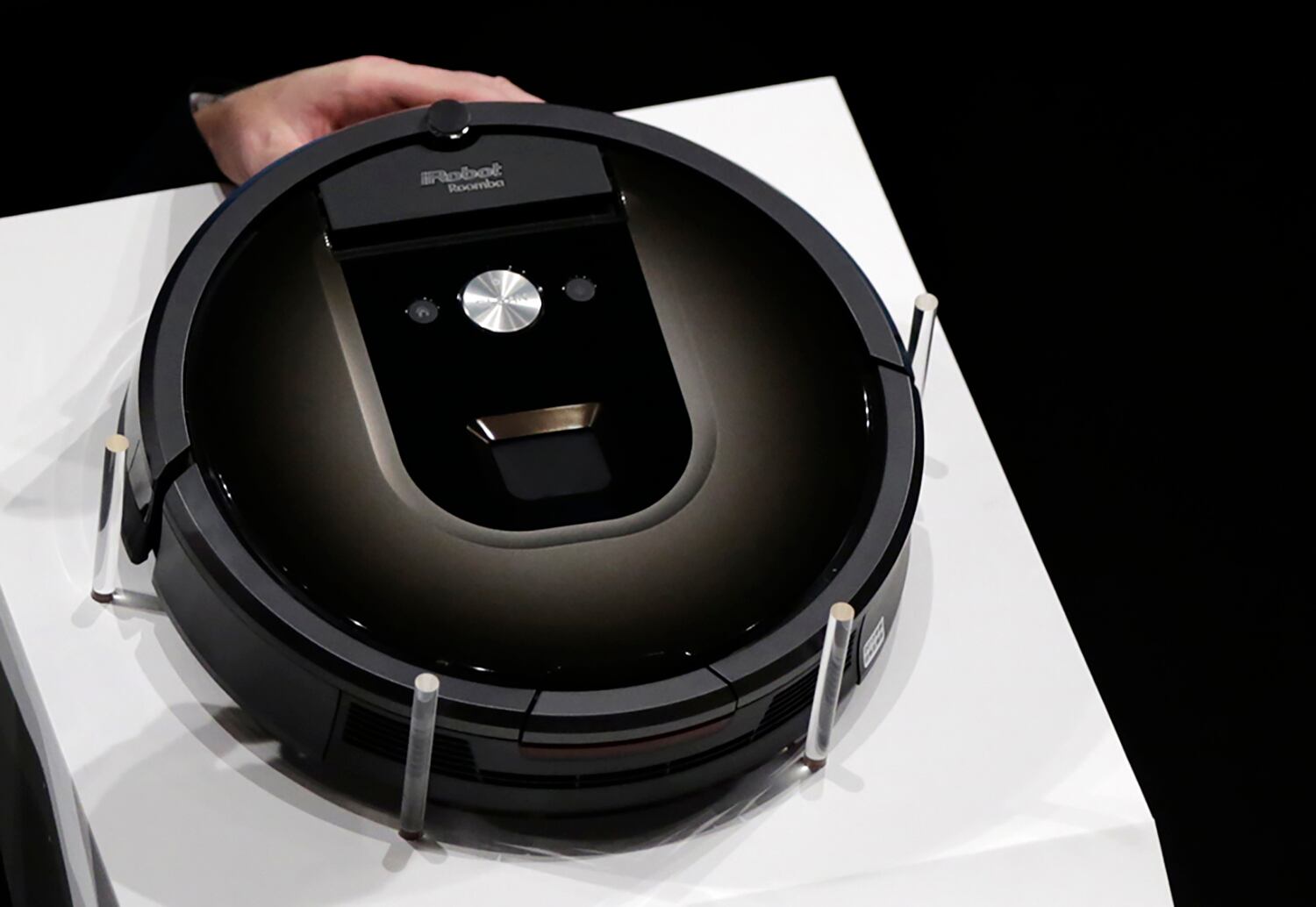
Amazon blamed "regulatory hurdles" for calling off its proposed acquisition of robot vacuum maker iRobot. Not even a Roomba could clean up the deal's antitrust scrutiny.
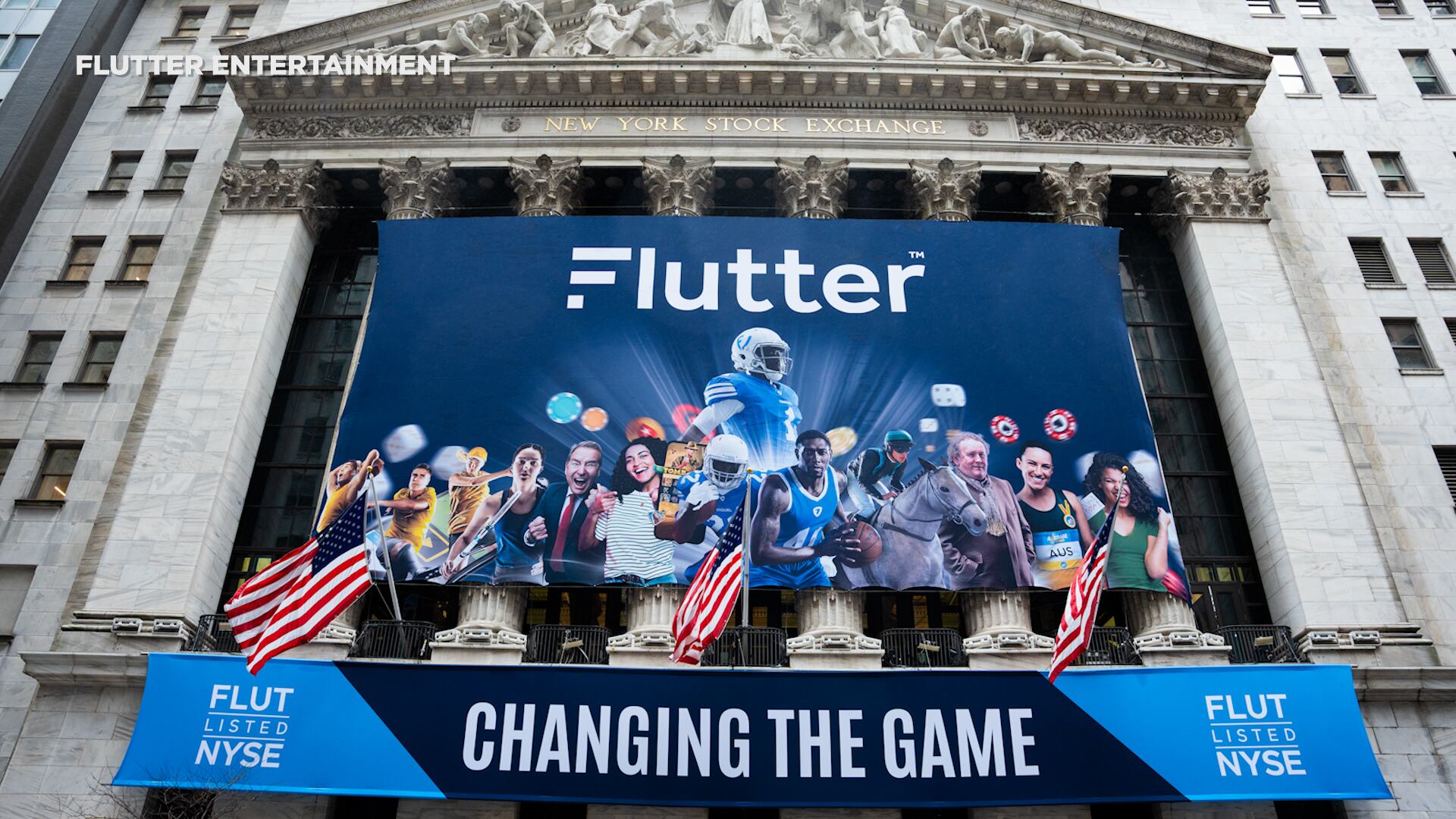
To celebrate Flutter Entertainment's debut on the NYSE, FanDuel CEO Amy Howe shares her thoughts on the company's plans for growth, the future of online sportsbetting, and Super Bowl Sunday.
Investopedia's Caleb Silver shares thoughts on the upcoming Fed meeting, why individual investors are still slightly skeptical, and what he's looking for from mega cap tech earnings.
Season's greetings! Tax season, that is. January 29 is the first day you can file your tax return. We walk you through each step — plus a checklist you can download.
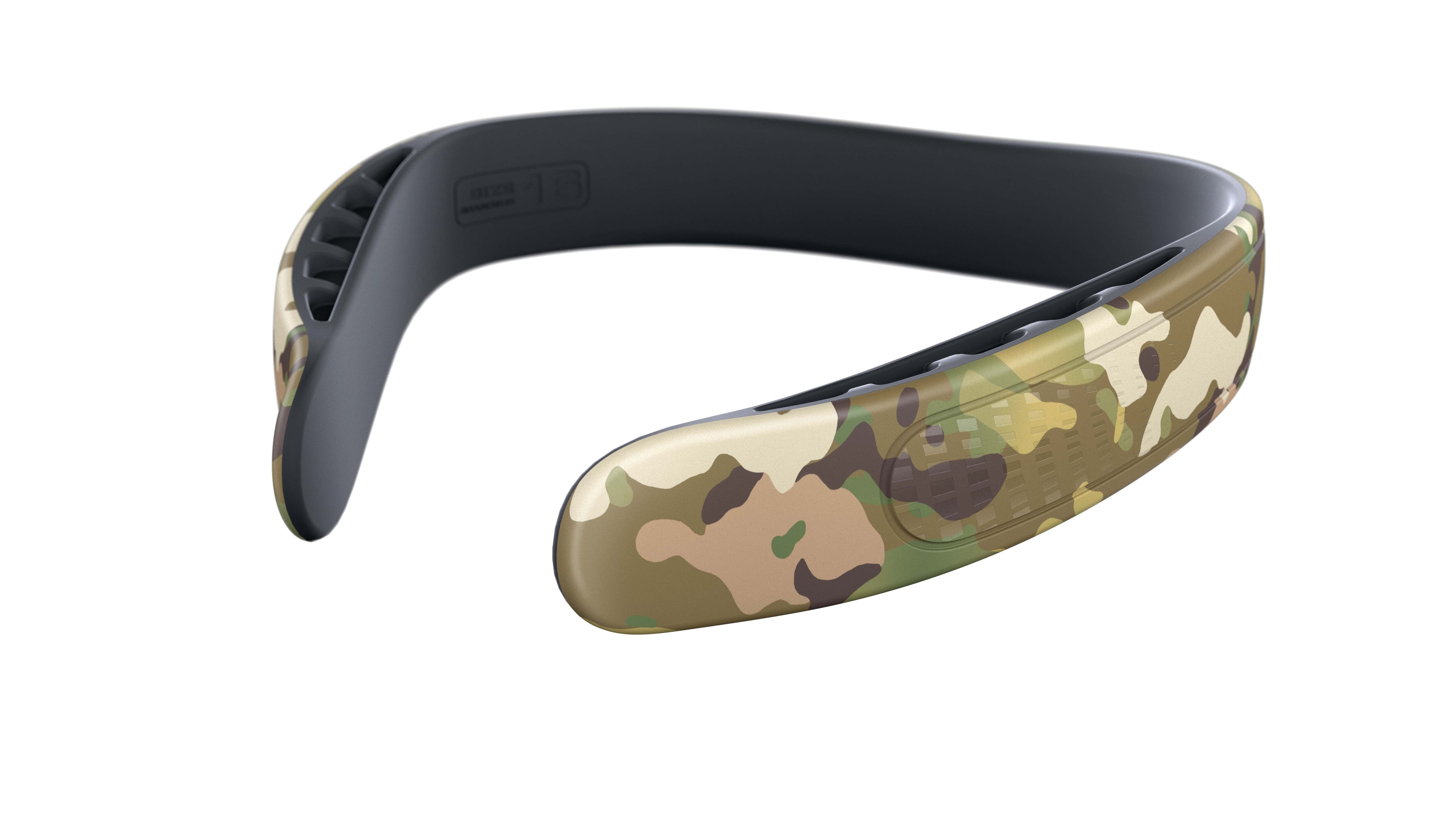
The Q-Collar helps protect athletes from impact-related concussions. Now, the U.S. Army is evaluating if the device could help reduce traumatic brain injury cased by blast weapons.