President Trump struck a more positive tone in his first ever State of the Union address to Congress Tuesday night, but did he succeed in uniting a divided Washington? Cheddar's J.D. Durkin and Baker Machado break down all the biggest moments from the president's speech.
The economy took center stage in President Trumps's speech Tuesday night. He took the opportunity to highlight newly-enacted tax reform, one of his most visible accomplishments since taking office. Trump pointed to Apple's recent decision to invest in the U.S. as an example of tax reform's success.
President Trump also laid out his immigration plan and called on Congress to pass legislation. His plan includes protection for Dreamers as well as funding to build a wall on the U.S.-Mexico border. This elicited boos from Democratic lawmakers who have been vocal critics of the border wall.
Erin Delmore, senior political correspondent at Bustle, also joined us to give her take on the president's speech. Even though Trump's last year in office has been divisive, his State of the Union address struck a unifying tone. But Delmore says it remains to be seen whether Trump's message won over skeptical voters.
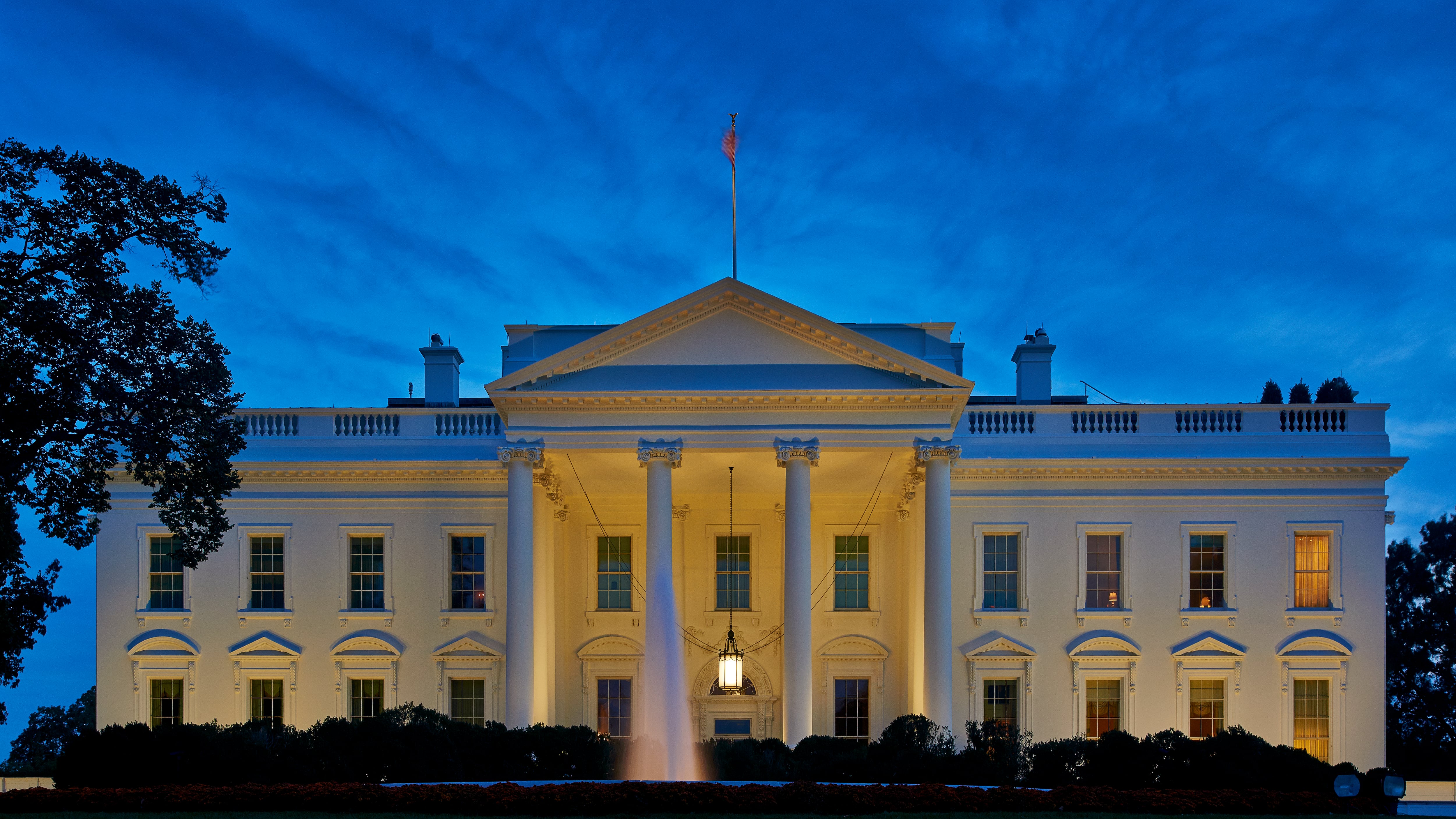
No fingerprints or DNA turned up on the baggie of cocaine found in a lobby at the White House last week despite a sophisticated FBI crime lab analysis, and surveillance footage of the area didn’t identify a suspect, according to a summary of the Secret Service investigation obtained by The Associated Press. There are no leads on who brought the drugs into the building.
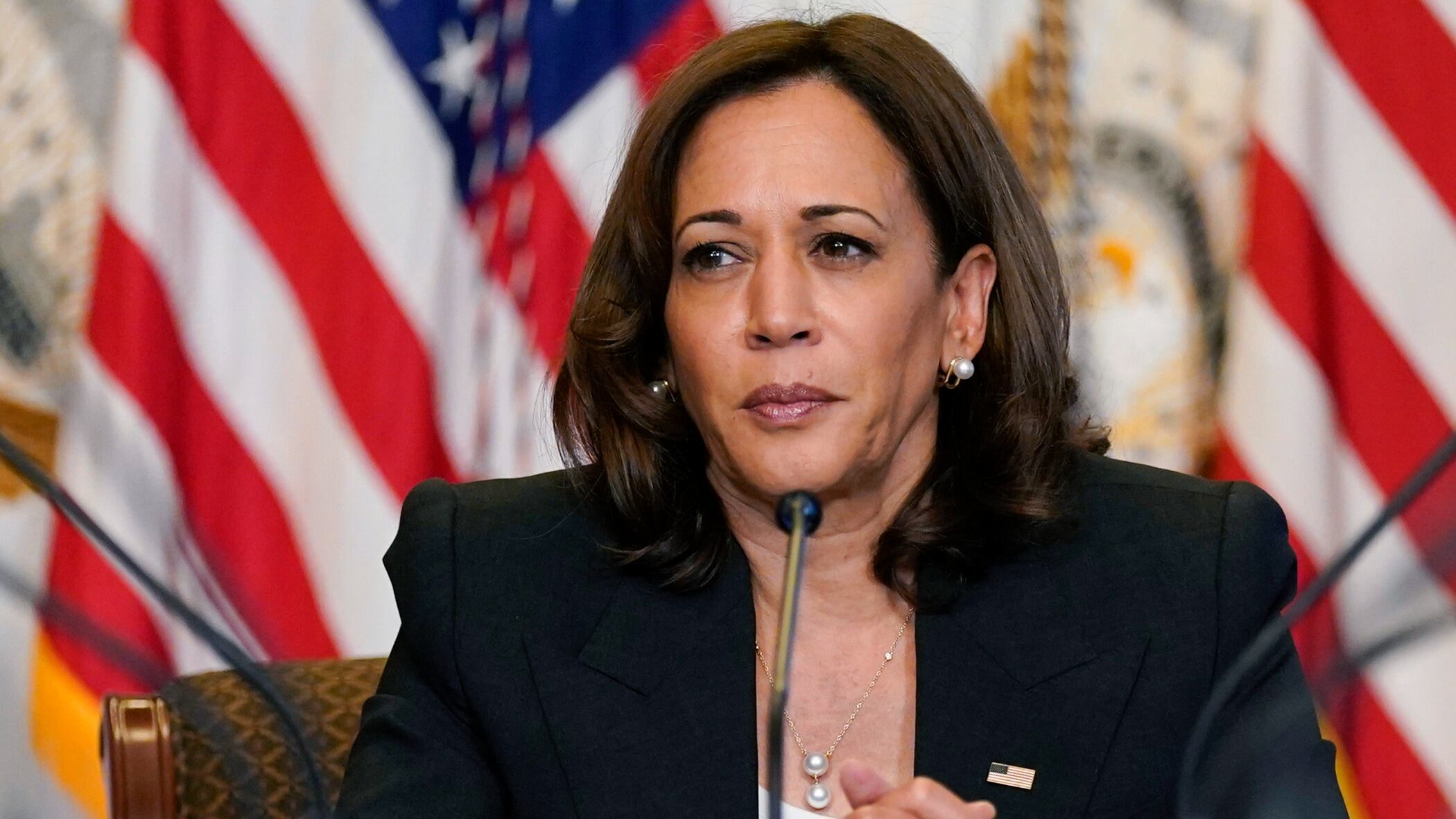
Kamala Harris, who made history as the first woman or person of color to serve as vice president, has made history again by matching the record for most tiebreaking votes in the Senate.
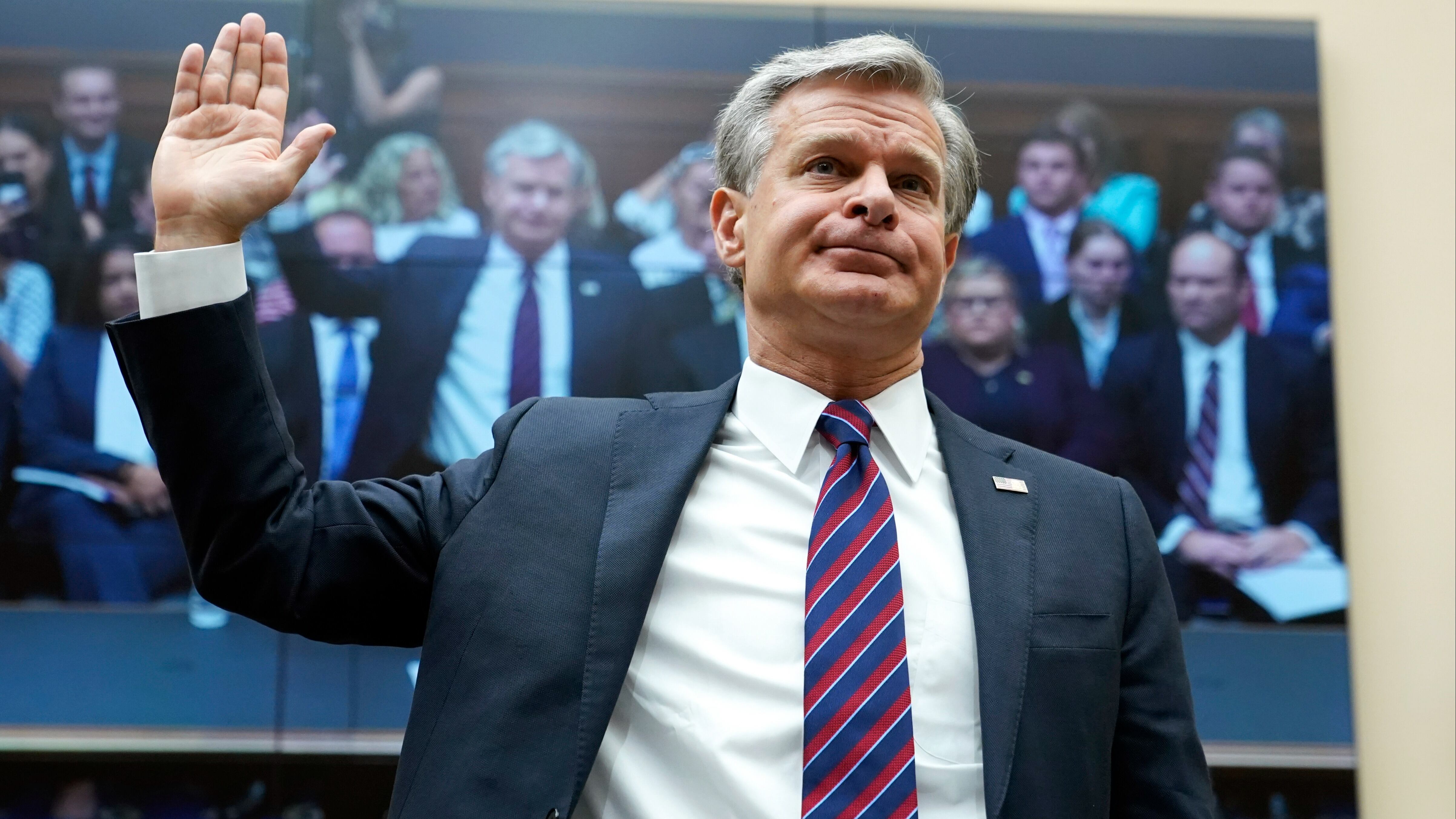
Republicans on the House Judiciary Committee accused the agency of targeting conservatives, suppressing evidence that Covid-19 came from a lab leak and abusing its surveillance powers.
The Biden administration calls it a “student loan safety net.” Opponents call it a backdoor attempt to make college free. And it could be the next battleground in the legal fight over student loan relief.
Nearly 30,000 people in Mississippi were dropped from the state's Medicaid program after an eligibility review that the government ended during the pandemic.
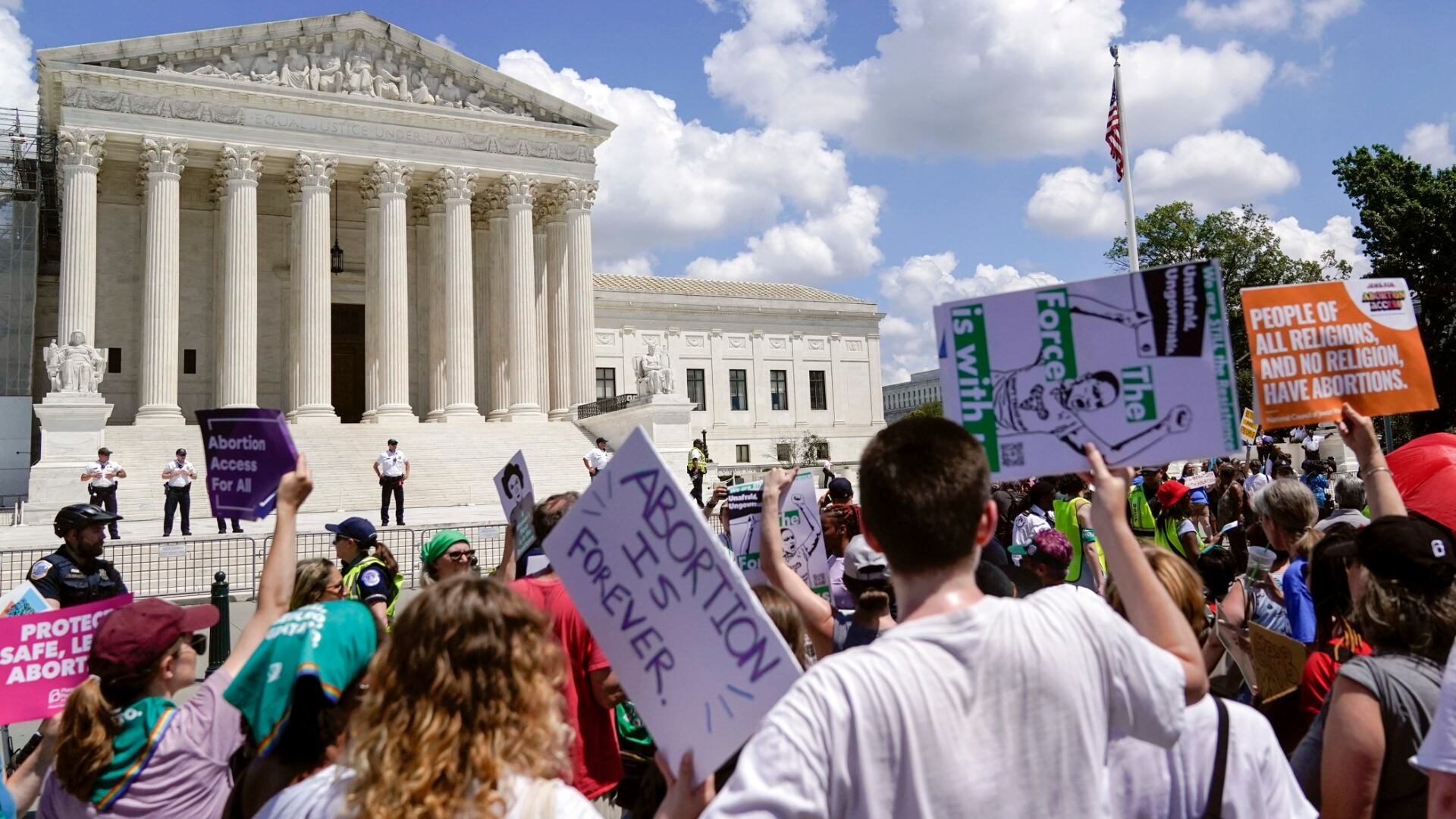
Members of a deeply conservative Amish community in Minnesota don't need to install septic systems to dispose of their “gray water,” the state Court of Appeals ruled Monday in a long-running religious freedom case that went all the way up to the U.S. Supreme Court.