Breaking Down Intel CEO's Response to Chip Debacle
Intel CEO Brian Krzanich opened his CES keynote speech addressing the chip flaw the company disclosed to the public last week. Alex Hamerstone, Practice Lead for Governance Risk Management and Compliance at TrustedSec, joins Cheddar to discuss whether he believes Intel can win back its consumer confidence.
Krzanich says he expects to issue updates to all of its processors released in the last five years before the end of January. Hamerstone says this will go a long way in solving the problem with the chips, but there are many other issues Intel needs to deal with.
This is a vulnerability that is different from we're used to seeing on the news. It allows access without a lot of restriction to machines that house the software. Intel said that the update it issued won't impact the average user, only those who are highly workload-dependent. Hamerstone, though, notes that average users do operate with a lot of workloads and that a lot more people will be impacted by the update than Intel's initial statement suggests.
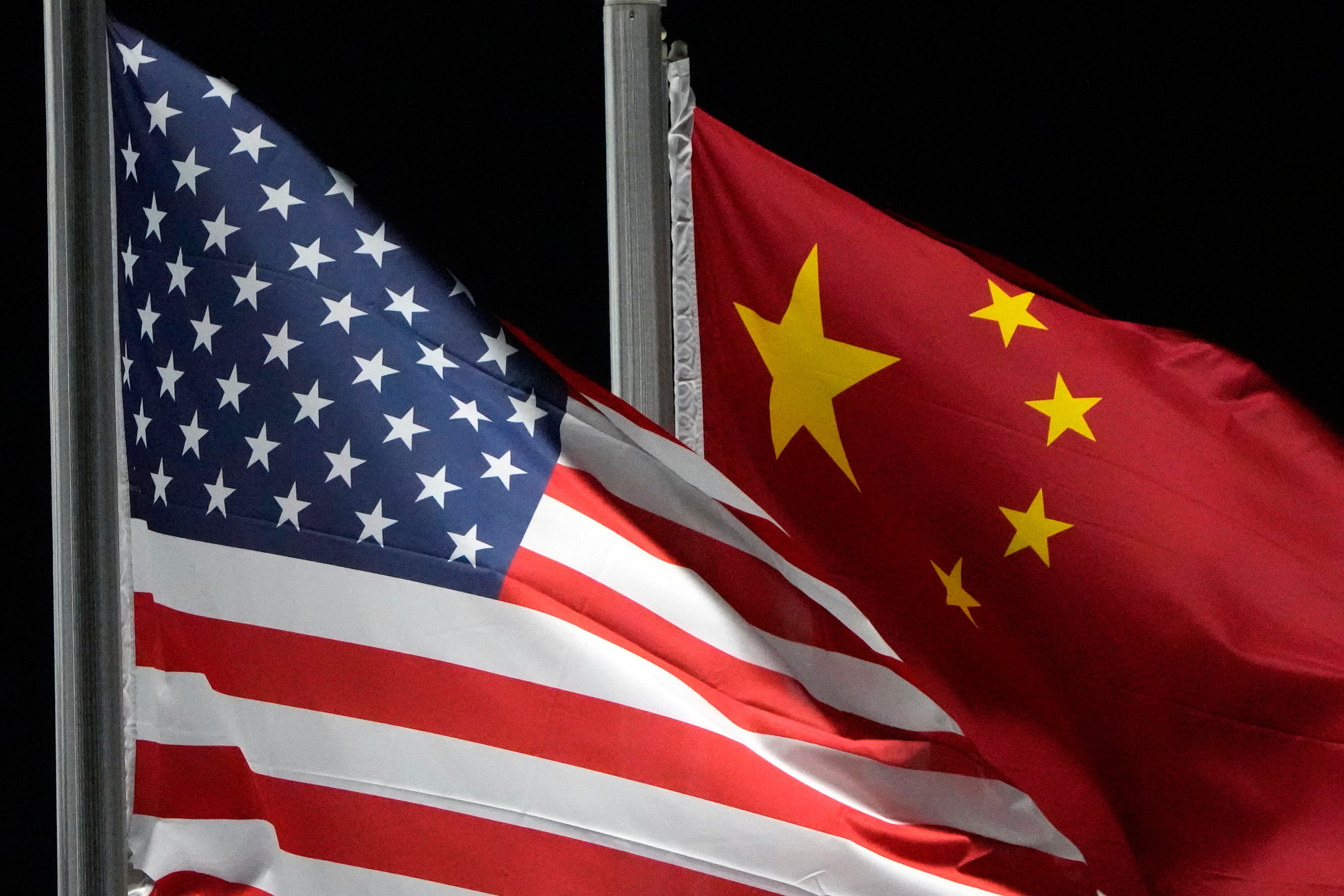
China has restricted exports of high-tech metals gallium and germanium, which are critical to making chips, in response to the U.S. blocking them from access to advanced chips.
Technology has changed the way people do everyday tasks, including grocery shopping. Cheddar News took a peek at a smarter way to shop with an AI-powered shopping cart.
Threatened by possible shortages of lithium for electric car batteries, automakers are racing to lock in supplies of the once-obscure “white gold” in a politically and environmentally fraught competition from China to Nevada to Chile.