Breaking Down Intel CEO's Response to Chip Debacle
Intel CEO Brian Krzanich opened his CES keynote speech addressing the chip flaw the company disclosed to the public last week. Alex Hamerstone, Practice Lead for Governance Risk Management and Compliance at TrustedSec, joins Cheddar to discuss whether he believes Intel can win back its consumer confidence.
Krzanich says he expects to issue updates to all of its processors released in the last five years before the end of January. Hamerstone says this will go a long way in solving the problem with the chips, but there are many other issues Intel needs to deal with.
This is a vulnerability that is different from we're used to seeing on the news. It allows access without a lot of restriction to machines that house the software. Intel said that the update it issued won't impact the average user, only those who are highly workload-dependent. Hamerstone, though, notes that average users do operate with a lot of workloads and that a lot more people will be impacted by the update than Intel's initial statement suggests.
The Biden administration and major consumer technology players on Tuesday launched an effort to put a nationwide cybersecurity certification and labeling program in place to help consumers choose smart devices that are less vulnerable to hacking.
Elon Musk says Twitter is still losing cash because advertising has dropped by half. In a reply to a tweet offering business advice, Musk tweeted Saturday, “We’re still negative cash flow, due to (about a) 50% drop in advertising revenue plus heavy debt load.”
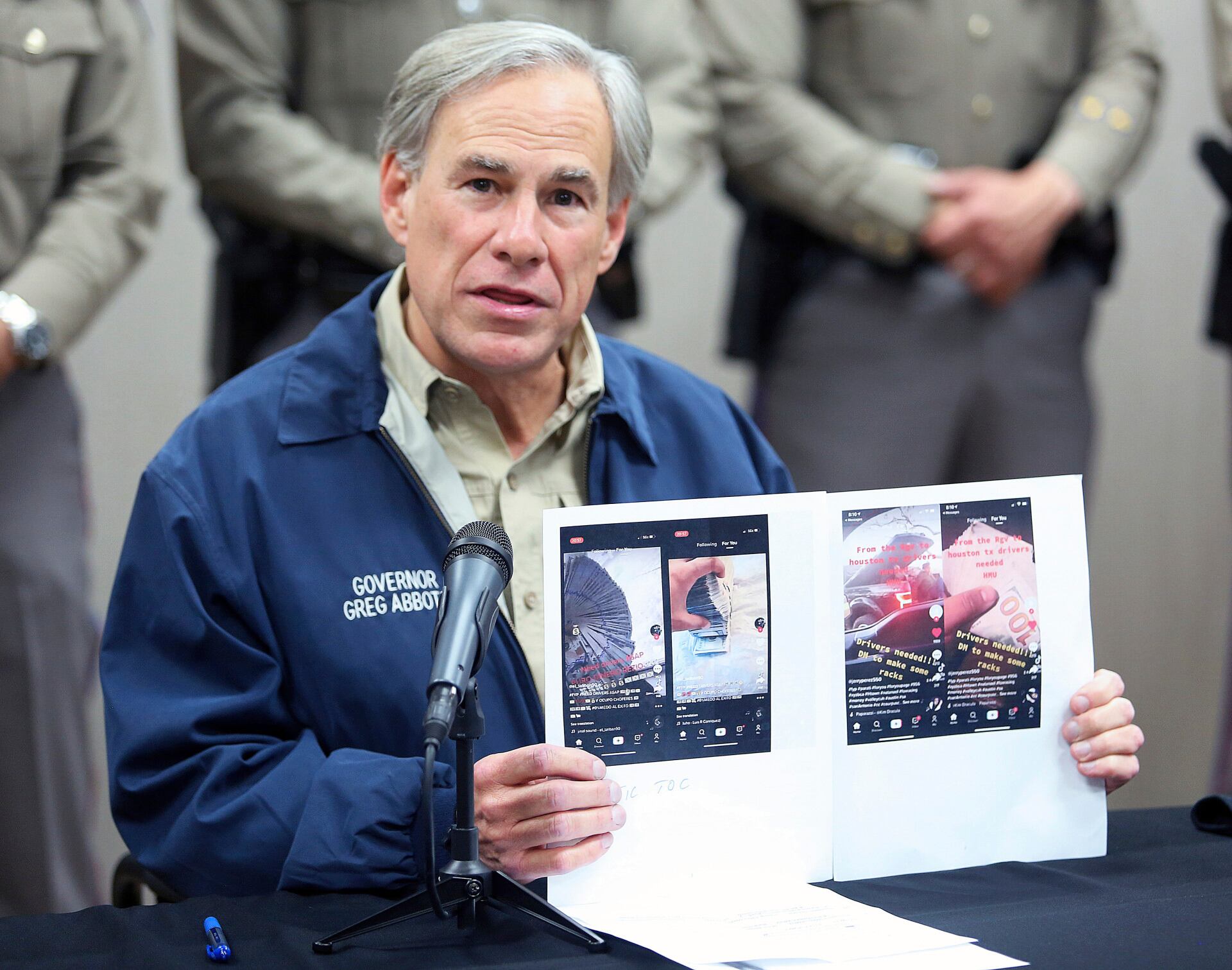
A First Amendment group sued Texas Governor Greg Abbott and others on Thursday over the state’s TikTok ban on official devices, arguing the prohibition – which extends to public universities – is unconstitutional and impedes academic freedom.
We've all heard the phrase time equals money. Well, Shopify has rolled out a meeting cost calculator in efforts to encourage people to empty their calendars of those unnecessary meetings.