*By Jacqueline Corba*
Blockparty, a ticket-selling start-up, wants to block the bots from nabbing all the good seats and prevent ticket fraud by using blockchain technology to sell concert tickets.
"There's enough people who've had fake tickets outside Madison Square Garden or other venues, and we're really trying to solve those problems, " the Blockparty co-founder and CEO Shiv Madan said Thursday in an interview with Cheddar's Crypto Craze.
Blockparty launched over Memorial Day weekend, selling tickets for the [Elements Music Festival] (http://ampthemag.com/the-real/blockparty-launches-publicly-after-ticketing-vip-events-at-elements-lakewood-music-festival/) in Lakewood, Pa. More than 7,000 people attended.
But concert-goers will have to wait before purchasing their next concert ticket on the company's mobile app. Madan said Blockparty won't sell tickets for events until later in the summer concert season.
Blockparty attaches a digital identity to a ticket, so when users buy or sell a ticket, their information is stored on the blockchain. The company's service is free for now, but Blockparty plans to introduce ticket fees based on the size of the event.
Currently users can buy tickets ー when they're available ー with fiat, but Blockparty plans to eventually accept cryptocurrencies too.
For the full interview, [click here](https://cheddar.com/videos/how-blockparty-is-applying-blockchain-to-concert-tix).
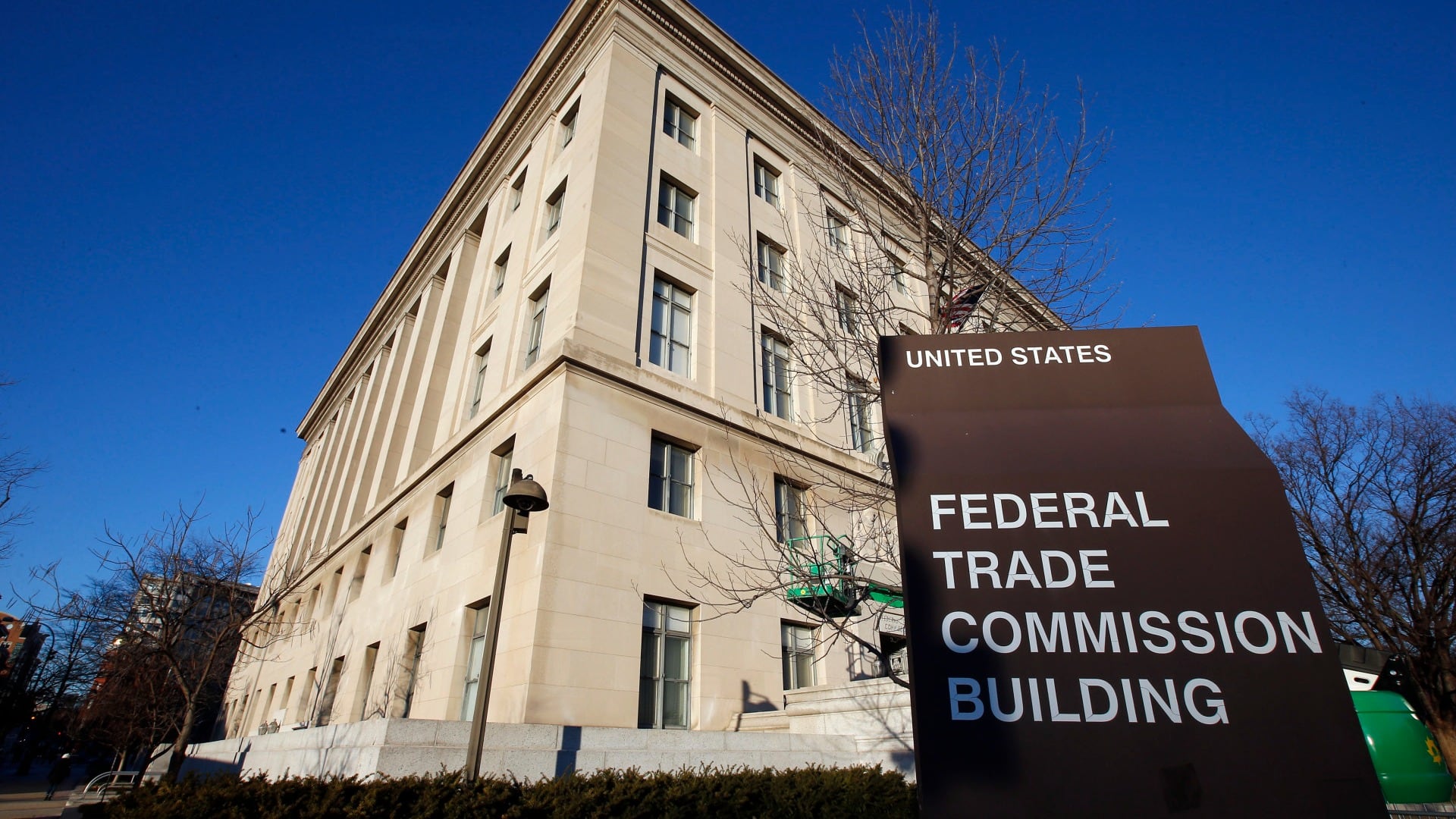
The Federal Trade Commission is proposing stronger regulations for children's privacy online.
Hidden inside the foundation of popular artificial intelligence image-generators are thousands of images of child sexual abuse, according to a new report that urges companies to take action to address a harmful flaw in the technology they built.
Rite Aid has been banned from using facial recognition technology for five years over allegations that a surveillance system it used incorrectly identified potential shoplifters, especially Black, Latino, Asian or female shoppers.
Tesla drivers in the U.S. were in more accidents than drivers of any other car brand this year, according to a study.
Hackers accessed Xfinity customers’ personal information by exploiting a vulnerability in software used by the company, the Comcast-owned telecommunications business announced this week.
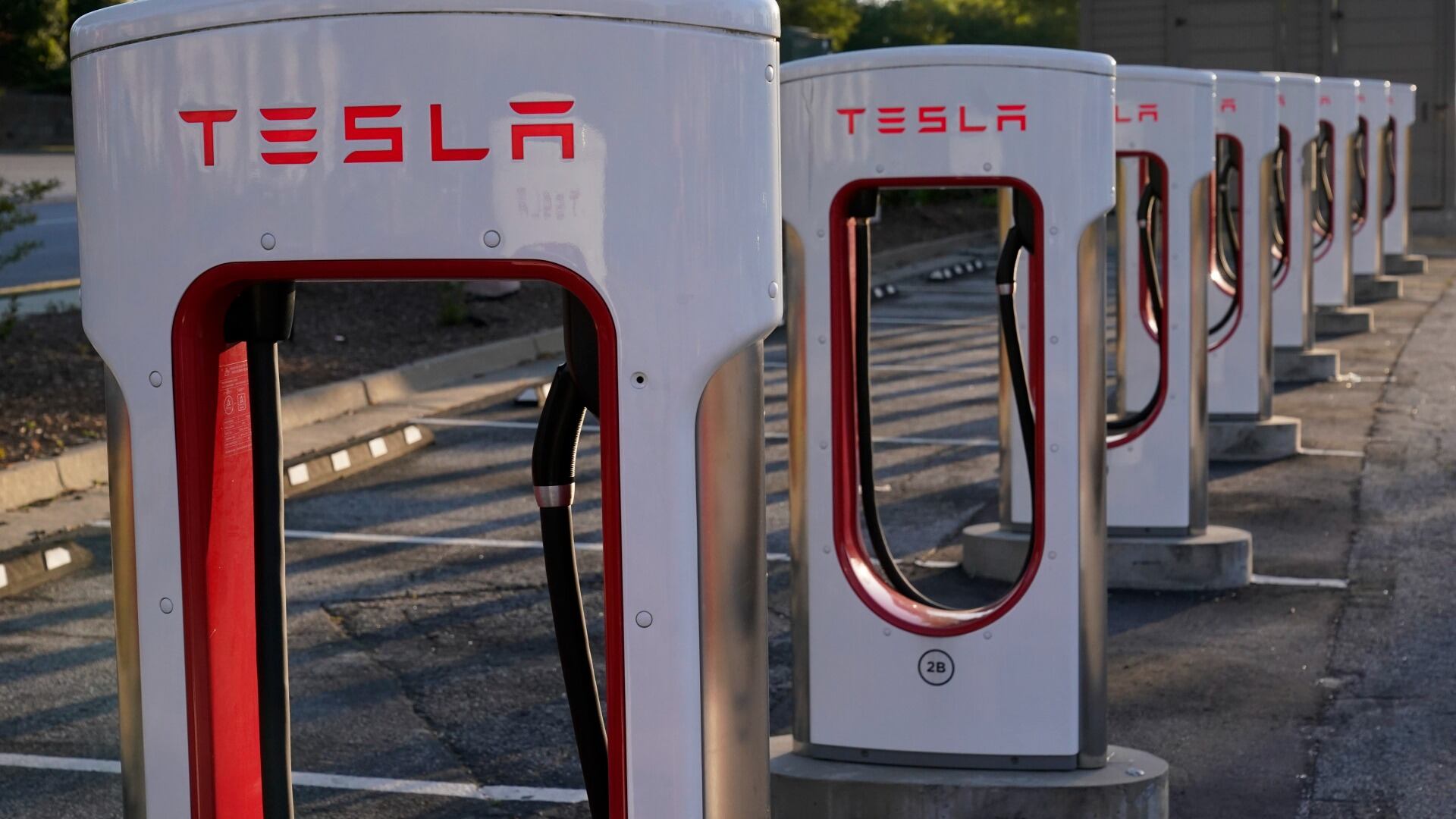
The White House is lending its support to an auto industry effort to standardize Tesla’s electric vehicle charging plugs for all EVs in the United States.
A group representing several big tech companies is suing Utah over state laws about children's social media use.
A new study published in the journal Behavior and Information Technology reveals less time on social media makes people happier and more efficient at work.
Google has agreed to pay $700 million to settle an anti-trust settlement.
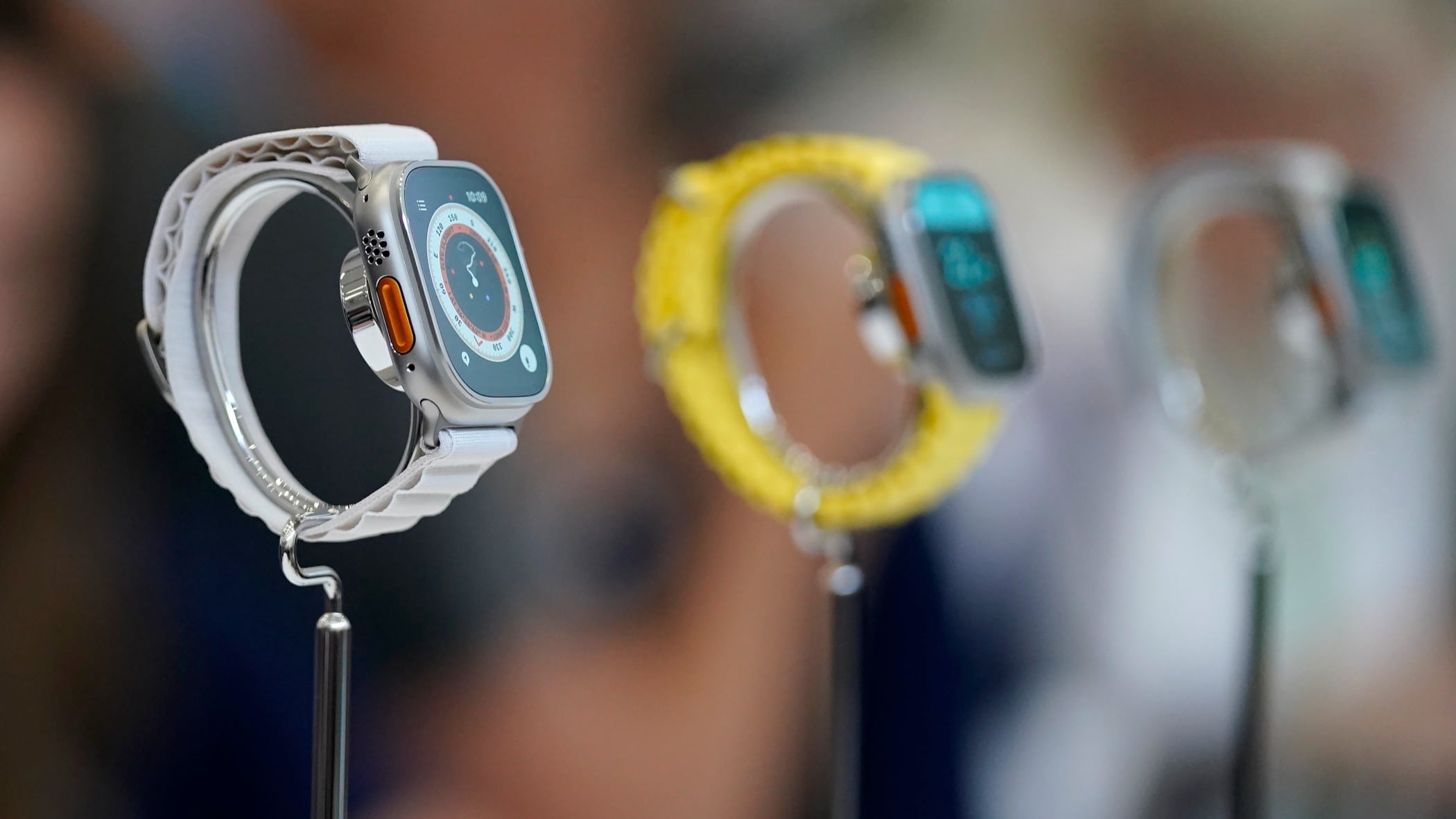
Apple announced that starting this week, it will stop selling some versions of the Apple watch in the U.S.